
 Tamara Smith
DIY home projects offer a fantastic opportunity to infuse personal style into your living environment, transforming it into a true reflection of who you are. Whether you’re looking to make a bold statement or simply enhance the functionality of your space, these projects allow for creativity and self-expression.
From unique decorative accents to practical solutions for everyday challenges, the world of DIY is vast and filled with endless possibilities. With the right tools and a touch of imagination, anyone can embark on a journey to enhance their home and create a space that is not only beautiful but also uniquely theirs.
DIY home projects as a means to personalize living spaces
DIY home projects offer a fantastic opportunity to infuse personal style and flair into your living environment. By taking on these projects, homeowners can create spaces that not only serve functional purposes but also represent their unique tastes and personalities. This process of personalizing one’s home can foster a sense of belonging and comfort, turning a mere house into a cherished haven.Engaging in DIY projects allows individuals to explore their creative sides and manifest their vision.
From selecting colors and materials to deciding on shapes and patterns, every choice reflects personal preferences. Whether it’s a rustic farmhouse aesthetic or sleek modern minimalism, DIY endeavors can be tailored to fit specific styles. The emotional benefits of personalizing your space are significant; it can lead to increased happiness, reduced stress, and a greater sense of accomplishment. Crafting a personal sanctuary where every detail resonates with one’s identity can be deeply fulfilling.
Examples of unique DIY projects that enhance home aesthetics
There are myriad ways to personalize your living space through creative DIY projects that can enhance both aesthetics and functionality. Below are some inspiring ideas that showcase how simple projects can transform a home:
- Custom Wall Art: Creating your own artwork allows you to express your personality. Use canvas, paint, or even recycled materials to craft pieces that reflect your style. A gallery wall with personal photographs and mementos can also tell your story.
- Repurposed Furniture: Give old furniture a new lease on life by repainting, reupholstering, or altering its design. A refurbished dining table or a creatively modified bookshelf can serve as a centerpiece that speaks to your taste.
- Personalized Planters: Bring the outdoors inside by crafting unique planters. Use materials like wood, concrete, or even upcycled containers to enhance your greenery’s aesthetic appeal while showcasing your creativity.
- DIY Throw Pillows: Sew or stencil your own throw pillows using fabric that complements your decor. This small addition can significantly impact the comfort and style of your living area.
- Handmade Curtains: Create custom window treatments that reflect your color scheme and style. Choosing fabrics that resonate with you will add a personal touch and can enhance the overall ambiance of the room.
- Accent Walls: Painting an accent wall or applying wallpaper can dramatically change a room’s feel. Consider using stencils or patterns that resonate with your personal aesthetic.
- Customized Shelving: Build unique shelves that not only provide storage but also serve as a display for your favorite books or decorative items. Tailor the design to fit your space and style preferences.
“DIY projects not only beautify your space but also contribute to your well-being by fostering a sense of ownership and creativity.”
Each of these projects not only enhances the physical environment but also creates a narrative that connects the inhabitants to their space. Personalizing a home through DIY efforts is more than mere decoration; it’s about building an environment that resonates with who you are.
Essential tools and materials for successful DIY home projects
Every DIY enthusiast knows that having the right tools and materials is crucial for achieving success in home projects. Whether you’re painting a room, building furniture, or tackling a home repair, the right toolkit can make all the difference. This section will explore the essential tools every DIYer should have and the common materials used in various projects, along with tips for selecting the best options.
Key tools every DIY enthusiast should have
Having the right tools can enhance efficiency and improve the quality of your work. Below is a list of essential tools that should be in every DIY toolkit:
- Measuring Tape: A must-have for any project, it ensures accurate measurements, preventing costly mistakes.
- Hammer: A versatile tool for driving nails, assembling furniture, or dismantling structures.
- Screwdriver Set: A mix of flat and Phillips screwdrivers is essential for various assembly tasks.
- Utility Knife: Useful for cutting materials such as cardboard, drywall, and more. Always keep it sharp.
- Pliers: Needle-nose and regular pliers are invaluable for gripping, twisting, and cutting wire or small objects.
- Drill/Driver: Ideal for drilling holes and driving screws quickly and efficiently—cordless models offer added convenience.
- Level: Ensures that your projects are straight and true, particularly important for shelving and hanging decor.
- Saw: A handsaw or power saw will be necessary for cutting wood and other materials.
Common materials used in various DIY projects
Materials can greatly influence the outcome of your project. Here’s a breakdown of common materials along with their properties and uses:
- Wood: A versatile material, wood can be used for everything from furniture to flooring. Different types have varying properties; for example, pine is lightweight and easy to work with, while oak is durable and strong.
- Drywall: Essential for interior walls and ceilings, drywall is easy to install and finish. It can be painted or wallpapered over.
- Paint: Available in various finishes (matte, gloss, satin), paint not only adds color but also protects surfaces. Selecting the right type for different materials is crucial for durability.
- Adhesives: From wood glue to superglue, adhesives are critical for bonding materials together. Different projects may require different types of glue for best results.
- Fabric: Used for upholstery, curtains, or DIY decor, fabric options range from cotton to polyester, each offering distinct looks and feels.
Tips on selecting the right tools and materials
Choosing the right tools and materials for your projects can significantly affect both the ease of execution and the final results. Here are some tips to guide your selection process:
- Assess the Project Needs: Understand the requirements of your project to determine the tools and materials that will be necessary.
- Quality over Quantity: Invest in high-quality tools that will last longer and perform better, even if it means having fewer items in your toolkit.
- Research Materials: Look for materials that suit your project’s demands. For example, outdoor furniture requires weather-resistant wood or composite materials.
- Read Reviews: Before purchasing tools or materials, check reviews and ratings to ensure they meet your needs and expectations.
- Consider Safety: Always opt for tools that come with safety features and materials that are non-toxic or safe for your intended use.
“The right tools and materials are the backbone of any successful DIY project.”
Planning and budgeting for DIY home projects
Before diving into a DIY home project, it’s crucial to set aside time for planning and budgeting. Proper planning helps visualize the final outcome and ensures that you have all the tools and materials necessary to complete the project efficiently. Budgeting, on the other hand, keeps your spending in check, preventing unexpected financial burdens that can derail your enthusiasm and efforts.A well-thought-out budget is essential for any DIY endeavor.
It allows you to estimate the costs involved and helps in sourcing materials at affordable prices. The first step in budgeting is to create a list of all the materials and tools you will need. Researching prices online or visiting local hardware stores can provide insight into potential costs. Additionally, consider reaching out to friends or family who might have tools or materials they are willing to lend or donate.
This approach not only reduces expenses but also encourages community involvement.
Estimating costs and sourcing materials
Estimating costs accurately is vital for any DIY project. Start by breaking down your project into smaller tasks and listing the materials required for each segment. This allows for clearer visibility of potential expenses. Using resources like home improvement websites can provide average price ranges for common materials needed in various DIY projects. To source materials affordably, consider the following methods:
- Utilize discount stores or clearance sections in local shops to find quality materials at reduced prices.
- Check online marketplaces for second-hand tools or surplus materials that can be repurposed for your project.
- Participate in community exchanges or trade groups where you can find materials for free or at a minimal cost.
Maximizing resources while minimizing waste
Effective resource management can significantly impact the sustainability and overall cost of your DIY project. To maximize resources, be strategic in your approach by considering the following strategies:
- Plan for multi-use materials that can serve different functions throughout your project, reducing the need for additional purchases.
- Measure accurately before cutting materials to ensure the least amount of waste is generated. A simple miscalculation can lead to excess scraps that could have been avoided.
- Repurpose leftover materials from previous projects instead of discarding them, giving them a new life within your home improvement efforts.
“A dollar saved is a dollar earned.”
By carefully planning and budgeting, not only do you enhance the efficiency of your DIY project, but you also ensure that you remain within your financial means while creating something unique and personal for your home.
Popular DIY home projects for beginners
Embarking on DIY home projects can be both rewarding and enjoyable for beginners. These projects not only enhance your living space but also provide a sense of accomplishment. Here are some popular projects that are perfect for those just starting their DIY journey.
Beginner-Friendly DIY Projects
Below are several beginner-friendly DIY projects along with their requirements. Each project is designed to be manageable while still offering opportunities for creativity and learning.
- Wall Art: Create custom wall art using canvas, paint, and brushes.
- Shelves: Build simple floating shelves using wooden boards, brackets, and screws.
- Potted Plants: Make decorative plant pots using paint or fabric to customize store-bought pots.
- Cushion Covers: Sew or use fabric glue to create cushion covers for your sofa or chairs.
Each project requires basic tools such as a paintbrush, drill, or sewing machine, depending on the specific task.
Step-by-Step Procedures
Here’s a detailed procedure for one of the projects, creating wall art:
1. Gather Materials
You will need a blank canvas, acrylic paints, paintbrushes, and a palette.
2. Plan Your Design
Sketch out your idea on paper or directly onto the canvas lightly with a pencil.
3. Start Painting
Begin with a background color and let it dry. Then, layer your design with different colors.
4. Add Details
Use smaller brushes for details and highlights.
5. Finish It Up
Once satisfied, apply a sealant if desired, and let it dry completely before hanging.It’s important to allow adequate drying time between steps to ensure the best finish.
Potential Challenges and Solutions
Beginners may encounter various challenges during DIY projects. Here are some common issues and ways to address them:
Mistakes in Measurement
Double-check measurements before cutting or assembling. Use a measuring tape and level to ensure accuracy.
Sewing Difficulties
If sewing cushion covers, start with simple straight stitches and practice on scrap fabric before working on your actual project.
Paint Drips
If paint drips occur while creating wall art, use a fine brush to clean them up before the paint dries.By being patient and taking the time to learn, beginners can successfully navigate these challenges and enjoy their DIY projects even more.
Advanced DIY techniques to elevate home improvement skills
For those looking to take their DIY home projects to the next level, advanced techniques can provide the skills necessary for impressive renovations. These techniques often require a more refined set of skills and an understanding of materials and processes that go beyond the basics of home improvement. Mastering these advanced methods can enhance the quality and longevity of your projects, making your home not only more beautiful but also more functional.
Techniques for Precision Cut Joinery
Precision cut joinery is fundamental in achieving a professional finish. This technique involves creating tight and strong joints between pieces of wood or other materials, which is essential for furniture making and cabinetry. To execute this method effectively, you will require specific tools and materials:
- Tools: Table saw, miter saw, router, and clamps.
- Materials: High-quality hardwood, wood glue, and dowels or biscuits.
By using these tools, you can create various joint types such as mortise and tenon, dovetails, and finger joints. Each of these joints provides unique structural integrity and aesthetic appeal, suitable for custom furniture, cabinetry, and even architectural features within your home.
Advanced Painting Techniques
Painting is often perceived as a simple task, but advanced painting techniques can dramatically transform a space. Techniques like color washing, sponge painting, and stenciling provide depth and character beyond standard wall colors. Essential materials and tools include:
- Tools: Paint sprayer, high-quality brushes, sponges, and painter’s tape.
- Materials: Specialty paints (such as metallic or chalk paint), glazes, and sealants.
Utilizing these techniques can allow for creative designs that can enhance the ambiance of rooms, such as achieving a rustic look in a living room or an elegant finish in a dining area.
Tile Installation and Pattern Design
Tile installation is an advanced skill that requires precision and creativity, especially when it involves intricate patterns. Mastering this can elevate the look of floors, backsplashes, and countertops. The following tools and materials are essential:
- Tools: Tile cutter, notched trowel, level, and spacers.
- Materials: Tiles, thin-set mortar, and grout.
Applying advanced installation techniques, such as herringbone or chevron patterns, requires careful planning and execution. The result can be stunning, making a bold statement in kitchens and bathrooms, which are often focal points in homes.
Custom Woodworking Projects
Custom woodworking allows for personalized home features such as built-in shelves, furniture, and decorative trim. This technique combines artistry with functional design, requiring skill and attention to detail. Important tools and materials include:
- Tools: Bandsaw, jointer, planer, and finish sander.
- Materials: Plywood, hardwoods, and finishing products (varnish, stain).
Examples of projects include creating a custom dining table or built-in shelving that perfectly fits your space. These projects not only increase functionality but also add a unique touch that reflects personal style.
Home Automation Installations
Integrating home automation into your improvement projects can elevate both convenience and energy efficiency. This advanced technique involves installing smart devices that can be controlled remotely. Necessary tools and materials include:
- Tools: Screwdrivers, wire strippers, and a drill.
- Materials: Smart thermostats, smart lighting, and home assistant devices.
Projects can range from setting up a smart lighting system that adjusts based on time of day to integrating a smart security system that enhances home safety. These installations not only modernize your home but can also lead to substantial energy savings.
Mastering these advanced DIY techniques showcases a commitment to quality and a passion for home improvement, resulting in spaces that are both functional and beautifully crafted.
Safety measures and best practices for DIY home projects
Before diving into any DIY project, ensuring a safe working environment is paramount. Adequate safety measures not only protect you but also enhance the overall quality of your work. Understanding the risks associated with various materials and tools is essential in preventing accidents and injuries. This section will cover essential safety protocols and best practices for a successful DIY experience.
Essential Safety Measures
Before beginning a DIY project, it’s crucial to be aware of several key safety measures. These practices will help mitigate potential risks and promote a safer working environment. Here are the fundamental points to consider:
- Wear Personal Protective Equipment (PPE): Always wear safety goggles, gloves, and a dust mask when working with tools and materials that may produce harmful debris or dust.
- Read Instructions: Familiarize yourself with the instructions of tools and materials. Whether it’s a paint can or a power tool, understanding how to use them correctly is fundamental.
- Work in a Well-Ventilated Area: Ensure the workspace is well-ventilated, especially when working with chemicals, paints, or varnishes to avoid inhalation of toxic fumes.
- Keep a First Aid Kit Handy: Having a first aid kit nearby allows for immediate response to any minor injuries that may occur.
Best Practices for Using Tools
Utilizing tools safely is integral to any DIY project. Following specific best practices can prevent accidents and ensure efficient use of equipment. Here are some guidelines:
- Inspect Tools Before Use: Always check tools for any defects before starting. Look for frayed cords on electrical tools or dull blades on cutting tools.
- Use the Right Tool for the Job: Ensure you are using the appropriate tool designed for specific tasks. This not only enhances safety but also improves efficiency.
- Avoid Distractions: Stay focused on your project and avoid distractions, such as using a phone, which could lead to accidents.
- Unplug Tools When Changing Blades: For power tools, always unplug them before changing blades or making adjustments to prevent accidental start-ups.
Precautions for Different Types of Projects
Depending on the nature of your DIY project, different precautions may be necessary. Here’s a checklist of considerations for various project types:
- Painting: Use drop cloths to protect furniture and floors. Ensure proper ventilation and consider using low-VOC paints for reduced health risks.
- Woodworking: Always use clamps to secure wood pieces. Wear eye protection to guard against flying wood particles.
- Electrical Work: Shut off power at the circuit breaker before commencing any electrical project. Use insulated tools to prevent electric shock.
- Gardening and Landscaping: Wear gloves to protect against thorny plants and use knee pads when working on the ground to avoid strain.
Safety first: Taking the time to prepare and protect yourself can prevent accidents and lead to a successful DIY project.
Eco-friendly DIY home projects for sustainable living
Engaging in eco-friendly DIY home projects not only enhances the beauty of our living spaces but also contributes to a more sustainable future. As awareness of climate change and environmental degradation rises, many homeowners are seeking ways to reduce their ecological footprint through conscious choices in home improvement. Sustainable living can be seamlessly integrated into DIY projects, transforming ordinary spaces into eco-conscious havens.Sustainability in home improvement revolves around utilizing resources that minimize environmental impact, while enhancing energy efficiency and reducing waste.
By choosing eco-friendly materials and techniques, DIY enthusiasts can create aesthetically pleasing and functional spaces that support a healthier planet.
Eco-friendly materials for DIY projects
When embarking on eco-friendly DIY projects, selecting the right materials is crucial. The right choices not only help in reducing environmental impact but also promote longevity and health within the home. Here are several eco-friendly materials that can be effectively used in various home improvement projects:
- Reclaimed wood: Sourcing reclaimed wood for furniture or flooring reduces the need for new lumber and minimizes deforestation. Its unique character adds charm to any space.
- Bamboo: As one of the fastest-growing plants on Earth, bamboo is a sustainable alternative for flooring and countertops that is durable and stylish.
- Low-VOC paints: Volatile organic compounds (VOCs) are harmful to both health and the environment. Choosing low-VOC or zero-VOC paints ensures better indoor air quality.
- Recycled glass: Utilizing recycled glass for tiles or decorative elements not only diverts waste from landfills but also adds a unique touch to home design.
- Natural fabrics: Opting for organic cotton, hemp, or linen for upholstery and curtains reduces exposure to harmful chemicals often found in conventional textiles.
Incorporating these materials into DIY projects can lead to stunning transformations while aligning with sustainable practices.
Techniques for sustainable DIY practices
Beyond materials, the techniques employed in eco-friendly DIY projects are essential in promoting sustainability. These methods focus on reducing waste, conserving energy, and enhancing the overall ecological performance of the home. Here are some impactful techniques to consider:
- Upcycling: Transforming old or discarded items into new, functional designs reduces waste and encourages creativity. For instance, turning wooden pallets into furniture can give them a fresh purpose.
- Energy-efficient installations: Installing energy-efficient appliances and systems, such as solar panels or LED lighting, can significantly lower energy consumption and costs over time.
- Water conservation: Implementing rainwater harvesting systems and low-flow fixtures not only conserves water but also reduces utility bills.
- Composting: Creating a compost area for organic waste can enrich soil for garden projects while minimizing landfill contributions.
- Green insulation: Utilizing sustainable insulation materials, such as sheep’s wool or recycled denim, improves energy efficiency and comfort in the home.
Engaging in these techniques fosters a mindset of conservation and resourcefulness, which is vital for sustainable living.
Long-term benefits of sustainable DIY practices
Adopting sustainable DIY practices yields numerous long-term benefits that extend beyond immediate aesthetic improvements. These practices not only contribute to environmental stewardship but also enhance the homeowner’s quality of life.
- Cost savings: While initial investments in sustainable materials and systems may appear higher, the long-term savings from reduced energy and water bills can be substantial.
- Increased home value: Homes with energy-efficient features and sustainable materials often appreciate in value, appealing to environmentally conscious buyers.
- Healthier living environment: Utilizing low-VOC paints and natural materials contributes to better indoor air quality, promoting overall health and wellbeing.
- Community impact: By adopting sustainable practices, homeowners can inspire others to follow suit, fostering a culture of environmental awareness and responsibility.
- Personal fulfillment: The satisfaction derived from creating a beautiful, eco-friendly home can lead to a deeper connection with the space and a sense of accomplishment.
The decision to engage in eco-friendly DIY home projects not only influences the present but also paves the way for a sustainable future, creating a positive ripple effect within the community and beyond.
Creative storage solutions through DIY home projects
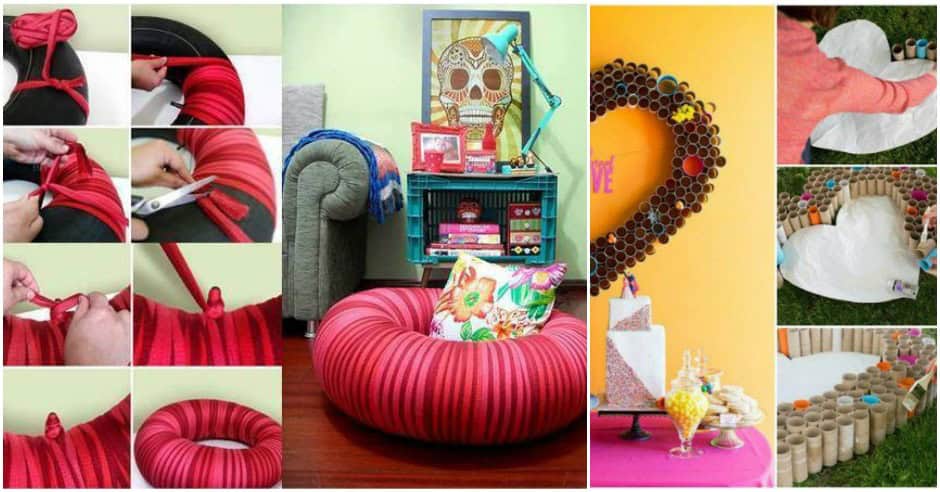
In many homes, the lack of adequate storage can be a persistent challenge, leading to clutter and disorganization. Creative DIY projects offer homeowners the opportunity to tackle these issues head-on, transforming unused spaces into functional storage areas. With a little ingenuity and effort, you can reclaim your space and enhance your home’s aesthetics.Identifying common storage challenges is the first step in crafting effective DIY solutions.
Many homeowners struggle with limited closet space, overflowing cabinets, and the need to store seasonal items. By assessing these issues, you can design storage solutions tailored to your specific needs. DIY projects not only provide practical storage options but also allow for personalization that matches your home’s decor.
Innovative DIY storage solutions
There are numerous creative storage ideas that can help to maximize space and enhance organization. Each solution requires some design considerations to ensure functionality and suitability for your space.
- Under-bed storage: Utilizing the space beneath your bed can significantly increase storage capacity. You can build or purchase rolling storage bins that slide under the bed, perfect for storing shoes, extra linens, or seasonal clothing. This solution keeps items out of sight while remaining easily accessible.
- Wall-mounted shelves: Floating shelves installed on walls can hold books, decor, or even kitchen items, freeing up floor space. Ensure to consider the weight capacity of the shelves and anchor them correctly to the wall for safety and stability.
- Repurposed furniture: Old furniture can be transformed into storage solutions. For instance, an unused dresser can be painted and repurposed as a TV stand while providing drawer space for remotes, cables, and other items.
- Hooks and pegboards: Installing hooks or pegboards in entryways or garages can create a visually appealing and organized space for hanging coats, bags, tools, or gardening supplies. Customize the layout to fit your needs, maximizing both form and function.
- Over-the-door organizers: These versatile storage solutions can be hung on the backs of doors to store shoes, cleaning supplies, or craft materials. They are particularly useful in spaces like bathrooms or laundry rooms where additional storage is often needed.
Implementing these DIY storage solutions can significantly enhance the functionality of your space. For instance, consider a small apartment where every square foot counts. By using vertical space through wall-mounted shelves and under-bed storage, residents can keep their living areas tidy without sacrificing style.
“Effective storage solutions not only declutter your space but also bring a sense of peace and order to your home.”
Using innovative DIY methods not only addresses storage challenges but also adds character to your home, reflecting your personal style while maintaining practicality. Embracing these projects can lead to a more organized, enjoyable living environment.
The role of digital resources and communities in DIY home projects

In today’s digital age, DIY enthusiasts have an abundance of resources at their fingertips, making it easier than ever to embark on home projects. Online platforms and communities play a crucial role in supporting individuals by providing access to a wealth of information and a network of like-minded individuals. These digital resources not only enhance creativity but also foster collaboration and skill-sharing among DIYers.Digital platforms offer a variety of resources that cater to different aspects of DIY home projects.
From how-to tutorials to forums where users can seek advice or share their experiences, these tools empower enthusiasts to take on challenges with confidence. The accessibility of videos, step-by-step guides, and articles allows individuals to learn at their own pace and apply their newfound knowledge to practical projects.
Types of digital resources available for DIY enthusiasts
There are several categories of digital resources that are particularly beneficial for DIY home projects. Each of these resources serves a unique purpose, enabling users to gather information and connect with others in the DIY community.
- Tutorials and Videos: Websites like YouTube host countless tutorial videos that guide viewers through the process of completing various projects, from simple repairs to complex renovations. Visual learners benefit immensely from seeing the techniques in action.
- Forums and Discussion Boards: Online communities, such as Reddit and specialized DIY forums, allow users to post questions, share advice, and offer feedback. This real-time interaction creates a supportive environment where everyone can learn from one another.
- Social Media Groups: Platforms like Facebook host groups dedicated to DIY projects, where members share their achievements, challenges, and resources. This sense of community fosters motivation and inspires creativity.
- Blogs and Websites: Numerous blogs focus on DIY projects, providing detailed guides, materials lists, and personal anecdotes. These resources can be particularly valuable for niche projects not covered by mainstream platforms.
Personal experiences within these digital communities highlight their impact on successfully completing home projects. For instance, one user shared how they transformed their backyard space by following a YouTube series on landscaping. The tutorial not only provided them with the techniques needed but also encouraged them to connect with fellow viewers in the comments, leading to additional tips and inspiration.
Another testimonial from a DIY enthusiast emphasized the importance of forums in troubleshooting a plumbing issue, where quick responses from experienced members saved them time and potential damage.The digital landscape offers a rich tapestry of resources and communities that significantly enhance the DIY experience, making projects more accessible and enjoyable for everyone involved.
Transforming outdoor spaces with DIY home projects
Outdoor DIY projects have become increasingly popular as homeowners seek to enhance their exterior living areas. These projects not only add aesthetic appeal but also create functional spaces that can be enjoyed year-round. By engaging in DIY activities, individuals can personalize their outdoor spaces to reflect their tastes and lifestyles, ultimately increasing property value and enjoyment.One significant impact of outdoor DIY projects is their ability to transform ordinary yards into inviting retreats.
From gardens to patios, the possibilities are endless, allowing homeowners to express their creativity. Outdoor projects often prioritize landscaping and garden design, which can include elements such as flower beds, vegetable gardens, and hardscaping features like pathways and decks.
Popular outdoor projects for enhancing exterior living areas
Several outdoor DIY projects can significantly improve the functionality and beauty of exterior spaces. Below are some common examples:
- Garden beds: Raised garden beds not only enhance the garden’s aesthetics but also make it easier to manage and maintain plants.
- Patios and decks: Building a patio or deck can create a designated area for relaxation and entertaining, adding valuable square footage to your living space.
- Outdoor lighting: Installing solar lights or string lights can enhance ambiance during evenings, making outdoor spaces more inviting.
- Fire pits: A DIY fire pit can serve as a focal point in the yard, providing warmth and a cozy gathering spot for family and friends.
- Water features: Simple DIY installations like fountains or ponds can introduce a sense of tranquility and attract local wildlife.
Before embarking on outdoor projects, it is crucial to consider the elements such as weatherproofing and maintenance. Weather conditions can significantly affect the longevity and appearance of outdoor structures. Properly treating and sealing wood, selecting durable materials, and using weather-resistant finishes can extend the life of these projects.
Considerations for weatherproofing and maintenance
When designing and constructing outdoor DIY projects, several factors should be taken into account to ensure their durability and ease of maintenance:
- Material selection: Opt for materials that can withstand various weather conditions, such as rot-resistant wood or composite materials that require less maintenance.
- Sealing and finishing: Regularly applying sealants to wooden structures helps protect against moisture and UV damage.
- Drainage and landscaping: Ensure proper drainage around garden beds and patios to prevent water accumulation, which can lead to structural issues over time.
- Routine inspections: Conducting periodic checks for wear and tear will help address any issues before they become significant problems.
In summary, outdoor DIY projects have the power to transform exterior living areas, create inviting spaces, and add value to homes. By choosing the right projects and carefully considering materials and maintenance, homeowners can enjoy their outdoor spaces for years to come.
Closing Notes
In conclusion, embracing DIY home projects not only personalizes your space but also provides a rewarding experience that can lead to lasting satisfaction. As you explore the various techniques and ideas discussed, remember that each project is a step towards creating a home that truly reflects your personality and lifestyle.
FAQ Section
What are some beginner DIY projects I can try?
Beginner DIY projects include creating wall art, building simple shelves, or upcycling old furniture. These projects require minimal tools and materials, making them accessible for newcomers.
How can I budget for my DIY projects?
To budget effectively, start by estimating costs for materials, tools, and any additional expenses. Researching prices online and shopping sales can help you save money.
What safety gear should I use for DIY projects?
Essential safety gear includes goggles, gloves, and masks, depending on the materials and tools you’re using. Always follow safety guidelines to protect yourself during projects.
Can I find inspiration for DIY projects online?
Absolutely! Websites, social media, and DIY forums are great resources for finding inspiration, tutorials, and connecting with other DIY enthusiasts.
What eco-friendly materials are best for DIY projects?
Consider using reclaimed wood, non-toxic paints, and sustainable fabrics. These materials not only reduce waste but also contribute to a healthier living environment.