
 Tamara Smith
DIY crafts ideas have become a delightful way to express creativity while enhancing mental well-being and creating a sense of community. Engaging in crafting not only provides a productive outlet but also promotes relaxation, making it an ideal hobby for those looking to unwind. From personalized home decor to eco-friendly projects using recycled materials, the possibilities are endless.
Whether you’re looking to spruce up your living space, engage your children in meaningful activities, or simply find a new pastime, DIY crafts offer something for everyone. With a myriad of techniques and materials available, each project can be tailored to your preferences, ensuring a unique touch to everything you create. Let’s dive into the vibrant world of DIY crafts and discover how they can enrich our lives.
Exploring the Benefits of DIY Crafts for Mental Well-being
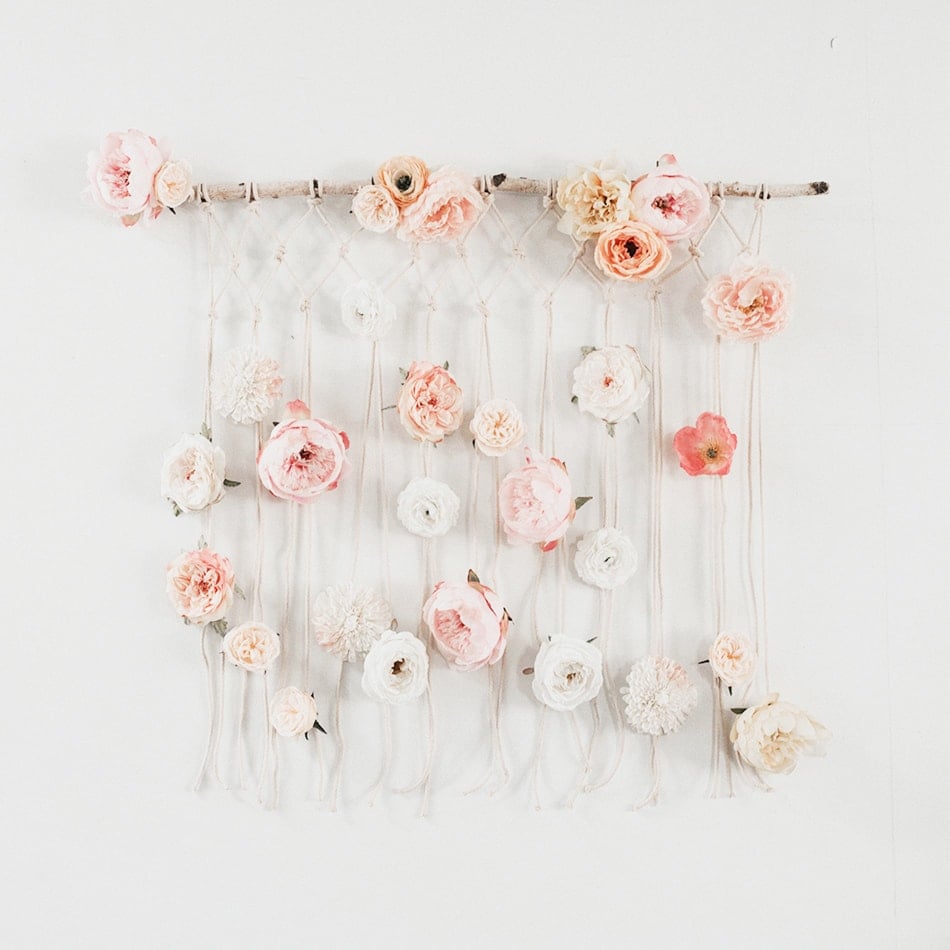
Engaging in DIY crafts has gained significant popularity as a means to enhance mental well-being. This creative outlet not only provides a fun and enjoyable way to express oneself, but it has also been linked to various psychological benefits that can lead to improved mental health and reduced stress levels. The act of creating something with one’s hands fosters a sense of accomplishment and satisfaction that can be immensely rewarding.Participating in DIY crafts can be particularly therapeutic, as they allow individuals to immerse themselves in a focused activity that diverts attention from daily stressors.
Research has shown that crafting can lower levels of the stress hormone cortisol, leading to a more relaxed state of mind. Engaging in hands-on projects, such as knitting, woodworking, or painting, encourages mindfulness—a state where individuals concentrate fully on the task at hand, thus promoting relaxation and reducing anxiety.
Therapeutic Craft Examples and Implementation
Several specific crafts are known for their therapeutic qualities. By choosing projects that resonate personally, individuals can reap the emotional benefits more fully. Here are a few crafts that stand out for their mental health benefits:
- Knitting and Crocheting: These repetitive movements have a calming effect, akin to meditation. They are easy to learn and provide a tangible outcome, which can boost self-esteem.
- Painting: Painting allows for personal expression and can serve as a powerful emotional release. Whether it’s using watercolors, acrylics, or oil paints, the experience can be liberating and soothing to the mind.
- Gardening: This craft brings individuals closer to nature and has been shown to reduce symptoms of anxiety and depression. The act of tending to plants and witnessing their growth can provide a profound sense of achievement.
- Scrapbooking: This allows individuals to preserve memories creatively. The process of selecting images and arranging them can evoke positive feelings while providing a meaningful way to reflect on experiences.
The psychological benefits of crafting extend beyond mere enjoyment. Numerous studies have indicated that engaging in creative activities can lead to a decrease in symptoms of anxiety and depression. One notable study published in the Journal of Neuropsychiatry found that participants who engaged in arts and crafts reported lower levels of stress and higher levels of happiness. This is attributed to the release of dopamine—a neurotransmitter associated with pleasure—during the creative process.In summary, engaging in DIY crafts serves as a fruitful avenue for improving mental well-being.
The combination of concentration, creativity, and tangible results leads to a fulfilling experience that not only soothes the mind but also enhances overall happiness.
Innovative DIY Crafts for Home Decor
Creating a warm and inviting home environment can be easily achieved through innovative DIY crafts. These projects not only add character but also allow you to express your personal style. By utilizing simple materials, anyone can transform their living space into a cozy oasis that reflects individual tastes. Here, we dive into some unique DIY craft ideas that will enhance the aesthetics of your home.
Macrame Wall Hanging
Macrame wall hangings have surged in popularity, offering a boho-chic touch to any room. This craft combines knotting techniques to create intricate designs that can serve as a focal point on your wall. Follow these steps to create your own stunning piece:
1. Materials Needed
Cotton macrame cord (about 100 feet)
Wooden dowel or branch (24 inches)
– Scissors Measuring tape
2. Instructions
Cut several lengths of cord at around 10 feet each.
Fold each piece in half and create a lark’s head knot onto the dowel.
Continue knotting using square knots in various patterns, leaving some space between each row.
Once you have reached your desired length, trim the ends of the cord to create a fringe.
Hang it on your wall for an instant style upgrade.
This project not only beautifies your space but also allows for personalization with different patterns and colors.
Upcycled Glass Jar Vases
Transforming simple glass jars into elegant vases is an easy way to add a touch of nature to your home decor. Upcycling is not only environmentally friendly but adds a unique touch to your interior design. Here’s how to do it:
1. Materials Needed
Glass jars (various sizes)
Acrylic paint or spray paint
– Paintbrush
Sandpaper (optional)
Flowers or greenery for decoration
2. Instructions
Clean the jars thoroughly and remove any labels.
If desired, lightly sand the surface for better paint adhesion.
Paint the jars in your chosen color, allowing them to dry completely.
Arrange fresh or dried flowers in the jars and display them on shelves or tables.
These vases can complement any room and give a fresh, stylish vibe, especially when mixed and matched.
Customized Throw Pillows
Throw pillows are an easy way to update your living space. By customizing them, you can create cohesion in your decor or make a bold statement. The following steps guide you through personalizing fabric pillows:
1. Materials Needed
Plain throw pillow covers
Fabric paint or iron-on transfers
Stencils (optional)
Paintbrushes
2. Instructions
Choose your pillow covers and pre-wash them to remove any sizing.
Plan your design and use stencils if desired.
Apply fabric paint directly onto the pillow or use iron-on transfers for more intricate designs.
Allow the paint to dry completely before using the pillows.
These customized pillows can tie together color schemes and add a personal touch, making your space feel more like home.
Crafting unique items for your home encourages creativity and can significantly enhance the overall atmosphere of your living space.
Trends in DIY home decor are leaning towards sustainability and personalization. Many individuals are opting for upcycled materials and unique designs that reflect their personalities rather than following mainstream trends. Incorporating personal touches, such as photographs or family heirlooms, can make any space feel more inviting. By engaging in these innovative DIY projects, you can create a home that not only looks beautiful but also tells your story.
Eco-Friendly DIY Crafts Using Recycled Materials
Creating crafts from recycled materials not only sparks creativity but also promotes sustainability and reduces waste. By repurposing items that would typically end up in landfills, crafters can contribute to a healthier planet while expressing their artistic side. This approach to crafting emphasizes the importance of environmental consciousness in our daily lives.Utilizing recycled materials in DIY crafts can significantly lower the environmental impact when compared to using new materials.
The production of new materials often involves resource extraction, energy consumption, and pollution, whereas recycling helps conserve resources and reduce greenhouse gas emissions. By choosing to craft with items that already exist, we not only minimize waste but also foster a culture of reuse and sustainability.
Common Household Items for Repurposing in Crafts
Many everyday items can be transformed into beautiful and useful crafts. Understanding which materials can be repurposed effectively allows for greater creativity and innovation in DIY projects. Below is a list of common household items along with specific project examples that showcase their potential.
- Glass Jars: These can be turned into decorative storage containers, candle holders, or even mini terrariums. Adding paint or twine can enhance their aesthetic appeal.
- Old T-Shirts: Instead of tossing them out, they can be made into reusable shopping bags, braided rugs, or even quilts. These projects not only reduce textile waste but also create functional items.
- Toilet Paper Rolls: These can be transformed into seedling pots, desk organizers, or fun art projects like binoculars for kids. Their versatility is impressive, and they often inspire creativity.
- Plastic Bottles: With a little modification, they can become bird feeders, planters, or even garden sprinklers. Cutting and painting can add a personal touch to these projects.
- Egg Cartons: These are excellent for creating seed starters, decorative flowers, or even playful art pieces. Their unique structure lends itself to various creative uses.
“Recycling is not just a trend; it’s a lifestyle choice that can have a lasting impact on our environment.”
The environmental benefits of using recycled materials are profound. Crafting with items that have already served a purpose reduces the demand for new resources, conserves energy, and minimizes pollution. For instance, using recycled paper in crafts can save trees and reduce water pollution linked to paper manufacturing. Similarly, repurposing plastic items helps decrease the amount of waste in landfills, contributing to a more sustainable future.
Engaging in eco-friendly DIY crafts not only enhances your creative skills but also embodies a commitment to protecting our planet.
Engaging Kids in DIY Crafts for Educational Purposes
DIY crafts are not only about creating fun projects; they also play a vital role in children’s educational development. Engaging in crafting activities can enhance various skills such as creativity, problem-solving, and critical thinking. Moreover, these hands-on experiences promote cognitive development and can enrich a child’s understanding of a range of subjects from science to art.The educational benefits of DIY crafts for children are manifold.
Crafting allows children to explore concepts such as measurement, shapes, and colors, fostering their mathematical skills. It encourages scientific inquiry as they experiment with different materials and tools. Additionally, engaging in crafts helps to cultivate fine motor skills as children manipulate various objects, and it also enhances their social skills when they work collaboratively on projects.
Craft Ideas for Different Age Groups
Craft activities can be tailored to suit various age levels, ensuring that children are both challenged and engaged. Below are some craft ideas categorized by age group, along with the skills they promote:
- Preschool (Ages 3-5): Simple projects like finger painting or making collages with cut-out shapes promote creativity and help develop fine motor skills.
- Early Elementary (Ages 6-8): Projects such as DIY bird feeders or paper mache sculptures introduce basic concepts of biology and engineering.
- Middle School (Ages 9-12): More advanced crafts like building model rockets or sewing simple garments encourage problem-solving and critical thinking.
Providing a range of craft activities allows children to choose projects that resonate with their interests while developing diverse skills.
Guiding Children in Crafting Activities
Parents play a vital role in facilitating crafting experiences that are both educational and enjoyable. Here are some tips for guiding children effectively during their DIY craft sessions:
- Set the Stage: Create a designated crafting area with all necessary supplies readily accessible to encourage spontaneous creativity.
- Encourage Exploration: Allow children to experiment with different materials and methods, emphasizing the process over the end product.
- Participate Together: Join your child in crafting projects to foster collaboration and provide guidance without dominating the activity.
- Celebrate Creativity: Acknowledge their efforts, regardless of the outcome, to build confidence and inspire further creativity.
Crafting with children is a wonderful opportunity to bond while also enriching their educational journey. By integrating fun and learning, DIY crafts become a powerful tool for developmental growth.
Seasonal DIY Crafts for Celebrations and Holidays
Crafting is a wonderful way to celebrate the seasons and various holidays throughout the year. It allows for creativity, personalization, and a deeper connection to cultural traditions. Engaging in seasonal DIY projects not only beautifies your space but also enhances the festive spirit, making celebrations even more special.Throughout the year, various seasons and holidays offer unique opportunities for crafting. These projects can range from decorations to gifts, each with cultural significance and historical background.
Here are some delightful seasonal crafts that are perfect for different times of the year.
Spring Crafts for Easter
Spring signifies renewal and is often associated with Easter celebrations. Here are craft ideas that capture the essence of the season:
- Easter Egg Wreath
- Materials Needed: Foam or plastic eggs, a wire wreath frame, pastel-colored paint, glue gun, ribbon, and faux flowers.
- Steps:
- Paint the foam or plastic eggs in pastel colors.
- Once dry, glue the eggs onto the wire wreath frame, alternating colors for a vibrant look.
- Fill in spaces with faux flowers for added charm.
- Attach a ribbon at the top for hanging.
- Flower Seed Bombs
- Materials Needed: Wildflower seeds, clay powder, compost, water, and a mixing bowl.
- Steps:
- Mix equal parts of clay powder and compost in a bowl.
- Add wildflower seeds and a small amount of water to form a dough-like consistency.
- Shape the mixture into small balls and let them dry.
- Distribute them in your garden or flower beds.
Summer Crafts for Independence Day
Summer heralds a time for barbecues, beach outings, and celebrations like Independence Day. Here are some patriotic crafts to embrace the holiday spirit:
- Flag T-Shirt
- Materials Needed: Plain white t-shirt, red and blue fabric paint, star stencil, and brushes.
- Steps:
- Place the star stencil on the shirt and paint it blue.
- Use red fabric paint to create stripes across the shirt.
- Allow the paint to dry completely before wearing it to Independence Day celebrations.
- Patriotic Centerpiece
- Materials Needed: Mason jars, red, white, and blue paint, flowers, and ribbon.
- Steps:
- Paint the mason jars in alternating red and white stripes, leaving the top blue.
- Once dry, fill the jars with flowers and tie a ribbon around the neck of the jar.
- Display these centerpieces on your dining table during celebrations.
Autumn Crafts for Halloween
As the leaves change color and the air turns crisp, Halloween brings an opportunity for playful and spooky crafts.
- Spooky Lanterns
- Materials Needed: Empty mason jars, black paint, tea lights, and paintbrushes.
- Steps:
- Paint the outside of the mason jar black and let it dry.
- Create spooky faces using a paintbrush or sponge, allowing some glass to show through.
- Place a tea light inside and enjoy the eerie glow.
- Decorative Pumpkins
- Materials Needed: Mini pumpkins, paint, glitter, and paintbrushes.
- Steps:
- Paint the mini pumpkins in fun colors and patterns.
- Sprinkle glitter on wet paint for a sparkling effect.
- Display the pumpkins as part of your Halloween decor.
The cultural significance of these crafts cannot be understated. For instance, decorating Easter eggs symbolizes new life, while the American flag represents freedom and patriotism. Such crafts can be adapted for modern celebrations by incorporating current trends or personal touches, ensuring they resonate with contemporary values and aesthetics.
Community Building Through DIY Craft Workshops
Organizing DIY craft workshops serves as an excellent avenue for fostering community spirit and building meaningful social connections. These workshops not only provide a platform for individuals to express their creativity but also encourage collaboration among diverse groups of people, helping to strengthen the bonds within a community.When planning a successful DIY craft workshop, it’s important to create an environment that promotes participation and creativity.
This can be achieved through careful consideration of the workshop’s content, structure, and the experiences of the participants. Here are some key elements to keep in mind for planning and executing a successful workshop:
Key Elements for a Successful Workshop
Establishing a welcoming atmosphere is crucial for participant engagement. Here are some important tips to consider when organizing your workshop:
- Define Clear Objectives: Set specific goals for what you want to achieve with the workshop, such as teaching a particular skill or creating a community project.
- Choose the Right Venue: Select a location that is accessible and comfortable for participants. A community center or local park can provide a relaxed atmosphere conducive to creativity.
- Promote Inclusivity: Encourage individuals from all backgrounds to join by promoting the workshop through various channels, ensuring everyone feels welcome.
- Provide Necessary Materials: Ensure all materials are available for participants, which minimizes barriers to participation and enhances the workshop experience.
- Engage Participants: Foster interaction by incorporating icebreakers and group activities that allow attendees to connect and collaborate.
Collaboration and skill-sharing are vital components within a community setting. Engaging in a DIY craft workshop allows individuals to share their unique talents and skills, which can greatly enrich the overall experience. The benefits of collaboration include:
Benefits of Collaboration in Craft Workshops
The collaborative spirit found in DIY craft workshops often leads to a host of positive outcomes for participants and their communities. Here are some of the key benefits:
- Skill Development: Participants learn from one another, enhancing their skills through shared knowledge and hands-on practice.
- Strengthened Relationships: Working together on craft projects fosters connections, creating friendships and networks that extend beyond the workshop.
- Increased Creativity: Exposure to different perspectives and techniques can inspire new ideas and innovative approaches in crafting.
- Community Pride: Collaborative projects often culminate in community displays or contributions, reinforcing a sense of belonging and pride among participants.
“Crafting together creates not just art, but lasting connections within the community.”
In essence, DIY craft workshops serve as a powerful tool for community building, creating a supportive environment where creativity flourishes and relationships are nurtured. By thoughtfully planning and executing these workshops, organizers can pave the way for stronger, more connected communities.
Crafting as a Trend
The rise of DIY crafting communities reflects a significant cultural shift toward creativity and self-expression. Over the past few years, there has been a notable surge in individuals engaging in crafting activities, both online and offline. This trend is fueled by a desire for personalization and the joy of creating something unique, leading to a thriving ecosystem of DIY enthusiasts sharing their passion and projects.The growth of DIY crafting communities has been propelled by various platforms and social media channels where enthusiasts can showcase their work, connect with like-minded individuals, and learn new skills.
These platforms have become essential in fostering a sense of belonging and inspiration within the crafting community.
Popular Platforms for DIY Enthusiasts
A variety of platforms serve as hubs for DIY projects, each offering unique features that cater to different aspects of crafting. The following platforms have gained popularity among DIY enthusiasts:
- Instagram: This visually-oriented platform allows users to share images and short videos of their crafting projects, making it a popular choice for showcasing finished works and sharing creative processes. The use of hashtags like #DIY, #Crafting, and #MakerMovement connects users with similar interests.
- Pinterest: Known for its vast collection of ideas, Pinterest serves as a source of inspiration where users can discover and save crafting projects, tutorials, and tips from around the world. It operates as a digital mood board, allowing crafters to curate their favorite ideas.
- YouTube: Offering in-depth tutorials and step-by-step guides, YouTube has become a go-to resource for DIY enthusiasts looking to learn new techniques or explore complex projects. Channels dedicated to crafting provide a wealth of knowledge and community interaction through comments and live sessions.
- Facebook Groups: Many DIY enthusiasts find community and support in Facebook groups, where they can share their projects, ask for advice, and collaborate on ideas. These groups often create a sense of camaraderie among members with shared interests.
Technology’s Role in DIY Crafting Trends
The integration of technology into the DIY crafting world has significantly influenced the way enthusiasts create and share their work. Digital tools and resources have made crafting more accessible than ever before. Crafting apps and websites offer templates, tutorials, and project planners that streamline the crafting process. For instance, apps like Cricut Design Space allow users to design custom projects for cutting machines, enabling intricate designs that were once difficult to achieve without advanced skills.Furthermore, social media algorithms promote DIY content, ensuring that users are regularly exposed to new ideas and trends.
This constant visibility inspires individuals to try new projects, contributing to the overall growth of DIY communities. In summary, crafting has evolved into a vibrant trend, bolstered by technology and community engagement. The availability of diverse platforms and resources has empowered individuals to express their creativity, fostering connections within a dynamic and supportive network of DIY enthusiasts.
Customizing Gifts with DIY Crafts for Personal Touch
Creating personalized gifts through DIY crafts adds a unique touch that store-bought items often lack. A handmade gift not only reflects the time and effort put into it but also shows a deep level of thoughtfulness that resonates with the recipient. When you craft something with your own hands, it carries a piece of your heart, making it an unforgettable token of affection.The emotional value of handmade gifts can be profound.
Unlike generic items purchased from a store, DIY gifts often come with a story or shared memory. For instance, a friend of mine once received a hand-knitted scarf from her grandmother. It wasn’t just a scarf; it was a labor of love, stitched with memories of afternoons spent together. Such gifts can symbolize relationships and moments shared, making them treasured keepsakes.
The sentiment attached to a handmade gift often leaves a lasting impression, far surpassing the fleeting excitement of unwrapping a commercially made item.
DIY Crafts Ideas for Personalized Gifts
There are endless possibilities when it comes to customizing gifts with DIY crafts. Here are some creative ideas to inspire your next gifting occasion:
- Customized Mugs: Use ceramic paint or markers to personalize a plain mug with quotes, designs, or even a cherished photo transfer. This makes for a great coffee or tea-loving friend’s gift.
- Handmade Candles: Craft scented candles in unique containers and add personalized labels with the recipient’s name or a special message. These can create a warm ambiance and are perfect for any occasion.
- Photo Albums or Scrapbooks: Compile memories in a beautifully decorated scrapbook filled with photos, notes, and mementos from shared experiences, making it a heartfelt present.
- Embroidered Items: Personalize towels, pillowcases, or tote bags with embroidery. Adding initials or meaningful dates can create a treasured piece that reflects the recipient’s personality.
- Handwritten Recipe Book: If you have a collection of family recipes, consider compiling them into a handwritten cookbook, complete with personal notes and memories attached to each recipe.
Presenting your DIY gifts with care is just as important as the creation process. A beautifully wrapped gift can enhance the excitement and joy of receiving a handmade item. Here are some tips to help you wrap your creations attractively:
- Use recycled or decorative paper that reflects the recipient’s tastes. For instance, if they love nature, opt for wrapping paper with floral designs or earthy tones.
- Incorporate natural elements like twine, dried flowers, or sprigs of greenery for an eco-friendly touch. This not only adds charm but also aligns with a sustainable lifestyle.
- Personalize the wrapping by adding a handwritten note or tag. A heartfelt message can elevate the gift’s significance and demonstrate your thoughtfulness.
- Consider using reusable cloth wraps or fabric bags, which add an extra element of charm and sustainability to your gift-giving approach.
When gifts are crafted and presented with intention, they become more than just items; they transform into cherished memories that express love and appreciation.
Final Conclusion
In conclusion, embracing DIY crafts ideas can lead to numerous benefits, from enhancing personal spaces to fostering connections within communities. The joy of creating something with your own hands transcends generations and brings people together, making every project a meaningful experience. So gather your materials, invite friends or family, and start crafting your way to a more fulfilling and connected life!
FAQ Guide
What materials are best for beginners?
Common materials like paper, scissors, glue, and paint are great for beginners as they are accessible and versatile.
How can I find inspiration for new crafts?
Visit online platforms like Pinterest or Instagram, join crafting groups, or explore DIY blogs for endless ideas and inspiration.
Are DIY crafts expensive to start?
They can be budget-friendly; many projects utilize recycled materials or household items, keeping costs low.
Can DIY crafts be a group activity?
Absolutely! DIY crafts are perfect for group activities, such as workshops or family gatherings, fostering teamwork and creativity.
How do I choose the right craft for my skill level?
Start with simple projects that match your skills and gradually challenge yourself with more complex crafts as you gain confidence.