
 Tamara Smith
DIY ceiling ideas can truly transform your living space, offering both style and functionality. Whether you’re looking to add a touch of elegance or a splash of creativity, unique ceiling designs can elevate the overall aesthetic of your home.
From innovative textures to captivating colors, this guide explores various DIY ceiling projects that homeowners can easily implement, ensuring that your ceilings are no longer just the fifth wall but a statement piece in your home.
Explore innovative DIY ceiling ideas that can transform your living space.
Transforming your ceiling can significantly impact the ambiance and aesthetic of your living space. With a bit of creativity and effort, homeowners can implement unique DIY ceiling designs that add character and charm. Below, we explore three innovative ceiling ideas that are not only stylish but also practical for a hands-on project.
Wood Beams Ceiling Design
A wood beams ceiling design can create a rustic and cozy atmosphere in any room. This project is relatively simple and can be completed with a few materials and tools. It suits living rooms, dining areas, or even bedrooms, enhancing the overall appeal of your home. Materials Needed:
- Wooden beams (1-2 inches thick, length depending on room size)
- Wood stain or paint (optional)
- Wood screws
- Measuring tape
- Level
- Drill
- Saw (miter saw for angled cuts)
- Safety goggles and gloves
To implement the wood beams ceiling design, follow these steps:
1. Measure the Room
Begin by measuring the length and width of your ceiling space. Determine how far apart you want the beams to be, usually 4-6 feet apart.
2. Cut the Beams
Cut your wooden beams to the desired length with a miter saw. If you want angled cuts for a more decorative look, measure and cut accordingly.
3. Stain or Paint
If you’re applying a finish, do so before installation. Allow the wood to dry completely.
4. Mark the Ceiling
Use a measuring tape to mark where each beam will be installed on the ceiling, ensuring they’re straight and level.
5. Install the Beams
Use a drill to secure the beams to the ceiling with wood screws. Ensure each beam is firmly attached and level.
6. Finish Touches
Once all beams are installed, check for any necessary touch-ups or additional finishes.
Textured Ceiling Tiles
Textured ceiling tiles can add dimension and style to a flat ceiling. This option is versatile and can mimic a variety of designs, from vintage to modern styles. Materials Needed:
- Styrofoam or PVC ceiling tiles
- Adhesive specifically for ceiling tiles
- Measuring tape
- Utility knife or scissors
- Level
Creating a textured ceiling with tiles involves these steps:
1. Choose Your Tiles
Select the style and design of your textured ceiling tiles based on the room’s decor.
2. Prepare the Surface
Ensure the ceiling is clean and dry. Remove any old coverings or debris.
3. Measure and Cut Tiles
Measure the dimensions of your ceiling and cut the tiles accordingly to fit around the edges and light fixtures.
4. Apply Adhesive
Spread adhesive on the back of each tile or directly on the ceiling, depending on the product instructions.
5. Install Tiles
Press each tile firmly against the ceiling, starting from one corner and working your way across the room. Ensure tiles are level and aligned.
6. Caulk Edges
Once all tiles are installed, apply caulk along the edges for a seamless finish.
Fabric Draped Ceiling
A fabric draped ceiling can create a unique and soft ambiance, making it perfect for spaces where you want to evoke a sense of tranquility. This design can be especially effective for bedrooms or entertainment areas. Materials Needed:
- Lightweight fabric (cotton, tulle, or muslin work well)
- Curtain rods or tension rods
- Ceiling hooks or adhesive hooks
- Measuring tape
- Scissors
To create a fabric draped ceiling, follow these instructions:
1. Select the Fabric
Choose a fabric that complements your space. The length and amount will depend on the desired coverage.
2. Measure and Cut
Measure your ceiling area to determine how much fabric you will need. Cut the fabric to the appropriate lengths.
3. Install Curtain Rods
Fix curtain rods or tension rods to the ceiling using ceiling hooks or adhesive hooks, spacing them evenly.
4. Drape the Fabric
Starting from one end of the room, drape the fabric over the rods, allowing it to cascade down to create an airy effect.
5. Secure the Fabric
Use additional hooks or adhesive to secure the fabric in place and prevent it from moving.
6. Adjust and Style
Adjust the drapes to achieve the desired look, creating folds or tucks as necessary for visual interest.Each of these innovative DIY ceiling ideas allows homeowners to express their creativity while enhancing their living spaces. With the right materials and a bit of effort, transforming your ceiling can be a rewarding project.
Analyze the impact of color on ceiling design and how it can enhance a room’s aesthetics.
Choosing the right color for your ceiling can dramatically transform a room’s ambiance. The ceiling often serves as the “fifth wall,” playing a crucial role in the overall look and feel of a space. From creating the illusion of height to influencing mood and atmosphere, ceiling colors hold significant aesthetic power. Understanding how different hues affect a room can help you make informed design choices that elevate your decor.Color schemes for ceilings can completely change the dynamics of a room.
Here are four effective color schemes that enhance ceilings, along with their benefits:
Color Schemes for Ceilings
When selecting a color for the ceiling, it is essential to consider how the color interacts with the room’s overall design. Here are four popular ceiling color schemes that can enhance any living space:
- White or Off-White: A classic choice that reflects light and creates a sense of airiness. This scheme is perfect for small rooms, as it makes the space appear larger and more open.
- Soft Pastels: Colors like pale blue, blush pink, or mint green bring a subtle hint of color without overwhelming the space. This approach can evoke a calm and relaxed atmosphere, making it ideal for bedrooms and nurseries.
- Bold Colors: Darker hues, such as navy blue or charcoal grey, can add drama and sophistication. Used in larger rooms, these colors create an intimate and cozy feel, perfect for living rooms or entertainment spaces.
- Metallics: Gold, silver, or copper can add a touch of luxury and elegance. When applied to ceilings, these colors reflect light beautifully, creating a glamorous focal point that enhances the overall decor.
The psychological effects of these colors vary significantly, influencing how we feel in different areas of our homes.
White or Off-White
Promotes clarity and cleanliness, making spaces feel bright and welcoming. It’s excellent for kitchens and bathrooms, where a fresh environment is desired.
Soft Pastels
These colors evoke feelings of tranquility and relaxation. They are ideal for spaces like bedrooms and study areas, where calmness and focus are essential.
Bold Colors
Darker shades can create a sense of intimacy and warmth. They are often used in entertainment spaces to foster a cozy atmosphere for gatherings.
Metallics
Reflecting sophistication and glam, metallic ceilings can uplift a space’s elegance. They work well in dining areas or grand entryways, making a striking impression.Selecting the right color for a ceiling also depends on the room’s size and lighting. Here are some tips to consider:
- For smaller rooms, opt for lighter shades to create an airy feel. Dark colors will make the space feel cramped.
- Consider natural light; rooms with ample light can handle bolder colors, while dimly lit spaces benefit from lighter hues that enhance brightness.
- Test paint colors at different times of the day. The light’s changing quality can significantly alter how a color appears.
- Use accent colors that complement the walls and furnishings. This creates a cohesive look that ties the entire room together.
Understanding the psychological and aesthetic impacts of ceiling colors allows for a more harmonious living environment.
Discuss the use of texture in DIY ceiling ideas and how it adds depth to a room.
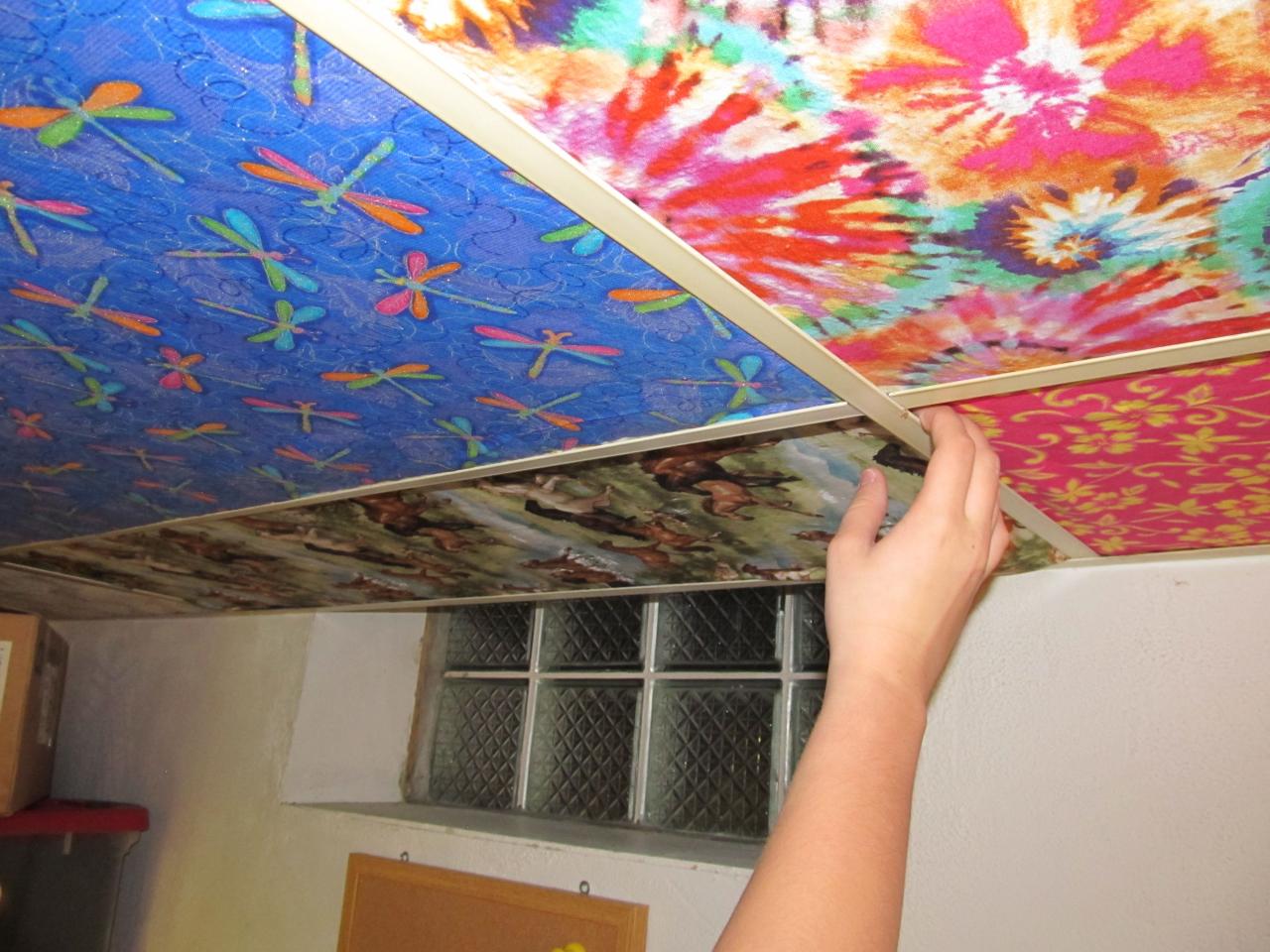
Using texture in DIY ceiling designs is a fantastic way to infuse character and depth into any room. Textured ceilings can transform a flat expanse into a visually engaging feature that draws the eye upward, creating an illusion of higher ceilings and adding a layer of sophistication. Various textured options not only enhance the aesthetics of your space but also can be tailored to your personal style and the overall theme of your home.One popular way to achieve texture is through coffered ceilings, which consist of a grid of beams that create recessed panels.
This design not only adds dimension but also exudes elegance, making it ideal for dining rooms or living areas. Beadboard ceilings, characterized by their narrow, vertical planks, provide a charming, rustic feel that works well in cozy settings like kitchens or porches. For a more vintage look, tin tiles can be used; they offer intricate patterns and a reflective surface that enhances light in the room.
Each of these options presents its unique flair and can significantly alter the atmosphere of a space.
Textured Ceiling Options
When considering the application of texture on ceilings, it is essential to understand the various options available. Here are three textured ceiling styles, their characteristics, and how they can elevate your interior design:
- Coffered Ceilings: This style utilizes a grid of wooden beams to form recessed panels, providing depth and an upscale appearance. Ideal for large rooms, coffered ceilings can enhance acoustics while adding visual interest.
- Beadboard Ceilings: Featuring narrow strips of wood, beadboard ceilings are a great way to add a cozy, farmhouse feel. They can be painted or stained to match the room’s decor and are particularly suitable for casual spaces.
- Tin Tiles: Tin ceiling tiles offer a vintage aesthetic with their intricate patterns and metallic finishes. They can be applied over drywall or plaster, reflecting light and enhancing the room’s luminosity.
Tools and Techniques for Creating Textured Ceilings
Creating textured ceilings involves specific tools and techniques that ensure a clean and professional finish. To start, the essential tools include a level, measuring tape, saw, and a nail gun or adhesive for securing materials. For installing coffered ceilings, a miter saw is useful for cutting beams at angles, while beadboard ceilings may require a jigsaw for precise cuts around fixtures.For tin tiles, a straightedge and tin snips are important to achieve clean lines.
The application technique varies based on the type of texture chosen. For example, coffered ceilings may require a layout plan to determine the spacing and size of beams, while beadboard involves aligning panels systematically for a seamless look. Proper surface preparation is critical—ensuring the ceiling is clean, dry, and smooth will enhance the final outcome.
Maintenance of Textured Ceilings
Maintaining the texture of your ceiling is vital for both its longevity and aesthetic appeal. Regular cleaning is essential; a soft cloth or vacuum attachment can help remove dust and debris without damaging the texture. For painted textures, periodic touch-ups may be necessary to keep the colors vibrant.In the case of tin tiles, using a mild soap solution will help prevent tarnishing, while coffered and beadboard ceilings may benefit from a fresh coat of paint every few years to maintain their appearance.
Additionally, be mindful of moisture levels in the room, as excessive humidity can lead to deterioration, particularly in wood-based textures. By implementing these maintenance practices, you can ensure your textured ceiling remains a stunning focal point for years to come.
Illustrate the importance of lighting in DIY ceiling projects and its influence on ambiance.
Lighting plays a crucial role in defining the overall aesthetic and functionality of any space, making it an essential consideration in DIY ceiling projects. The right lighting not only enhances the design elements of a ceiling but also sets the mood and atmosphere of a room. Whether you’re looking to create a cozy retreat or an energetic workspace, the choice of lighting can significantly impact how a space feels and functions.The integration of lighting solutions into ceiling designs can transform ordinary spaces into extraordinary environments.
Various types of lighting offer unique advantages and effects that can complement different styles and purposes. The following sections will explore various lighting solutions, discuss how different types of lighting can shift the perception of ceilings, and compare the benefits of LED versus traditional lighting options for ceiling installations.
Lighting Solutions for Ceiling Designs
Effective lighting solutions can elevate the design of your ceiling while enhancing the ambiance of the room. Here are several options that can be seamlessly integrated into your ceiling projects:
- Recessed Lighting: These fixtures are installed directly into the ceiling, providing a clean, streamlined look. They can be used to wash walls with light, create a subtle glow, or highlight architectural features.
- Pendant Lights: Hanging from the ceiling, pendant lights serve as statement pieces that can draw the eye, making them perfect for dining areas or kitchen islands. They come in various styles, from modern to vintage, allowing for personal expression.
- Chandeliers: Ideal for formal settings, chandeliers add elegance and drama to a room. They work well in dining rooms, entryways, and living spaces, creating a focal point that enhances the overall decor.
- Track Lighting: Adjustable and versatile, track lighting allows you to direct light where it’s needed most. This type of lighting is particularly useful in spaces where flexibility is key, such as art galleries or home offices.
- LED Strip Lights: These flexible light strips can be installed along the perimeter of the ceiling or in coves, providing indirect lighting that adds warmth and depth. They are great for creating a modern, ambient glow.
When selecting lighting solutions, it’s essential to consider how each type can influence the perception of height, space, and overall aesthetics of your ceilings.
Transformative Effects of Different Lighting Types
Different lighting types can dramatically alter the appearance and feel of ceilings. Here’s how specific lighting options can contribute to a room’s atmosphere:
- Recessed Lighting: Creates a clean, unobtrusive look. It makes ceilings appear higher and provides a uniform distribution of light, making spaces feel more expansive.
- Pendant Lights: Act as decorative elements that can enhance the character of a room. They draw attention and can dictate the style of the space, making them a focal point.
- Chandeliers: They not only illuminate but also serve as artistic centerpieces, adding glamour to a room while providing ample lighting for gatherings.
- Track Lighting: It offers versatility, allowing for targeted lighting on specific areas or objects, which can highlight artwork or architectural details.
- LED Strip Lights: Provide a modern touch and allow for creative designs, such as color-changing options that can set the mood for various occasions.
Lighting significantly affects how we perceive spaces; strategic placement and selection can enhance textures, colors, and the overall design of a ceiling.
LED versus Traditional Lighting Options
When considering lighting for ceiling installations, comparing LED and traditional lighting options reveals critical distinctions that can influence your decisions.
- Energy Efficiency: LED lights consume significantly less energy compared to traditional incandescent bulbs, making them a more environmentally friendly choice.
- Longevity: LEDs have a longer lifespan, often lasting up to 25,000 hours or more, while traditional bulbs typically need replacement every 1,000 hours.
- Heat Emission: LEDs emit very little heat, reducing the risk of overheating and making them safer for use in enclosed spaces.
- Brightness and Color Options: LED technology offers a range of brightness levels and color temperatures, allowing for more customization in creating desired ambiances.
- Initial Cost: While the upfront cost of LED fixtures may be higher, the long-term savings on energy bills often outweigh this initial investment.
In conclusion, the choice between LED and traditional lighting can significantly impact the effectiveness and sustainability of your ceiling design. Understanding the advantages of each can help in making informed decisions that enhance both functionality and aesthetic appeal.
Create a guide for incorporating ceiling fans into DIY ceiling designs for functionality and style.
Incorporating ceiling fans into your DIY ceiling designs not only adds a stylish touch but also enhances the overall functionality of your space. Ceiling fans are a practical choice, providing airflow that can help regulate temperature, reduce energy costs, and add to the aesthetic appeal of the room. This guide will detail the benefits of ceiling fans, the steps to install them safely, and tips for selecting designs that harmonize with your ceiling’s style.
Benefits of Ceiling Fans in Home Design and Airflow
Ceiling fans offer several advantages that contribute to improved home comfort and energy efficiency. Firstly, they create a cooling breeze, which can make a space feel significantly cooler on warm days. This can lead to reduced reliance on air conditioning, ultimately lowering energy bills. In colder months, reversing the fan direction helps circulate warm air that rises to the ceiling, promoting a more even distribution of heat throughout the room.
Additionally, ceiling fans come in a variety of styles, making them a versatile design element. They can complement various interior design themes, from contemporary to rustic, and can serve as a focal point in the room.
Steps to Install a Ceiling Fan with Safety Precautions
Installing a ceiling fan can be a rewarding DIY project. To ensure a successful installation, follow these detailed steps and keep safety in mind:
1. Turn Off Power
Always switch off the circuit breaker that powers the existing ceiling light fixture to avoid electric shock.
2. Remove Existing Fixture
Carefully take down the old light fixture, making sure to disconnect the electrical wiring.
3. Install Mounting Bracket
Secure the mounting bracket provided with your ceiling fan to the ceiling box, ensuring it is tightly fastened.
4. Connect Wiring
Attach the fan’s wires to the ceiling’s electrical wiring by matching the colors: black to black, white to white, and green or copper to the ground wire. Use wire nuts for secure connections.
5. Attach the Fan Blades
Follow the manufacturer’s instructions to attach the fan blades to the motor. Ensure they are evenly spaced for optimal performance.
6. Install Fan Body
Lift the fan body onto the mounting bracket and secure it according to the provided guidelines.
7. Turn On Power
Once everything is securely installed, restore power at the circuit breaker and test the fan to ensure it operates correctly. Safety Precautions:
- Always use a sturdy ladder or step stool when working at height.
- Wear safety goggles to protect your eyes from debris.
- Ensure the electrical box can support the weight of the ceiling fan to prevent accidents.
Aesthetic Tips for Choosing Ceiling Fans
Selecting the right ceiling fan that complements your ceiling design is crucial for achieving a cohesive look. Here are some aesthetic tips to consider:
Match Design Styles
Choose a fan that reflects the existing decor. For example, a vintage wooden fan can enhance a rustic or farmhouse-style ceiling.
Consider Scale
The size of the ceiling fan should be proportional to the room. A larger fan works well in spacious rooms, while smaller fans are better suited for compact spaces.
Choose Finishes
Select finishes such as polished nickel, matte black, or antique brass to match other fixtures in the room. For instance, a matte black fan may work beautifully in a modern industrial setting.
Lighting Options
Some ceiling fans come with integrated lighting. Ensure that the style of the light fixture aligns with other lighting elements in the room.
Blade Shape and Design
The shape of the blades can influence the overall aesthetic. Wider blades may lend a more traditional feel, while sleek, narrow blades can contribute to a contemporary look.By integrating these guidelines into your ceiling design project, you can effectively enjoy the functional benefits of ceiling fans while enhancing the visual appeal of your space.
Demonstrate how to use wallpaper and decals to enhance ceiling aesthetics in budget-friendly ways.
Transforming your ceiling with wallpaper and decals is a creative and cost-effective way to elevate the ambiance of your space. These materials offer an extensive range of patterns and textures, allowing you to personalize your environment without breaking the bank. Whether you aim for a bold statement or a subtle enhancement, wallpaper and decals can make a significant impact.Before diving into the application process, it’s essential to gather the necessary materials.
Having everything on hand will streamline your project and ensure a smoother application.
Materials necessary for applying wallpaper or decals to ceilings
To successfully apply wallpaper or decals to your ceiling, the following materials are essential:
- Wallpaper or decals of your choice
- Adhesive (if not pre-pasted)
- Utility knife or scissors
- Measuring tape
- Level or straight edge
- Paint roller or brush (for applying adhesive)
- Smoothing tool or wallpaper brush
- Drop cloths to protect floors
- Step ladder for reaching higher areas
- Cleaning solution for surface preparation
Proper preparation is critical to achieving a flawless finish. Before applying any wallpaper or decals, ensure the ceiling surface is clean, smooth, and dry. Remove any dust, dirt, or grease, and repair any imperfections in the ceiling with a suitable filler. This will help the adhesive bond better and enhance the overall appearance.
Preparation and application process
The preparation and application process for wallpaper and decals on ceilings is straightforward but requires attention to detail. Begin by measuring the dimensions of your ceiling to determine the amount of wallpaper or decals needed. With your measurements taken, follow these steps:
1. Cut the Wallpaper/Decals
Cut the wallpaper or decals into manageable strips based on your measurements, ensuring to leave a little extra at the edges for trimming.
2. Apply Adhesive
If using non-pasted wallpaper, apply a thin, even layer of adhesive to the back of each strip using a paint roller or brush. For decals, ensure the backing is removed before placement.
3. Positioning
Start at one corner of the ceiling and press the wallpaper or decal onto the surface. Use a level or straight edge to ensure it is straight. If working with a large strip, it may be helpful to have an assistant to hold one end in place.
4. Smooth Out Air Bubbles
Using a smoothing tool or wallpaper brush, gently push out any air bubbles from the center towards the edges. This will help ensure a smooth, professional finish.
5. Trim Excess
Once the entire strip is applied, use a utility knife to trim the excess along the edges for a clean look.
6. Repeat
Continue applying the remaining strips or decals, ensuring each piece aligns perfectly with the previous one.As you decorate your ceiling, consider the various patterns and designs that can bring your vision to life.
Creative ideas on patterns and designs for ceilings
Choosing the right patterns and designs for your ceiling can transform the space considerably. Here are some creative ideas to inspire your ceiling makeover:
Geometric Patterns
Bold geometric designs can create a modern look. Opt for contrasting colors to enhance visual interest.
Nature-Inspired Designs
Floral or botanical decals can bring the outdoors in, creating a calming atmosphere.
Stripes or Chevron
Vertical stripes can make a room feel taller, while chevron patterns add a dynamic twist to the ceiling aesthetic.
Starry Night
Use glow-in-the-dark decals to create a starry night effect, perfect for bedrooms or children’s rooms.
Textured Wallpaper
Consider textured wallpaper that mimics wood, brick, or plaster for added depth and character.
Murals
Large-scale murals can be a stunning focal point. Choose a serene landscape or a vibrant abstract design to captivate attention.Implementing these ideas will not only enhance the aesthetics of your ceiling but also reflect your unique style and personality.
Environmental Considerations in Selecting Materials for DIY Ceiling Projects
When embarking on DIY ceiling projects, it’s essential to consider not just aesthetics and functionality but also the environmental impact of the materials chosen. Sustainable practices in home improvement can significantly reduce carbon footprints, promote healthier living spaces, and contribute to the overall well-being of the planet. Here’s a deeper look into eco-friendly material options and practices that can enhance your ceiling projects.
Sustainable Material Options for Ceilings
Choosing sustainable materials for ceilings not only benefits the environment but often results in healthier indoor air quality and energy efficiency. Here are some materials that stand out for their eco-friendly properties:
- Bamboo: An incredibly fast-growing grass, bamboo is a sustainable choice that can be used for ceiling panels. It is durable, lightweight, and brings a natural aesthetic to any space.
- Reclaimed Wood: Using reclaimed wood prevents deforestation and reduces waste. Each piece carries a unique history, adding character to your ceiling.
- Cork: Harvested from the bark of cork oak trees, this material is renewable and biodegradable. Cork also provides excellent insulation and sound absorption.
- Gypsum Board: Made from natural minerals, gypsum boards can be sourced sustainably and are recyclable. They also provide fire resistance and good sound insulation.
- Mineral Fiber Tiles: Often made from recycled materials, these tiles are beneficial for sound absorption and can significantly reduce noise levels in a room.
Recycling and Reusing Materials in Ceiling Designs
Incorporating recycled and reused materials into ceiling designs not only minimizes waste but also creates unique, personalized spaces. Here are some effective practices that can be utilized:
- Repurposing Old Ceiling Tiles: If you have old ceiling tiles or panels, consider repainting or reconfiguring them for a new look instead of discarding them.
- Using Scraps from Other Projects: Leftover materials from flooring or wall projects can often be transformed into ceiling elements, such as beams or decorative trims.
- Upcycling Pallets: Wooden pallets can be disassembled and used to create rustic ceiling features. This adds texture and charm while keeping waste out of landfills.
- Incorporating Salvaged Items: Items like old shutters or doors can be used creatively as decorative ceiling elements, providing a vintage vibe.
Examples of Eco-Friendly DIY Ceiling Projects That Reduce Waste
There are various DIY ceiling projects that emphasize sustainability and waste reduction. Here are some noteworthy examples:
- Bamboo Ceiling Planks: Install bamboo planks for a stunning, natural ceiling that is sustainable and stylish.
- Reclaimed Wood Beams: Create a rustic ceiling look with reclaimed wood beams, adding character while championing sustainability.
- Fabric Canopy: Use repurposed fabric to create a soft, inviting ceiling treatment that is light and airy, perfect for bedrooms or playrooms.
- Painted Acoustic Tiles: Transform old acoustic ceiling tiles with eco-friendly paint to give them a new life, improving both aesthetics and sound quality.
- Succulent Ceiling Garden: Incorporate small plants into a ceiling design using recycled materials as planters, promoting indoor air quality and adding a lush feel.
Share insights into the historical evolution of ceiling designs and their relevance today.
The journey of ceiling designs reflects the broader currents of architectural styles and societal changes. Over centuries, ceilings have transformed from functional elements to artistic expressions, showcasing cultural significance and innovative craftsmanship. Understanding these historical styles provides valuable insights that can inspire modern DIY projects, allowing homeowners to incorporate timeless beauty into contemporary spaces.
Iconic ceiling styles through history
Various ceiling styles have emerged over different historical periods, each telling a unique story of design evolution. Here are three iconic styles that have left a lasting impact:
- Coffered Ceilings: Originating in ancient Rome, coffered ceilings feature recessed panels that create a grid-like pattern. This style not only adds depth but also enhances acoustics within a room. Modern DIY enthusiasts can recreate this look using lightweight materials like foam or plywood, allowing for easier installation while maintaining the dramatic effect.
- Barrel Vaulted Ceilings: Flourishing during the Gothic period, barrel vaulted ceilings are characterized by their rounded arches that extend in a continuous curve. This architectural design was used in cathedrals and grand halls, symbolizing grandeur and elegance. Today, people can achieve a similar effect with painted curves or wallpaper, bringing a touch of historical charm to their homes.
- Tray Ceilings: Emerging in the 18th century, tray ceilings feature a recessed central panel that creates a layered look. This design became popular in colonial homes, reflecting sophistication and style. For modern DIY projects, using paint or decorative molding can easily replicate this feature, adding height and interest to a room.
Incorporating historical elements into modern DIY projects
Incorporating historical ceiling designs into contemporary home projects not only pays homage to the past but also creates unique and personalized spaces. By blending traditional elements with modern materials, DIY enthusiasts can achieve stunning results. For instance, coffered ceilings can be created with pre-made coffered panels available at home improvement stores, allowing for a quick installation. Similarly, barrel vaulted designs can be simulated with painted dome patterns on flat ceilings, offering a cost-effective way to introduce depth and interest.
Trends reviving old ceiling design concepts
The resurgence of vintage aesthetics in interior design has led to a revival of various historical ceiling concepts. Current trends leverage the elegance of past styles while embracing modern sensibilities. Key trends include:
- Textured Finishes: Textures such as plaster and stucco are making a comeback, reminiscent of Mediterranean and Spanish Revival styles, bringing warmth and character to interiors.
- Bold Colors: Designers are opting for bold, dark hues in ceiling treatments, shifting away from traditional white. This trend draws inspiration from the richly decorated ceilings of the Baroque era, creating a dramatic focal point in modern homes.
- LED Lighting Integration: Modern designs often incorporate lighting within architectural features like tray ceilings, merging functionality with artistry. This trend echoes the ornate candle-lit designs of the past, creating ambiance while enhancing visual appeal.
Final Review
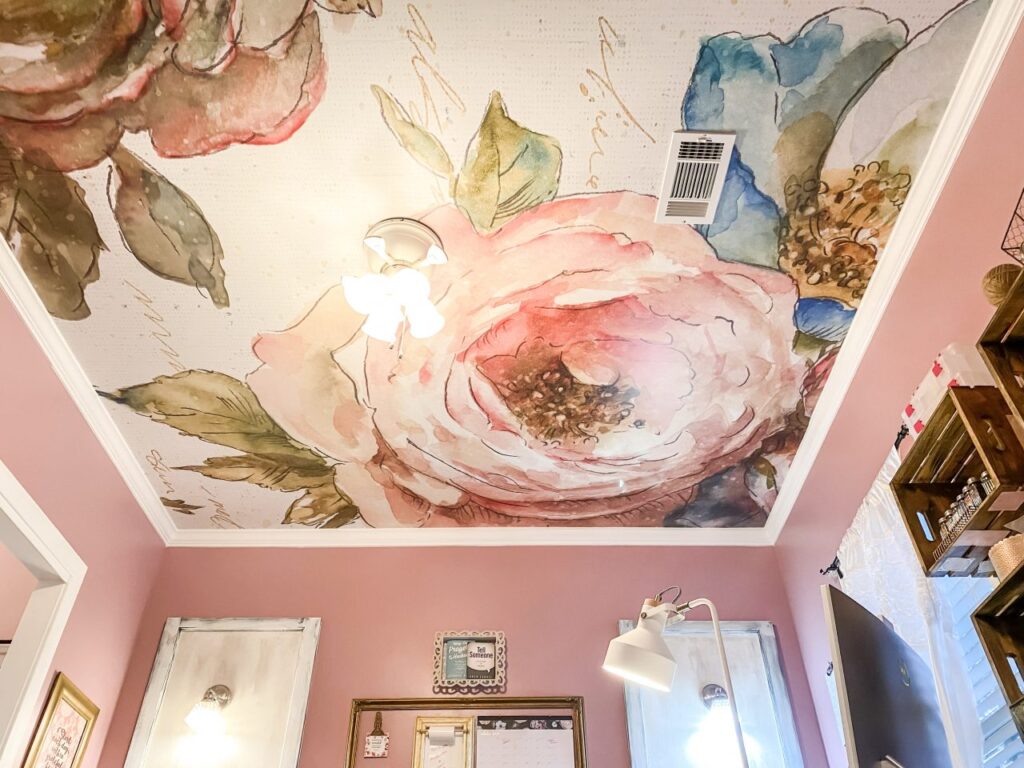
In conclusion, incorporating DIY ceiling ideas can not only enhance the visual appeal of your space but also reflect your personal style. By using the right materials, colors, and textures, you can create a ceiling that complements your home and leaves a lasting impression on anyone who enters.
Clarifying Questions
What are some budget-friendly DIY ceiling ideas?
Consider using wallpaper, decals, or painted patterns to add character without breaking the bank.
How do I choose the right color for my ceiling?
Think about the room’s size and lighting; lighter colors can make a small space feel larger, while darker shades add depth.
What tools do I need for a DIY ceiling project?
Basic tools include a ladder, paintbrushes, a roller, a measuring tape, and possibly a staple gun for applying materials.
Can I install a ceiling fan myself?
Yes, with the right tools and safety precautions, installing a ceiling fan can be a manageable DIY project.
What are some eco-friendly materials for ceilings?
Look for sustainable options like reclaimed wood, bamboo, or recycled metal tiles that are both stylish and environmentally friendly.