
 Tamara Smith
DIY minimalist decor invites you to embrace simplicity and tranquility in your living environment. By stripping away the clutter, minimalist design focuses on essentials, allowing your space to breathe and radiate calmness. Whether you’re a seasoned DIYer or just starting out, minimalism offers a fresh perspective on how to create beautiful yet functional spaces with a personal touch.
From understanding core principles to executing simple projects, the journey into DIY minimalist decor can transform your home into a serene haven. You’ll discover how color palettes, natural materials, and thoughtful organization play a crucial role in achieving a cohesive minimalist aesthetic. It’s a rewarding experience that promotes mindfulness and intentionality in how you live and decorate.
The Principles of Minimalism in Home Decor
Minimalism in home decor is a design philosophy that emphasizes simplicity, functionality, and a clutter-free environment. The core principles of minimalism revolve around the idea that less is more, advocating for a living space that is not overwhelmed by unnecessary items. By focusing on essential elements, minimalist decor can transform a home into a serene retreat that promotes relaxation and clarity.
This approach is not just about aesthetics; it encourages a lifestyle that values quality over quantity.At the heart of minimalist decor lies a commitment to creating spaces that evoke calmness and tranquility. By eliminating excess and maintaining a clean design, minimalism fosters a sense of peace within the home. The use of neutral color palettes, open spaces, and intentional placement of furniture and decor contributes to this atmosphere.
In a minimalist environment, every item serves a purpose, which can help reduce stress and distractions, making it easier to unwind at the end of a long day.
Common Elements of Minimalist Design
Several key features characterize minimalist design, each contributing to the overall aesthetic and functional goals of the style. Understanding these elements can guide anyone looking to embrace minimalism in their home decor.
- Neutral Color Schemes: Minimalist spaces often utilize a palette of whites, grays, and earth tones, creating a cohesive and calming environment. By avoiding bold or clashing colors, the focus shifts to the architecture and natural light of the space.
- Simple Lines and Shapes: Furniture and decor are typically characterized by clean lines and geometric shapes. This simplicity adds elegance while ensuring that each piece enhances the overall design without being overpowering.
- Functionality: Every item in a minimalist home is chosen for its utility. Multi-functional furniture, such as a coffee table that doubles as storage, exemplifies this principle, maximizing space without sacrificing style.
- Natural Light: Large windows and open layouts are common in minimalist design, allowing natural light to flood the space. This creates an inviting atmosphere while highlighting the beauty of simplicity.
- Decluttered Spaces: The absence of unnecessary decor items is a hallmark of minimalism. Surfaces should be kept clear, with only a few thoughtfully chosen accessories or artwork to maintain visual interest.
“Simplicity is the ultimate sophistication.” This quote encapsulates the essence of minimalist decor, emphasizing that a refined aesthetic does not require excessive embellishment.
Essential DIY Projects for Achieving Minimalist Decor
Creating a minimalist decor isn’t just about reducing clutter; it’s also about making intentional choices that create a peaceful and harmonious environment. DIY projects can transform your space into a minimalist haven without breaking the bank. Here are a couple of essential projects that can help you achieve that serene aesthetic that characterizes minimalist design.
Creating Minimalist Wall Art
Minimalist wall art can dramatically change the vibe of a room, offering a clean and simple look that draws attention without overwhelming the senses. Here’s a simple step-by-step guide to creating your own unique pieces:
1. Gather Materials
You’ll need a canvas or a few sheets of high-quality paper, acrylic paints (in neutral tones or monochromatic colors), painter’s tape, a few brushes, and a palette for mixing colors.
2. Choose a Design
Minimalist art often features geometric shapes or simple lines. Decide if you want to create abstract shapes, stripes, or even a monochrome color wash.
3. Prepare Your Canvas
If using a canvas, ensure it’s primed and ready for paint. If you’re working on paper, tape it down to a flat surface to prevent it from curling.
4. Tape for Clean Lines
Use painter’s tape to Artikel your design. The tape will help you create crisp edges, which are essential in minimalist art.
5. Start Painting
Apply your first layer of paint. Keep your brush strokes minimal and purposeful. Allow the paint to dry completely before applying additional layers or colors.
6. Remove the Tape
Once the final coat is dry, gently remove the tape to reveal clean lines.
7. Display Your Artwork
Choose simple frames or hang your pieces as is to maintain a minimalist feel. Group smaller pieces together on a wall for added interest without clutter.
Repurposing Old Furniture into Minimalist Pieces
Repurposing old furniture is not only eco-friendly but also a great way to achieve a minimalist aesthetic on a budget. Here’s how to transform dated pieces into sleek, modern furnishings:
1. Select Your Furniture
Choose items that have a sturdy structure, like an old dresser, chair, or table. Look for pieces with simple Artikels or those that can be easily modified.
2. Disassemble if Necessary
For certain projects, it may be beneficial to take apart components of the furniture. For example, removing unnecessary drawers from a dresser can create a more streamlined look.
3. Sanding and Preparation
Sand down surfaces to remove old paint or varnish, giving your furniture a fresh start. This step is crucial as it ensures better paint adhesion and a smooth finish.
4. Paint or Stain
Opt for neutral colors such as whites, grays, or natural wood tones. A single coat of matte paint can instantly modernize a piece. For a wooden item, a clear coat of stain can enhance its natural beauty without overwhelming its simplicity.
5. Add Minimal Hardware
If the furniture requires knobs or handles, choose simple, sleek options that match your minimal aesthetic.
6. Reassemble and Style
Once your furniture is painted and dried, put it back together. Style it with just a few decorative items—a small plant or a single book can highlight its simplicity.
7. Position Strategically
Place your revamped furniture in a way that enhances flow and openness in your space, ensuring it aligns with the minimalist principle of functionality.By engaging in these DIY projects, you can effectively create a minimalist aesthetic that reflects your personal style while maintaining a serene and uncluttered environment. Each piece you create not only serves a purpose but also becomes a conversation starter, perfectly embodying the essence of minimalism.
Color Palettes that Enhance Minimalist Spaces
Choosing the right color palette is crucial in minimalist decor as it significantly influences the overall atmosphere and functionality of a space. Minimalism is about simplicity and uncluttered aesthetics, where color plays a pivotal role in achieving a sense of calm and order. The right colors can make a room feel inviting and spacious, while poor choices can create visual chaos or discomfort.
Neutral tones often form the baseline of minimalist design, offering a serene backdrop that allows furniture and decor pieces to shine without overwhelming the senses.Neutral tones such as whites, grays, and beiges are fundamental in minimalist interiors. These colors not only promote tranquility but also enhance natural light, making spaces feel larger and more open. However, the strategic use of bold accents can elevate minimalist designs, adding character and visual interest without compromising the essential simplicity.
The key lies in balance; using too many vibrant colors can detract from the minimalist ethos, whereas thoughtful pops of color can enliven a space, draw the eye, and create focal points.
Effective Color Combinations in Minimalist Design
When curating a minimalist color palette, it’s essential to consider combinations that harmonize well while remaining understated. Here are some effective color schemes that exemplify the beauty of minimalism:
- White and Soft Gray: This combination fosters a clean and airy atmosphere. The subtle contrast between white and soft gray provides dimension without competing for attention.
- Beige and Blush: These warm neutrals create a cozy yet sophisticated environment. The blush acts as a gentle accent that adds warmth and depth.
- Charcoal and Light Wood Tones: The richness of charcoal contrasts beautifully with the lightness of natural wood, grounding a space while maintaining an overall light feel.
- Black and White with a Splash of Bold Color: The timeless interplay of black and white can be invigorated by a bold accent, such as teal or mustard yellow. This approach maintains simplicity while introducing vibrancy.
Each of these combinations can be adapted to different aspects of a space—from walls and furniture to decorative elements and textiles. Incorporating these palettes thoughtfully helps create a cohesive look that embodies the minimalist philosophy.
“Less is more; the beauty of minimalism lies in refined simplicity and deliberate choices.”
Organizing and Decluttering for Minimalist Living
Achieving a minimalist lifestyle often begins with effective organizing and decluttering. It’s not just about removing items; it’s about creating a space that reflects simplicity and purpose. Making intentional choices about what to keep can greatly enhance your living environment and mental clarity. Here, we’ll delve into specific techniques that promote a minimalist lifestyle, including the “one in, one out” rule, and provide checklists for organizing common spaces like closets and kitchens.
Effective Decluttering Techniques
To embrace minimalism, it is essential to employ effective decluttering techniques that align with your lifestyle. One technique is the “Four-Box Method,” where you categorize your belongings into four boxes labeled: Keep, Donate, Trash, and Relocate. This method encourages you to make quick decisions about each item and helps avoid the paralysis of choice.Another method is the “Marie Kondo” approach, which encourages you to assess each item’s contribution to your happiness.
Ask yourself, “Does this spark joy?” If not, it’s time to let it go. Additionally, the “30-Day Minimalism Game” can be a fun challenge where you remove one item on the first day, two items on the second, and so forth, until you reach 465 items by the end of the month. This technique gradually increases the decluttering process, making it manageable.Once you have decluttered, maintaining a minimalist lifestyle becomes crucial.
One effective way to do this is by implementing the “one in, one out” rule. This rule states that for every new item you bring into your space, you must remove one existing item. This practice helps keep clutter at bay and ensures that your belongings remain intentional and purposeful. It encourages mindfulness about purchases and prevents the accumulation of unnecessary items.
Organizing Spaces with Minimalism in Mind
Organizing your living space demands a thoughtful approach, especially in areas prone to clutter, like closets and kitchens. Below are some guidelines for maintaining a minimalist organization system in these spaces.For closets, consider the following checklist to ensure a streamlined approach:
- Sort clothes by category (e.g., tops, bottoms, outerwear).
- Evaluate each item based on wear frequency and emotional attachment.
- Use uniform hangers for a tidy appearance.
- Incorporate storage bins for seasonal items or accessories.
- Implement a rotation system for regularly worn items to keep essentials at the forefront.
In the kitchen, a systematic organization can enhance functionality and simplicity. Use the checklist below to streamline your kitchen:
- Clear out expired items from the pantry and refrigerator.
- Group similar items together (e.g., baking supplies, snacks, canned goods).
- Utilize drawer dividers to separate utensils and tools.
- Store kitchen gadgets that you use regularly within reach.
- Minimize dishes and cookware to essential items that serve multiple purposes.
By following these strategies, you can create organized, clutter-free spaces that encourage a minimalist lifestyle. Remember, the goal is not just to remove items but to create a serene environment that allows you to thrive.
The Role of Natural Materials in Minimalist Decor
In the realm of minimalist decor, the integration of natural materials serves as a fundamental aspect that enhances the overall aesthetic while promoting sustainability. The use of materials sourced from nature not only contributes to a serene and uncluttered environment but also fosters a deeper connection between the indoors and the natural world. This synergy is pivotal in minimalist design, where the emphasis is on simplicity and functionality without sacrificing beauty.Natural materials offer a multitude of benefits that align seamlessly with minimalist principles.
They introduce organic textures and colors into spaces, creating a sense of warmth and comfort often absent in synthetic alternatives. Additionally, these materials tend to be more sustainable, as they are biodegradable and have a lower environmental impact. The tactile qualities of wood, stone, and plants, for instance, enhance the sensory experience of a space, making it feel more inviting.
Furthermore, they often age beautifully, adding character over time while maintaining their minimalist appeal.
Types of Natural Materials in Minimalist Decor
When considering which natural materials to incorporate into a minimalist design, several options stand out for their aesthetic simplicity and versatility. The following materials are highly regarded for their alignment with minimalist aesthetics:
- Wood: Whether in furniture, flooring, or decorative accents, wood brings warmth and a timeless quality to any space. Light woods like birch or ash work well in minimalist settings.
- Stone: Natural stone, such as marble or slate, can be used for countertops, flooring, or decorative elements, providing a sense of permanence and stability.
- Textiles: Organic fabrics like linen or cotton in neutral tones can soften a minimalist space while maintaining a clean look. These textiles are breathable and often sustainable.
- Plants: Incorporating greenery not only adds life to a minimalist design but also purifies the air. Simple plant arrangements keep the decor fresh and vibrant.
- Rattan and Bamboo: These materials are perfect for furniture and decorative items, bringing an earthy tone that complements the minimalist ethos.
Incorporating these natural materials into DIY projects can be both rewarding and straightforward. For example, using reclaimed wood to build shelving or furniture pieces aligns with sustainable practices while instilling character into the home. Creating simple plant stands or wall hangings from twine and natural fibers can enhance a space’s organic feel. Utilizing stone tiles in a DIY project for a kitchen backsplash can elevate the area with texture and color.
Furthermore, combining various natural elements—like a wood table paired with stone coasters and linen napkins—can create a cohesive, minimalist design that remains inviting and functional.
Lighting Strategies for Minimalist Spaces
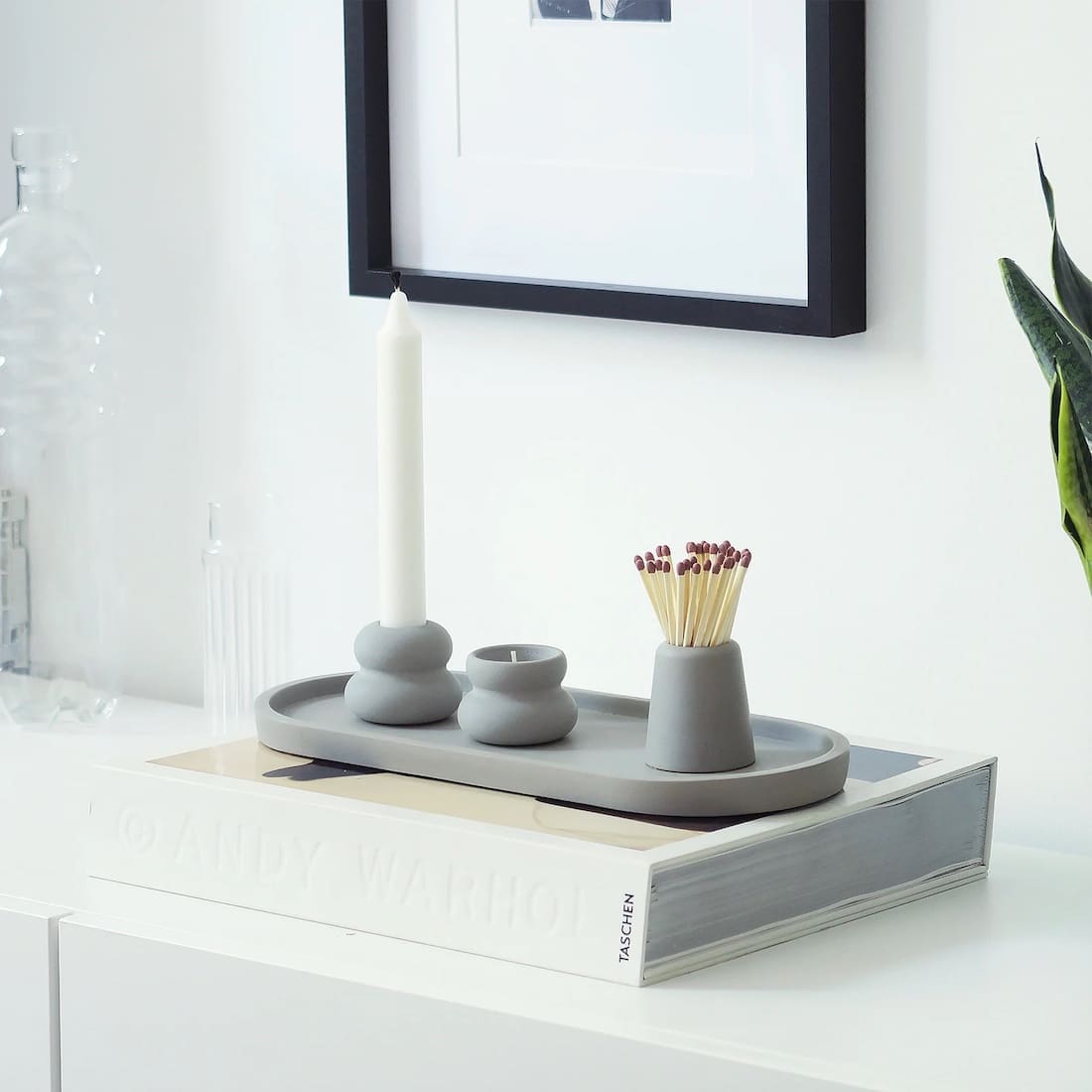
In a minimalist decor setting, lighting plays a pivotal role in enhancing the aesthetic and functional qualities of the space. The right lighting not only illuminates a room but also contributes to the overall atmosphere, making it essential for achieving the serene and uncluttered vibe characteristic of minimalist design. Properly designed lighting can draw attention to key features, create focal points, and enhance the spaciousness of a room, all while maintaining a clean and simple look.Effective lighting in minimalist spaces emphasizes clarity and openness.
Natural light is invaluable, as it fosters a sense of connection with the outdoors while reducing the need for excessive artificial light sources. However, when artificial lighting is necessary, selecting the right fixtures becomes crucial. Minimalist decor often prioritizes simplicity and functionality, so the lighting fixtures should align with these principles. The use of sleek, unobtrusive designs complements the clean lines and subtle color palettes typically found in minimalist interiors.
Types of Lighting Fixtures for Minimalist Decor
When choosing lighting fixtures for a minimalist space, there are several categories that stand out. Each type serves a unique function while adhering to minimalist aesthetics. Here are some popular options:
- Recessed Lighting: These fixtures are installed into the ceiling, providing a clean look and reducing visual clutter. They are ideal for creating ambient lighting without drawing attention to the fixtures themselves.
- Pendant Lights: Simple and elegant pendant lights can serve as statement pieces. Opt for designs with clean lines and neutral colors that blend with the decor while providing focused illumination.
- Floor Lamps: A minimalist floor lamp can be both functional and stylish. Look for designs that are slim and tall, providing light without overwhelming the space.
- Wall Sconces: These fixtures can add a touch of sophistication while keeping surfaces clear. Choose sconces that feature geometric shapes or simple designs to maintain the minimalist theme.
To enhance natural light in a minimalist home, consider the following strategies that encourage brightness and openness:
- Use Sheer Window Treatments: Light, airy curtains allow for maximum light penetration while maintaining privacy. They soften harsh sunlight without blocking it entirely.
- Strategic Mirror Placement: Placing mirrors opposite windows can reflect natural light throughout the room, creating an illusion of depth and spaciousness.
- Keep Windows Unobstructed: Avoid heavy landscaping or large furniture near windows that can impede light flow. Clear sightlines enhance the natural brightness of a room.
- Light-Colored Walls and Surfaces: Opt for whites or soft neutrals on walls and furnishings. These colors reflect light, making spaces feel larger and more inviting.
Lighting is not just about visibility; it’s about creating an atmosphere that harmonizes with minimalist ideals of simplicity and tranquility.
Incorporating Greenery into Minimalist Decor
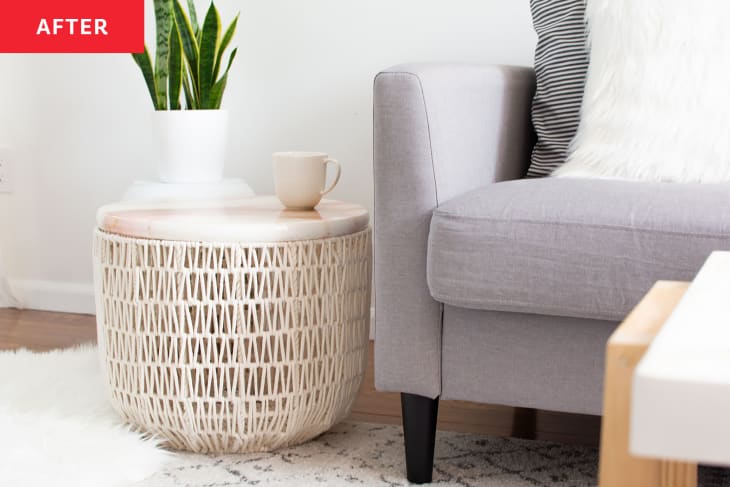
Integrating plants into minimalist decor not only enhances the aesthetic appeal of a space but also promotes a sense of calm and connection with nature. Minimalism, characterized by simplicity and functionality, can greatly benefit from the inclusion of greenery, which adds life and warmth without cluttering the visual space. The right selection and arrangement of plants can create a harmonious balance between the structured lines of minimalist design and the organic shapes of nature.Plants are quintessential elements that can soften sharp edges and create focal points in an otherwise stark environment.
By choosing the right types of plants, you can maintain the minimalist ethos while enjoying the benefits of greenery. When selecting plants for a minimalist setting, it’s important to consider those that require low maintenance and can thrive in various lighting conditions.
Best Plants for Minimalist Environments
Certain plants stand out as ideal companions for minimalist decor due to their simplicity and striking forms. Here are a few options that blend effortlessly into minimalist spaces:
- Snake Plant (Sansevieria): With its upright, sword-like leaves, the snake plant is not only visually striking but also known for its air-purifying qualities. It thrives in low light and requires minimal watering.
- Pothos (Epipremnum aureum): This vine is perfect for hanging arrangements or trailing from shelves. Its heart-shaped leaves bring a touch of softness, and it’s very forgiving when it comes to care.
- ZZ Plant (Zamioculcas zamiifolia): Renowned for its glossy leaves and resilience, the ZZ plant can thrive in low light and requires little water, making it an excellent choice for busy individuals.
- Rubber Plant (Ficus elastica): With its broad, dark green leaves, the rubber plant adds a bold touch to any room while being relatively easy to care for.
- Succulents: A variety of succulents can easily fit into a minimalist aesthetic due to their unique forms and low water needs, making them ideal for small spaces.
A thoughtful arrangement of plants can significantly enhance the minimalist look. Use simple, clean-lined pots that complement the decor rather than distract from it. Grouping plants in odd numbers or varying heights can create visual interest while adhering to minimalist principles. For example, a tall snake plant placed next to a low-maintenance succulent can create a layered effect that draws the eye without appearing cluttered.
“Plants are powerful design elements that can breathe life into any minimalist space, offering both aesthetic and psychological benefits.”
Incorporating greenery into minimalist decor is about selection, arrangement, and maintaining a focus on simplicity. When done thoughtfully, plants can transform your space into a serene, inviting oasis that embraces the essence of minimalism.
Challenges of Maintaining Minimalist Decor
Maintaining a minimalist decor can be rewarding, yet it also presents several challenges that can test one’s commitment to simplicity. The allure of a clean, uncluttered space often clashes with the realities of everyday life, leading to potential obstacles that must be navigated with care. Understanding these challenges and knowing how to overcome them can help individuals sustain their minimalist aesthetic while enjoying a harmonious living environment.One of the most significant challenges faced when embracing minimalist decor is the emotional attachment to items.
Many people accumulate belongings over the years that hold sentimental value, making it difficult to part with them, even if they no longer serve a purpose. This attachment can result in clutter that undermines the minimalist aesthetic. Another challenge is the tendency for items to accumulate due to lifestyle changes, such as moving in with a partner or welcoming children into the home.
Strategies for Overcoming Challenges
To effectively maintain a minimalist decor, implementing strategies to address emotional attachments and lifestyle changes is essential. Here are some methods to consider:
- Emotional detachment: Identify items that evoke strong sentimental feelings and assess their true value in your life. Consider taking photos of these items to preserve memories while allowing yourself to let go of the physical object.
- One-in-one-out rule: When adding a new item, commit to removing one from your space. This practice helps control clutter and encourages mindful shopping.
- Regular decluttering sessions: Schedule time monthly or seasonally to evaluate your belongings. This proactive approach prevents accumulation and allows for adjustments in your decor style related to life changes.
- Mindful acquisitions: Before purchasing new items, ask yourself if they align with your minimalist goals. Prioritize quality over quantity and choose items that serve multiple functions.
“Minimalism is not about having less, but about making room for more of what matters.”
Dealing with emotional attachments in a minimalist context can be challenging, but reframing your perspective can help. Remember, letting go does not diminish the memory associated with the item. By focusing on the experiences and emotions tied to the memory, one can find peace in releasing the physical object. Embrace the concept of living with less to create space for new experiences and memories to flourish.
Ending Remarks
In summary, DIY minimalist decor not only enhances the beauty of your space but also cultivates a lifestyle focused on clarity and peace. By incorporating the principles of minimalism, engaging in creative projects, and thoughtfully choosing elements like color and materials, you can achieve a home that reflects your values and personality. Embrace the journey of minimalism, and enjoy the simplicity it brings to your everyday life.
FAQ Overview
What are the key benefits of minimalist decor?
Minimalist decor creates a calming environment, reduces stress, and promotes an organized living space.
Can I still have color in a minimalist space?
Absolutely! Using neutral tones with occasional bold accents can enhance the minimalist aesthetic without overwhelming it.
How do I start decluttering for minimalism?
Begin by assessing your belongings and applying the “one in, one out” rule to maintain balance.
Are there specific plants that suit minimalist decor?
Yes, plants like succulents and snake plants are perfect due to their low-maintenance nature and sleek appearance.
What should I do with sentimental items?
Consider taking photos of them or keeping just one or two that hold the most meaning for you.