
 Tamara Smith
DIY storage ideas are not just about finding a place for your things; they represent a creative challenge that invites you to rethink your space. As we navigate through the clutter of daily life, innovative storage solutions can transform even the tiniest of areas into functional havens. This journey into maximizing every inch of your home will unveil practical strategies to declutter and organize, turning chaos into calm through imaginative DIY projects.
From maximizing vertical space to repurposing everyday items, the world of DIY storage offers endless possibilities. Whether you are dealing with a cramped apartment or simply seeking to create order within your home, these ideas will inspire you to think outside the box. We’ll explore unique ways to utilize multifunctional furniture, instruct you on how to craft stylish storage from items you already own, and motivate you to create spaces that not only serve a practical purpose but also reflect your personal style.
Innovative DIY storage ideas for small spaces require creative thinking.
When living in a small space, the challenge of storage often leads to innovative solutions that can maximize every nook and cranny. Creative thinking is essential in transforming underutilized areas into functional storage spots. This exploration of storage solutions focuses not only on maximizing vertical space but also on utilizing multifunctional furniture and the tools needed for custom builds.Maximizing vertical space is one of the best strategies for enhancing storage in small rooms.
By utilizing walls, you can free up valuable floor space while keeping your belongings organized and easily accessible. Vertical storage can include wall-mounted shelves, hanging organizers, or built-in cabinets that extend upward. Rather than allowing unused wall areas to go to waste, consider the following effective methods:
- Wall-Mounted Shelves: These can be installed at various heights and adjusted according to your needs. Floating shelves create a sleek look while providing essential storage for books, plants, or decorations.
- Over-the-Door Organizers: Perfect for small bathrooms or kitchens, these organizers can hold everything from toiletries to cleaning supplies. They make use of doors that would otherwise remain empty.
- Hanging Baskets: Secure baskets to the wall or ceiling to store items like fruits, craft supplies, or toys. This not only saves space but also adds a decorative element.
- Vertical Storage Racks: These are ideal for narrow spaces, such as between furniture or in closets, allowing you to store items vertically without consuming floor space.
Examples of multifunctional furniture
In small spaces, multifunctional furniture is a game changer. It serves more than one purpose, allowing for smarter use of limited space. Consider the following examples:
- Sofa Beds: A comfortable sofa that transforms into a bed for guests is perfect for studio apartments.
- Storage Ottomans: These versatile pieces can be used as seating, footrests, or coffee tables while providing hidden storage for blankets or magazines.
- Extendable Dining Tables: Ideal for small dining areas, these tables can be expanded when hosting guests and compacted when not in use.
Materials and tools for constructing custom shelves
Building custom shelves or cabinets is an excellent way to meet your storage needs while adapting to available space. Essential materials include plywood, brackets, screws, and wood glue. The following tools will help in the construction process:
- Drill: A power drill is necessary for creating holes and securing brackets and screws.
- Measuring Tape: Accurate measurements ensure that your shelves are built to fit perfectly.
- Saw: A circular saw or hand saw allows you to cut wood to the desired size effectively.
- Level: To ensure that shelves are installed straight, a level tool is essential.
The importance of repurposing everyday items for storage solutions can transform clutter into organization.
Repurposing everyday items for storage is not just a creative endeavor; it’s a sustainable approach that helps clear out clutter while breathing new life into items that may otherwise be discarded. By creatively reimagining common household objects, individuals can devise functional solutions that organize spaces and reflect personal style, all while promoting environmental responsibility.One fantastic way to repurpose is by transforming old wooden crates into stylish storage units.
These crates, often found at local markets or in basements, can be easily upcycled into storage solutions that are not only functional but also trendy. Here’s how to turn these rustic pieces into practical storage units:
Transforming Wooden Crates into Storage Units
The process of upcycling wooden crates begins with a bit of preparation. First, gather the necessary materials: old wooden crates, sandpaper or a sanding block, wood stain or paint, a paintbrush, and optional decorative hardware.
1. Cleaning and Sanding
Start by cleaning the crates to remove any dirt or debris. After cleaning, use sandpaper to smooth out rough edges and surfaces to prevent splinters. This step ensures that any paint or stain adheres properly.
2. Painting or Staining
Once the crates are smooth, decide on a finish. A wood stain will enhance the natural beauty of the wood, while paint can add a splash of color to your decor. Apply your chosen finish with a paintbrush, allowing adequate drying time between coats, if necessary.
3. Stacking and Arranging
After the crates are dry, think about how you want to use them. They can be stacked vertically as a bookshelf or used horizontally for a low, expansive storage unit. Ensure they are stable if stacking; using brackets can help secure them.
4. Adding Hardware
For an extra touch, consider adding decorative hardware such as handles or labels. This not only enhances the aesthetic but also makes it easier to access items.By utilizing upcycled materials like wooden crates, several benefits arise. For one, it reduces waste by extending the life of items that might otherwise end up in landfills. Furthermore, upcycling promotes creativity, encouraging individuals to think outside the box and personalize their storage solutions.
Using recycled materials also tends to be cost-effective. Instead of purchasing new furniture or storage solutions, which can be pricey, repurposing items allows for significant savings. This approach fosters a sense of accomplishment while providing unique, characterful items that can’t be found in traditional stores. In addition, these DIY storage solutions can enhance the overall aesthetic of a space, making it more inviting and functional.
The use of wooden crates, for example, can add a rustic charm to any room, blending seamlessly with various decor styles from modern to vintage.With a little creativity and effort, the transformation of everyday items into practical storage solutions illustrates how clutter can be transformed into organized spaces, making repurposing an essential practice in both home organization and sustainable living.
Seasonal DIY storage ideas can help maintain a clutter-free home throughout the year.
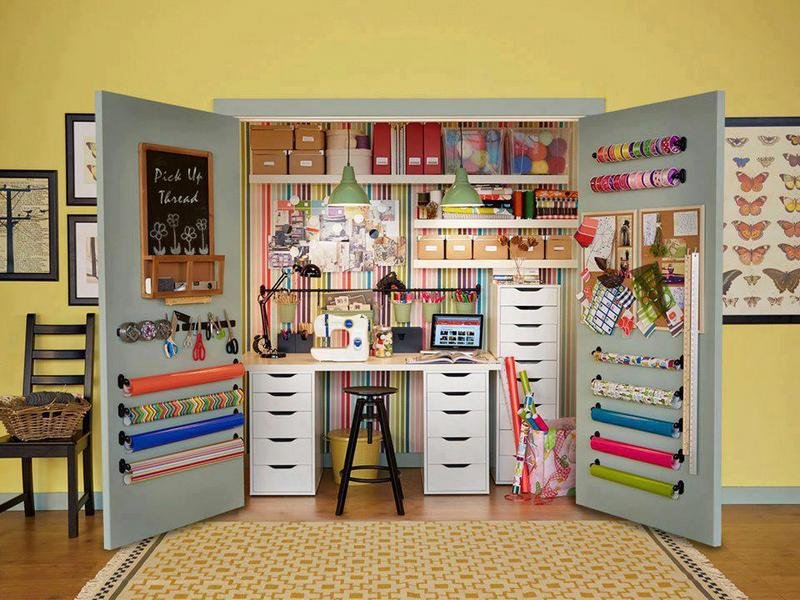
Seasonal DIY storage solutions serve an essential role in keeping your home organized, especially as different times of the year bring varying needs for clothing and decorations. Using dedicated bins for seasonal items not only helps in reducing clutter but also provides a structured way to access what you need when it’s time to change over your decor or wardrobe.
Here’s a detailed guide on creating seasonal storage bins and the significance of labeling and categorizing these items effectively.
Creating Seasonal Storage Bins for Clothing and Decorations
Organizing seasonal items effectively requires a systematic approach. Begin by selecting the right type of bins. Clear plastic bins are ideal as they allow you to see contents without opening them. You can also opt for decorative storage boxes that can blend with your home decor while being functional.
1. Gather Your Supplies
Clear plastic bins or decorative storage boxes
Labels or a label maker
Packing tape or permanent markers
Seasonal items to be stored (clothes, decorations, etc.)
2. Sort Your Items
Divide your clothing and decorations based on seasons. For instance, keep winter clothes and holiday decorations separate from summer attire and decor. Make a list of what you’re placing in each bin to avoid confusion later on.
3. Prepare Your Bins
Ensure bins are clean and dry. If using cardboard boxes, line them with plastic to prevent moisture damage. Use dividers or smaller boxes within bins for better organization of smaller items like ornaments or accessories.
4. Label Everything
Clearly label each bin with its contents, and include the season it corresponds to.
Use waterproof labels for outdoor items or those subjected to moisture.
5. Store Strategically
Place the bins in an accessible location. Seasonal items that are currently in use should be at the front, while out-of-season items can be stored at the back or on higher shelves.
Significance of Labeling and Categorizing Seasonal Items
Labeling and categorizing seasonal items are crucial for maintaining an organized storage system. Effective labeling allows for quick identification of items, reducing the time spent searching for specific decorations or clothing. A well-categorized system boosts efficiency, particularly during transitions between seasons. For example, when autumn arrives, you can quickly retrieve fall decorations and winter clothing without sifting through unrelated items.
It also helps in maintaining a visual inventory, ensuring nothing is lost or forgotten.Moreover, categorizing items based on type or frequency of use can further streamline the organization process. For instance, you may choose to separate holiday decorations into categories such as “Christmas,” “Halloween,” and “Easter.” This spatial organization not only saves time but also enhances the aesthetic appeal when the items are displayed.Incorporating a seasonal storage system is not merely about decluttering; it’s about creating a harmonious living environment where everything has its place, and the burden of searching through chaos is lifted.
By following these simple steps, you can enjoy a clutter-free home that adapts seamlessly to the changing seasons.
Creative ways to organize a home office can enhance productivity and reduce distractions.
Organizing a home office effectively is crucial for boosting productivity and minimizing distractions. A tidy and well-organized workspace not only fosters creativity but also enhances focus, allowing you to concentrate on your tasks. Implementing DIY storage solutions can transform your office into a functional and aesthetically pleasing environment.
DIY Desk Organization Techniques
Maximizing your workspace is essential for maintaining efficiency in your home office. Here are several DIY desk organization techniques that can help you achieve a clutter-free environment:
- Drawer Dividers: Create custom drawer dividers using cardboard or acrylic. This allows you to categorize office supplies such as pens, paperclips, and sticky notes, making it easier to find what you need quickly.
- Magnetic Strips: Attach magnetic strips to the wall or side of your desk to hold metal clips and scissors. This not only saves drawer space but also keeps essential tools within arm’s reach.
- Pencil Holders: Upcycle empty jars or tin cans, decorate them with washi tape or paint, and use them as stylish pencil holders. This adds a personal touch to your desk while keeping writing instruments organized.
- Wall-Mounted Shelves: Install floating shelves above your desk to store books, files, or decorative items. This elevates your workspace while keeping your desktop clear for work.
Construction of Simple Storage Solutions
Creating simple storage solutions can significantly enhance the functionality of your office. Here is a guide to constructing a couple of effective storage items: Cable Organizer: Gather some unused cardboard tubes or small boxes. Cut slits into them to create sections for different cables. Label each section to easily identify the cables needed for various devices, ensuring your workspace remains free from tangled cords.
File Holder: Use empty cereal boxes to craft stylish file holders. Decorate the boxes to match your office decor. Cut the boxes diagonally from one corner to the other, creating a slant for easy access to files. This solution keeps important documents organized and easily reachable.
Integrating Aesthetics into Office Storage
A well-organized office doesn’t have to sacrifice style for functionality. Here are tips for achieving a balance:
- Color Coordination: Choose storage solutions that match your office color scheme. This creates a cohesive look that enhances the overall aesthetic.
- Artistic Touches: Incorporate decorative boxes and baskets to store supplies. Opt for materials like wicker or fabric that add warmth and texture to your space.
- Greenery: Adding a plant to your desk not only beautifies the area but also improves air quality, contributing to a more pleasant work environment.
- Personal Items: Display personal items or artwork that inspire you. This can create a motivating atmosphere while keeping your desk organized.
“A well-organized office is key to maintaining focus and enhancing productivity.”
DIY storage ideas for kids’ rooms can facilitate organization and encourage responsibility.
Creating an organized space not only aids children’s daily routines but also fosters a sense of responsibility for their belongings. When designing storage solutions for kids’ rooms, it’s essential to consider their interests, preferences, and capabilities. Fun and inspiring storage systems can transform a cluttered room into a vibrant space, encouraging children to participate in keeping their environment tidy.Designing storage that appeals to children involves incorporating their favorite themes, colors, and characters.
One effective strategy is to create distinct storage areas for different activities, such as reading, playing, and crafting. Utilizing bins, shelves, and labeled containers can help children easily identify where things belong. The goal is to make storage intuitive and engaging, so kids feel excited to put items away.
Examples of Accessible and Understandable Storage Solutions
When brainstorming storage solutions, consider options that are not only functional but also visually appealing. Here are some ideas that can be easily accessed and understood by kids:
- Color-coded bins: Assigning colors to different types of toys or supplies can help kids quickly recognize where items belong. For example, blue bins for blocks, red for art supplies, and green for stuffed animals.
- Wall-mounted shelves: Installing shelves at a height reachable by children encourages them to put away books and toys independently. Decorate the shelves with their favorite items, making it visually exciting.
- Personalized labels: Use clear images and words on labels to help children understand what goes where. For instance, a picture of a dinosaur next to a bin for dinosaur toys reinforces the connection.
- Under-bed storage: Utilize the often-overlooked space under beds with rolling bins or drawers. This keeps toys out of sight while ensuring they’re still accessible.
To create a personalized storage system that reflects a child’s interests, start by involving them in the process. Gather their input on colors, themes, and types of storage they prefer. For example, if a child loves superheroes, consider creating a superhero-themed storage area with comic book decals. Next, measure the room to ensure that the furniture and storage solutions fit well within the space.
Consider DIY projects, such as transforming wooden crates into colorful storage units or painting a plain bookshelf to match the room’s decor. Engage children in the assembly process, allowing them to take ownership of their space. Regularly reassess the system to ensure it meets their evolving interests and needs. Ultimately, a personalized storage solution not only helps maintain order but also enhances a child’s creativity and independence.
Utilizing outdoor spaces for storage can help free up indoor space while keeping items organized.
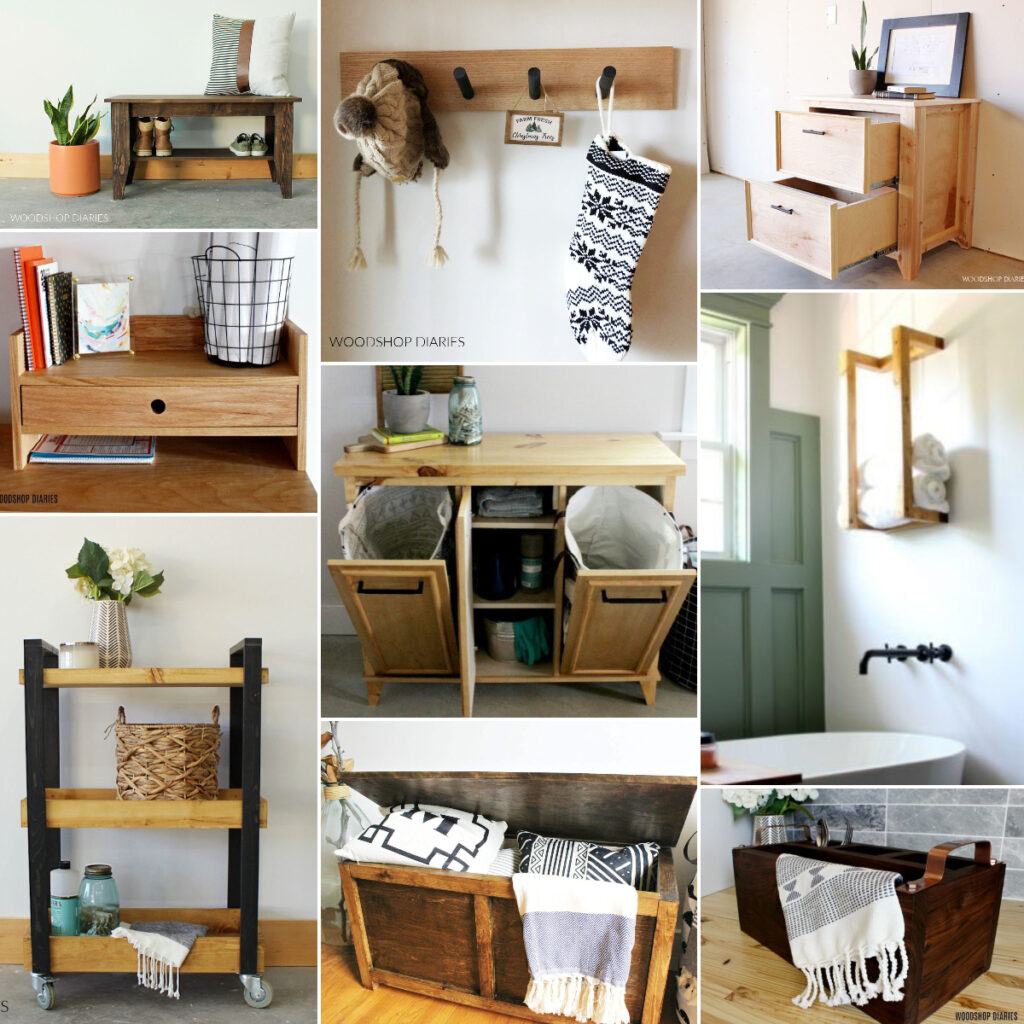
Creating effective outdoor storage solutions can significantly enhance both the functionality and aesthetics of your home. By utilizing outdoor spaces, such as backyards, patios, or gardens, you can store seasonal items, gardening tools, and recreational gear, all while keeping your indoor areas clutter-free. With careful planning and the right materials, outdoor storage can be both practical and visually appealing.
Creating Outdoor Storage Solutions
There are numerous ways to create outdoor storage solutions that cater to your specific needs. Here are some effective options to consider:
- Garden Sheds: A garden shed is a classic storage solution that offers a dedicated space for tools, lawn care equipment, and outdoor furniture. Choose a shed size that fits your yard and ensure it complements your home’s architecture. Consider using durable materials like wood or metal to withstand the elements.
- Storage Benches: Storage benches serve a dual purpose: they provide seating while offering hidden storage for cushions, gardening supplies, or toys. Look for weather-resistant materials like composite wood or metal that can endure outdoor conditions.
- Vertical Storage Solutions: Utilize vertical space by installing wall-mounted racks or shelves in your garage or shed. This helps keep items off the ground and organized, while also maximizing your storage capacity.
- Outdoor Cabinets: For a more refined look, consider installing outdoor cabinets that can blend seamlessly into your landscape. These can store various items while providing a polished appearance to your outdoor area.
Weatherproofing Storage Units
Protecting belongings from harsh weather is critical for outdoor storage units. Implementing effective weatherproofing methods ensures that your items remain safe and in good condition. Here are essential tips for weatherproofing:
- Sealing and Insulation: Use weatherproof sealants on joints and seams of your storage units. Insulating materials can also help maintain a stable temperature inside, especially for sensitive items.
- Proper Roofing: Ensure that your storage sheds or units have adequate roofing to prevent water accumulation. Sloped roofs allow rain to run off, reducing moisture risks inside.
- Raised Flooring: Elevating your storage units off the ground prevents water damage from flooding or excessive moisture. Installing a wooden or composite platform can be an effective solution.
- Ventilation: Include ventilation features, such as vents or windows, which allow air circulation. This helps to reduce humidity and prevents mold growth inside storage units.
Integrating Storage into Landscaping
Incorporating storage solutions into your landscaping not only boosts functionality but also enhances visual appeal. Thoughtfully designed storage units can add character to your outdoor space. Here are some ideas for integration:
- Camouflaged Storage: Design storage solutions that blend in with the landscape. Use colors, textures, and materials that match your surroundings. For example, a wooden shed painted in earthy tones can become a seamless part of your garden.
- Decorative Planters: Consider using large decorative planters that can double as storage for outdoor tools or supplies. This keeps items hidden while also adding greenery to your space.
- Functional Paths: Create pathways with built-in storage for gardening tools or outdoor games. This not only organizes your items but also enhances the overall flow of your landscape.
- Outdoor Room Concepts: Think of your outdoor space as an extension of your living area. Incorporating built-in benches with storage below or side tables that hold items can create a cohesive and functional outdoor room.
Outcome Summary
In conclusion, embracing DIY storage ideas can significantly enhance your living space, making it more organized and enjoyable. As we’ve discovered, there are countless methods to reclaim space and keep your home clutter-free, whether through seasonal organization, creative office setups, or kid-friendly designs. By applying these insights, you not only foster a sense of responsibility but also create a harmonious environment that showcases your creativity and resourcefulness.
Detailed FAQs
What are some budget-friendly DIY storage ideas?
Using items like repurposed jars, wooden crates, and old shelves can create effective storage solutions without breaking the bank.
How can I make my DIY storage look aesthetically pleasing?
Consider painting or staining your storage units to match your home décor, and use decorative boxes or baskets to organize smaller items.
Can I use outdoor storage solutions indoors?
Absolutely! Many outdoor storage solutions, like weatherproof benches, can serve as stylish indoor furniture while providing additional storage.
How do I keep my DIY storage organized over time?
Regularly assessing and decluttering your storage areas, along with a labeling system, can help maintain organization and efficiency.
What tools do I need for basic DIY storage projects?
A basic toolkit including a drill, saw, hammer, and level will suffice for most DIY storage projects you’ll undertake.