
 Tamara Smith
DIY home crafts have become a cherished pastime for many, combining creativity with practicality in ways that transform our living spaces. Whether you’re a seasoned pro or just starting out, this engaging world of crafting offers endless possibilities for self-expression and personal touches.
Over the years, the evolution of DIY home crafts has reflected societal changes, technological advancements, and even shifting cultural trends. From the early days of simple handmade goods to today’s intricate projects enhanced by modern tools, the journey of DIY home crafts is one of innovation and community spirit.
The Evolution of DIY Home Crafts Over the Years
The world of DIY home crafts has undergone a remarkable transformation over the decades, shaped by cultural shifts, technological advancements, and social movements. From simple home improvements to intricate handmade decor, the DIY crafts landscape reflects the changing values and preferences of society. This exploration delves into the historical progression of DIY crafts, emphasizing key trends and movements that have significantly influenced the craft scene.In the early 20th century, the DIY movement began to take root as a response to industrialization.
The Arts and Crafts Movement of the late 19th century laid the foundation by promoting handcrafted goods as a counter to mass production. This movement emphasized artistry, quality, and the connection between the maker and the product. It inspired individuals to create their own furnishings and home decor, fostering a sense of personal expression and individuality.As the decades rolled on, particularly during the post-war boom of the 1950s and 1960s, DIY home crafts flourished.
The introduction of consumer goods and the rise of suburban living encouraged homeowners to personalize their spaces. The craft movement saw a significant increase in popularity, with magazines and television programs dedicated to DIY projects. Notably, the 1970s brought the rise of the hippie culture, which championed handmade crafts, natural materials, and a back-to-basics lifestyle. This era also witnessed the emergence of pivotal DIY trends like macramé, tie-dye, and pottery, which reflected the desire for self-sufficiency and creativity.
Impact of Technology on DIY Crafts
The advent of technology has dramatically transformed how individuals approach DIY crafts. The internet revolutionized access to information, allowing enthusiasts to share ideas, tutorials, and resources with a global audience. Online platforms like Pinterest and Instagram have become crucial in shaping current DIY trends, where visual inspiration fuels creativity and innovation. Technology has also enhanced the crafting experience through the introduction of tools such as cutting machines, 3D printers, and crafting software.
For instance, laser cutters allow crafters to create intricate designs with precision, while 3D printing opens the door to entirely new possibilities in home decor and functional items. These advanced tools have made crafting more accessible, encouraging a new generation to engage in DIY projects. Another significant aspect of this technological evolution is the rise of online marketplaces such as Etsy, where makers can sell their handcrafted goods, thereby cultivating a supportive community for artisans and hobbyists alike.
Technology has not only streamlined the crafting process but has also brought economic viability to DIY crafts.
Notable DIY Movements and Their Relevance
Throughout history, several notable DIY movements have emerged, serving both cultural and social significance. These movements have often mirrored contemporary societal issues and provided platforms for self-expression and community building.
1. Makeover Culture
This movement gained traction in the late 1990s and early 2000s, characterized by home improvement shows that encouraged viewers to take on ambitious renovation projects. The cultural relevance lies in the empowerment of homeowners to transform their living spaces, showcasing creativity and resourcefulness.
2. Sustainable Crafting
In recent years, the focus on sustainability has given rise to a movement emphasizing eco-friendly crafting practices. Crafters are increasingly utilizing recycled materials and natural resources to create functional and aesthetically pleasing items. This reflects a broader societal shift towards environmental consciousness and responsible consumerism.
3. Craftivism
This movement combines crafting with activism, encouraging individuals to raise awareness about social issues through their creations. Whether it’s knitting for a cause or creating impactful art installations, craftivism highlights the power of DIY crafts to provoke thought and inspire change. Each of these movements showcases the profound influence of DIY crafts on society, demonstrating how creativity can be a catalyst for personal and communal transformation.
Essential Tools and Materials for DIY Home Crafts
Creating beautiful and functional DIY home crafts requires the right tools and materials. Whether you are a beginner or an experienced crafter, having a well-equipped workspace can make all the difference. This guide Artikels the essential tools and materials you will need for various projects, providing descriptions of their uses and tips on choosing the right quality for your creations.Understanding the importance of using proper tools and selecting quality materials is crucial for the safety, effectiveness, and enjoyment of your crafting experience.
Below are fundamental items that every DIY enthusiast should consider having in their arsenal.
Fundamental Tools and Materials
To successfully complete a range of DIY home crafts, having the following tools and materials is essential. Each item serves a unique purpose, enhancing your crafting experience.
- Craft Knife: Ideal for precise cutting of paper, cardboard, and thin materials. Always use a cutting mat to protect your surfaces.
- Scissors: A good pair of sharp scissors is vital for cutting various materials, including fabric and paper.
- Adhesive Glue: Whether it’s PVA glue for paper or hot glue for crafts, ensure you choose a type suitable for your materials.
- Paintbrushes: A variety of brushes in different sizes will help in painting and detailing projects effectively.
- Measuring Tape: Essential for accurate measurements in any project, ensuring your pieces fit together perfectly.
- Ruler: For straight cuts and precise measurements, a sturdy ruler is a must-have tool.
- Pencil: Use a pencil for marking guidelines on your materials, ensuring easy visibility and erasure.
- Craft Mat: Protects your working surface and provides a clean area for cutting and assembling your crafts.
- Needles and Thread: For fabric projects, a good supply of sewing needles and matching thread is essential.
- Wire Cutters: Necessary for cutting floral wire and other metal materials used in crafting.
- Tape (Masking and Painter’s Tape): Useful for creating clean lines and protecting areas during painting or gluing.
- Stapler: Handy for quick assembly of paper projects or securing fabric together temporarily.
- Paints and Finishes: Invest in high-quality paints and finishes to ensure durability and vibrancy in your projects.
- Storage Bins: Keep your materials organized and accessible with labeled bins or drawers.
- Safety Gear: Safety goggles and gloves help protect you from dust, fumes, or sharp objects during crafting.
Using these tools correctly can significantly enhance your crafting techniques. For instance, the craft knife should always be used on a cutting mat to avoid damaging your workspace, and scissors should remain sharp for clean cuts. As you experiment with different techniques, remember that safety is paramount; always wear appropriate gear and work in a well-ventilated area when using adhesives or paints.When considering materials, opting for quality over budget options can vastly impact your crafting outcomes.
High-quality paints will often produce richer colors and greater durability, while premium adhesives will ensure that your creations stay intact over time. A well-made pair of scissors will provide clean cuts and last longer than a cheaper set that may dull quickly. As a rule of thumb, investing in better tools and materials not only elevates the quality of your projects but also enhances your overall crafting experience.
This approach can save you money on replacements and repairs in the long run while ensuring that your projects are successful and enjoyable.
Popular DIY Home Craft Ideas for Beginners
Embarking on a journey into the world of DIY home crafts can be both exciting and rewarding. For beginners, it’s essential to start with projects that are accessible, enjoyable, and allow for personal expression. This list highlights a variety of beginner-friendly crafts that not only beautify your home but also provide an opportunity to explore your creativity. Each idea is crafted to be simple, requiring minimal materials and skills, thus paving the way for a fulfilling crafting experience.
Painted Flower Pots
Creating personalized painted flower pots is an excellent DIY project for those new to crafting. This project is straightforward and requires few materials: terracotta pots, acrylic paint, paintbrushes, and a sealant for protection. Begin by gathering your pots and cleaning them to remove any dust or debris. Choose a color palette that resonates with your home’s aesthetic or your personality.
You could opt for bright, bold colors for a lively vibe or muted tones for a more serene look.To personalize your flower pots, consider using stencils to create patterns or designs that reflect your interests, such as geometric shapes or floral motifs. You can also experiment with techniques like sponging or marbling to add depth and texture to your pots.
Once you’ve painted your designs, let the pots dry completely before applying a sealant to protect the paint from the elements. This will ensure that your creations withstand both indoor and outdoor conditions.Accessibility is key in this project; most materials can be found at local craft stores or online. Plus, anyone can paint – it’s all about having fun and showcasing your style.
For an added touch, consider adding your favorite herbs or flowers into the pots. This not only beautifies your space but can also introduce a lovely fragrance and vitality to your home.
DIY Wall Art
Creating wall art is a fantastic way to make a statement in any room. This project allows you to express your creativity without the need for advanced artistic skills. Materials required include canvas or thick paper, acrylic paints, brushes or sponges, and optional elements like fabric or paper cutouts for mixed media effects. Begin by choosing a canvas size that suits your wall space and layout.
To start, you can create abstract designs using a variety of colors or even try your hand at a simple nature scene, geometric shapes, or inspirational quotes. An easy technique involves pouring paint onto the canvas and tilting it to create unique patterns, known as pour painting. Alternatively, you can create a collage by tearing fabric or paper and gluing it onto the canvas, adding depth and texture.The beauty of DIY wall art is its personal nature.
You can select colors and themes that resonate with your style or the ambiance you wish to create in your home. Once finished, hang your artwork in a prominent space, and consider creating a gallery wall with an arrangement of multiple pieces for a dynamic look. This is an affordable way to fill blank walls and make your space feel more inviting.
Custom Coasters
Making custom coasters is a practical yet fun project that can easily be tailored to fit your decor. You’ll need cork or ceramic tiles, mod podge, decorative paper or fabric, and scissors. Begin by cutting your decorative materials to the size of your coasters, ensuring you leave a little overhang. Apply a thin layer of mod podge onto the tile, place your decorative paper on top, and smooth out any air bubbles.Once dry, you can apply additional layers of mod podge to seal the design and provide a protective finish.
This not only enhances durability but also allows you to create a glossy or matte effect, depending on your preference. Personalization is a crucial aspect of this project; you can use photographs, favorite quotes, or themed patterns that align with your style.Coasters are an excellent way to add a personal touch to your living space while being functional. They can serve as conversation starters when entertaining guests and are simple enough for beginners to master quickly.
This project is also budget-friendly, making it an accessible option for anyone looking to enhance their home.
Fabric Bunting
Creating fabric bunting adds a whimsical touch to any room and is an enjoyable project for beginners. You will need fabric in various colors and patterns, scissors, a sewing machine or fabric glue, and a length of ribbon or twine. Start by cutting your fabric into triangles or other shapes, ensuring they are uniform in size. Next, arrange the fabric pieces on a flat surface to visualize your design.
Using a sewing machine, stitch the fabric pieces onto the ribbon, spacing them evenly. If you prefer a no-sew option, you can simply glue the fabric to the ribbon. Bunting can be made with seasonal themes, colors that match your decor, or even upcycled materials for a sustainable touch.This project is highly customizable; you can create bunting for birthdays, holidays, or just to brighten your everyday environment.
The materials are easy to find, and the sewing skills required are basic, making it perfect for beginners. Hang your bunting in children’s rooms, party spaces, or living areas to add a cheerful, personal flair.
Simple Candles
Making candles is a delightful and aromatic craft that anyone can try. The materials you’ll need include wax (soy, paraffin, or beeswax), wicks, fragrance oils, and containers such as mason jars or tea cups. Start by melting the wax in a double boiler, then add your chosen fragrance oil. Once the mixture is ready, carefully pour it into your containers with the wick placed centrally.Allow the candles to cool and set completely, which usually takes a few hours.
You can personalize your candles by choosing scents that you love or by adding color using candle dyes. For an added flair, consider embedding decorative items like dried flowers or herbs within the wax.This project is not only simple but also incredibly satisfying as you create a product that enhances your home’s atmosphere. Candles can be gifted, used for relaxation, or simply serve as beautiful decor.
The materials are widely available, and the processes involved are straightforward, making candle-making a perfect starting point for beginners.
Innovative Techniques to Enhance Your DIY Craft Projects
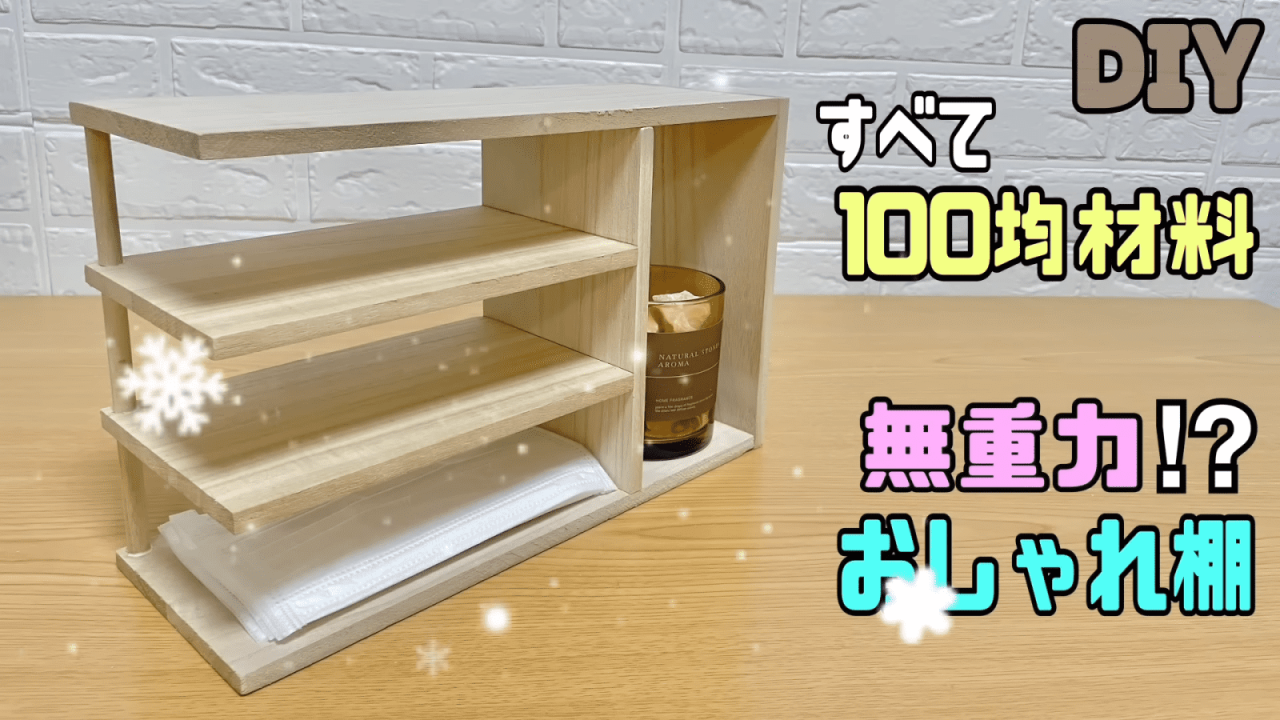
Crafting is a delightful way to express your creativity and personalize your space. However, basic DIY projects can be elevated into stunning works of art with some innovative techniques. These methods not only enhance the visual appeal of your creations but also offer unique textures and finishes that can transform ordinary materials into extraordinary designs. Here, we explore a few innovative crafting techniques that will inspire you to take your DIY projects to the next level.One effective technique to enhance your projects is the use of mixed media.
This approach involves combining various materials such as paint, fabric, paper, and found objects to create a layered effect. This technique is not only visually engaging, but it also allows for greater artistic expression.
Incorporating Mixed Media into Your Projects
To implement mixed media into your existing crafts, follow these steps:
1. Select Your Base Material
Choose a sturdy base, such as canvas or wooden board, that can withstand multiple layers.
2. Gather Your Materials
Collect an assortment of items—paper scraps, fabric swatches, embellishments, and paint. The more varied, the better.
3. Plan Your Design
Sketch a rough layout to visualize how you want to layer your materials. Consider color schemes and textures.
4. Start with a Background
Apply a base layer of paint or decoupage to your surface. Allow it to dry completely.
5. Layer Your Elements
Begin adding your chosen materials layer by layer, using glue to secure them in place. Play with overlaps and arrangements for added depth.
6. Finish with Texture
Apply a clear sealant or additional paint effects to unify the piece and enhance durability.While experimenting with mixed media, there are common mistakes to be aware of. One frequent error is overloading the piece with too many materials, which can lead to a chaotic appearance. To avoid this, maintain a balance; use a few standout pieces complemented by simpler elements.
Another mistake is neglecting to allow each layer to dry before adding the next, which can lead to a messy finish. Always ensure that each layer is dry to achieve a clean look. By incorporating these innovative techniques into your DIY projects, you will not only expand your skill set but also create stunning, one-of-a-kind pieces that are sure to impress.
The beauty of mixed media lies in its adaptability, allowing you to experiment and find your unique style while enhancing the intricacy of your crafts.
Sustainable Practices in DIY Home Crafts
Sustainability in crafting is becoming increasingly vital as we seek to minimize our environmental footprint. By adopting eco-friendly materials and practices, DIY enthusiasts can create beautiful projects while preserving the planet for future generations. This shift not only reduces waste but also encourages creativity and resourcefulness in crafting. With sustainability at the forefront, crafters can explore innovative approaches that breathe new life into discarded materials and promote responsible consumption.
Eco-Friendly Materials and Practices
Integrating sustainable materials into DIY projects can significantly lessen the environmental impact associated with traditional crafting supplies. Here are ten eco-friendly materials and practices that can be easily adopted:
- Recycled Paper: Using paper made from recycled content reduces the need for virgin materials, saving trees and energy.
- Bamboo: This rapidly renewable resource is strong, lightweight, and can be used for various crafts, from furniture to utensils.
- Cork: Harvested from the bark of cork oak trees, cork is biodegradable and makes for great coasters, bulletin boards, and flooring.
- Natural Dyes: Derived from plants, fruits, and vegetables, natural dyes are a non-toxic alternative to synthetic dyes.
- Organic Cotton: Using fabric made from organic cotton reduces pesticide use and promotes sustainable agricultural practices.
- Beeswax: A natural alternative to plastic wrap for food storage, beeswax wraps are reusable and biodegradable.
- Wood from Sustainable Sources: Selecting wood certified by organizations like the Forest Stewardship Council (FSC) helps ensure responsible forestry practices.
- Upcycled Materials: Repurposing items like glass jars, fabric scraps, and old furniture reduces waste and adds character to new creations.
- Plant-Based Adhesives: Choosing glues made from natural ingredients is better for the environment than traditional chemical-based adhesives.
- LED Lighting: Incorporating energy-efficient LED lights in crafting spaces saves energy and reduces electricity costs.
The environmental impact of traditional crafting materials, such as plastic and synthetic fabrics, can be severe. These materials often contribute to pollution, habitat destruction, and the depletion of natural resources. By opting for sustainable alternatives, crafters can mitigate these harmful effects. For instance, using recycled or upcycled materials reduces the need for new production, thereby conserving resources and decreasing landfill waste.
In addition, many eco-friendly materials are biodegradable, meaning they break down naturally without contributing to long-lasting pollution.
Creative Repurposing of Old Items
Repurposing old items into new crafts not only promotes sustainability but also showcases an individual’s creativity and resourcefulness. By finding new uses for items that might otherwise end up in the trash, crafters can create unique and personalized projects.
One popular example is transforming glass jars into decorative storage solutions. With a little paint and some embellishments, jars can be converted into beautiful vases or candle holders. Similarly, old wooden pallets can be disassembled and reconfigured to create rustic furniture pieces, such as coffee tables or garden planters. Additionally, worn-out clothing can be cut into fashionable tote bags, quilts, or even braided rugs.
Each of these projects exemplifies how creativity can flourish through resourcefulness, turning what would be waste into functional art.
By embracing sustainable practices and thinking outside the box, crafters can contribute to a healthier planet while expressing their individuality through DIY home crafts.
Creating a Functional Space for DIY Crafting
Setting up a dedicated DIY crafting space at home can significantly enhance your creativity and productivity. With a well-organized area, you can find inspiration more easily and enjoy the process of creating your projects. This guide aims to help you design an efficient and inspiring crafting space with practical organizational tips.The right lighting, storage solutions, and layout are essential for a functional crafting environment.
Good lighting enhances visibility and mood, while proper storage ensures that materials are accessible and orderly. A thoughtful layout fosters a seamless workflow, allowing you to shift from one task to another without unnecessary interruptions.
Organizational Tips for Crafting Spaces
To create a crafting space that encourages creativity, consider the following organizational strategies that enhance both functionality and appeal:
- Choose the Right Location: Select a space that is quiet and has good natural light, preferably near a window for inspiration.
- Use a Multi-Functional Table: A sturdy table can serve as a workspace and storage area for tools and materials.
- Incorporate Pegboards: Hang tools and supplies on pegboards for easy access and to keep surfaces clear.
- Mobile Carts: Use rolling carts to store supplies that can be moved around as needed, keeping the area flexible.
- Clear Storage Bins: Utilize transparent bins for storing materials, allowing you to see contents without opening each one.
- Label Everything: Clear labeling helps you quickly find what you need and keeps your space tidy.
- Vertical Storage: Maximize wall space with shelves or hooks to store items up high, freeing up floor space.
- Dedicated Zones: Create zones for different types of crafts – like painting, sewing, or scrapbooking – to streamline your process.
- Comfortable Seating: Invest in an ergonomic chair to ensure comfort during long crafting sessions.
- Inspiration Board: Set up a corkboard or magnetic board to display ideas, sketches, and inspirational quotes that motivate you.
Incorporating personal touches into your crafting space can create an inviting atmosphere. Add elements like framed artwork, plants, or inspirational quotes that resonate with you. Consider using a color palette that reflects your personality, whether it’s bright and cheerful or calm and subdued. Personalizing your space not only makes it enjoyable but also stimulates creativity by surrounding you with things you love.
The Community Aspect of DIY Home Crafts
The world of DIY home crafts thrives on community engagement, which plays a pivotal role in enhancing creativity and providing support among crafters. Whether you are a novice or a seasoned expert, being part of a community can significantly elevate your crafting experience. It creates an environment where ideas can be exchanged freely, and inspiration flows naturally.Crafting communities, both local and online, offer a multitude of platforms where individuals can share their projects, seek advice, and collaborate with like-minded enthusiasts.
Local crafting groups often host meetups, workshops, and events that foster personal connections. These gatherings provide an opportunity for participants to showcase their work, gain constructive feedback, and develop new skills. Online platforms such as Facebook groups, Reddit communities, and dedicated crafting forums also serve as excellent venues for crafters to connect regardless of geographical barriers. For instance, platforms like Instagram allow users to share their crafting journeys through visual storytelling, inspiring others and enabling real-time interaction through comments and direct messages.
Benefits of Joining Crafting Workshops and Groups
Participating in crafting workshops or groups comes with numerous benefits that extend beyond mere skill development. Here are some key advantages:
- Skill Enhancement: Workshops provide hands-on experiences led by experienced crafters, allowing participants to learn new techniques and improve their craft.
- Networking Opportunities: Being part of a crafting community opens doors to meet individuals who share similar interests, leading to friendships and potential collaborations on projects.
- Constructive Feedback: Sharing your work in a supportive environment invites constructive criticism which can help refine your skills and elevate your projects.
- Inspiration and Motivation: Seeing the creativity of others often ignites inspiration, motivating you to try new projects and push your artistic boundaries.
- Resource Sharing: Community members often exchange tips about materials, tools, and techniques, creating a rich repository of knowledge that benefits everyone.
The sense of belonging that comes from being part of a crafting community is invaluable. Crafters can turn to one another during moments of inspiration or frustration, knowing that they have a support network cheering them on. Furthermore, the collaboration seen in these communities can lead to innovative projects that might not be possible when crafting alone.
“Crafting together fosters a sense of community, where ideas flourish and creativity knows no bounds.”
In conclusion, engaging with crafting communities enriches the DIY experience, providing both social connections and opportunities for personal growth. Whether through local workshops or online forums, the connections formed within these communities enhance not only the crafting process but also the crafters’ journeys.
Advanced DIY Crafts for Experienced Crafters
For seasoned crafters seeking to challenge their skills and creativity, advanced DIY projects offer an exciting opportunity to explore new techniques and expand their crafting repertoire. These projects often require a deeper understanding of materials, tools, and artistic concepts, making them ideal for those who have mastered the basics and are ready to elevate their craft. Below are three unique advanced projects that promise to push creative boundaries and inspire innovation.
Resin Art with Embedded Objects
Resin art is a fascinating field that allows for endless creativity. This project involves creating stunning pieces by embedding various objects within epoxy resin. The process not only demands precision but also a good understanding of the properties of resin. The key steps include:
1. Choosing Your Objects
Select items like flowers, beads, or even small figurines that can endure the resin’s curing process. Ensure that they are clean and dry.
2. Preparing the Mold
Use silicone molds to shape your artwork. Prepping the mold with a release agent can prevent the resin from sticking.
3. Mixing the Resin
Follow the manufacturer’s instructions for mixing the resin and hardener. Achieving the right consistency is crucial for a successful pour.
4. Embedding Objects
Pour a layer of resin, place your objects strategically, and then pour more resin to cover them completely. Wait for bubbles to rise and pop before curing.
5. Curing
Allow the resin to cure according to the instructions—usually 24-48 hours.This project can be taken further by incorporating mixed media techniques. For example, adding paint or glitter to the resin can create a unique effect. You could also try layering different colors of resin for depth.
Upcycled Furniture with Decoupage
Upcycling furniture is a sustainable and creative way to breathe new life into old pieces. Using decoupage, a technique that involves gluing decorative paper onto surfaces, transforms furniture into one-of-a-kind statement pieces. The steps include:
1. Selecting Furniture
Choose a piece that has good bones but may need a facelift, like a side table or chair.
2. Preparing the Surface
Clean and sand the furniture to ensure better adhesion.
3. Choosing Papers
Look for patterned papers, fabric, or even pages from old books that resonate with your style.
4. Applying Decoupage Medium
Using a brush, apply a decoupage medium onto the furniture and place the chosen paper over it, smoothing out any bubbles.
5. Sealing
Once dry, apply several layers of the medium over the entire piece to protect it.To elevate this project, consider using mixed media elements like paint, stencils, or even metallic foils to add dimension and uniqueness to the final product.
Handmade Leather Goods
Creating handmade leather goods is a meticulous and rewarding craft that allows crafters to produce functional items like wallets, bags, and accessories. This project requires specific tools and materials, such as leather, cutting mats, stitching tools, and hardware. The crafting process involves:
1. Selecting Leather
Choose vegetable-tanned leather for a beginner-friendly option. It’s easier to work with and ages beautifully.
2. Designing Patterns
Create or print a pattern for your item, ensuring it’s scaled correctly.
3. Cutting
Use a sharp utility knife to cut the leather pieces precisely, following your patterns.
4. Stitching
Employ saddle stitching for durability. This technique involves using two needles and a single thread that passes through each hole twice.
5. Finishing
Burnish the edges with an edge tool and apply leather conditioner to enhance the finish and longevity.Advanced crafters can further enhance leather goods by incorporating embossing or dyeing techniques to add personalized touches.
Sharing experiences and techniques within the crafting community can lead to a wealth of inspiration and growth. Engaging with fellow crafters through workshops or online forums opens avenues for learning innovative methods and discovering new projects.
Final Review
As we conclude our exploration of DIY home crafts, it’s clear that this vibrant hobby not only enriches our homes but also connects us with others who share our passion. Embracing the journey of crafting can lead to beautiful creations and lasting memories, making it more than just an activity but a way of life.
Query Resolution
What are some beginner-friendly DIY home crafts?
Beginner-friendly projects include making candles, creating wall art, or upcycling furniture, all of which require minimal skills and materials.
How can I personalize my DIY crafts?
You can personalize your crafts by choosing colors, patterns, and materials that resonate with your individual style or by adding personal touches like monograms.
What tools are essential for DIY home crafts?
Essential tools include scissors, glue guns, cutting mats, paintbrushes, and various crafting knives, all of which help execute a range of projects effectively.
How can I make my crafting space more inviting?
Incorporate personal items, use bright lighting, and maintain an organized layout to create an inspiring crafting environment.
What are some eco-friendly materials I can use for crafts?
Eco-friendly materials include recycled paper, natural fibers, non-toxic paints, and biodegradable adhesives, which minimize environmental impact.