
 Tamara Smith
DIY business ideas are gaining traction as more individuals seek creative outlets and entrepreneurial opportunities. In a world where customization and personal touch are highly valued, these ventures allow aspiring entrepreneurs to turn their passions into profit while offering unique products to the market.
From handmade crafts to sustainable goods, the diversity in DIY business concepts is vast. Each idea brings its own set of skills and materials, enabling individuals to carve out their niche in a thriving community of makers and creators.
Exploring Unique DIY Business Ideas That Stand Out in the Market
In recent years, the DIY scene has exploded with innovative and unique business ideas that are capturing the attention of consumers and entrepreneurs alike. As more people seek personal expression and sustainability, these DIY ventures not only allow individuals to create but also empower them to build successful businesses. Below are five distinctive DIY business ideas that have gained popularity, highlighting their potential markets and the skills required to start them.
Customized Resin Art
Customized resin art has become a popular DIY business idea, especially among craft enthusiasts. This art form involves creating beautiful, shiny pieces using epoxy resin, which can be molded into various shapes like coasters, jewelry, or wall art. The potential market for resin art is vast, appealing to both home decor aficionados and gift shoppers looking for unique items. To launch a resin art business, one will need basic materials such as epoxy resin, pigments, molds, and safety equipment like gloves and masks.
Skills required include an understanding of mixing ratios, color theory, and design principles to create eye-catching pieces.
Eco-friendly Home Products
As sustainability takes center stage, eco-friendly home products crafted from recycled materials are in high demand. This could include handmade bags from upcycled fabric, beeswax wraps as an alternative to plastic, or natural cleaning products. The eco-conscious consumer market is rapidly expanding, making this a promising arena for DIY entrepreneurs.Starting this business requires knowledge of sustainable materials and the ability to create products that are both functional and aesthetically pleasing.
Skills in sewing, crafting, or basic chemistry for cleaning products can be beneficial.
Personalized Pet Accessories
Pet owners are always on the lookout for unique and personalized items for their furry friends. DIY businesses that create custom pet accessories such as collars, beds, or toys are finding a dedicated customer base. The pet industry is booming, with consumers willing to spend on products that reflect their pet’s personality.To create personalized pet accessories, one should possess sewing skills, an understanding of animal safety and comfort, and access to materials such as durable fabrics and non-toxic dyes.
Tools like sewing machines and embroidery kits may also be required.
Handmade Natural Skincare Products
The rise of the natural beauty movement has led to a surge in demand for handmade skincare products. Consumers are increasingly interested in products free from synthetic ingredients, making this a lucrative DIY business idea. Popular items include lotions, soaps, and scrubs made from organic ingredients.To succeed in this field, one needs knowledge of skincare formulations, an understanding of skin types, and access to natural ingredients like oils, butters, and essential oils.
Skills in precise measuring and mixing, as well as marketing for branding, are essential.
DIY Furniture Upcycling
Upcycling old furniture into trendy, new pieces is a popular DIY trend that has captured the hearts of many. This sustainable practice not only helps in reducing waste but also allows for unique customization options. With the growing interest in personalized home decor, there’s a significant market for upcycled furniture.Starting a furniture upcycling business requires tools for restoration, various paints, and finishes.
Skills in carpentry, painting techniques, and design principles are crucial for transforming old pieces into stylish furniture that stands out in the market.
Essential Skills Needed to Launch a Successful DIY Business
Starting a DIY business can be an exciting journey filled with creativity and entrepreneurship. However, having the right skills is crucial for transforming your passion into a sustainable venture. Each skill contributes significantly to tackling the various challenges you might face while growing your business. Here’s a closer look at the essential skills needed and how to develop them.
Fundamental Skills for DIY Entrepreneurs
A successful DIY business requires a blend of creative and practical skills. Understanding these skills can help you identify areas for improvement and growth. Here are some essential skills needed to thrive in the DIY sector:
- Craftsmanship: Mastery of your chosen craft is vital. Whether it’s woodworking, sewing, or pottery, your ability to produce high-quality products directly impacts customer satisfaction and brand reputation.
- Marketing Skills: Knowing how to effectively market your products can set you apart from competitors. This includes digital marketing, social media engagement, and crafting a compelling brand story.
- Financial Management: Understanding budgeting, pricing, and financial forecasting helps maintain profitability. It’s important to track expenses and revenues to make informed business decisions.
- Customer Service: Providing excellent customer service fosters loyalty and encourages repeat business. This skill involves communication, empathy, and problem-solving.
- Time Management: Balancing production, marketing, and administrative tasks requires efficient time management. This ensures that you meet deadlines and manage workloads effectively.
Acquiring these skills can seem daunting, but many resources are available for aspiring DIY entrepreneurs. Here’s how to develop the necessary expertise:
Ways to Acquire Essential Skills
Many individuals may not possess all the skills required for a successful DIY business initially. However, there are numerous ways to acquire these skills:
- Online Courses: Platforms such as Udemy, Coursera, or Skillshare offer courses in craftsmanship, marketing, and financial management tailored for DIY entrepreneurs.
- Workshops and Local Classes: Attending workshops or classes in your community can enhance your craftsmanship while providing networking opportunities with like-minded individuals.
- Books and Blogs: Industry-related books and blogs can provide insights into best practices and innovative techniques in both crafting and business management.
- Mentorship: Finding a mentor in the DIY space can offer personalized guidance and practical advice based on real-life experiences.
- Networking Events: Participating in craft fairs or industry conferences can create opportunities to learn from others and gain feedback on your work.
Utilizing existing skills can further enhance your DIY business and set you on a path to success. Here are tips on how to leverage your current skill set:
Leveraging Existing Skills for Business Growth
Many DIY entrepreneurs possess skills that can boost their business. Here’s how to make the most of these skills:
- Transferable Skills: Skills from previous jobs, such as project management or sales, can be applied to your DIY business to improve operations and customer outreach.
- Combine Crafts: If you have multiple crafting skills, consider combining them to create unique products that cater to a wider audience.
- Use Technology: Familiarity with technology can streamline processes like inventory management or online sales, allowing you to focus more on crafting.
- Leverage Social Media: If you have experience with social media marketing, utilize it to showcase your products and connect with your customer base.
- Feedback Utilization: Use customer feedback to refine your skills and improve product offerings. This iterative process can lead to higher customer satisfaction.
By focusing on these essential skills and continuously seeking growth opportunities, you can successfully launch and sustain your DIY business.
Cost Considerations for Starting a DIY Business
Starting a DIY business can be an exciting venture, but it’s crucial to understand the associated costs involved in launching such an enterprise. By carefully considering your financial outlay, you can set yourself up for success and ensure that your business remains sustainable in the long run. One of the primary costs involved in launching a DIY business includes purchasing essential materials and tools.
Depending on the type of DIY projects you choose to undertake, these costs can vary significantly. For instance, a woodworking business requires power tools, wood, and protective gear, while a handmade jewelry business may need beads, wires, and crafting tools. Alongside material costs, you may also need to budget for other expenses such as marketing, website development, and storage solutions.
Strategies for Minimizing Startup Costs
To keep startup costs manageable without compromising on quality, consider a few strategic approaches. Implementing these strategies can help you maximize your budget while still delivering great products.
- Utilize Second-Hand Tools: Many DIY enthusiasts sell their lightly used tools at a fraction of the retail price. Platforms like Craigslist or Facebook Marketplace can be excellent sources for budget-friendly tools.
- Buy in Bulk: Purchasing materials in bulk often results in discounts. Look for local suppliers who may offer wholesale pricing for frequent buyers.
- Leverage Online Resources: Websites such as Etsy or local craft fairs can provide inspiration and cost-effective materials that you can use for your projects.
- Network with Other Makers: Joining local maker communities or online forums can provide opportunities for tool-sharing, which reduces the need for individual purchases.
Incorporating these strategies not only helps in minimizing the cost but also fosters a sense of community within the DIY space.
Budget-Friendly Resources for Starting a DIY Business
When starting a DIY business, utilizing budget-friendly resources can greatly impact your financial efficiency. Here are some examples of accessible and affordable resources that can assist you in your entrepreneurial journey:
- Local Libraries: Many libraries offer free access to craft books, magazines, and sometimes workshops that can help enhance your skills without any financial burden.
- Online Courses and Tutorials: Platforms like YouTube are filled with free tutorials that can teach you various DIY skills and techniques, allowing you to learn from the best at no cost.
- Repurposed Materials: Consider sourcing materials from thrift stores, garage sales, or recycling centers. Repurposing items can significantly cut costs and add unique character to your products.
- Social Media for Marketing: Utilizing social media platforms like Instagram and Pinterest can be a cost-effective way to showcase your work and reach potential customers without the need for a hefty marketing budget.
In summary, understanding the cost considerations and implementing money-saving strategies can significantly enhance your chances of successfully launching your DIY business while maintaining product quality and customer satisfaction.
Marketing Techniques for Promoting a DIY Business Effectively
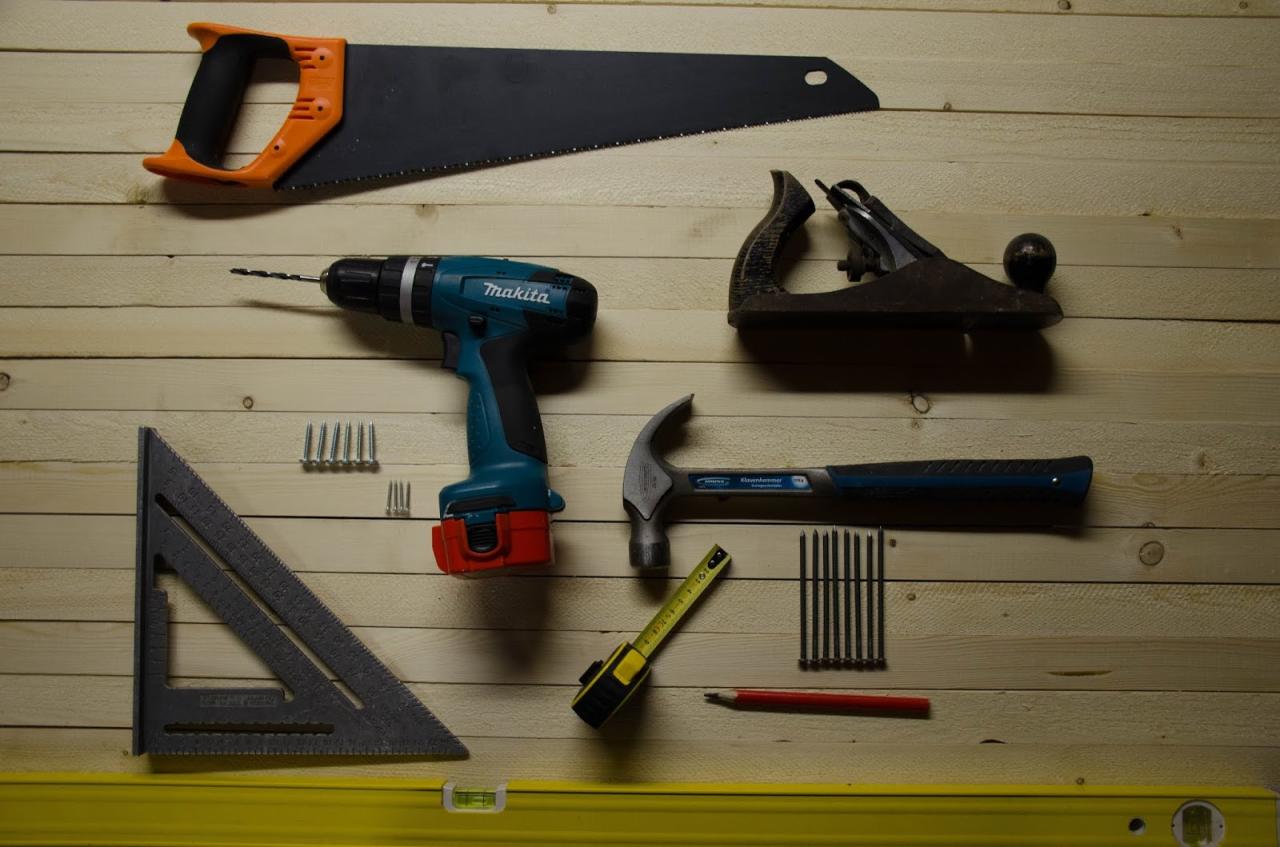
In the competitive landscape of DIY businesses, effective marketing techniques are essential for attracting and retaining customers. Understanding which strategies resonate with your target audience can significantly enhance visibility and sales. This discussion highlights various marketing approaches that can elevate your DIY brand in both traditional and digital spaces.
Importance of Social Media for DIY Businesses
Social media has transformed how businesses promote themselves, especially in the DIY sector. Platforms like Instagram, Pinterest, and Facebook are invaluable tools for showcasing creativity and building a community around your brand. Utilizing these channels allows you to connect with potential customers, share your projects, and build a loyal following.Strategies for effective online branding include:
- Create Engaging Content: Focus on high-quality images and videos that capture the essence of your DIY projects. Tutorials and behind-the-scenes content can drive engagement.
- Utilize Hashtags: Use relevant hashtags to make your posts discoverable. Research trending tags within the DIY community to broaden your reach.
- Collaborate with Influencers: Partner with DIY influencers who can showcase your products to their audience, providing authenticity and expanding your reach.
- Host Live Demonstrations: Live streaming your DIY projects not only showcases your skills but also allows real-time interaction with your audience, fostering a sense of community.
Comparison of Traditional and Digital Marketing Techniques
When promoting a DIY business, it’s crucial to evaluate the effectiveness of different marketing techniques. Below is a comparison of traditional marketing methods versus digital marketing techniques tailored for DIY businesses.
| Traditional Marketing Methods | Digital Marketing Techniques |
|---|---|
| Print Advertising (Flyers, Magazines) | Social Media Advertising (Facebook, Instagram ads) |
| Local Events and Trade Shows | Webinars and Online Workshops |
| Word of Mouth and Referrals | Email Marketing Campaigns |
| Direct Mail Campaigns | Search Engine Optimization () |
In the context of marketing, it is essential to note that while traditional methods can foster local engagement, digital techniques often provide broader reach and measurable results. The blend of both approaches can create a robust marketing strategy that caters to various customer preferences and behaviors.
Building a Strong Online Presence for Your DIY Business
Establishing a strong online presence is essential for any DIY business aiming to thrive in today’s digital marketplace. A well-crafted website not only showcases your products and services but also serves as a platform for engaging with potential customers. This segment discusses the steps necessary to create an appealing website, the significance of search engine optimization, and how to leverage customer testimonials to bolster your online credibility.
Creating an Appealing Website
Designing an attractive and functional website involves several key steps that cater to both aesthetics and user experience. The following elements are crucial for ensuring your DIY business website is appealing:
- Choose a Clean Design: Opt for a simple yet attractive layout that highlights your products. Utilize images that represent your brand effectively and make navigation intuitive.
- Mobile Responsiveness: Ensure your website is optimized for mobile devices. A significant portion of web traffic comes from smartphones, so a responsive design enhances user experience.
- Easy Navigation: Organize your content logically. Use clear categories and subcategories to help visitors find what they’re looking for quickly.
- High-Quality Images: Showcase your DIY products with clear, high-resolution photos. Consider using lifestyle images to demonstrate the product in use, helping customers envision it in their own lives.
- Compelling Content: Write engaging product descriptions that capture the unique aspects of your DIY offerings. Incorporate storytelling to connect emotionally with potential customers.
The Importance of Search Engine Optimization
Search engine optimization () is a vital component in driving traffic to your DIY business website. By optimizing your site for search engines, you enhance your visibility, which can lead to increased sales. Here are important practices to implement:
- Research: Identify s relevant to your DIY niche. Utilize tools such as Google Planner to find terms that potential customers are searching for.
- On-Page : Optimize your website’s content by including s in titles, headings, and throughout your text. Ensure that meta descriptions are engaging and include target s.
- Quality Backlinks: Build relationships with other relevant websites to earn backlinks. High-quality backlinks can significantly improve your site’s authority and ranking.
- Regular Updates: Keep your content fresh and relevant. Regularly update your blog or website with new DIY projects, tips, or tutorials to improve your site’s ranking.
Leveraging Customer Testimonials and Reviews
Customer testimonials and reviews play a crucial role in establishing trust and credibility for your DIY business. They provide real-life validation of your products and services. Consider these strategies to effectively use testimonials:
- Showcase Reviews Prominently: Display customer reviews on your homepage or product pages. Highlight particularly glowing reviews to attract new customers.
- Incorporate User-Generated Content: Encourage customers to share photos or videos of their completed DIY projects using your products. Feature this content on your website and social media to build community.
- Engage with Customers: Respond to reviews and feedback, both positive and negative. This interaction demonstrates your commitment to customer satisfaction and can enhance your reputation.
- Use Testimonials in Marketing: Include customer quotes in your newsletters or promotional materials. Real-life endorsements can significantly influence prospects’ purchasing decisions.
Building a strong online presence requires attention to design, , and customer engagement to create a lasting impression in the DIY market.
Navigating Legalities and Regulations in the DIY Business Sector
Starting a DIY business can be an exciting venture, but it’s crucial to navigate the various legalities and regulations that come with it. Being informed about these requirements can help you avoid potential pitfalls and ensure that your business runs smoothly. From licensing to safety regulations, understanding the legal landscape is essential for any DIY entrepreneur.
Understanding the common legal requirements and regulations that apply to DIY businesses is key to maintaining compliance and ensuring long-term success. In many regions, businesses must adhere to local, state, and federal laws, which can include everything from business licenses to health regulations. The first step in ensuring compliance is to conduct thorough research on the specific laws applicable to your business type and location.
This can include zoning laws, occupational licenses, and sales tax regulations. Setting up a well-defined process for compliance can greatly alleviate potential issues down the road.
Common Legal Requirements for DIY Businesses
Familiarizing yourself with the common legal requirements applicable to your DIY business can significantly help in avoiding legal troubles. Below are some central aspects to consider:
- Business License: Most regions require a basic business license to operate legally. This license can often be obtained through your local government office.
- Permits and Zoning: Certain DIY projects may require special permits, especially if they involve construction or substantial renovations. Verify zoning laws to ensure your business activities are permissible in your area.
- Sales Tax Registration: If you sell products, you may need to register for sales tax collection. Each state has its unique regulations regarding sales tax, so ensure you understand the requirements.
- Insurance: Obtaining liability insurance is highly recommended to protect your business from potential lawsuits. This insurance can cover incidents occurring during DIY projects or related activities.
- Health and Safety Regulations: Compliance with health and safety regulations is non-negotiable, particularly if your DIY business involves crafting items that could affect consumer safety.
Steps for Ensuring Compliance with Local Laws
Establishing and maintaining compliance involves several strategic steps that can minimize risks and enhance your business’s reputation. It’s essential to adopt practices that uphold legal standards:
- Research Local Regulations: Start by investigating local laws that pertain to your specific DIY business. Government websites often provide valuable resources.
- Consult a Legal Professional: Engaging with a lawyer who specializes in small businesses can provide expert guidance tailored to your business needs.
- Maintain Comprehensive Records: Keep detailed records of all permits, licenses, and communications with regulatory bodies to ensure you have documentation readily available if needed.
- Stay Informed: Laws can change, so regularly review updates from your local regulatory agencies to stay compliant.
- Implement Safety Protocols: Especially for DIY businesses involving physical products or workshops, having clear safety protocols can help in adhering to local regulations.
Potential Legal Pitfalls to Avoid
Understanding the common legal pitfalls is vital for any DIY entrepreneur aiming to avoid costly mistakes. Here are key examples:
- Ignoring Zoning Laws: Failing to adhere to local zoning laws can lead to fines and even the closure of your business.
- Operating Without Necessary Licenses: Not securing the required business licenses can result in penalties from regulatory authorities.
- Lack of Customer Transparency: Misrepresentation of products can lead to legal issues, particularly if safety claims are not substantiated.
- Neglecting Consumer Protection Laws: Failing to comply with consumer protection laws can result in lawsuits and damage to your business’s reputation.
- Underestimating Insurance Needs: Many DIY businesses overlook the importance of comprehensive insurance coverage, which can leave them vulnerable to unexpected events.
Sustainability Practices in DIY Business Operations
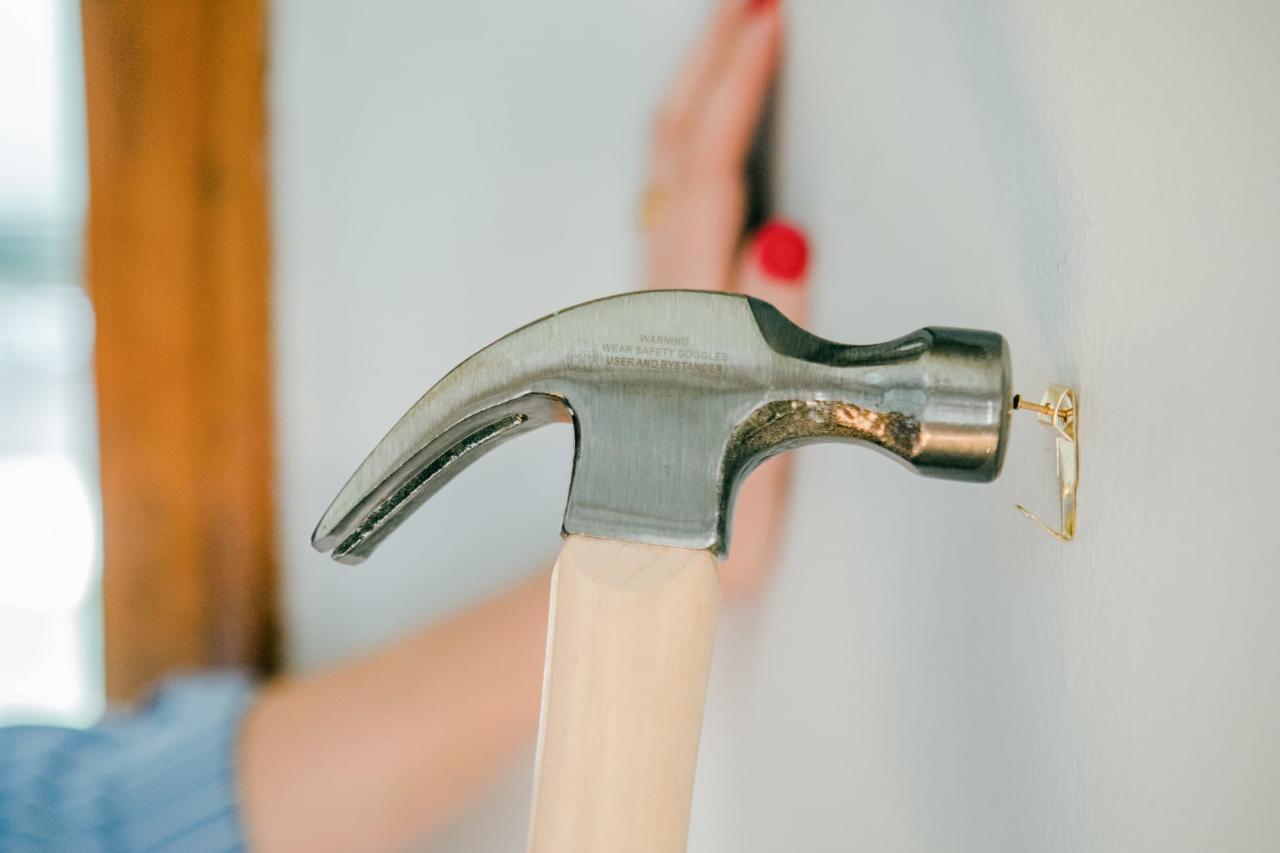
Incorporating sustainable practices into a DIY business model is not just a trend but a necessary shift towards a more responsible way of operating. As consumers become increasingly aware of environmental issues, businesses that prioritize sustainability can set themselves apart in a crowded market. This focus not only benefits the planet but also enhances brand loyalty among eco-conscious customers who are willing to support businesses that align with their values.Adopting sustainable practices in DIY operations can involve various strategies that reduce environmental impact while maintaining product quality.
These practices can lead to cost savings and help create a positive brand image that resonates with today’s socially responsible consumers. Using eco-friendly materials and methods is a crucial aspect of this approach.
Eco-Friendly Materials and Methods in DIY Products
Choosing eco-friendly materials is fundamental for creating sustainable DIY products. Various options exist that are both practical and appealing to consumers. Below are some examples of sustainable materials and methods that can be effectively integrated into a DIY business model:
- Recycled Materials: Utilizing materials such as reclaimed wood or repurposed fabric not only helps in reducing waste but also adds a unique charm to the finished products. For instance, furniture made from reclaimed wood has become increasingly popular, appealing to those who appreciate rustic aesthetics.
- Bamboo: This fast-growing plant is an excellent alternative to traditional wood, as it is renewable and biodegradable. Bamboo can be used for various products, from kitchenware to flooring, making it a versatile choice.
- Organic Fabrics: Incorporating materials like organic cotton, hemp, or linen can attract consumers interested in sustainable fashion. These fabrics are produced without harmful chemicals, offering a healthier option for both the environment and the wearer.
- Non-Toxic Paints and Finishes: Using low-VOC (volatile organic compounds) or water-based paints and finishes reduces harmful emissions, creating a safer environment for both the maker and the consumer. Products treated with these finishes are more appealing to health-conscious buyers.
- Sustainable Packaging: Eco-friendly packaging options such as biodegradable or recyclable materials can significantly enhance the sustainability of a DIY business. Not only do they reduce waste, but they also communicate the brand’s commitment to environmental responsibility.
Promoting sustainability can yield numerous benefits for a DIY business. Emphasizing eco-friendly practices can attract a growing segment of environmentally-conscious consumers who prioritize brands that reflect their values. This can lead to increased sales, brand loyalty, and a positive reputation in the marketplace.
“Emphasizing sustainability can transform a DIY business into a leader in the eco-conscious movement, paving the way for both profitability and positive environmental impact.”
By using sustainable materials and methods, DIY businesses can not only contribute to environmental preservation but can also capitalize on the increasing demand for eco-friendly products in the market. Ultimately, embracing sustainability is not just beneficial for the planet but also a smart business strategy that can drive growth and foster community goodwill.
Creating a Community Around Your DIY Business
Building a community around your DIY business can be a game-changer in developing customer loyalty and enhancing engagement. When customers feel connected to a brand and its values, they are more likely to become repeat buyers, advocate for your products, and participate actively in discussions. This sense of belonging not only cultivates loyalty but also encourages customers to share their experiences and creations, further amplifying your brand’s reach.A well-structured community can serve as a platform for interaction, feedback, and collaboration.
Engaging customers in a meaningful way transforms a transactional relationship into a vibrant community of DIY enthusiasts. Here are some effective strategies for fostering a sense of community among DIY enthusiasts both online and offline:
Strategies for Building Community
Creating a thriving community involves intentional strategies that promote interaction and engagement. Here are several effective methods to consider:
- Host Workshops and Events: Organizing regular workshops, both online and in-person, provides an excellent opportunity for enthusiasts to learn new skills and connect with others who share similar interests. This can lead to lasting relationships and brand loyalty.
- Create Online Forums or Social Media Groups: Establish dedicated online spaces where customers can share their projects, ask for advice, and collaborate. Platforms like Facebook groups or Reddit communities are great for fostering discussions and sharing ideas.
- Encourage User-Generated Content: Invite customers to showcase their DIY projects using your products. Featuring their creations on your website or social media not only honors their creativity but also motivates others to engage.
- Launch a Loyalty Program: Create a rewards program that acknowledges and incentivizes active participation within the community. Offering discounts, exclusive content, or early access to new products can encourage ongoing engagement.
- Collaborate with Influencers: Partnering with influencers in the DIY space can help introduce your brand to a wider audience while leveraging their established communities to build trust and authenticity.
Several DIY businesses have successfully cultivated strong communities that exemplify these strategies. For instance, Etsy has developed an expansive network where artisans and crafters can connect, share their work, and support each other through online forums and events. Similarly, Pinterest has established itself as a hub for DIY enthusiasts, allowing users to pin and share creative projects and ideas, thereby fostering a collaborative spirit among crafters.
“A strong community transforms customers into ambassadors, turning their loyalty into a powerful marketing force.”
By implementing these strategies, your DIY business can effectively build a community that not only enhances customer loyalty and engagement but also creates a vibrant ecosystem of creativity and support.
Final Summary
In conclusion, exploring the realm of DIY business ideas offers not only a chance to pursue your passion but also the potential to create a meaningful impact in the marketplace. As you embark on this exciting journey, remember that building a strong brand, understanding your audience, and fostering community will be key to your success.
Expert Answers
What are some popular DIY business ideas?
Some popular DIY business ideas include custom home decor, handmade cosmetics, upcycled furniture, personalized gifts, and eco-friendly crafts.
How can I market my DIY business effectively?
You can leverage social media platforms, collaborate with influencers, and participate in local craft fairs to effectively market your DIY business.
What skills do I need to start a DIY business?
Essential skills include crafting techniques, marketing knowledge, basic accounting, and customer service skills.
Are there any budget-friendly resources for starting?
Yes, local community classes, online tutorials, and thrift stores for materials can help keep costs down when starting a DIY business.
How important is sustainability in a DIY business?
Sustainability is crucial as it attracts eco-conscious consumers and can set your business apart in a crowded market.