
 Tamara Smith
DIY accessories ideas open up a world of creativity and self-expression, inviting everyone to transform ordinary materials into extraordinary items. Whether you’re a seasoned crafter or just starting out, the possibilities are endless when it comes to designing unique accessories that reflect your personal style.
From exploring unconventional materials to crafting personalized jewelry and seasonal projects, this guide will take you through various techniques and inspirations to enhance your crafting journey. Get ready to dive into the world of DIY accessories that not only elevate your wardrobe but also allow for sustainable and meaningful creations.
Exploring Unique Materials for DIY Accessories
The world of DIY accessories is vast and exciting, particularly when it comes to the materials used in crafting. While traditional materials like leather and metal hold a prominent place in accessory design, there are countless unique and unconventional materials that can add individuality and character to your creations. Utilizing fabric scraps, recycled materials, and natural elements not only fosters creativity but also promotes sustainability, making your accessories both stylish and eco-friendly.Exploring different materials opens up a treasure trove of possibilities for accessory making.
Each material comes with its own set of preparation techniques and potential challenges, which can ultimately lead to distinctive, one-of-a-kind pieces. Here’s a closer look at some unconventional materials commonly used in crafting DIY accessories.
Fabric Scraps
Fabric scraps are remnants from previous projects that can be repurposed into beautiful accessories. These pieces can be anything from cotton remnants to silk swatches, offering a variety of textures and colors. Preparing fabric scraps for accessory making involves a few simple steps:
Sorting
Start by categorizing your scraps based on color, texture, and size. This will help you visualize potential combinations for your accessories.
Cleaning
Ensure that all fabric pieces are clean and free from stains. Washing them beforehand can also help prevent future issues like fading or shrinking.
Trimming
Cut the scraps into desired shapes, whether they are small squares for a patchwork design or long strips for braiding.Examples of accessories made from fabric scraps include patchwork bags and fabric bracelets. The benefits of using fabric scraps include low cost and the opportunity to create unique designs. However, challenges may arise in terms of color matching and ensuring the durability of the pieces.
Recycled Materials
Recycled materials are an excellent way to make accessories while minimizing waste. Items like old jewelry, bottle caps, and cardboard can be transformed into stunning pieces. Preparing recycled materials typically requires:
Cleaning
Thoroughly wash any materials that may have residue, especially plastics and glass.
Disassembly
For old jewelry or trinkets, carefully disassemble them to retrieve usable parts. Use pliers for metal elements and scissors for softer materials.
Reimagining
Think creatively about how to repurpose these materials. For instance, bottle caps can be turned into pendants, while cardboard can be shaped into unique earrings.The versatility of recycled materials allows for innovative creations like upcycled jewelry and statement pieces. The primary benefit is the sustainability aspect, but challenges include ensuring structural integrity and aesthetics, as not all recycled items may fit seamlessly together.
Natural Elements
Using natural elements such as wood, stones, and shells can bring an organic touch to DIY accessories. These materials often need special handling to prepare them for crafting:
Cleaning
Rinse natural materials thoroughly to remove dirt or debris. For wood, sanding may also be necessary to smooth rough edges.
Sealing
For items like wood or stones, applying a sealant can protect the materials from damage and enhance their appearance.
Drilling/Piercing
If you’re using stones or shells for necklaces, you may need to drill holes for threading.Accessories made from natural materials include wooden bangles and shell necklaces. The benefits of using natural elements are their unique looks and tactile qualities. However, sourcing these materials can be challenging, and they may require more care than synthetic options.
Step-by-Step Guide to Creating Jewelry at Home
Creating your own jewelry at home can be a fulfilling and creative endeavor, allowing you to express your personal style and make unique gifts for loved ones. This guide will walk you through the process of designing and crafting personalized jewelry pieces like bracelets and necklaces, ensuring that even beginners can follow along effortlessly.To get started with jewelry making, it’s essential to gather the right tools and materials.
Each item serves a specific purpose in the crafting process, contributing to the overall quality and appearance of your finished pieces.
Essential Tools and Supplies for Jewelry Making
Before you dive into crafting, familiarize yourself with the essential tools and supplies needed to create beautiful jewelry. Here’s a curated list to help you get started:
- Beading Wire: This flexible yet strong wire is used to string beads together. It comes in various strengths measured in pounds, so choose according to the weight of your beads.
- Jump Rings: These small metal rings are used to connect different components of your jewelry, like attaching clasps to your necklace or bracelet.
- Crimp Beads: These tiny beads are essential for securing the ends of your beading wire. They are squeezed to hold the wire in place, ensuring that your design stays intact.
- Pliers: A set of jewelry pliers, including flat-nose, round-nose, and wire-cutting pliers, will allow you to manipulate wire, open jump rings, and cut materials precisely.
- Beads: Choose from a variety of beads made from materials such as glass, wood, or metal. Select colors and shapes that resonate with your personal style.
- Necklace or Bracelet Clasps: These fasteners secure your jewelry when worn and come in various styles, such as lobster clasps or magnetic clasps.
- Design Board: A flat surface to lay out your design helps visualize the arrangement of beads before stringing them together.
Gathering these tools and supplies will set the foundation for your jewelry-making journey. With a well-equipped workspace, you’ll find it easy to bring your creative ideas to life.
Designing Your Jewelry Piece
The design process is crucial in crafting personalized jewelry. Here, you’ll consider the type of piece you want to create, whether it’s a necklace, bracelet, or earrings. Follow these steps for an effective design approach:
1. Choose a Theme
Decide on a color palette or a specific style, such as bohemian, minimalist, or vintage.
2. Select Beads and Materials
Based on your chosen theme, pick out beads that complement each other. Consider mixing textures and shapes for added interest.
3. Sketch Your Design
Visual representation can help solidify your ideas. Draw a simple sketch to map out how you envision the final product.
4. Lay Out Your Beads
Use a design board to arrange your beads in the order you wish to string them. This will help you visualize the flow and make adjustments as needed.Taking the time to plan your design ensures a cohesive and appealing final product.
Crafting Your Jewelry Piece
Once your design is finalized, it’s time to start crafting. Follow these steps to assemble your piece efficiently:
1. Cut the Beading Wire
Measure and cut a length of beading wire that is about 10 inches longer than your desired finished length to accommodate the clasps and extra room.
2. Attach the Clasp
Crimp a bead onto one end of the wire to secure the clasp in place. This is the starting point for stringing your beads.
3. String the Beads
Begin threading beads onto the wire in the order you arranged them. Take your time to ensure they are positioned as per your design.
4. Finish the End
Once all beads are strung, attach another crimp bead and then the other half of your clasp. Secure it by crimping the bead tightly around the wire.
5. Trim Excess Wire
Use wire-cutting pliers to trim any excess wire, ensuring that everything is neat and tidy.Following these steps will guide you in creating your very own jewelry, allowing you to express your unique style while enjoying the satisfaction of crafting something special by hand.
Transforming Everyday Items into Fashion Accessories
Transforming everyday items into fashionable accessories is a creative way to express individuality while promoting sustainability. There’s something uniquely satisfying about taking what might be considered trash and giving it a new life as a chic accessory. This guide delves into the design processes and inspirations behind these transformations, showcasing how you can easily repurpose common household items into stylish pieces that turn heads.The design process for transforming everyday items typically begins by assessing the potential of each object.
Inspiration often strikes from observing the shapes, colors, and textures of items we overlook daily. The goal is to envision these items as part of a fashion statement rather than mundane components of our routines. By thinking outside the box, you can create accessories that reflect personal style and originality.
Repurposable Household Items
Many household items can be effortlessly converted into fashionable accessories. The following list highlights common items along with practical tips for customization:
- Old T-Shirts: With a pair of scissors and a little creativity, you can turn an old t-shirt into a trendy tote bag or a stylish scarf. Consider adding embellishments like beads or fabric paint to elevate the design.
- Buttons: Collect an assortment of buttons to create unique jewelry pieces, such as necklaces or brooches. Use wire or string to combine them creatively, showcasing varying sizes and colors.
- Fabrics and Textiles: Repurpose leftover fabric scraps to make hair accessories, like headbands or clips. Mixing different patterns can add a fun, eclectic vibe to your look.
- Jewelry from Clutter: Old, broken jewelry can be redesigned into new pieces. Combine necklaces, bracelets, and earrings into fresh, statement items. Using pliers and clasps allows for easy reconstruction.
- Wine Corks: Transform wine corks into unique keychains or DIY earrings. A little paint and a hook can give these materials a new, fashionable purpose.
Repurposing these items not only reduces waste but also encourages creativity. The process can be as simple or elaborate as you desire, depending on your level of expertise and the tools at your disposal. With each transformation, you’re not just creating a fashion accessory; you’re telling a story and making an environmental statement.
Seasonal DIY Accessories Projects to Try
Creating seasonal DIY accessories is a delightful way to express your creativity while tailoring your style to the changing moods of each season. Each time of year brings its own themes, colors, and inspirations that can enhance your accessory collection. From vibrant hues that echo summer’s energy to cozy textures that embrace the chill of winter, the right accessories can transform any outfit and elevate your personal style.Different seasons offer unique opportunities to craft accessories that reflect their individual characteristics.
Spring brings blossoms and pastels, summer shines with bright colors and playful designs, autumn is rich with warm tones and earthy textures, and winter invites cozy fabrics and glittering embellishments. Here, we Artikel some exciting DIY accessory projects that align with these varying seasonal themes and colors.
Seasonal Accessory Projects Overview
The following table highlights various DIY accessory ideas for each season, providing a brief description of each project to inspire your crafting journey.
| Season | Project Idea | Description |
|---|---|---|
| Spring | Floral Headbands | Craft beautiful headbands adorned with faux flowers in pastel colors, perfect for spring picnics or garden parties. |
| Summer | Beach Tote Bags | Create stylish and functional beach totes using vibrant fabrics and embellishments that reflect the sunny season. |
| Autumn | Knitted Scarves | Design cozy knitted scarves in warm, earthy tones to wrap up in as the temperatures start to drop. |
| Winter | Sparkly Holiday Earrings | Make dazzling earrings with sequins and beads that capture the festive spirit of the winter holiday season. |
Incorporating seasonal colors and themes into your DIY projects can elevate the appeal of your accessories. For instance, using bright yellows and blues for summer projects embodies the sunny skies and ocean waves, while deep reds and browns in autumn accessories echo the changing leaves and harvest season. Engaging with these themes not only enhances the aesthetic of your creations but also adds a personal touch that reflects your experience of the season.
The Importance of Personalization in DIY Accessories
Adding personal touches to DIY accessories transforms simple creations into cherished keepsakes. Personalization elevates the significance of each piece, making it not just an accessory but a reflection of one’s identity, memories, and emotions. Whether you are crafting for yourself or as a gift for someone special, incorporating unique elements can enhance the appeal and connection to the item.Personalization can be achieved in various ways, allowing creators to infuse their accessories with meaning and individuality.
From incorporating initials and names to meaningful symbols, the possibilities are endless. This layer of customization not only enhances the aesthetic but also embeds a story within each piece.
Methods for Incorporating Personalization
Adding personal elements to your DIY accessories can be done through several creative methods. Here are some effective ways to achieve this:
- Engraving: Use engraving tools to etch initials or names onto materials like metal, wood, or leather. Engraved pieces stand out and carry a personal message that can be deeply treasured.
- Beading: Create custom bead bracelets where each bead can represent a significant date, name, or even color that symbolizes a personal connection. This tactile approach allows the wearer to carry their story with them.
- Stickers and Decals: For a more colorful approach, utilize waterproof stickers or decals that feature initials or favorite quotes. This method is perfect for customizing items like phone cases or bags.
- Fabric Patches: Sew or iron on fabric patches that display symbols, initials, or meaningful phrases. This technique works wonderfully on jackets, backpacks, or hats, giving them a unique flair.
- Resin Molds: Incorporate initials or symbols within resin creations, such as keychains or coasters. Infusing items with colors or shapes that have personal significance can create one-of-a-kind accessories.
Each of these methods offers a unique opportunity to convey personal stories through accessories. Personalized items often serve as conversation starters, evoking shared memories and emotions among friends and family.
Examples of Personalized Accessories
Personalized accessories come in various forms, each carrying its own story and significance. Consider the following examples:
- Initial Necklace: A delicate necklace featuring a single initial can represent a person’s name or a loved one’s. Many choose to wear these as a reminder of their bond with family or friends, making it a thoughtful gift for special occasions.
- Customized Keychain: A keychain that includes a birthstone or small charm engraved with a meaningful date can symbolize important life events, such as anniversaries or graduations. This type of accessory keeps memories alive while remaining functional.
- Personalized Tote Bag: A tote bag adorned with a favorite quote or name can be both stylish and practical. These bags often become go-to items for daily use, showcasing the personality of the owner.
- Friendship Bracelets: Handmade bracelets incorporating the initials of friends symbolize their bond. Each bracelet is unique, just like the relationship it represents, often worn as a token of friendship.
- Family Birthstone Ring: A ring featuring the birthstones of family members can serve as a beautiful representation of familial love. Each stone corresponds to a loved one, making it a cherished accessory that carries deep meaning.
These personalized accessories not only enhance one’s style but also hold sentimental value, embodying the stories and connections that make life special. By choosing to add personal touches, creators can ensure their DIY accessories resonate on a deeper level, making them truly one-of-a-kind.
DIY Accessories for Special Occasions
Creating special accessories for memorable occasions like weddings, birthdays, and holidays can add a personal touch that significantly enhances the celebration. Whether it’s a handmade bracelet for the bridesmaids, custom party hats for a birthday bash, or festive decorations for a holiday gathering, DIY accessories can showcase creativity and love. These personalized touches not only elevate the event but also provide cherished keepsakes that can be remembered for years to come.Choosing the right colors, materials, and designs is essential to ensure that the accessories resonate with the theme of the occasion.
For instance, soft pastels are ideal for spring weddings, while bold colors can bring vibrancy to a birthday party. The materials selected, such as paper, fabric, or beads, should also reflect the mood of the event. Below are specific accessory ideas that cater to various special occasions, allowing you to express your creativity while making the event even more memorable.
Accessory Ideas for Various Occasions
When crafting accessories for special occasions, it’s important to consider the overall theme and mood. Below is a list of accessory ideas tailored for different celebrations:
- Weddings
- Floral Hairpieces: Create beautiful hairpieces using fresh or artificial flowers to complement the bridal look.
- Custom Boutonnieres: Design unique boutonnieres for groomsmen using materials that match the wedding palette.
- Personalized Wedding Favors: Craft small gifts like engraved keychains or handmade soap as memorable keepsakes for guests.
- Birthdays
- Handmade Birthday Crowns: Craft colorful crowns using cardstock, glitter, and embellishments to make the birthday person feel special.
- Customized Party Banners: Create a personalized birthday banner with the celebrant’s name and age using vibrant paper and string.
- Photo Booth Props: Design fun props like glasses, hats, and speech bubbles to enhance photo opportunities at the party.
- Holidays
- Festive Ornaments: Create unique ornaments for the holiday tree using materials like felt, beads, and ribbons that reflect the season.
- Custom Gift Wrapping: Design personalized wrapping paper using stamps, stickers, or drawings to add an artistic flair to gifts.
- Seasonal Jewelry: Make themed jewelry, such as snowflake earrings or pumpkin necklaces, to celebrate the holiday spirit.
“Personalized accessories not only enhance the aesthetic of an occasion but also create lasting memories.”
Selecting the appropriate colors can significantly influence the impact of your DIY accessories. For weddings, consider shades that align with the wedding palette; for birthdays, opt for bright, fun colors that reflect the celebrant’s personality. For holidays, choose colors that resonate with the season—think warm reds and greens for Christmas or pastel hues for Easter. The materials used should also complement the overall theme, ensuring that each accessory contributes to a cohesive look.
Tips for Marketing Your Handmade Accessories
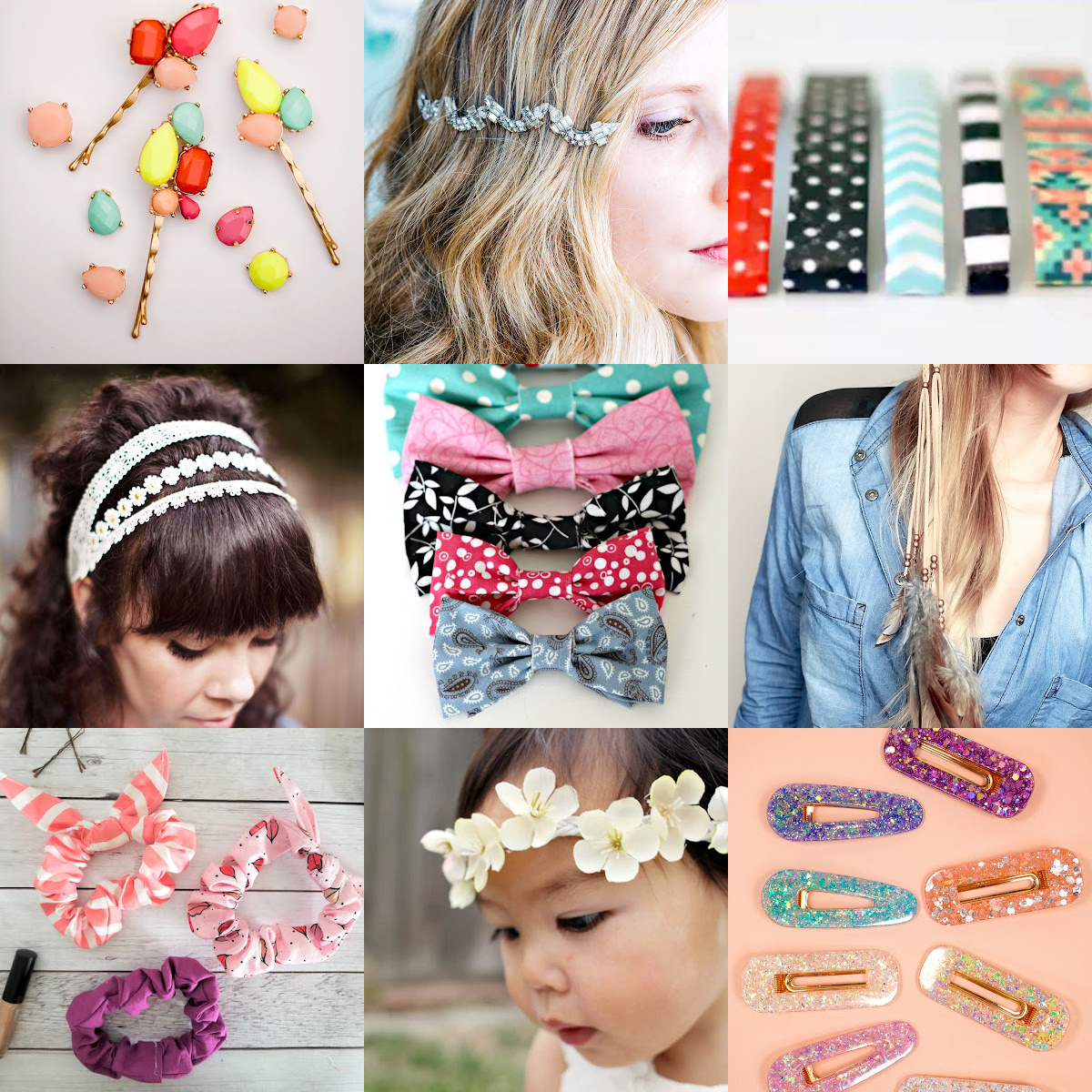
Marketing your handmade accessories is crucial for gaining visibility and attracting potential customers. With the right strategies in place, you can effectively promote your creations both online and at local markets. Understanding your audience and utilizing the right platforms can significantly enhance your sales and brand recognition.Establishing a strong brand identity is essential in the crowded accessories market. Your branding should reflect the uniqueness of your products and resonate with your target audience.
This includes selecting a memorable name, designing a cohesive visual identity, and crafting a compelling brand story that sets you apart from competitors.
Branding Techniques
Creating a recognizable brand goes beyond a logo; it encompasses all aspects of your business. Focus on the following elements:
- Logo and Visuals: Design a simple yet striking logo that reflects your style. Use consistent colors and fonts across all materials.
- Brand Story: Share the inspiration behind your accessories. Customers connect more with products when they know the story behind them.
- Target Audience: Identify your audience and tailor your branding to meet their preferences and values.
- Social Media Presence: Utilize platforms like Instagram and Pinterest to showcase your products visually and engage with your audience.
Packaging Ideas
The packaging of your handmade accessories can enhance the customer experience and reinforce your brand. Effective packaging can also serve as a marketing tool. Consider these aspects:
- Eco-Friendly Materials: Use sustainable packaging to appeal to environmentally conscious consumers.
- Unique Designs: Create eye-catching packaging that reflects your brand identity and makes your products memorable.
- Include a Personal Touch: Adding a handwritten thank-you note can create a personal connection with your customers.
- Practicality: Ensure that the packaging protects your items during shipping while being easy to open.
Customer Engagement Strategies
Engaging with your customers boosts loyalty and encourages repeat purchases. Here are some effective strategies:
- Social Media Interaction: Regularly interact with your followers by responding to comments and messages promptly.
- Email Marketing: Build a mailing list to keep customers informed about new products, promotions, and behind-the-scenes content.
- Customer Feedback: Encourage reviews and testimonials to build trust and improve your offerings based on customer insights.
- Exclusive Offers: Provide special discounts or early access to new collections for loyal customers to foster a sense of belonging.
Comparison of Selling Platforms
Choosing the right selling platform can greatly influence your sales success. Below is a comparison of popular platforms:
| Platform | Pros | Cons |
|---|---|---|
| Etsy | Large audience, easy setup, built-in marketplace | Transaction fees, competition |
| Amazon Handmade | Vast reach, trusted marketplace | High fees, strict rules |
| Social Media (Instagram/Facebook) | Visual appeal, direct customer interaction | Requires consistent engagement, less structured |
| Your Own Website | Full control, unique branding opportunities | Requires marketing efforts, initial setup costs |
Collaborating with Others on DIY Projects
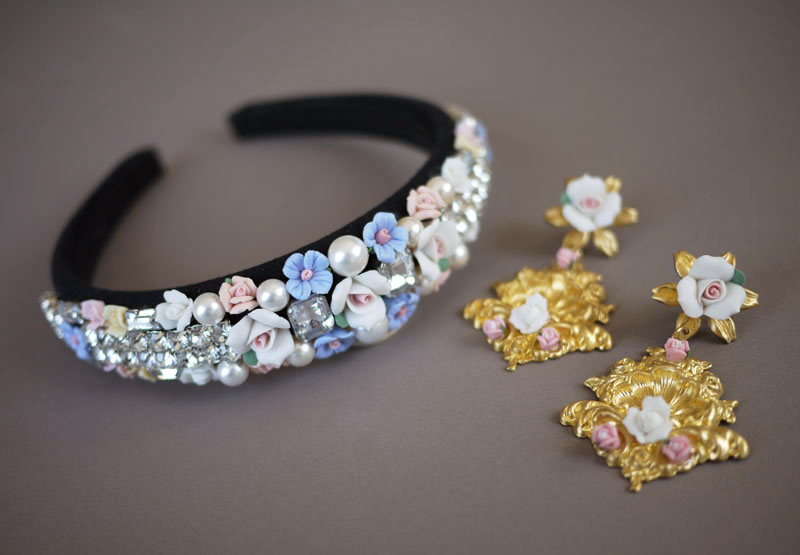
Crafting DIY accessories can be a fun and fulfilling experience, especially when shared with friends or family. Collaborating not only enhances creativity but also builds stronger relationships as participants bond over shared tasks. Working together brings in diverse perspectives, which can lead to innovative accessory designs that might not have been conceived individually.Teaming up for DIY projects allows for the pooling of resources, skills, and ideas, making the crafting process more efficient and enjoyable.
A well-organized group project can lead to memorable experiences and impressive outcomes. Here are some effective methods for organizing group projects that encourage teamwork and creativity:
Organizing Group Projects
Setting goals and dividing tasks are crucial steps in ensuring a successful collaboration. Establishing clear objectives helps keep the team focused and motivated throughout the project. Here are some key strategies for effective organization:
- Define Project Goals: Before diving into the crafting process, hold a brainstorming session to decide on the type of accessories you want to create. This initial meeting sets the tone for the entire project.
- Assign Roles Based on Strengths: Identify individual skills and interests to delegate tasks effectively. For instance, someone good at sewing could take charge of fabric-related tasks, while another person could focus on design and embellishments.
- Set a Timeline: Create a project timeline with deadlines for each phase. This ensures everyone stays on track and provides a sense of accountability.
- Schedule Regular Check-ins: Frequent meetings help keep communication channels open and allow for adjustments if things aren’t going as planned.
“Collaboration multiplies creativity, turning a simple idea into something extraordinary.”
Successful collaboration stories often highlight the lessons learned from working with others. For example, a group of friends decided to create personalized jewelry for a charity event. They each brought unique skills to the table—one was skilled in metalworking, another in beading, and a third in marketing. As they crafted together, they learned valuable lessons about compromise, patience, and the importance of diverse perspectives.
Their project not only resulted in beautiful accessories but also strengthened their friendship and boosted their confidence in their individual abilities.In summary, collaborating on DIY projects offers numerous benefits. By embracing teamwork, setting clear goals, and appreciating each member’s strengths, groups can create stunning accessories and unforgettable memories.
Sustainability in DIY Accessory Making
In today’s world, the importance of sustainability cannot be overstated, especially in the realm of DIY accessory making. Creating your own accessories offers a fantastic opportunity to express creativity while also being mindful of the environmental impact. Incorporating eco-friendly practices into your crafting routine not only helps reduce waste but also promotes the use of sustainable materials, ensuring that each piece you create is both stylish and responsible.To embrace sustainability in your DIY projects, consider the methods you use and the materials you select.
A few practical steps can make a significant difference. First, prioritize the use of eco-friendly materials, which often have a lower carbon footprint and are sourced responsibly. Second, aim to minimize waste by reusing materials whenever possible and planning your projects to reduce scraps. Finally, explore techniques such as upcycling, which involves transforming old or discarded items into something new and valuable.
Importance of Sustainable Materials
Using sustainable materials is crucial in reducing the negative impacts of accessory making on our environment. These materials not only help preserve natural resources but also promote ethical manufacturing practices. Choosing eco-friendly options can significantly reduce environmental harm and result in accessories that are safe for both the maker and the user. Here is a list of sustainable materials that can be used in DIY accessory making, along with their eco-benefits:
- Recycled Paper: Utilizing recycled paper reduces deforestation and uses less energy in production compared to new paper.
- Bamboo: This fast-growing plant requires minimal resources and absorbs a significant amount of carbon dioxide, making it an excellent sustainable choice.
- Organic Cotton: Grown without synthetic pesticides, organic cotton farming promotes biodiversity and soil health.
- Reclaimed Wood: Using wood from old furniture or buildings prevents deforestation and reduces landfill waste.
- Natural Dyes: These dyes derived from plants and minerals are less harmful to the environment than synthetic dyes, which can pollute waterways.
- Biodegradable Plastics: Made from renewable resources, these plastics break down more easily than traditional petroleum-based plastics, reducing pollution.
Incorporating these sustainable materials into your DIY accessories not only enhances your creativity but also contributes positively to the environment. By making conscious choices, you can enjoy the process of creating while being a responsible steward of our planet.
Wrap-Up
In conclusion, embracing DIY accessories ideas not only fuels your creativity but also connects you with the stories behind each piece you create. By experimenting with materials, personalizing designs, and even collaborating with others, you can craft accessories that truly resonate with who you are. So gather your supplies, unleash your imagination, and start making accessories that are as unique as you are!
FAQ Guide
What materials are best for beginners in DIY accessories?
Common materials like beads, fabric scraps, and wire are great for beginners as they are easy to work with and widely available.
How can I personalize my DIY accessories?
You can personalize your accessories by adding initials, names, or meaningful symbols using engraving, embroidery, or paint.
What tools do I need to start making jewelry?
Basic tools include pliers, wire cutters, and a bead mat, along with a selection of beads and findings specific to your design.
Are there eco-friendly materials I can use?
Yes, consider using recycled materials, natural fibers, or biodegradable glues to make your accessories more sustainable.
Can I sell my DIY accessories online?
Absolutely! You can use platforms like Etsy or social media to market your creations, but research your audience and pricing strategies first.