
 Tamara Smith
DIY kitchen decor ideas bring a personal touch to one of the most important spaces in your home. By embracing these creative projects, you can transform your kitchen into a unique haven that reflects your style and personality. Not only do these projects enhance the aesthetic appeal, but they also foster a sense of belonging and comfort, making your cooking and dining experience all the more enjoyable.
From budget-friendly solutions to innovative designs, the world of DIY kitchen decor offers endless possibilities. Whether you’re looking to refresh your space or create something entirely new, understanding the benefits and techniques can help you embark on this rewarding journey.
Explore the benefits of incorporating DIY kitchen decor into your home
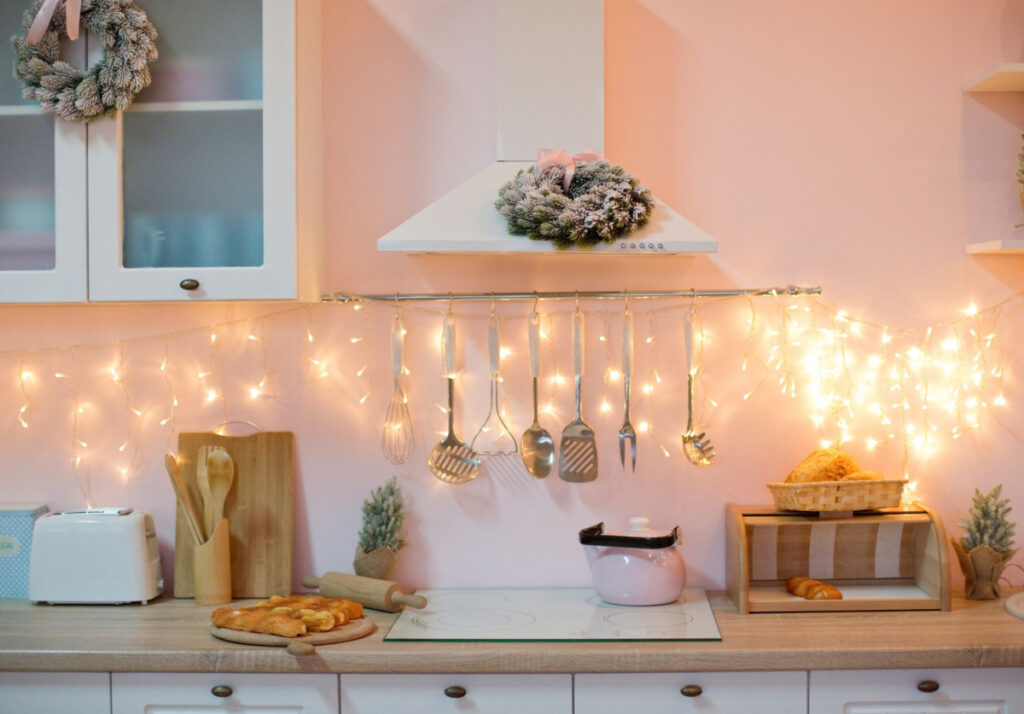
Incorporating DIY kitchen decor into your home offers unique benefits that go beyond mere aesthetics. Personalized decor not only enhances the visual appeal of your kitchen but also positively impacts your emotional well-being and sense of belonging in your space.The act of creating and personalizing kitchen decor can lead to a significant boost in mood and satisfaction. Studies indicate that individuals who engage in DIY projects experience lower levels of stress and higher levels of happiness.
Personalized spaces foster a sense of ownership and identity, contributing to emotional comfort. Additionally, DIY projects have surged in popularity, with reports indicating that nearly 70% of homeowners have engaged in some form of home improvement or decor project in the past year, proving that DIY is not just a trend but a lifestyle choice for many.
Cost-effectiveness of DIY decor
One of the most compelling reasons to consider DIY kitchen decor is its cost-effectiveness compared to purchasing ready-made items. The following points highlight how DIY projects can be budget-friendly:
- Materials Flexibility: When undertaking a DIY project, you have the option to choose materials that fit your budget. Upcycling old furniture or using reclaimed wood can significantly reduce costs.
- Customization Potential: DIY allows for customization that can be achieved without the premium price tag of bespoke furniture or decor. Creating items tailored to your specific needs can save money while ensuring functionality.
- Skill Development: Engaging in DIY projects equips you with skills that can be applied to future home improvement endeavors, reducing reliance on paid services and fostering long-term savings.
- Community Resources: Many communities offer workshops or resources for DIY enthusiasts, providing access to tools and materials that can be borrowed or shared, further cutting down costs.
“DIY projects not only save money but also build a sense of community and personal achievement.”
In summary, the benefits of incorporating DIY kitchen decor extend beyond visual enhancement. From psychological advantages to significant cost savings, embracing DIY can transform your kitchen into a reflection of your personal style while promoting emotional well-being.
Identify the essential tools and materials needed for DIY kitchen decor projects
When diving into the world of DIY kitchen decor, having the right tools and materials is crucial for achieving your vision. Whether you’re looking to create a cozy farmhouse vibe or a sleek modern aesthetic, the tools at your disposal can make all the difference. This guide will highlight the essential items every DIY enthusiast should have, along with common materials used in various projects and important safety precautions to consider.
Essential Tools for DIY Projects
To start your DIY kitchen decor journey, it’s important to equip yourself with a set of reliable tools. Each tool serves a unique purpose and will help streamline your projects. Here’s a comprehensive list of must-have tools:
- Measuring Tape: Essential for taking accurate measurements to ensure that your decor fits perfectly.
- Level: Needed for hanging items straight, particularly shelves or picture frames.
- Utility Knife: Great for cutting materials like cardboard or thin wood.
- Drill and Drill Bits: A versatile tool for making holes for screws or dowels.
- Screwdrivers: Both flat-head and Phillips-head for assembling or disassembling items.
- Paintbrushes and Rollers: Necessary for painting walls or furniture to boost your kitchen’s aesthetic.
- Hot Glue Gun: Ideal for quick fixes and attaching lightweight materials.
- Sandpaper or Power Sander: Useful for smoothing surfaces before painting or staining.
Common Materials for Kitchen Decor
Selecting the right materials can greatly impact the look and durability of your DIY projects. Here’s a rundown of the various materials you might consider:
- Wood: Versatile and classic, wood can be used for shelves, frames, or even furniture. Types like pine or plywood are popular for their workability.
- Fabric: From curtains to table runners, fabric adds warmth and color to your kitchen. Consider cotton or linen for ease of cleaning and upkeep.
- Paint: A simple way to refresh surfaces, choose high-quality paint suitable for kitchens, which can withstand moisture and stains.
- Metal: Use metal accents for a modern look—think shelves or light fixtures made of stainless steel or wrought iron.
- Glass: Perfect for decorative jars, vases, or even as a component in shelving, glass can elevate your decor with elegance.
Safety Precautions in DIY Projects
Safety should always be a priority when engaging in DIY projects. Here are some essential precautions to take while using tools and materials:
- Wear Protective Gear: Always use safety goggles to protect your eyes and consider gloves to prevent cuts or scrapes.
- Follow Tool Instructions: Familiarize yourself with the operating instructions for each tool to mitigate the risk of accidents.
- Work in a Well-Ventilated Area: Ensure proper ventilation when using paint or adhesives to avoid inhaling harmful fumes.
- Keep Your Workspace Organized: A clear workspace will help prevent accidents and allow you to work more efficiently.
- Store Tools Properly: After use, return tools to their designated spots to avoid tripping hazards and ensure longevity.
Design a theme for DIY kitchen decor that reflects personal style
Creating a kitchen that feels like home involves more than just functionality; it’s about expressing your personal style through decor. A well-thought-out theme can transform an ordinary kitchen into a welcoming space that reflects your tastes and preferences. In this section, we’ll explore various kitchen styles, how to select complementary colors, and tips for personalizing your kitchen decor.
Exploring Different Kitchen Styles
When designing a kitchen theme, understanding the various styles available can help guide your choices. Each style brings its own unique charm and aesthetic, contributing to the overall atmosphere of your space. Here are a few popular kitchen styles to consider:
- Farmhouse: Characterized by its rustic charm, farmhouse kitchens often feature shiplap walls, weathered wood accents, and vintage decor elements. Think about incorporating open shelving with mason jars, a farmhouse sink, and warm, inviting colors.
- Modern: Modern kitchens embrace minimalist design, focusing on sleek lines, innovative materials, and a clean aesthetic. This style often includes high-gloss cabinets, stainless steel appliances, and a neutral color palette with occasional bold accents.
- Rustic: Rustic kitchens celebrate natural materials and a cozy vibe. Elements like exposed beams, stone countertops, and earthy color palettes create a warm atmosphere. Incorporating handmade pottery or woven baskets can enhance the rustic feel.
Choosing a Complementary Color Palette
Selecting a color palette is a crucial step in achieving a cohesive look in your kitchen. The colors you choose should harmonize with your existing appliances and cabinets, enhancing the overall design rather than clashing with it. Consider the following tips for choosing an effective color scheme:
- Examine existing elements: Take note of your cabinet colors and appliances. If you have stainless steel appliances, colors like navy blue, charcoals, or muted greens can create a sophisticated contrast.
- Use color theory: Complementary colors (opposite on the color wheel) can create striking contrasts, while analogous colors (next to each other on the color wheel) provide a more harmonious look. For instance, pairing soft greens with light yellows can evoke a relaxed, earthy feel.
- Test samples: Always test paint samples on your walls before committing. Lighting can drastically change how colors appear, so it’s important to see how they interact throughout the day.
Incorporating Personal Items into Your Decor Theme
Adding personal items can elevate your kitchen decor, making it a true reflection of your personality and history. Here are some creative ways to incorporate personal touches into your kitchen theme:
- Display family heirlooms: Use antique cookware, vintage serving dishes, or family photographs in decorative frames as focal points. These items can tell a story and add character to your space.
- Create a gallery wall: Dedicate a wall to displaying art, family photos, or handmade crafts. This not only personalizes your kitchen but also provides visual interest.
- Integrate personal collections: If you have a collection of cookbooks, teapots, or spices, consider showcasing them on open shelves. This can serve as both practical storage and a decorative element.
Create step-by-step guides for making popular DIY kitchen decor items
Transforming your kitchen with DIY decor can elevate the space into a cozy, personalized area. By using simple materials and a touch of creativity, anyone can craft beautiful items that add charm and functionality to their kitchen. Below, we’ll explore some popular DIY projects that are perfect for enhancing your kitchen’s aesthetic appeal.
Chalkboard Wall or Decorative Shelving
Creating a chalkboard wall or decorative shelving can add a functional and stylish touch to your kitchen. A chalkboard wall serves as a writable surface for notes, grocery lists, or even doodles, while decorative shelving provides a place to display kitchen essentials or decorative items.To create a chalkboard wall:
1. Choose a Wall
Select a wall or section of a wall in your kitchen that you frequently use.
2. Prepare the Surface
Clean the wall thoroughly. If necessary, sand down any rough areas for a smooth finish.
3. Tape Off the Area
Use painter’s tape to Artikel the area you want to paint.
4. Apply Chalkboard Paint
Use a roller to apply two or more coats of chalkboard paint, allowing each coat to dry completely.
5. Cure the Surface
Once the paint is dry, rub the side of a piece of chalk over the surface to cure it before writing on it.
6. Personalize
Add drawings, quotes, or lists as you see fit.For decorative shelving:
1. Select Your Materials
Choose wood planks for shelves and brackets that complement your kitchen style.
2. Measure and Mark
Determine where you want to install the shelves, then mark the wall where the brackets will go.
3. Install Brackets
Use a level to ensure the brackets are straight, then secure them to the wall with screws.
4. Add Shelves
Place the wooden planks on the brackets.
5. Decorate
Arrange your favorite dishes, plants, or decor items on the shelves for a personalized touch.
Personalizing Kitchen Curtains or Table Runners
Customizing kitchen curtains or table runners not only enhances your kitchen aesthetics but also reflects your personal style. To personalize kitchen curtains:
1. Choose Fabric
Select a fabric that complements your kitchen color scheme and has a pattern you love.
2. Measure the Windows
Measure the width and height of each window to determine the fabric needed.
3. Cut Fabric
Cut the fabric to the appropriate size, adding extra for hems.
4. Sew Hems
Fold the edges over and sew to prevent fraying. For a no-sew option, use fabric glue or adhesive tape.
5. Attach to Rod
Use curtain clips or a rod pocket for easy hanging.For table runners:
1. Select Fabric
Choose fabric that matches or contrasts with your table settings.
2. Measure Table Length
Determine the desired length and width of the runner.
3. Cut and Hem Fabric
Cut the fabric and sew or glue the edges to finish.
4. Add Personal Touches
Consider adding stencils, embroidery, or patches that reflect your kitchen theme.
Upcycling Old Kitchen Items into New Decor Pieces
Upcycling is a fantastic way to give old kitchen items a new life while being eco-friendly. This not only saves money but also adds unique charm to your kitchen decor.To upcycle old kitchen items:
1. Gather Items
Collect items like old jars, utensils, or wooden crates.
2. Clean Thoroughly
Ensure all items are clean and free from any residue or labels.
3. Transform with Paint
Use spray paint or chalk paint to refresh the look of items such as jars or utensils.
4. Create New Uses
Repurpose jars as utensil holders or vases, and old crates can be painted and used as shelving or storage.
5. Add Decorative Touches
Use twine, labels, or stencils to personalize your upcycled items further.By following these steps, you can successfully create stunning DIY kitchen decor that showcases your personality and enhances your cooking space.
Organize tips for maintaining and refreshing DIY kitchen decor
Maintaining and refreshing your DIY kitchen decor can enhance the charm and functionality of your space. Taking care of your homemade decor items ensures they remain beautiful over time, while seasonal updates keep your kitchen feeling vibrant and welcoming. Here are some effective strategies to help you with both longevity and renewal in your kitchen decor.
Cleaning and Caring for Homemade Decor Items
Proper maintenance of your DIY kitchen decor is crucial for extending its lifespan. Each material may require different cleaning methods to prevent damage. Below are general tips tailored to common decor materials:
- Wood Items: Use a damp cloth and mild soap for cleaning. Avoid soaking wood in water to prevent warping. Regularly apply a food-safe mineral oil to maintain moisture and luster.
- Fabric or Upholstered Decor: Vacuum regularly to remove dust. Use a fabric cleaner for stains, and follow wash instructions if removable covers are available.
- Glass or Ceramic Pieces: Clean with a gentle glass cleaner or warm soapy water. Avoid abrasive materials that may scratch the surface.
- Painted Surfaces: Wipe down with a damp cloth. If paint begins to chip, a quick touch-up can restore its look.
Seasonal Updates for a Fresh Feel
Changing up decor seasonally can create a refreshing atmosphere in your kitchen. Consider these easy updates that can be done with minimal effort:
- Switch Out Textiles: Change tablecloths, dish towels, and curtains to reflect seasonal colors and patterns, such as autumn leaves or spring florals.
- Seasonal Centerpieces: Create a centerpiece using seasonal fruits or flowers. For example, a bowl of citrus fruits in winter can brighten your kitchen.
- Wall Decor Changes: Rotate wall art or add seasonal prints. You can create your own seasonal-themed prints easily with some simple crafting materials.
- Outdoor-Inspired Decor: Incorporate natural elements such as pinecones in the winter or seashells in the summer for a seasonal touch.
Easy DIY Projects After Initial Decor Completion
Even after you’ve completed your primary DIY kitchen decor, there are several simple projects that can easily enhance your space. Engaging in new projects keeps your kitchen dynamic and allows for personal expression:
- Magnetic Spice Rack: Create a magnetic spice rack using small jars and magnets. This not only saves space but also adds a unique aesthetic.
- Customized Dish Drying Rack: Paint or stain a plain dish drying rack to match your kitchen color scheme. This simple update can make a big difference.
- Seasonal Garlands: Craft garlands using theme-appropriate items, like popcorn for winter or flowers for spring, to hang above counters or windows.
- Personalized Recipe Holder: Convert an old frame into a recipe holder by adding a clip or string. This keeps your favorite recipes accessible and stylish.
Regular upkeep and creative updates are key to a lively and inviting kitchen atmosphere.
Demonstrate how to incorporate nature into DIY kitchen decor
Bringing nature into your kitchen decor not only enhances its aesthetic appeal but also promotes a healthy and refreshing environment. By incorporating plants, herbs, and natural materials, you can create a vibrant and inviting space that fosters creativity and joy in cooking. Nature-inspired elements can make your kitchen feel more alive and connected to the outdoors, making it a more enjoyable place to spend time.
Benefits of Using Plants and Herbs in Kitchen Design
Integrating plants and herbs into your kitchen design offers a range of benefits that go beyond mere decoration. They can purify the air, boost your mood, and even provide fresh ingredients for your meals. The presence of greenery can create a calming atmosphere, making cooking a more enjoyable experience. Additionally, having herbs readily available can enhance your culinary creations while promoting a healthier lifestyle.
Creative Ways to Display Indoor Plants or Herb Gardens in Small Spaces
Maximizing space is crucial in smaller kitchens, and there are numerous innovative ways to incorporate plants without overwhelming your area. Consider the following strategies to creatively display your indoor plants or herb gardens:
- Vertical Gardens: Utilize wall-mounted planters to create a stunning vertical garden. This allows you to grow herbs and small plants without taking up counter space.
- Hanging Planters: Use macramé hangers or decorative containers to suspend plants from the ceiling or wall brackets. This adds dimension and draws the eye upward.
- Windowsill Gardens: Leverage natural light by placing herb pots on your windowsill. This not only looks appealing but ensures your plants get ample sunlight.
- Tiered Stands: Invest in tiered plant stands to create levels for your plants, allowing for better visibility and easier access while saving space.
Creating Natural Decor Elements with Wooden Accents or Stone Features
Natural decor elements can significantly enhance the warmth and texture of your kitchen. Incorporating wooden accents or stone features can create a rustic and earthy atmosphere. Here are some ideas to consider:
- Wooden Shelves: Install open wooden shelves to exhibit your plants or kitchenware. The natural grain of wood adds charm and character to the space.
- Stone Countertops: Opt for stone countertops or a stone backsplash to add an organic feel. Materials like granite or marble not only look elegant but are also durable.
- Wooden Cutting Boards: Use wooden cutting boards as functional decor. Display them on countertops or hang them on the wall for a rustic touch.
- Natural Wood Accents: Incorporate natural wood elements, such as stools or dining tables, to create a cohesive look that ties in the organic theme.
“Incorporating natural elements into your kitchen can transform it into a serene and inviting space, making cooking a joyful experience.”
Share innovative DIY storage solutions that double as decor
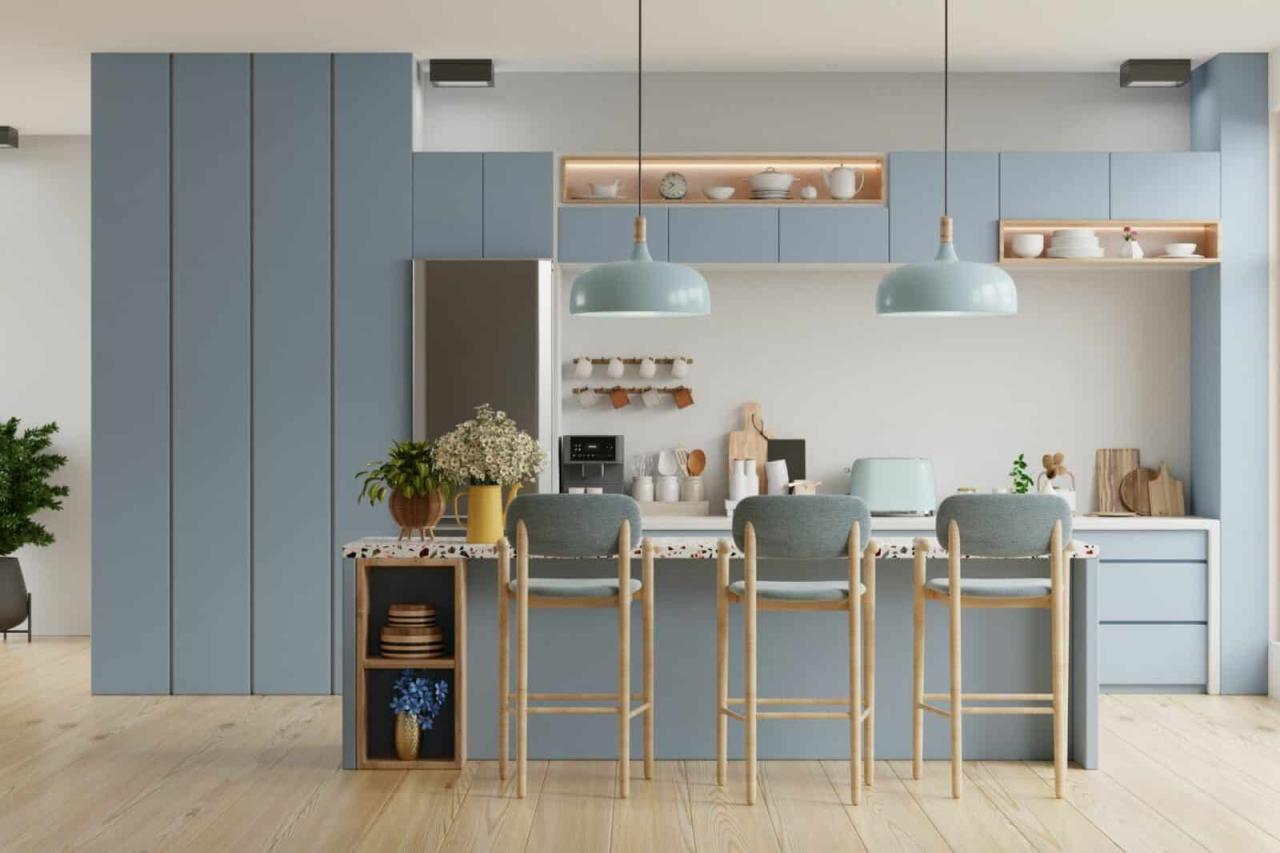
Innovative DIY storage solutions can transform your kitchen from cluttered chaos into a beautifully organized space. By combining functionality with style, decorative storage items can serve a dual purpose: keeping your essentials tidy while enhancing the overall aesthetic of the room. This approach not only makes the kitchen more enjoyable to work in but also elevates its visual appeal.Creating decorative storage solutions like jars and baskets is an enjoyable project that adds personal flair to your kitchen.
By selecting materials that match your design vision, you can craft unique pieces that complement your décor while providing practical storage. Consider utilizing clear jars, wicker baskets, or even repurposed containers to organize your spices, utensils, and pantry items.
Creating Decorative Storage Solutions
When designing your storage solutions, consider the following methods that combine decorative appeal with practical organization:
1. Mason Jar Organizers
Mason jars are versatile and can be used to store a variety of kitchen items, from dried herbs to pasta. To create a cohesive look, paint the lids in a color that matches your kitchen’s theme. Use a wooden board to attach multiple jars, turning them into a wall-mounted storage solution that doubles as art.
2. Wicker Baskets
Wicker baskets provide ample storage while adding a rustic charm to your kitchen. Label baskets using chalkboard tags for easy identification. Place them on open shelves or under cabinets to keep produce, snacks, or kitchen linens organized and within reach.
3. Repurposed Containers
Upcycle old tins or canisters by painting them or covering them with decorative paper. These can be used for everything from holding utensils to storing baking supplies. Display them on your countertop or in a cabinet for a functional yet stylish look.
4. Hanging Storage
Utilize vertical space by installing hooks or racks to hang pots, pans, or utensils. Choose designs that complement your kitchen style, like a sleek metal rack for a modern look or a wooden one for a farmhouse vibe. This not only saves space but also decorates your walls.
5. Tiered Stand
A tiered stand can serve as both a decorative piece and a functional storage solution. Use it to display fruits, spices, or even small potted herbs. Its height maximizes counter space while adding a charming focal point.The importance of organization in kitchen decor cannot be overstated. A well-organized kitchen enhances workflow and reduces stress during meal preparation.
Keeping items easily accessible and neatly arranged also elevates the beauty of your space, making it more inviting for family and guests. Furthermore, when everything has a designated spot, it simplifies cleaning and maintenance, allowing you to enjoy your kitchen even more.
“An organized kitchen is not just about functionality; it’s a key element in creating a beautiful living space.”
Compare various DIY techniques and crafts for kitchen decor
When it comes to sprucing up your kitchen, DIY decor projects offer a fun and creative outlet. There are numerous crafting methods to choose from, each with its own unique flair. From painting to stenciling and sewing, these techniques can transform your kitchen into a personalized space that reflects your style. Below, we explore popular DIY techniques, weighing their pros and cons, along with examples of successful projects that highlight each method’s potential.
Painting for Kitchen Decor
Painting is one of the most versatile and cost-effective methods for DIY kitchen decor. It allows for a wide range of artistic expression through color and design. This technique can be applied to walls, cabinets, and furniture, offering a fresh look without the need for extensive renovations.Pros:
- Affordable materials like paint and brushes are easily accessible.
- Quick application, allowing for rapid updates.
- Wide variety of colors and finishes are available.
Cons:
- Requires some skill for clean lines and professional-looking results.
- Time-consuming if multiple coats are needed.
- Messy process; proper protection is necessary to avoid spills.
Case Study: A homeowner transformed her dated kitchen by painting the cabinets a vibrant navy blue. This not only modernized the space but also created a stunning contrast against white walls, making the kitchen feel more inviting.
Stenciling as a Decor Technique
Stenciling adds intricate designs to surfaces, making it an excellent choice for adding character to your kitchen decor without significant investment. This technique can be employed on walls, furniture, or even appliances.Pros:
- Creates detailed and personalized designs with relative ease.
- Can be done on various surfaces using different materials.
- Allows for creativity and customization.
Cons:
- Requires precision to avoid errors in design replication.
- Can be time-consuming, especially for larger areas.
- Some stencils may be costly, depending on complexity and material.
Example: In a charming farmhouse kitchen, stenciled patterns of herbs and flowers were applied to the backsplash tiles. This not only enhanced the aesthetic appeal but also created a cohesive theme throughout the space.
Sewing for Soft Furnishings
Sewing is another excellent technique for adding warmth and comfort to your kitchen decor. Whether it’s creating custom curtains, table runners, or cushion covers, sewing allows for the incorporation of fabrics that can complement or contrast with existing decor.Pros:
- Offers endless possibilities in terms of fabric choice and design.
- Custom pieces can fit any specific measurement or style requirement.
- Durable and can withstand wear and tear in high-traffic areas.
Cons:
- Requires sewing skills and appropriate equipment.
- Potentially higher material costs if using quality fabrics.
- Time-intensive, particularly for beginners.
Real-Life Application: An enthusiastic DIYer created a series of custom curtains using cheerful gingham fabric to frame her kitchen windows. Not only did this project enhance the visual appeal, but it also allowed her to control the light entering the space, providing functional benefits.
“DIY decor not only reflects personal style but also brings a sense of accomplishment and creativity to your home.”
The choice of DIY technique ultimately depends on individual preferences, skills, and budget. Each method brings its own advantages and challenges, but the satisfaction of seeing your vision come to life makes the effort worthwhile. With the right approach, DIY kitchen decor can become a rewarding and enjoyable project for anyone looking to enhance their cooking space.
Last Recap
In conclusion, embracing DIY kitchen decor ideas is a fantastic way to infuse your home with creativity and individuality. By utilizing simple materials and tools, you can craft stunning pieces that not only enhance your kitchen’s beauty but also serve functional purposes. So, gather your supplies, choose a theme that resonates with you, and let your creativity flourish as you elevate your kitchen space.
Expert Answers
What are some budget-friendly DIY kitchen decor ideas?
Consider upcycling old furniture, creating your own artwork, or using inexpensive materials like wood pallets to craft shelves.
How can I ensure my DIY projects are safe?
Always read safety instructions for tools, wear protective gear, and work in a well-ventilated area when using paints and adhesives.
What types of plants are best for kitchen decor?
Herbs like basil, mint, and rosemary are great choices, as they are both decorative and useful in cooking.
How can I keep my DIY decor looking fresh?
Regularly dust and clean your decor items, and consider seasonal updates like adding new colors or elements to maintain a fresh look.
Are there specific tools I should have for DIY kitchen projects?
Basic tools include a screwdriver, hammer, measuring tape, and crafting supplies like glue, scissors, and paint tools.