
 Tamara Smith
DIY bedroom decor ideas are a fantastic way to infuse your personal style into your space while keeping it cozy and inviting. By incorporating unique elements, you can transform your room into a true reflection of who you are, enhancing both your mood and comfort. This guide will explore various aspects of DIY decor, from affordable sourcing of materials to innovative design techniques that breathe new life into your bedroom.
Whether you’re looking to repurpose household items or create stunning wall art, embracing a DIY approach empowers you to craft a space that’s distinctly yours. With creativity at your fingertips, the possibilities are endless, and you’ll find that personal touches can make all the difference in establishing an atmosphere that feels uniquely comfortable and stylish.
Explore the significance of personalizing your bedroom decor
Creating a personalized bedroom space goes beyond mere aesthetics; it plays a crucial role in enhancing both mood and comfort. The bedroom is a sanctuary where individuals retreat to unwind, relax, and express their identity. By incorporating personal touches into your decor, you can transform this space into a reflection of who you are, ultimately shaping your emotional environment.Personal touches in decor significantly enhance mood and comfort by fostering a sense of belonging and peace.
From the colors you choose to the art that adorns your walls, these elements work together to create an atmosphere that resonates with your personal experiences and memories. Unique decor choices not only brighten the space but also communicate your personality and passions. For instance, a gallery wall filled with photographs from your adventures can evoke nostalgia and joy, while a cozy reading nook with cherished books can invite relaxation and focus.
Methods to evaluate personal style preferences in decor
Understanding your personal style preferences is essential in creating a bedroom that truly reflects your individuality. Evaluating these preferences can be approached through several practical methods. By engaging with the following strategies, you can discover what resonates with you most.First, consider creating a mood board. This visual compilation can include color swatches, fabric samples, and images of rooms that inspire you.
It allows you to see patterns in your preferences, whether you lean towards minimalist designs or prefer bohemian flair. Additionally, exploring home decor magazines and online platforms can provide insights into current trends and timeless styles. Pay attention to what catches your eye, as this often reveals your innate tastes. Lastly, reflecting on your lifestyle and daily routines can guide your choices.
For example, if you enjoy hosting friends, consider a layout that allows for social interaction, or if you value tranquility, opt for soothing colors and soft textures.
“Your bedroom should be a reflection of who you are, providing both comfort and inspiration.”
Identify affordable sources for DIY bedroom decor materials
Finding budget-friendly materials for DIY bedroom decor can transform your space without breaking the bank. By creatively sourcing supplies, you can not only save money but also give your room a unique, personalized touch. This process often involves repurposing items you already own or discovering hidden gems in unexpected places.One effective way to gather materials is by looking around your home for items that can be repurposed or updated.
These items can be transformed into beautiful decor pieces with minimal effort. Here’s a list of common household items that can easily find a new life in your bedroom decor:
Common household items for repurposing
Repurposing everyday objects is an excellent way to create decor while being resourceful. Here are several items that can be utilized:
- Old picture frames: These can be painted or embellished to create unique wall art or to display art prints.
- Glass jars: Perfect for organizing small items or as decorative vases for flowers.
- Wooden pallets: Great for creating rustic shelves or headboards.
- Fabric scraps: Can be sewn into cushion covers, wall hangings, or used for various textile projects.
- Books: Stack them to create side tables or use their covers as decorative art pieces.
In addition to repurposing items at home, there are several places to find budget-friendly supplies that can enhance your DIY projects. These sources not only save you money but also encourage sustainable shopping habits.
Budget-friendly supply sources
Exploring various locations can uncover significant savings on decor materials. Below are some popular sources for finding affordable supplies:
- Thrift stores: Local thrift shops are treasure troves for unique items, from furniture to decorative accessories at a fraction of retail prices.
- Garage sales: Neighborhood sales can yield great items for decor, from vintage furniture to art pieces.
- Online marketplaces: Websites like Facebook Marketplace, Craigslist, or OfferUp allow you to find deals from people in your area.
- Dollar stores: These can be excellent for basics and craft supplies, offering a range of items for DIY projects.
- Craft stores: Look for clearance sections or coupons to save on materials like paints, fabrics, and embellishments.
Utilizing such sources not only helps in saving money but also aids in reducing waste and promoting sustainability through recycling and upcycling.
“Each item you repurpose tells a story, adding character to your space while being kind to the environment.”
Incorporating sustainable practices into your decor not only elevates your bedroom’s aesthetic but also contributes to environmental well-being. By choosing to repurpose and shop second-hand, you make a positive impact on both your budget and the planet.
Create a step-by-step guide for designing a DIY wall art project
Creating your own wall art can add a unique touch to your bedroom decor, elevating the ambiance and making the space feel more personal. This guide will walk you through the materials needed, various techniques to design or paint your art piece, and how to arrange your final creations for maximum visual impact.
Materials needed for creating wall art
To begin your DIY wall art project, gather the following materials that will serve as the foundation for your creative expression:
Choose a size that fits your vision and available space. A canvas can be a great option for painting, while wood provides a rustic feel. Don’t forget to wear an apron and gloves to protect your skin and clothes from paint splatters.
Techniques to design or paint the art piece
Once you have your materials ready, consider experimenting with various techniques to bring your wall art to life. Here are some popular methods that will help you discover your artistic style:
Use bold, sweeping brushstrokes and a variety of colors to create an abstract piece. Layer colors for depth and texture, and don’t be afraid of drips or splatters for a dynamic effect. Combine different materials like fabric, paper, and photos. Layer them on your canvas or panel using glue, creating a unique blend of textures and visuals. Utilize painter’s tape to create sharp lines and angles. Paint inside the shapes for a clean and modern look. Use natural elements or colors to reflect the outdoors. Incorporate leaves, flowers, or landscapes into your designs, giving a backdrop of tranquility.
Arranging the final art pieces on the wall
Once your art pieces are complete, the next step is to arrange them on your wall for a stunning visual display. Here are some tips for effective arrangement:
Create a cohesive gallery wall by mixing different sizes and styles. Lay out the arrangement on the floor first to visualize the final look. Choose one standout piece as the focal point and arrange the other pieces around it. This draws the eye and creates balance.
Creating DIY wall art is not just about the final product; it’s about enjoying the process of self-expression and personalizing your space.
Demonstrate how to incorporate nature into your bedroom decor
Incorporating nature into your bedroom decor not only beautifies your space but also enhances your well-being. The presence of natural elements, particularly plants, can create a calming atmosphere, improve air quality, and promote relaxation. By introducing greenery, you can transform your bedroom into a serene oasis that reflects your personal style while also nurturing your connection to nature.Plants serve as dynamic decor elements that can add life and energy to your bedroom.
They offer a range of benefits, including improved indoor air quality and reduced stress levels. Furthermore, the act of caring for plants can be therapeutic, providing a sense of accomplishment and joy. The right plant selection can also complement your existing decor, bringing harmonious colors and textures into play.
Advantages of using plants as decor elements
Integrating plants into your bedroom decor enhances both aesthetic appeal and functionality. Here are the key advantages of using plants:
- Air purification: Many plants filter toxins from the air, contributing to a healthier indoor environment.
- Stress reduction: Being around greenery can lower stress and anxiety levels, promoting a sense of calm.
- Increased humidity: Plants release moisture, which can improve humidity levels, benefiting skin and respiratory health.
- Aesthetic versatility: With various shapes, sizes, and colors, plants can fit any decor style.
- Emotional connection: Caring for plants can foster a nurturing mindset and stimulate happiness.
Low-maintenance indoor plants suitable for bedrooms
Selecting the right plants is crucial, especially if you prefer low-maintenance options. Here are some indoor plants that thrive in bedrooms without requiring extensive care:
- Snake Plant: Known for its striking upright leaves, it is incredibly resilient and can tolerate low light conditions.
- Pothos: This trailing plant is perfect for hanging baskets or shelves and requires minimal watering.
- ZZ Plant: With glossy, dark green leaves, it thrives in low light and needs watering only when the soil is dry.
- Peace Lily: Recognized for its beautiful white blooms, it can thrive in shade and only needs occasional watering.
- Spider Plant: Easy to care for, it produces “pups” that can be propagated, adding to your decor effortlessly.
Designing a plant display that complements existing decor
Creating a cohesive plant display requires thoughtful consideration of your existing decor. A well-planned arrangement can enhance the overall aesthetic of your bedroom. Here are effective strategies to design a plant display:
- Use varying heights: Arrange plants of different heights to create visual interest; taller plants can be placed at the back or on higher surfaces.
- Color coordination: Choose pots that match or complement your color scheme, whether it’s neutral tones or bold hues.
- Group plants: Cluster plants together in groups of odd numbers for a more organic, natural look.
- Incorporate decorative pots: Utilize unique or artistic pots to serve as statement pieces while housing your plants.
- Utilize shelves or stands: Maximize space by using tiered plant stands or shelves to display plants at varying levels.
“Integrating plants into your bedroom decor not only beautifies the space but also enhances your well-being.”
Share innovative storage solutions that double as decor
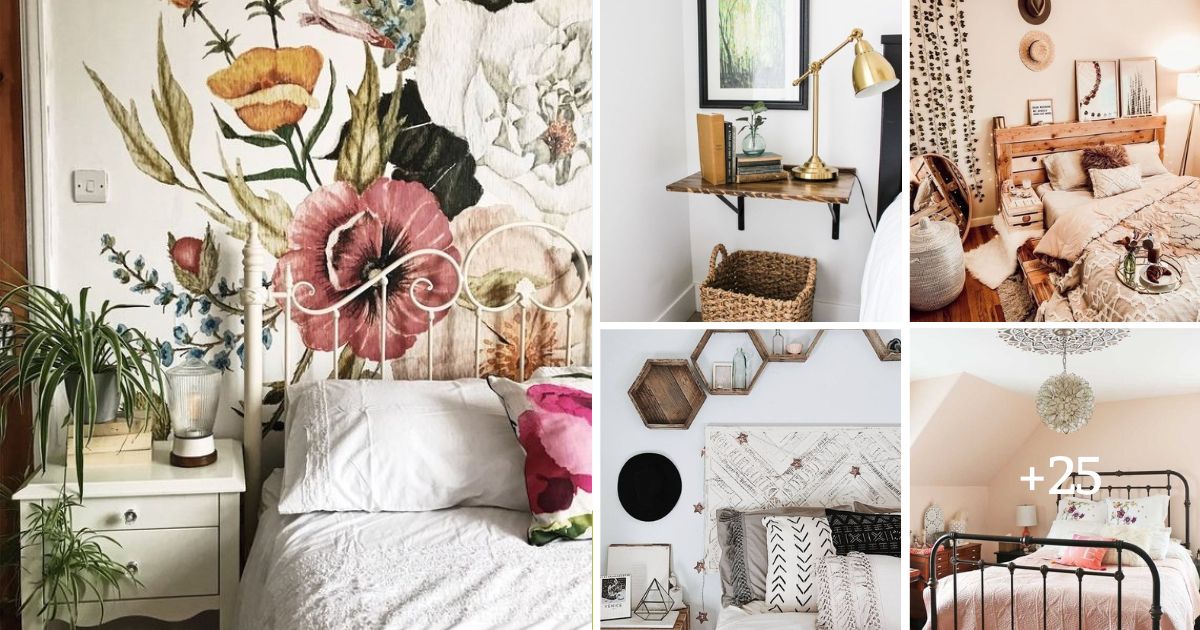
Transforming your bedroom into a stylish yet functional space can be achieved through innovative storage solutions that also serve as decorative elements. By combining aesthetics with practicality, you can create an organized environment that enhances your personal style. Let’s explore some creative ideas that will help you maximize storage while adding charm to your bedroom decor.
Decorative Baskets and Boxes for Storage
Decorative baskets and boxes are versatile storage solutions that can seamlessly blend into your bedroom’s design. They not only help in organizing clutter but also add texture and visual interest to the space. Here are some ideas on using these items effectively:
- Natural Fiber Baskets: Woven baskets made from materials like seagrass or rattan can be placed on shelves or the floor. They provide an earthy aesthetic while storing items like blankets, magazines, or toys.
- Painted or Fabric-Covered Boxes: Choose boxes that complement your room’s color palette. These can be stacked on shelves or used as bedside tables to store personal items like journals or chargers.
- Labelled Baskets: For a more organized look, label your baskets. This not only keeps things tidy but also adds a personalized touch to your decor.
Shelving as Both Storage and Display
Shelving units can serve a dual purpose by providing storage space while also showcasing decorative items. When arranged thoughtfully, shelves can become a focal point of the room. Here’s how to make the most of your shelving:
- Floating Shelves: Installing floating shelves allows for the display of books, plants, and decorative objects. This creates a stylish way to utilize vertical space without taking up floor area.
- Mixed Use Shelving: Combine open shelves with closed units. Use the closed units for less visually appealing items and reserve the open shelves for art pieces, photos, or unique collectibles.
- Tiered Shelving: A tiered shelf can showcase items at different heights, adding depth and interest. Incorporate small potted plants or candles to enhance the look.
Furniture with Hidden Storage Opportunities
Selecting furniture that incorporates hidden storage can significantly increase organization in a small space. Here are several furniture types that effectively disguise storage:
- Storage Beds: Beds with built-in drawers or lift-up mattresses provide ample space for linens, clothing, or seasonal items, keeping them out of sight but easily accessible.
- Ottomans with Storage: Ottomans that open up can serve as both seating and a place to store blankets, books, or games, making them a functional addition to your room.
- Console Tables with Drawers: A console table can be placed against a wall or the foot of the bed, offering a flat surface for decor while hiding away items in its drawers.
“Incorporating functional decor not only enhances your bedroom’s style but also keeps it organized and clutter-free.”
Elaborate on the role of lighting in enhancing bedroom atmosphere
Lighting plays a pivotal role in shaping the ambiance and functionality of a bedroom. It not only illuminates the space but also influences mood, comfort, and aesthetic appeal. By strategically incorporating various types of lighting, you can create a haven that is both inviting and practical. Understanding the different lighting options available and how to effectively layer them can transform a simple room into a serene retreat.
Types of lighting options suitable for bedrooms
There are three main types of lighting to consider when designing your bedroom: ambient, task, and accent lighting. Each serves a distinct purpose and contributes to the overall atmosphere.
- Ambient Lighting: This is the primary source of light in the room, providing overall illumination. Examples include ceiling-mounted fixtures, chandeliers, and wall sconces. Soft, warm bulbs can create a soothing atmosphere.
- Task Lighting: Task lighting is focused and functional, meant for specific activities like reading, studying, or applying makeup. Table lamps, floor lamps, and bedside reading lights are common examples.
- Accent Lighting: Accent lighting adds drama and highlights certain features in the bedroom, such as artwork or architectural details. This can be achieved through spotlights, LED strips, or decorative wall sconces.
Layering lighting for a cozy and functional space
Layering lighting involves combining different types of light sources to create depth and flexibility in the room’s illumination. This technique allows you to adjust the lighting according to various activities and moods throughout the day.To effectively layer your lighting, consider the following strategies:
- Combine Sources: Use ambient light as your base, then add task and accent lighting as needed. For instance, a ceiling fixture provides overall light, while bedside lamps serve as task lighting for reading.
- Adjust Brightness: Incorporate dimmer switches to control the intensity of your ambient lighting. This can help set the mood for relaxation or energize the space when needed.
- Consider Color Temperature: Choose bulbs with a warm color temperature (around 2700K to 3000K) for a cozy vibe, while cooler temperatures (above 4000K) can be stimulating and bright, suitable for daytime use.
Choosing light fixtures that align with the overall decor theme
Selecting light fixtures that harmonize with your bedroom’s decor is essential for a cohesive look. The style, material, and color of your fixtures should complement the existing design elements in the room.When choosing fixtures, keep these points in mind:
- Match the Style: Whether your bedroom has a modern, vintage, or bohemian theme, select fixtures that reflect that style. For example, sleek metal fixtures work well in contemporary spaces, while ornate chandeliers suit traditional decor.
- Focus on Function: Ensure that the fixtures you choose not only look good but also meet the practical needs of the space. For instance, adjustable reading lamps are perfect for bedside tables.
- Consider Scale and Proportion: The size of the fixtures should be proportionate to the room. Large fixtures can make a statement in spacious rooms, while smaller fixtures are better suited for compact spaces.
Discuss the importance of color schemes in DIY bedroom decor
Color schemes play a pivotal role in the aesthetic and emotional atmosphere of your bedroom. The right colors can transform a space, making it feel cozy, vibrant, or serene, depending on your personal preferences. Choosing a color palette that resonates with your style while also catering to comfort is essential in creating a welcoming environment conducive to relaxation and rest.Color affects mood and perception significantly, especially in a bedroom setting.
Studies have shown that colors can influence emotions, energy levels, and even productivity. For instance, warm tones such as reds and yellows can evoke feelings of warmth and energy, making them suitable for social spaces but potentially overwhelming in a bedroom. On the other hand, cool colors like blues and greens are known for their calming effects, promoting relaxation and sleep.
Selecting a harmonious color palette
Creating a harmonious color palette involves understanding the relationships between colors and how they interact in a space. Here are some guidelines for selecting the right colors for your bedroom:
1. Understand Color Theory
Familiarize yourself with the color wheel, which illustrates the relationships between primary, secondary, and tertiary colors. Colors opposite each other on the wheel, known as complementary colors, can create vibrant contrasts, while analogous colors (those next to each other) offer a more subtle and cohesive look.
2. Consider the Size of the Room
Lighter colors can make a small bedroom feel larger and airier, while darker shades can add depth and coziness to a large space. Assess your room’s dimensions before deciding on a palette.
3. Use a Base Color
Choose a neutral base color that will dominate the walls and larger furniture pieces. This provides a calm backdrop that can be accented with bolder colors through decor elements.
4. Limit Your Palette
Aim for a maximum of three main colors for simplicity. This helps maintain a cohesive look and prevents the space from feeling chaotic.
5. Test Before You Commit
Paint samples on the walls and observe how they change throughout the day with different lighting conditions. This will help you ensure that the colors you choose will evoke the desired mood.
Incorporating accent colors through decor elements
Accent colors are essential for adding personality and enhancing the visual interest of your bedroom decor. Here are several methods to incorporate accent colors effectively:
Textiles
Use pillows, throws, and bed linens to introduce accent colors. These elements are easy to swap out, allowing for seasonal updates or changes in style.
Artwork
Hang artwork that features your chosen accent colors. This draws the eye and creates focal points without overwhelming the space.
Furniture
Consider painting or reupholstering a piece of furniture, such as a chair or side table, in an accent color. This can serve as a stylish statement piece that complements the overall color scheme.
Accessories
Incorporate decor items like vases, lamps, or picture frames in your accent color. These smaller touches can tie the room together and add depth to the decor.
Plants
Greenery can serve as a natural accent color, bringing life to your space. Choose pots or planters that align with your accent palette for a coordinated look.By thoughtfully selecting and implementing a color scheme, you can create a bedroom that not only reflects your personal style but also enhances your mood and overall wellbeing.
Create a list of DIY textiles and soft furnishings to enrich bedroom design
Adding textiles and soft furnishings to your bedroom can dramatically transform the space, lending warmth and personalization. Beautiful fabrics not only enhance aesthetic appeal but also contribute to comfort and functionality. Here’s a curated list of DIY textile projects that can elevate your bedroom decor.
Custom Pillow Covers and Bedspreads
Creating custom pillow covers and bedspreads is a fantastic way to express your personal style while ensuring your bedroom reflects your taste. You can choose from a variety of fabrics that complement your color scheme and overall design.To create pillow covers:
- Measure the dimensions of your pillows.
- Choose a fabric that suits your design vision—think cotton for a casual look or velvet for something more luxurious.
- Cut the fabric into rectangles, allowing extra inches for seams.
- Sew the edges together, leaving one side open for inserting the pillow.
- Turn it inside out, insert the pillow, and tuck in the open side or use buttons or a zipper for closure.
For bedspreads:
- Decide on the size based on your bed’s dimensions.
- Select a fabric type that balances style and comfort—cotton blends are durable yet soft.
- Cut the fabric to size, and optionally, add a thick layer of batting for extra warmth.
- Hem the edges or add a decorative trim to finish it off.
- Layer it with complementary throws or quilts for added texture and warmth.
Creating Your Own Curtains or Drapes
Making your own curtains or drapes not only allows you to tailor them to your specific window sizes but also gives you the freedom to choose colors and patterns that align with your bedroom’s theme. The process is relatively straightforward and can be a rewarding DIY project.To craft your curtains:
- Measure your window width and length to determine how much fabric you need.
- Select a fabric that offers the right balance of light control and style—lightweight sheers can create an airy feel, while heavier fabrics provide privacy and insulation.
- Cut the fabric according to your measurements, allowing for a few extra inches for hems and rod pockets.
- Sew the edges to prevent fraying and create a rod pocket at the top.
- Hang your curtains on a curtain rod and enjoy the new ambiance they provide.
Stylish and Functional Fabric Choices
Choosing the right fabric is essential for achieving a balance of style and functionality in your bedroom textiles. Consider these options when selecting materials for pillows, bedspreads, and curtains:
Cotton
Soft, breathable, and easy to clean, cotton is a versatile choice suitable for all types of textiles. It’s particularly great for bedding and casual pillows.
Linen
Known for its durability and natural texture, linen creates a relaxed, sophisticated look. It works well for curtains and bedspreads, adding an organic touch.
Velvet
For a luxurious feel, velvet is an excellent choice. It adds depth and richness to pillows and throws, perfect for a more opulent aesthetic.
Canvas
Durable and sturdy, canvas is ideal for more structured designs like cushions and can be used for outdoor textiles as well.
Faux Fur
This material can bring a cozy and stylish aspect to your bedroom decor. Use it for accents like throw pillows or blankets for a touch of warmth. By thoughtfully integrating these DIY textiles and soft furnishings, your bedroom can become a personal sanctuary that showcases your unique style while providing comfort and functionality.
Compare various DIY furniture projects that can enhance bedroom functionality
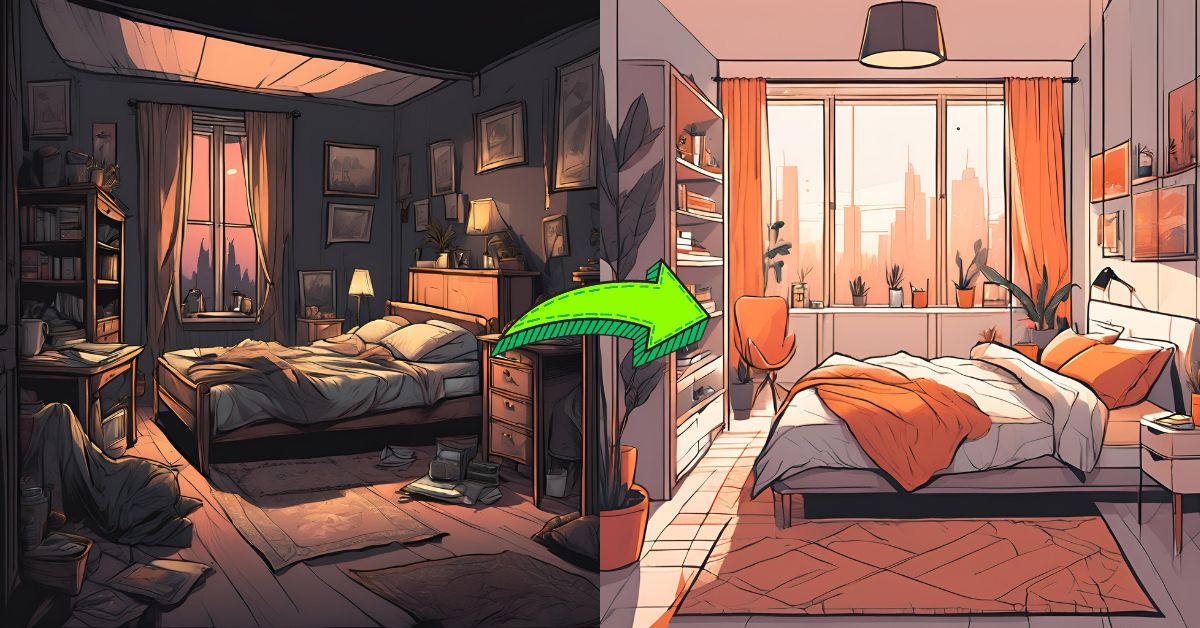
When it comes to maximizing your bedroom space, DIY furniture projects can be a game-changer. Not only do they allow you to tailor pieces to your specific needs, but they also add a personal touch to your decor. From storage solutions to multifunctional pieces, there are plenty of projects you can embark on that are both practical and stylish. This guide explores various DIY furniture options that can enhance functionality in your bedroom.
Identifying Furniture Projects for Home Construction
Several furniture pieces can be easily built or modified at home, catering to various requirements and space constraints. Understanding what you can create or alter is essential for optimizing your bedroom layout.
- Bed Frames: A custom bed frame can be built to suit your preferred style and size. Whether opting for a minimalist wooden frame or a more elaborate upholstered headboard, the possibilities are endless.
- Bookshelves: Simple bookshelves can be constructed using wooden planks and brackets. They not only offer storage but can also serve as decorative elements by displaying books and ornaments.
- Nightstands: Transform an old table or crate into a unique nightstand. Adding a coat of paint or new hardware can refresh its look while providing essential storage beside your bed.
- Storage Ottomans: You can convert a standard ottoman into a storage unit by adding hinges and a cushion top, perfect for stowing away blankets or magazines.
Essential Tools and Materials for Beginners
Embarking on your DIY furniture project doesn’t have to be daunting, especially with the right tools and materials. Understanding what you need will make your journey smoother and more enjoyable.
- Basic Tools: Invest in essential tools such as a drill, saw, measuring tape, sandpaper, and a paintbrush. These tools will support various projects and modifications.
- Materials: Depending on the furniture piece you choose, materials such as plywood, MDF (medium-density fiberboard), screws, and wood glue will be necessary for construction.
- Finishing Touches: Don’t forget to stock up on paint or wood stain, along with brushes or rollers for applying a finishing coat that enhances the overall aesthetic.
Design Inspiration for Multi-purpose Furniture
Multi-purpose furniture is an excellent solution for small bedrooms, providing functionality without sacrificing style. Here are some design ideas that can inspire your next DIY project.
- Murphy Bed: A fold-down bed that can be concealed during the day allows for extra space when not in use. This is ideal for small apartments or guest rooms.
- Desk with Built-in Storage: A desk that incorporates shelves or drawers can streamline your workspace while keeping office supplies organized and out of sight.
- Convertible Sofa Bed: Create a sofa that easily transforms into a bed for guests. This dual-use piece can serve your living area by day and your guest room by night.
- Modular Shelving Units: Build customizable shelving that can be rearranged to meet your changing needs, allowing for both display and storage options.
“DIY furniture not only enhances the functionality of your bedroom but also allows for creative expression through personalized design.”
Organize tips for layering textures in bedroom decor for visual interest
Layering textures in bedroom decor is a fantastic way to enhance visual interest and create a cozy atmosphere. By combining different materials, colors, and patterns, you can transform a plain space into a stylish retreat that reflects your personality. The interplay of various textures adds depth and warmth, making the room feel inviting and well-designed.Mixing materials such as wood, metal, and fabric plays a crucial role in achieving a balanced aesthetic.
Each material brings its unique character, making the overall space more dynamic. For instance, pairing the warmth of wooden furniture with the sleekness of metal accents can create a modern yet comfortable feel. Fabrics like cotton, linen, or velvet can soften the edges of harder materials, bringing a sense of cohesion to the room.
Effective layering of textures with rugs, throws, and cushions
Incorporating rugs, throws, and cushions is an effective way to layer textures in your bedroom. Each of these elements can serve as a focal point or complementary accessory that enhances the overall design.When selecting rugs, aim for a combination of size, pattern, and material. For example, a large, plush area rug can anchor the room, while a smaller, patterned rug can add a pop of interest.
Consider layering different rug textures, such as a jute rug beneath a soft, shaggy one, to create natural contrast.Throws and cushions are key for adding softness and comfort. Mix various fabrics, such as knitted throws, cotton cushions, and linen covers, to create a visually rich environment. Experiment with different shapes and sizes, and don’t hesitate to layer cushions on your bed or seating areas for a layered look.
Here are some successful combinations to consider for a cohesive texture palette:
- Wood and Linen: Use a wooden bed frame alongside linen bedding to create a natural and relaxed vibe.
- Metal and Velvet: Pair metal table lamps with velvet throw pillows for a sophisticated touch.
- Jute and Silk: Combine a jute rug with silk cushions to balance rustic and luxurious elements.
- Wool and Cotton: Layer a wool blanket over a cotton duvet to add warmth and texture contrasts.
By thoughtfully combining these textiles and materials, you can achieve a harmonious look that feels both inviting and stylish.
“The key to successful texture layering is balance; mixing materials should feel intentional and curated.”
Summary
In conclusion, diving into DIY bedroom decor ideas not only allows you to express your creativity but also offers practical solutions for enhancing your living space. By leveraging affordable materials, innovative designs, and personal flair, you can create a bedroom that is not just aesthetically pleasing but also a true sanctuary. Remember, the journey of decorating your space is just as rewarding as the end result, so have fun with it!
Common Queries
What are some easy DIY decor projects for beginners?
Simple projects include creating custom wall art, making decorative throw pillows, or repurposing old furniture with a fresh coat of paint.
How can I choose the right colors for my bedroom?
Consider colors that evoke the mood you want; soft blues and greens can create a calming effect, while bold colors can add energy and excitement.
What plants are best for bedroom decor?
Low-maintenance options like snake plants, pothos, and peace lilies are great choices that enhance air quality and add a vibrant touch.
How do I create a cohesive look with decor?
Choose a color palette and stick to it, and mix textures thoughtfully to create visual interest while maintaining unity in your design.
Are there any budget-friendly sources for decor materials?
Thrift stores, online marketplaces, and even your own home can provide a treasure trove of items that can be creatively repurposed.