
 Tamara Smith
Are you ready to transform your living space with some exciting DIY home upgrades? This guide dives into innovative projects that not only enhance the functionality of your home but also add a personal touch to your living environment. From simple enhancements to eco-friendly solutions, there’s something for everyone looking to make a change.
We’ll explore a variety of unique upgrade ideas, practical steps for implementation, and the potential challenges you might face along the way. By the end of this journey, you’ll discover how even small upgrades can significantly impact your home’s value and sustainability.
Explore innovative DIY home upgrade ideas that enhance functionality.
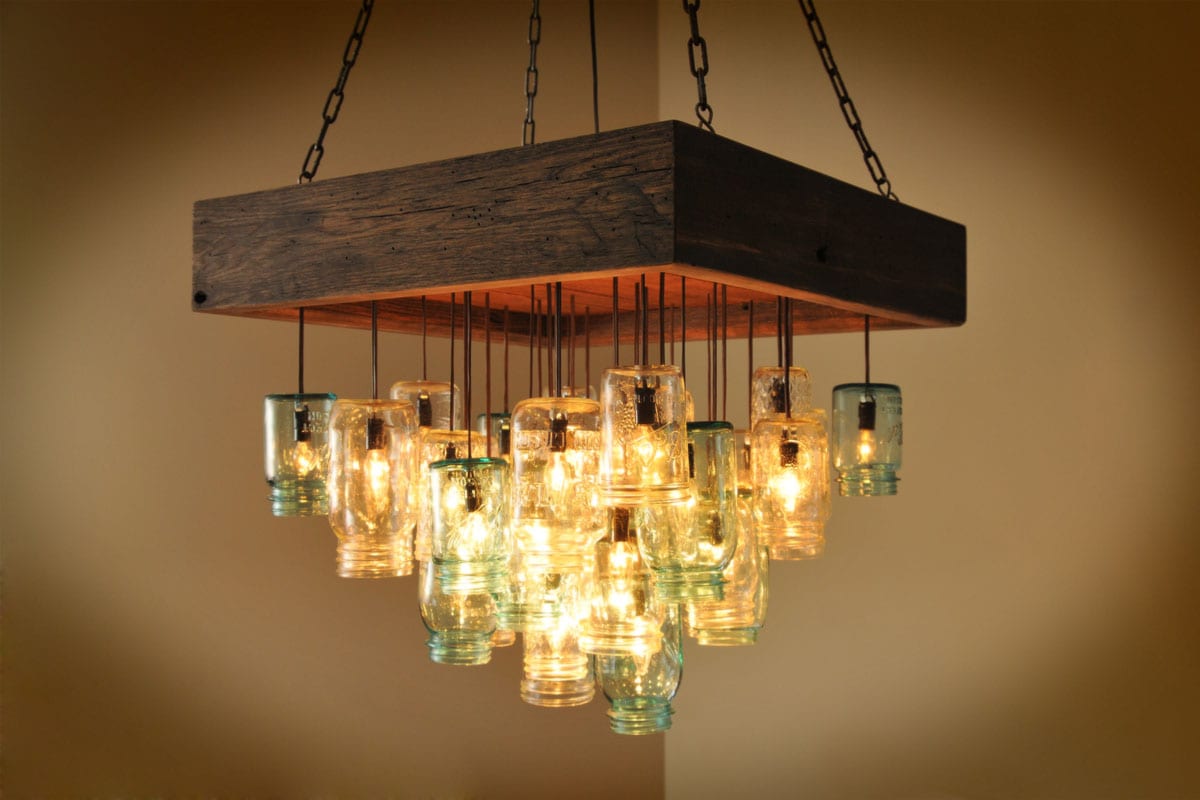
Upgrading your home doesn’t have to be about grand renovations. Sometimes, it’s the small changes that make a big difference in your daily routine. By implementing innovative DIY projects, you can enhance the functionality of your living space while adding a personal touch. Below are five unique projects aimed at improving everyday activities in your home, complete with steps for execution and tips for overcoming potential challenges.
Smart Vertical Garden
Creating a smart vertical garden can transform an unused wall into an efficient space for herbs or small plants, enhancing both aesthetics and functionality. This project is especially beneficial for those with limited outdoor space.
1. Materials Needed
Wooden pallets, potting soil, small pots, a drip irrigation system, and hooks.
2. Steps
Select a wall that receives ample sunlight.
Secure the wooden pallets to the wall using hooks.
Arrange small pots in the pallets and fill them with potting soil.
Set up a drip irrigation system to automate watering.
Add herbs or small plants to the pots.
3. Challenges and Solutions
Challenge
Ensuring adequate drainage.
Solution
Place a plastic liner in the pots before adding soil to prevent water buildup.
Multi-Functional Furniture
Building multi-functional furniture can optimize space in small homes. Consider creating a coffee table that doubles as a storage unit.
1. Materials Needed
Plywood, hinges, wood screws, paint, and foam pads.
2. Steps
Cut the plywood to the desired size for the table.
Build a box frame underneath to serve as storage.
Attach a hinged lid for easy access to the storage area.
Paint or finish the table to match your decor.
3. Challenges and Solutions
Challenge
Ensuring stability.
Solution
Reinforce corners with additional wood supports.
Custom Cable Management System
A custom cable management system can declutter your living space, making it safer and more visually appealing.
1. Materials Needed
Cable ties, adhesive cable clips, a cord cover, and a utility knife.
2. Steps
Identify areas where cables are cluttered.
Use adhesive clips to secure cables to walls or furniture.
Bundle cables using cable ties for a clean look.
Install a cord cover along the baseboards to hide exposed cables.
3. Challenges and Solutions
Challenge
Adhesive not sticking to certain surfaces.
Solution
Clean the surface thoroughly before applying the clips.
Under-Stair Storage Solution
Utilizing the space under the stairs can provide additional storage while maintaining easy access to your belongings.
1. Materials Needed
Wood boards, screws, a saw, and paint.
2. Steps
Measure the area under your stairs.
Build shelves or a small closet using wood boards.
Install doors or curtains for a tidy look.
Paint or stain to match the interior of your home.
3. Challenges and Solutions
Challenge
Irregular stair shapes.
Solution
Use flexible wood for custom fitting.
Bathroom Organization Hack
Improving organization in your bathroom can enhance functionality, making your morning routine smoother.
1. Materials Needed
Clear plastic bins, labels, and a tiered shelf.
2. Steps
Sort bathroom items into categories (e.g., toiletries, cleaning supplies).
Place items in clear bins and label them for easy identification.
Use a tiered shelf to maximize vertical space for frequently used items.
3. Challenges and Solutions
Challenge
Limited counter space.
Solution
Use vertical storage solutions to keep counters clear.
Discuss the impact of small DIY home upgrades on property value.
When it comes to enhancing the value of a home, small DIY upgrades can make a significant impact. Many homeowners may underestimate how even minor renovations can increase both market appeal and property value. By strategically selecting upgrades, you can position your home favorably in the real estate market, attracting potential buyers and justifying a higher asking price.Minor home improvements are often correlated with an increase in market appeal, making properties more inviting to prospective buyers.
The key to understanding this connection lies in the perception of value. Buyers are often willing to pay more for homes that appear well-maintained and updated, even if the upgrades are relatively small. This perception is particularly relevant in competitive markets where homes with modern touches stand out among the rest.
Upgrades with High Return on Investment
Homeowners should prioritize upgrades that offer substantial returns on investment (ROI). The following list highlights specific upgrades known for their high ROI:
- Kitchen Remodels: Minor remodels, including new cabinet fronts and countertops, can yield an ROI of over 80%, making the kitchen a prime area for upgrades.
- Bathroom Updates: Simple improvements, such as new fixtures and updated tile, can return up to 70% of the investment, enhancing both functionality and aesthetics.
- Exterior Improvements: Projects like new siding or a fresh coat of paint can increase curb appeal, with potential returns of 75% or more.
- Landscaping Enhancements: Professional landscaping can yield an ROI of about 100%, as first impressions often stem from outdoor appearance.
- Energy-Efficient Upgrades: Installing energy-efficient windows or insulation can not only save on utility bills but can also recoup up to 85% of the investment.
Before undertaking any home upgrades, homeowners should consider several factors that can influence the success of their projects. Budgeting is crucial; understanding the costs involved helps in selecting upgrades that are financially feasible. Additionally, the local real estate market plays a pivotal role; homeowners should research which upgrades are trending in their area to ensure their investments align with buyer preferences.
Another important consideration is the quality of materials used. Opting for durable, high-quality materials often leads to better long-term satisfaction and increased home value. Moreover, it’s essential to avoid over-improving; making upgrades that are too extravagant compared to neighboring properties can result in diminishing returns, as potential buyers may not see the added value in excessively high-end finishes.By understanding the impact of small DIY upgrades and carefully planning which renovations to tackle, homeowners can effectively boost their property value and market appeal, setting themselves up for a successful sale in the future.
Analyze eco-friendly DIY home upgrades that promote sustainability.
In today’s world, making eco-friendly choices is essential for both our planet and our wallets. DIY home upgrades provide a fantastic opportunity to enhance your living space while promoting sustainability. By choosing sustainable materials and energy-efficient solutions, you can significantly reduce your environmental footprint and potentially save money in the long run. This section explores eco-friendly materials, the benefits of energy efficiency, and practical tips for creating a more environmentally-friendly home through DIY projects.
Sustainable materials for home upgrades
Using sustainable materials in your home upgrades is crucial for minimizing environmental impact. Here are some examples of eco-friendly materials that can be incorporated into various projects:
- Bamboo: A rapidly renewable resource, bamboo is an excellent choice for flooring, cabinetry, and furniture. Its strength and aesthetic appeal make it a popular option.
- Reclaimed wood: Salvaged wood from old buildings or furniture not only adds character to your space but also reduces the demand for new timber, preserving forests.
- Low-VOC paints and finishes: Volatile organic compounds (VOCs) can harm indoor air quality. Choosing low-VOC or zero-VOC paints and finishes ensures a healthier home environment.
- Recycled materials: Items made from recycled content, such as countertops and tiles, help divert waste from landfills and reduce resource consumption.
Benefits of energy-efficient upgrades
Investing in energy-efficient upgrades can lead to significant cost savings over time. These improvements not only reduce energy consumption but also increase the overall comfort of your home. Key benefits include:
- Lower utility bills: Energy-efficient appliances and insulation can greatly reduce your monthly energy costs.
- Increased home value: Homes with energy-efficient upgrades often sell for a premium, as buyers are increasingly interested in sustainability.
- Reduced carbon footprint: By minimizing energy use, you contribute to a decrease in greenhouse gas emissions, making a positive impact on the environment.
- Government incentives: Many regions offer tax credits or rebates for energy-efficient upgrades, further offsetting initial costs.
Creating an environmentally-friendly home through DIY projects
Embracing DIY projects can transform your home into a more sustainable haven. Here are some practical tips to guide your efforts:
- Start with energy audits: Conduct an energy audit to identify areas where your home can improve efficiency, such as sealing gaps, adding insulation, or upgrading windows.
- Utilize natural lighting: Design your space to maximize natural light, reducing the need for artificial lighting during the day. Consider using mirrors to reflect light and brighten up darker areas.
- Incorporate a rainwater harvesting system: Collecting rainwater for irrigation and other non-potable uses can significantly reduce water consumption.
- Implement a composting system: Composting kitchen scraps and yard waste not only reduces landfill use but also provides nutrient-rich soil for your garden.
Detail safety measures and best practices for DIY home upgrades.
When embarking on DIY home upgrades, ensuring safety and efficiency should be top priorities. Implementing safety measures and best practices not only safeguards your well-being but also promotes a smoother project execution. Understanding the tools and gear necessary for various tasks, preparing your workspace, and being mindful of common pitfalls can lead to successful home improvements.
Essential tools and safety gear for DIY projects
Equipping yourself with the right tools and safety gear is crucial for any home upgrade project. Having these essentials not only makes the work easier but also helps prevent injuries. Here is a list of the tools and safety gear you should consider:
- Safety Goggles: Protect your eyes from dust, debris, and harmful substances.
- Work Gloves: Ensure a secure grip while protecting your hands from cuts and scrapes.
- Dust Masks or Respirators: Safeguard your lungs from inhaling harmful particles.
- Hearing Protection: Use earmuffs or earplugs when operating loud equipment.
- Hard Hats: Essential for overhead work to protect against falling objects.
- First Aid Kit: Always have one nearby in case of minor injuries.
- Basic Hand Tools: Hammer, screwdrivers, pliers, and wrenches for various tasks.
- Power Tools: Drill, saw, and sander for more demanding projects, ensuring you read the manual before use.
Preparing a workspace to prevent accidents
A well-organized and prepared workspace can significantly reduce the risk of accidents. Taking the time to set up your area efficiently contributes to both safety and productivity. Here are some tips for preparing your workspace:
- Clear the area of clutter to ensure ample space to move around.
- Ensure adequate lighting so that you can see clearly while working.
- Keep tools and materials organized and within reach to minimize the risk of mishaps.
- Use drop cloths or tarps to protect floors and surfaces from damage.
- Have a designated area for hazardous materials away from the main workspace.
- Make sure that all electrical cords are secured and not creating tripping hazards.
Common mistakes to avoid and safety tips
Learning from the mistakes of others can help you navigate DIY projects more safely. Here are some common pitfalls to watch out for, along with valuable safety tips:
- Rushing through tasks: Take your time to avoid accidents. Patience prevents errors.
- Ignoring instructions: Always read and follow manufacturer instructions for tools and materials.
- Neglecting to measure: Double-check measurements before cutting materials to avoid waste and potential hazards.
- Overexertion: Don’t lift heavy items alone. Ask for help or use equipment like dollies.
- Working without breaks: Fatigue can lead to mistakes. Schedule regular breaks to stay alert.
- Failure to secure tools: Store tools properly when not in use to prevent accidents.
- Bypassing safety gear: Always wear appropriate safety gear for the task at hand.
Create a step-by-step guide for a budget-friendly DIY home upgrade project.
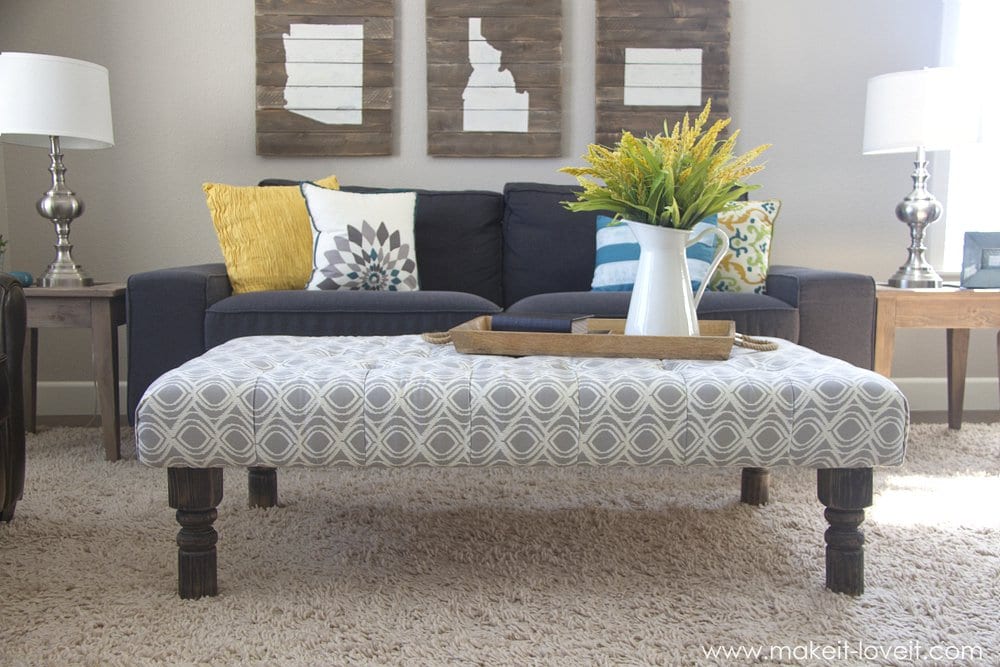
Upgrading your home doesn’t have to break the bank. With a little creativity and some elbow grease, you can transform your living space on a budget. One of the most effective and affordable upgrades is painting your interior doors. This project not only enhances the aesthetics of your home but also provides an opportunity to express your personal style.Painting interior doors can refresh the look of your home while being cost-effective.
You’ll only need a few materials, and the project can typically be completed in a weekend. Below is a breakdown of the materials needed, their costs, and a timeline to guide you through the process efficiently.
Materials Needed and Costs
Before embarking on the project, gather all necessary materials. Here’s a list of what you’ll need along with their estimated costs:
- Paint: Choose a quality acrylic latex paint (1 quart)
-approximately $15 - Primer: If you are painting over a dark color or raw wood, a good primer (1 quart)
-approximately $10 - Sandpaper: Fine grit (220)
-approximately $5 - Paintbrushes: A 2-3 inch angled brush – approximately $10
- Drop cloths: To protect floors and surrounding areas – approximately $5
- Painter’s tape: For clean edges – approximately $4
The total estimated cost for this project is around $49, making it a budget-friendly upgrade that adds significant value and appeal.
Project Timeline
To keep the project organized and efficient, a realistic timeline will help. Here’s a suggested timeline for executing the painting of your interior doors:
- Day 1: Preparation Begin by removing the door hardware, such as knobs and hinges. Clean the doors thoroughly and sand them lightly to create a smooth surface. This should take about 1-2 hours depending on the number of doors.
- Day 1: Priming If necessary, apply a coat of primer and allow it to dry (typically 1-2 hours). Once dry, lightly sand again for an even finish.
- Day 2: Painting Apply the first coat of paint. Use an angled brush for the edges and a roller for flat areas. Allow it to dry (usually 2-4 hours). Then, if needed, apply a second coat, allowing for another 2-4 hours of drying time.
- Day 2: Reassembly Once the paint is completely dry (usually 24 hours), reattach the door hardware.
By following this timeline, you can complete the project in just two days, ensuring minimal disruption to your daily routine.
Potential Alternatives and Adjustments
If you need to stay even more within budget, consider the following alternatives or adjustments:
- Use Leftover Paint: If you have leftover paint from previous projects, this could save you money and provide a cohesive look with your existing decor.
- Skip the Primer: If the doors are in good condition and not a dark color, you might be able to skip primer altogether, reducing costs and time.
- Choose Budget Paints: While quality matters, there are budget-friendly paint options available at home improvement stores that still provide good coverage.
By making these adjustments, you can ensure that your DIY project remains budget-friendly while still resulting in a beautifully upgraded space.
Highlight trending DIY home upgrade techniques and their popularity.
In today’s fast-paced world, homeowners are increasingly embracing DIY home upgrades as a way to enhance their living spaces while expressing personal style. The rise of social media platforms and home improvement shows has popularized various DIY techniques, making them highly sought after. This growing trend reflects a shift towards sustainability, creativity, and individuality in modern home decor.The popularity of certain DIY techniques can largely be attributed to accessibility and the desire for personalized living environments.
Homeowners are looking for ways to customize their spaces without breaking the bank. Techniques such as upcycled furniture, smart home integrations, and biophilic design elements have gained traction. These methods not only improve aesthetics but also incorporate functionality, sustainability, and comfort into the home.
Popular DIY Techniques in Home Upgrades
The following list highlights some of the most popular DIY techniques currently trending in home upgrades, emphasizing how they can complement various home styles:
- Upcycling Furniture: Transforming old furniture into new pieces not only saves money but also adds character. For instance, reimagined vintage chairs can fit well in both rustic and modern homes.
- Wall Treatments: Techniques like shiplap, wainscoting, or wallpapering create stunning focal points. A bold wallpaper can invigorate a minimalist space, while shiplap offers warmth to a farmhouse theme.
- Smart Home Enhancements: Incorporating smart technology like programmable thermostats or smart lighting systems enhances convenience and energy efficiency, appealing to tech-savvy homeowners.
- Biophilic Design: Bringing nature indoors through vertical gardens or houseplants fosters a calming atmosphere, suitable for both sleek urban apartments and cozy suburban homes.
- Open Shelving in Kitchens: Replacing traditional cabinets with open shelving provides both functionality and a sense of openness, fitting seamlessly into contemporary or eclectic kitchen designs.
The comparison of traditional methods against these trendy techniques reveals a shift in style and functionality. Traditional upgrades often focused on uniformity and permanence, while modern DIY techniques celebrate individuality and adaptability. For example, traditional cabinetry in kitchens may demand significant investment and commitment, whereas open shelving provides a flexible alternative that can reflect changing tastes over time.
The modern homeowner seeks not just to renovate, but to innovate—creating spaces that are uniquely theirs through creative expression.
Home upgrades are no longer about conforming to a standard aesthetic; they are now about personal stories and sustainable practices. By embracing these trends, homeowners can create functional, stylish spaces that resonate with their lifestyles and values.
End of Discussion
In conclusion, embarking on DIY home upgrades is an exciting venture that can yield impressive results. Whether you’re looking to improve your home’s functionality, increase its market appeal, or adopt a more eco-conscious lifestyle, the possibilities are endless. So gather your tools, unleash your creativity, and start upgrading your space today!
Key Questions Answered
What tools do I need for DIY home upgrades?
Basic tools include a hammer, screwdriver set, measuring tape, level, and safety gear like goggles and gloves.
How do I choose the right projects for my home?
Consider your needs, budget, and the potential return on investment when selecting projects.
Are eco-friendly materials more expensive?
They can be, but many sustainable options offer long-term savings through energy efficiency.
How can I stay within budget for my upgrades?
Plan your projects carefully, use cost-effective materials, and look for sales or discounts.
What’s the best way to ensure safety during DIY projects?
Always wear safety gear, prepare your workspace, and double-check instructions before starting any project.