
 Tamara Smith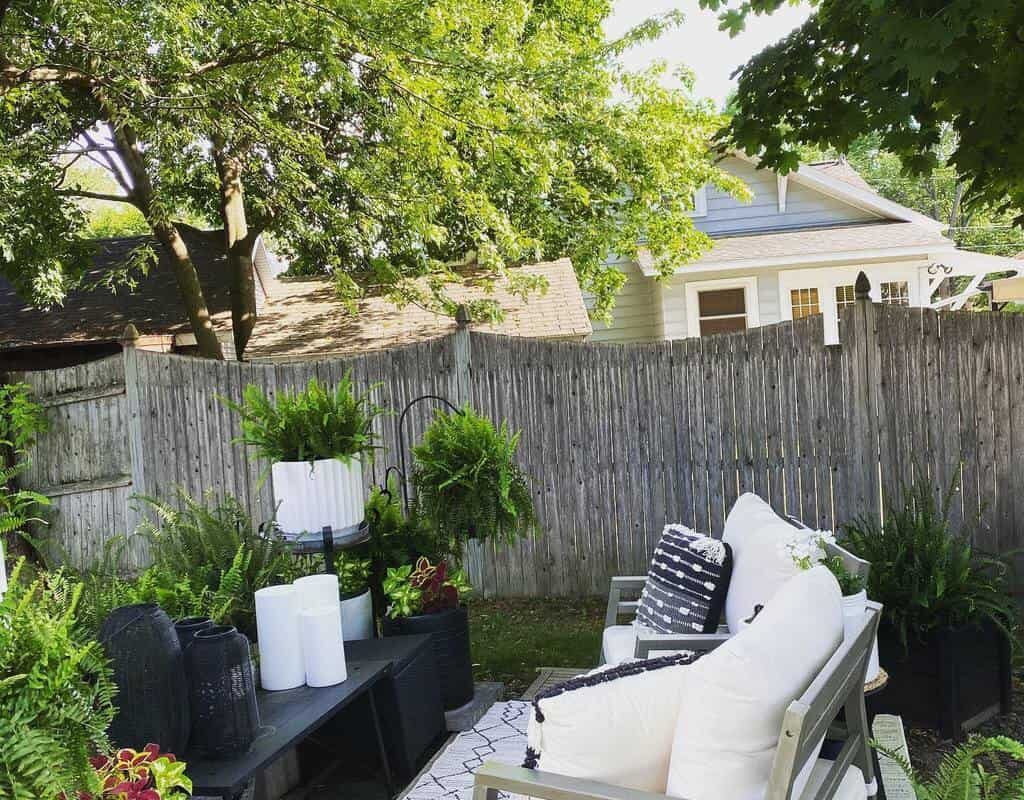
DIY backyard ideas are not just a trend; they represent a creative way to transform your outdoor space into a personal oasis. With the right projects, you can enhance the beauty, functionality, and sustainability of your backyard, all while enjoying the satisfaction of doing it yourself. From landscaping to building custom furniture, these ideas invite you to unleash your creativity and make your outdoor area a true reflection of your style.
This guide will explore various DIY backyard projects, highlighting their environmental and economic benefits, along with practical tips and creative ideas. Whether you’re looking to create a relaxing retreat, involve your kids in hands-on activities, or implement sustainable practices, this comprehensive overview will provide you with insights and inspiration to get started.
Exploring the Benefits of DIY Backyard Projects
Engaging in DIY backyard projects offers a multitude of benefits that extend beyond mere aesthetics. From environmental sustainability to economic advantages, these projects can transform your outdoor space into a personal oasis while saving money and enhancing the overall value of your property.One of the most notable economic advantages of DIY backyard projects is the significant cost savings associated with doing the work yourself.
Hiring professional landscapers or contractors can be expensive, often consuming a large portion of your budget. By taking a hands-on approach, homeowners can save on labor costs and invest that money back into materials, allowing for more creativity and customization. Furthermore, many DIY projects utilize recycled or repurposed materials, reducing expenses while promoting sustainability. Personal satisfaction is another key benefit; there’s a unique joy and pride in seeing a project through from conception to completion.
This sense of accomplishment can foster a deeper connection to the space, making outdoor areas feel more inviting and personal.DIY backyard projects also serve to enhance outdoor living spaces, making them more functional and enjoyable. For instance, building a patio or deck not only creates an appealing area for gatherings but can also increase the home’s value. Homebuyers often seek properties with well-maintained outdoor spaces, which can lead to a higher appraisal.
Examples of effective DIY projects include constructing raised garden beds for growing vegetables or creating a fire pit area. These additions not only provide utility but also create inviting spaces for relaxation and entertainment.In terms of sustainability, DIY backyard projects can significantly contribute to environmentally friendly practices. For example, installing rain barrels for water collection or planting native gardens helps conserve water and supports local wildlife.
The shift towards more sustainable landscaping options is becoming increasingly popular, as homeowners recognize the importance of maintaining ecological balance. In summary, engaging in DIY backyard projects yields numerous benefits that enrich both the home and the planet, making them a worthwhile endeavor for any homeowner.
Creative Landscaping Ideas for Your Backyard
Transforming your backyard into a picturesque haven begins with creative landscaping ideas that reflect your personal style and enhance your outdoor space. Whether you have a small patio or a sprawling yard, thoughtful landscaping can dramatically elevate the aesthetic appeal and functionality of your garden. By utilizing various techniques and selecting appropriate plants and materials, you can create a landscape that thrives in your specific climate and soil conditions.
Landscaping Techniques and Plant Selections
Employing effective landscaping techniques is crucial for achieving a visually appealing backyard. Here are some innovative techniques to consider while planning your DIY backyard makeover:
1. Layering Plants
This technique involves arranging plants in layers, with taller plants in the back and shorter ones in the front. This not only adds depth but also ensures that all plants receive adequate sunlight.
2. Creating Focal Points
Incorporate unique features such as sculptures, water fountains, or a stunning tree to serve as a focal point. This draws attention and creates a centerpiece around which other elements can be arranged.
3. Using Pathways and Borders
Define areas in your garden with pathways made from gravel, stone, or mulch. These paths can guide visitors through your space while adding structure and organization.
4. Incorporating Hardscaping
Utilize materials like wood, stone, or concrete to create retaining walls, raised garden beds, or seating areas. Hardscaping provides visual contrast against the greenery and can be functional as well.For selecting plants, consider the climate and soil type in your region. Here are some popular choices:
Drought-Resistant Plants
If you live in a dry climate, opt for succulents, lavender, or ornamental grasses that require less water.
Shade-Tolerant Plants
For shady areas, consider hostas, ferns, or astilbes that flourish without direct sunlight.
Climate-Specific Choices
In warmer climates, hibiscus and bougainvillea thrive, while in cooler regions, think about astilbe and daylilies.Additionally, planning your garden layout is essential for visual appeal. Consider mixing textures and colors through the following strategies:
- Combine perennials with annuals to ensure year-round blooms.
- Use contrasting foliage colors, such as dark purple heuchera alongside bright green ferns, for visual interest.
- Group plants in odd numbers (three or five) for a more natural look.
“Landscaping is about creating a sense of place, enhancing the beauty of your surroundings, and making your garden a sanctuary.”
Integrating these techniques and selections will set you on the path to a beautifully landscaped backyard that reflects your creativity and enhances your outdoor experience.
DIY Outdoor Furniture Projects to Enhance Comfort
Creating a cozy and inviting outdoor space can significantly enhance your relaxation and entertainment experiences. By crafting your own outdoor furniture, you not only save money but also gain the satisfaction of personalizing your space. This guide provides easy-to-follow steps for building custom outdoor furniture, such as benches, tables, and chairs, using reclaimed materials that add character to your backyard without breaking the bank.When it comes to DIY outdoor furniture, reclaimed materials are a fantastic option.
They are environmentally friendly, often more affordable, and provide a unique aesthetic appeal. Below are some design ideas tailored to various aesthetics and functional needs, ensuring that your outdoor space is both comfortable and stylish.
Building Reclaimed Wood Benches
A bench can serve as a focal point in your garden or patio, offering a perfect spot for relaxation.
1. Materials Needed
Reclaimed wood planks
– Sandpaper
Wood screws
Outdoor wood finish
Tools
drill, saw, measuring tape
2. Steps
Measure and Cut
Cut your wood planks to the desired length for the seat, backrest, and legs.
Sanding
Sand down all surfaces to eliminate rough edges and splinters.
Assemble
Start by attaching the legs to the seat. Then, secure the backrest at an angle to ensure comfort.
Finish
Apply an outdoor wood finish to protect your bench from the elements.
Creating a Rustic Coffee Table
A coffee table can enhance your outdoor lounging area, providing a surface for drinks and snacks.
1. Materials Needed
Reclaimed wooden pallets
Casters (for mobility)
Wood screws
Outdoor wood sealant
2. Steps
Select Pallets
Choose pallets that are in good condition and free of pests.
Assemble
Stack two pallets on top of each other for height, then secure them with wood screws.
Attach Casters
Fix the casters to the bottom of the table for easy movement.
Seal
Apply an outdoor sealant to protect against moisture and UV rays.
Designing Comfortable Outdoor Chairs
Outdoor chairs can transform your space into a comfortable retreat, ideal for gatherings or quiet moments.
1. Materials Needed
Reclaimed wood or wooden crates
Cushioning fabric
Foam padding
Staple gun
2. Steps
Construct the Chair Frame
Use strong reclaimed wood to build the frame, ensuring stability and comfort.
Add Cushioning
Cut foam padding to fit the seat and backrest. Cover with fabric and staple it to the wood for a finished look.
Finish
As with the other projects, treat with an outdoor wood finish to extend the life of your chairs.By utilizing reclaimed materials in these DIY projects, you can create unique, comfortable furniture that enhances the aesthetic of your outdoor space while being functional and inviting for both relaxation and entertainment.
Fun and Functional Garden Features to Build
Enhancing your backyard with innovative garden features can transform it into a vibrant and functional space. Whether you’re looking to grow your own vegetables or simply want to create a beautiful landscape, adding items like raised garden beds, vertical gardens, and trellises can add character and utility to your outdoor space. These features not only optimize space but also enhance the aesthetic appeal of your garden.
Raised Garden Beds
Raised garden beds are an excellent addition to any backyard, offering numerous benefits for both gardening enthusiasts and casual planters. They are typically constructed from durable materials like wood, stone, or composite materials. To build a raised bed, you’ll need to choose a location that receives adequate sunlight, select your materials, and follow these simple steps:
1. Choose the Size
A common size is 4 feet wide by 8 feet long, but dimensions can be adjusted based on your available space.
2. Prepare the Site
Clear the area of grass and weeds, and level the ground.
3. Construct the Bed
Assemble the frame using screws or nails, ensuring it’s sturdy and can hold soil without collapsing.
4. Fill with Soil
Use a mix of topsoil, compost, and organic matter to create a nutrient-rich environment for plants.The benefits of raised garden beds include improved drainage, easier access for planting and harvesting, and fewer pest problems. Additionally, they can be visually appealing, allowing for creative designs that complement your backyard aesthetic.
Vertical Gardens
Vertical gardens are a fantastic solution for those with limited space or who want to add a unique visual element to their garden. These gardens involve growing plants on vertical structures using wall-mounted planters, trellises, or even repurposed pallets. Constructing a vertical garden involves selecting an appropriate structure and following these steps:
1. Select Plants
Choose plants that thrive in vertical arrangements, such as herbs, succulents, or flowering vines.
2. Create the Structure
Use wood or metal frames to support your plants, ensuring they are securely anchored to the wall or ground.
3. Fill with Soil
Use planting pockets or containers filled with potting mix, ensuring adequate drainage.Vertical gardens optimize space by utilizing vertical surfaces, making them ideal for small yards or urban environments. They also improve air quality and provide a stunning visual display that can serve as a living art piece.
Trellises
Trellises are versatile structures that support climbing plants, adding height and dimension to your garden. Building a trellis involves:
1. Material Selection
Use wood, metal, or plastic, depending on the design and durability you prefer.
2. Design
Decide on a simple panel or an elaborate arch, depending on the plants you intend to grow.
3. Installation
Secure the trellis into the ground or attach it to a wall, ensuring it can withstand the weight of the climbing plants.Trellises not only maximize vertical growing space but also provide additional privacy and shade. They can enhance the beauty of your garden by creating a lush green backdrop for flowers and foliage, making them an integral feature for any backyard.
Creating a Relaxation Zone in Your Backyard
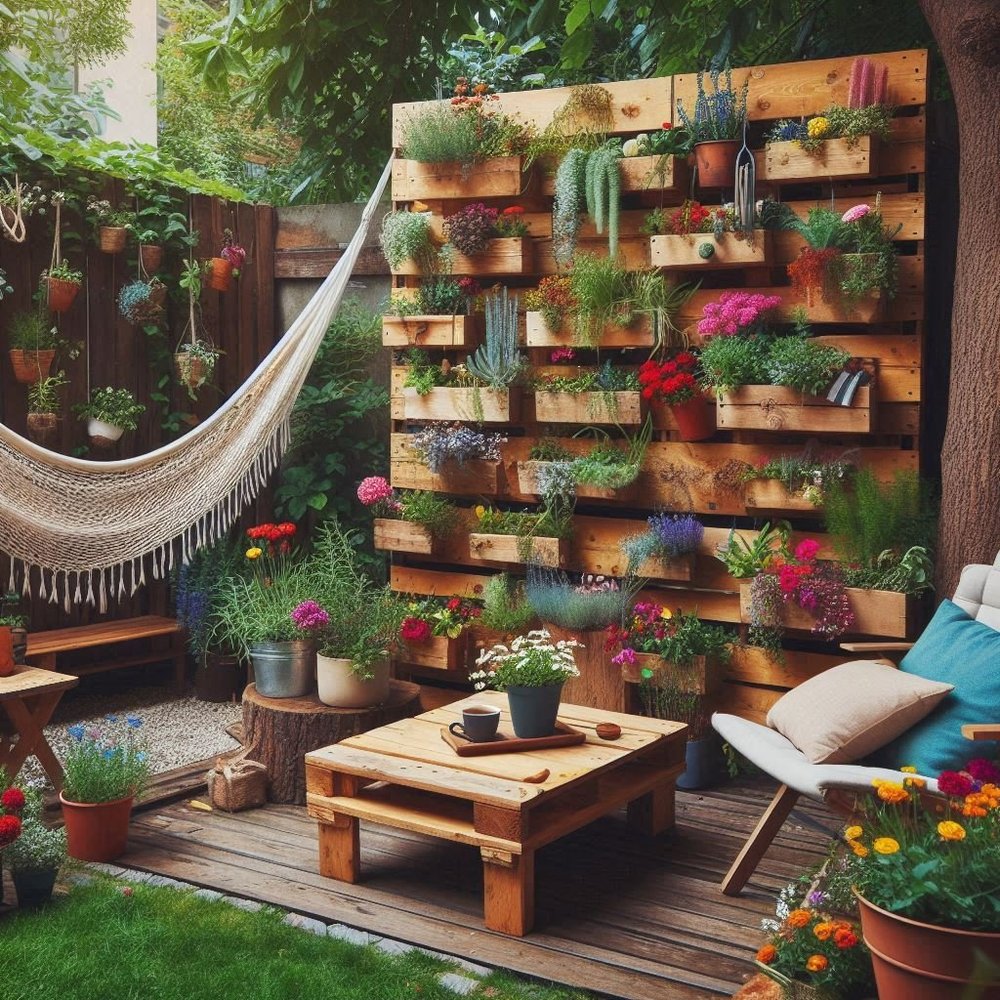
Transforming your backyard into a serene relaxation zone can be a rewarding DIY project. This space serves as a perfect escape from the hustle and bustle of everyday life. Whether you’re seeking a tranquil spot for reading, meditating, or simply enjoying the outdoors, designing a peaceful outdoor retreat can be achieved with thoughtful planning and creativity. With a few key elements and materials, you can create a haven that reflects your personal style and enhances your relaxation experience.
Designing Your Peaceful Retreat
Choosing the right location in your backyard is crucial for fostering a relaxing atmosphere. Look for a spot that is sheltered from wind, has a gentle slope for drainage, and offers some natural shade, such as under a tree or by a garden. Once you’ve identified the ideal location, consider the following elements to incorporate into your relaxation zone:
- Hammocks: A hammock can instantly evoke a sense of calm. You can either purchase one or create a DIY version using sturdy fabric and rope tied between two trees or hammock stands. Position the hammock in a shaded area where you can sway gently while enjoying a good book or a nap.
- Fire Pits: Adding a fire pit can enhance the ambiance and provide warmth during cooler evenings. You can build a simple DIY fire pit using stones, bricks, or metal fire rings. Arrange seating around the pit with comfortable chairs or benches to create a cozy gathering space for friends and family.
- Water Features: The sound of flowing water is incredibly soothing. Consider adding a small DIY fountain or birdbath which can attract wildlife and create a tranquil atmosphere. You can use materials like stone, concrete, or even repurposed containers to craft a unique and calming water feature.
Enhancing the overall ambiance of your relaxation zone can be achieved through careful material selection and decoration. Choose natural materials like wood, stone, and soft textiles for seating and décor to create a harmonious look. Consider adding solar-powered lights or lanterns for gentle illumination during nighttime, and incorporate potted plants or flowers to bring vibrant colors and life to the space.
By thoughtfully combining these elements, you can create a backyard retreat that not only promotes relaxation but also reflects your personal style and enhances your outdoor experience.
Engaging Kids in DIY Backyard Projects
Getting kids involved in DIY backyard projects is a fantastic way to foster their creativity, teamwork, and confidence. Not only do these activities allow children to make the space their own, but they also provide opportunities for valuable lessons in planning, building, and even gardening. By engaging in hands-on tasks, kids can develop a sense of ownership over their environment while enjoying the great outdoors.Involving children in DIY backyard projects can result in various fun and interactive experiences.
Here are some project ideas that encourage creativity and teamwork:
Project Ideas for Kids
Creating engaging projects for kids not only keeps them entertained but also helps them learn new skills. Here are some exciting ideas that can be adapted based on children’s ages and interests:
- Building a Playhouse: A simple wooden playhouse can serve as a perfect getaway for kids. Involve them in choosing the design and colors, and assign tasks like painting or decorating the interior. This project enhances their problem-solving skills and creativity.
- Installing a Tree Swing: A tree swing can provide hours of fun. Let the kids help in selecting the location, measuring the height, and even picking out the rope and seat material. This hands-on activity not only builds their strength but also teaches them basic physics principles, like balance and gravity.
- Creating a Garden Plot: Encourage children to plant flowers, vegetables, or herbs. Help them design the layout of the garden, learn about different plant types, and understand the importance of caring for plants. This project promotes responsibility and provides a valuable lesson on nature.
When involving children in these activities, safety should always be a top priority. Here are some essential safety tips to ensure a fun and secure environment while they explore their DIY skills:
- Always supervise kids, especially when using tools or equipment.
- Provide age-appropriate tasks and use tools designed for children.
- Ensure the workspace is tidy and free from hazards, such as sharp objects or tripping hazards.
- Teach children the importance of wearing safety gear, such as gloves, goggles, and helmets when necessary.
Engaging kids in DIY backyard projects not only enhances their outdoor experience but also cultivates essential skills they will carry with them into adulthood.
Sustainable Practices in DIY Backyard Design
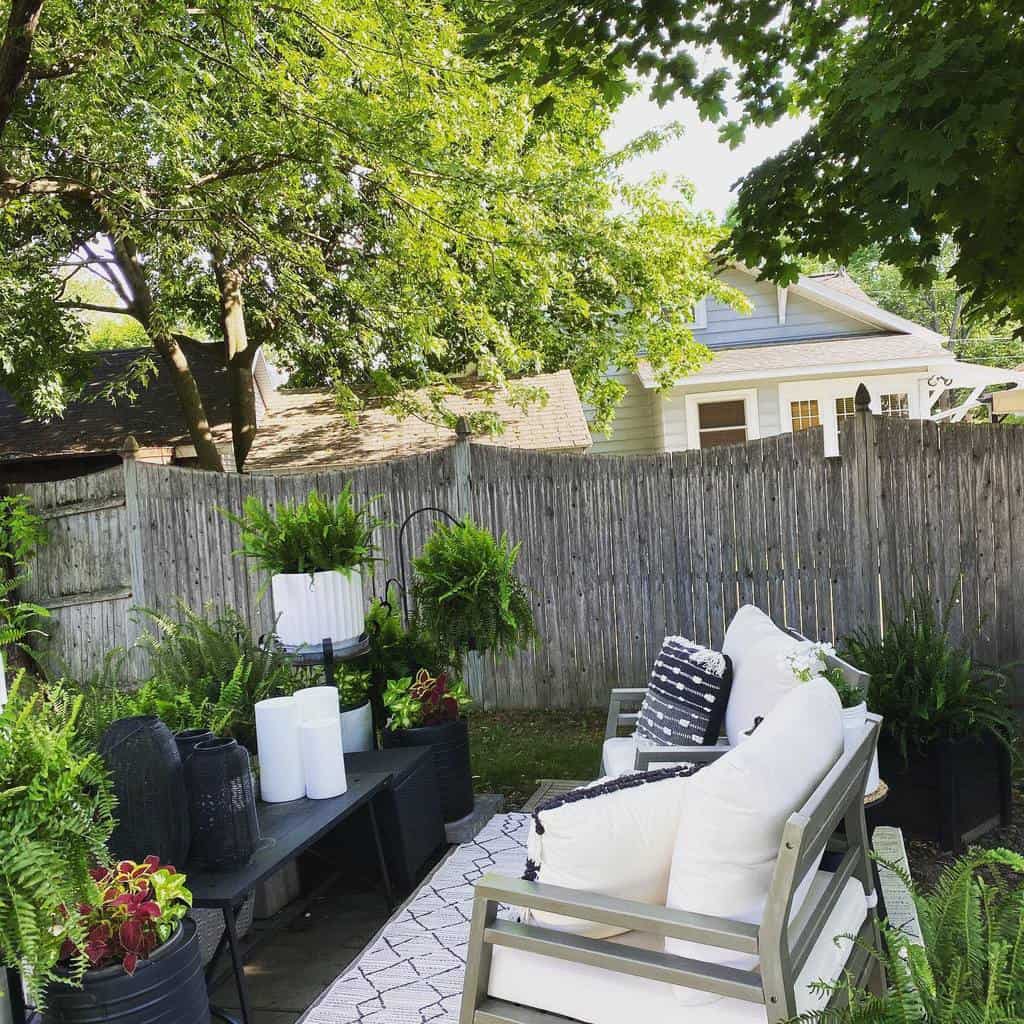
Creating a backyard oasis can bring immense joy and relaxation, but incorporating sustainable practices into your DIY projects elevates your outdoor space while caring for the environment. As concerns about climate change and ecological degradation grow, adopting eco-friendly methods in your backyard design becomes not just beneficial but essential. Sustainability in backyard design reflects a commitment to preserving natural resources, reducing waste, and nurturing biodiversity.
When embarking on a DIY backyard project, consider using eco-friendly materials and practices that minimize your environmental footprint. For instance, rainwater collection systems can be an excellent way to conserve water. By installing rain barrels to gather runoff from your roof, you can reduce reliance on municipal water supplies for irrigation. This not only saves money on water bills but also ensures that your garden thrives during dry spells.Additionally, using native plants in your landscaping can greatly enhance sustainability.
Native plants are adapted to the local climate and soil conditions, requiring less water and fewer chemicals. They also provide essential habitats for local wildlife, which promotes biodiversity in your backyard. Thoughtful design choices can further contribute to sustainability. For example, creating a compost bin not only reduces kitchen waste but also produces nutrient-rich soil for your garden. Implementing mulch can help retain soil moisture, suppress weeds, and reduce the need for chemical fertilizers.To effectively reduce waste, consider repurposing materials when possible.
Old tires, wooden pallets, and reclaimed bricks can be transformed into planters or garden borders, preventing these materials from ending up in landfills.
“Sustainable practices in backyard design create harmony between nature and human activity.”
By focusing on these eco-friendly approaches, you can create a beautiful, functional outdoor space that reflects a commitment to sustainability. Every step towards a greener backyard contributes to the health of the planet, making your gardening efforts both rewarding and responsible.
Summary
In conclusion, engaging in DIY backyard projects opens up a world of possibilities for enhancing your outdoor living experience. By investing your time and creativity, you not only improve your property’s value but also contribute positively to the environment. Whether you’re building furniture, designing landscapes, or creating fun features for your kids, the journey of transforming your backyard can be incredibly rewarding and enjoyable.
So gather your tools, roll up your sleeves, and let your imagination guide you in creating the backyard of your dreams.
FAQ Corner
What are some budget-friendly DIY backyard ideas?
Consider projects like creating raised garden beds from reclaimed wood, building a simple picnic table, or starting a compost bin to recycle yard waste.
How do I choose the right plants for my backyard?
Assess your local climate, soil type, and sunlight conditions. Opt for native plants that thrive in your area for a low-maintenance garden.
Can kids participate in DIY backyard projects safely?
Yes! Choose age-appropriate tasks, provide supervision, and ensure they wear safety gear. Projects like building birdhouses or planting flowers can be great fun.
How can I make my backyard more sustainable?
Use eco-friendly materials, implement rainwater harvesting, and choose plants that attract pollinators to promote biodiversity.
What tools do I need for DIY backyard projects?
Basic tools like a hammer, saw, drill, shovel, and gardening tools will cover most projects. Always ensure you have the right tools for specific tasks.