
 Tamara Smith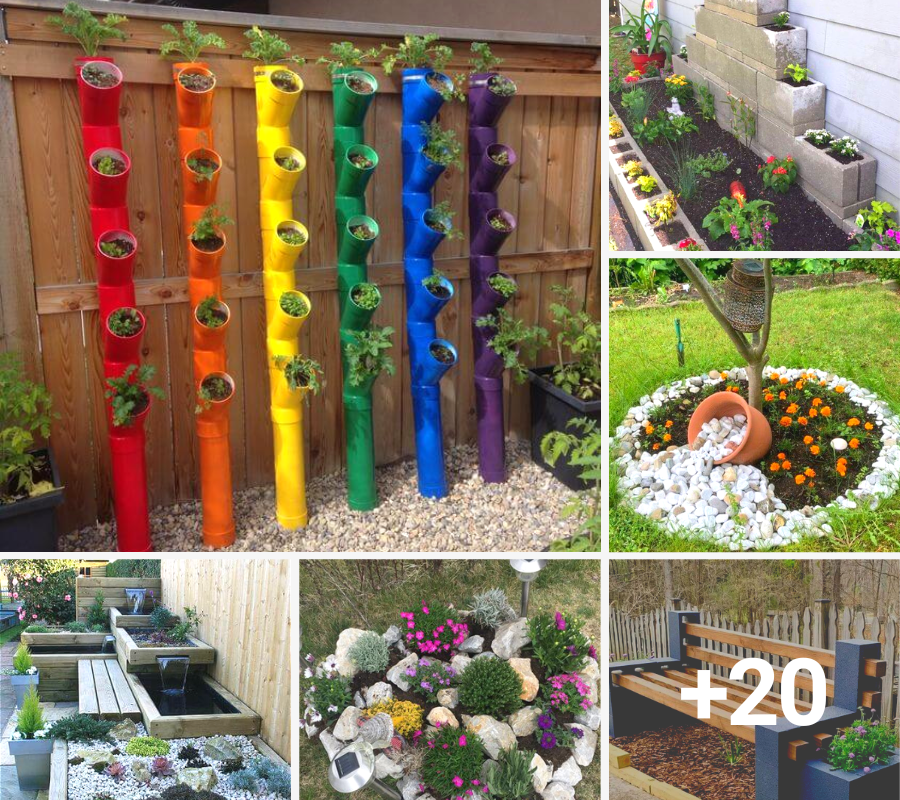
DIY garden ideas open the door to creativity and personal expression, allowing you to transform your outdoor space into a sanctuary that reflects your unique style. With so many innovative concepts like container gardening, upcycling projects, and themed gardens, the possibilities are endless for anyone looking to get their hands dirty and cultivate beauty.
From utilizing limited areas with vertical techniques to incorporating water features, these ideas not only enhance aesthetics but also promote sustainability. Whether you’re a seasoned gardener or a curious beginner, these engaging DIY projects can spark joy and encourage you to explore the green potential of your home.
Innovative Container Gardening Techniques for Small Spaces
Container gardening has emerged as a popular solution for urban dwellers and those with limited outdoor space. By optimizing small areas, individuals can grow a wide variety of plants, from herbs and vegetables to ornamental flowers. Utilizing various containers not only allows for creativity but also maximizes the use of available space, ensuring that even the tiniest balcony or patio can become a lush garden.When it comes to choosing containers for gardening in confined spaces, a wide range of materials can be employed.
Each type of container offers its unique benefits and aesthetics. Examples of suitable materials include:
- Wood: Wooden containers, such as planters made from cedar or redwood, provide natural insulation for plant roots and blend well with outdoor settings.
- Metal: Galvanized steel or aluminum pots lend a modern touch and are durable, although they can heat up quickly in the sun.
- Plastic: Lightweight and versatile, plastic containers come in myriad colors and shapes, making them easy to move around.
- Fabric: Grow bags made from breathable fabric allow for excellent drainage and aeration, promoting healthy root growth.
- Recycled materials: Items like old bathtubs, wooden pallets, or even wine crates can be repurposed into charming and functional planters, reducing waste while adding character to your garden.
The benefits of vertical gardening techniques in confined spaces cannot be overstated. Vertical gardening not only saves ground space but also enhances air circulation and sunlight exposure for plants. This approach can transform bare walls or fences into vibrant green backdrops. Here are some effective vertical gardening methods:
- Wall-mounted planters: These can be attached to fences or walls and come in various shapes and sizes, allowing for creative layouts of flowers or vegetables.
- Vertical pallets: Repurposing old pallets into vertical gardens can create a rustic look while providing a sturdy structure for plants to grow.
- Hanging pots: Utilizing hooks or brackets, hanging pots can add depth and dimension to your garden, making use of the air space above.
- Tiered shelving: Building or buying tiered shelves can help organize pots in an appealing manner, making it easy to access each plant.
By incorporating innovative container gardening techniques and utilizing vertical space, anyone can create a flourishing garden in even the smallest of areas. This not only enhances the aesthetics of the space but also promotes sustainable living through homegrown produce.
Creative Upcycling Projects for Your Garden
Upcycling not only helps reduce waste but also adds unique character to your garden. Transforming everyday items into functional decor can create a personalized space while being eco-friendly. With a little creativity and effort, you can give new life to items that would otherwise end up in landfills. This guide explores popular materials to upcycle and includes a detailed project for your garden.When it comes to upcycling materials, many common household items can be repurposed effectively.
By doing so, you reduce environmental impact while enhancing your garden’s aesthetic. Here are some popular materials and their potential uses in a garden setting:
Common Upcycled Materials and Their Uses
The following list Artikels various materials you can upcycle and some inventive ways to incorporate them into your garden:
- Glass Jars: These can be turned into beautiful lanterns or plant holders. Simply clean them, paint or decorate if desired, and use them to house small plants or as candle holders.
- Old Tires: Tires can be repurposed into colorful planting containers. You can paint them in vibrant colors and stack them for a vertical garden effect.
- Wooden Pallets: Pallets can be transformed into raised garden beds or vertical planters. They are sturdy and can be arranged in various configurations.
- Wine Bottles: Wine bottles can be used as garden edging or turned into bird feeders. They are particularly effective when placed strategically to create a decorative border.
- Old Furniture: Items like chairs or tables can be converted into unique plant stands or garden benches, adding both functionality and charm to your garden.
Each of these materials offers a unique opportunity to express your creativity while also being functional in your garden design. The following is a detailed step-by-step process for creating a decorative planter from an old wooden pallet.
Creating a Pallet Planter
Repurposing a wooden pallet into a planter can be a fun and fulfilling project. Here’s a simple method to make a rustic planter that enhances your garden.
1. Gather Materials
You’ll need a wooden pallet, sandpaper, a saw (if you need to adjust the size), landscape fabric, soil, and your choice of plants.
2. Prepare the Pallet
Start by sanding down the pallet to prevent splinters. If the pallet is too large for your space, use the saw to cut it down to your desired size.
3. Add Landscape Fabric
Lay the pallet flat and stretch landscape fabric across the back and the bottom. This will allow for drainage while keeping soil from falling out.
4. Fill with Soil
Turn the pallet upright or lean it against a wall and begin filling each slat with potting soil. Make sure to pack the soil gently to avoid collapsing the planter.
5. Plant Your Selection
Choose a mix of flowers, herbs, or succulents that will fit within the slats. Consider varying heights and colors for a visually appealing display.
6. Position the Planter
Place your newly created pallet planter in your garden or on your patio. Ensure it receives adequate sunlight based on the needs of your selected plants.
7. Maintain Regularly
Water your plants as needed and monitor their growth, ensuring they thrive in their new upcycled home.This project not only beautifies your garden but also makes a strong sustainability statement. The rustic charm of a pallet planter is sure to catch the attention of your guests while promoting an eco-conscious lifestyle.
Designing a Themed Garden for Personal Enjoyment
Creating a themed garden allows you to cultivate a space that truly reflects your personal style and interests. Whether you envision a whimsical fairy garden or a practical herb garden, the key is to choose a theme that resonates with you. This not only makes the gardening process more enjoyable but also results in a space that feels uniquely yours.
The process of designing a themed garden involves careful consideration of various elements, such as plants, decorations, and layout.To select the right theme, start by reflecting on your hobbies, passions, and what you find aesthetically pleasing. Think about your favorite colors, scents, and textures. Maybe you are enchanted by the idea of a fairy garden filled with miniature houses and delicate flower arrangements, or perhaps you prefer a sensory garden that engages all your senses with aromatic herbs and vibrant blooms.
Whatever theme you choose, ensure it is something you will cherish and enjoy tending to over time.
Ideas for Various Garden Themes
There are countless themes to explore when designing your garden. Here are a few popular options that can bring joy and inspiration to your outdoor space:
- Fairy Garden: A whimsical spot with tiny decorations such as fairy houses, miniature furniture, and small pathways made from pebbles. Use low-growing plants like moss, ground covers, and dwarf varieties of flowers to create an enchanting atmosphere.
- Herb Garden: Ideal for those who love cooking or herbal remedies. Plan for various herbs like basil, thyme, and rosemary. An organized layout with labeled sections helps in managing the space effectively.
- Sensory Garden: A garden designed to engage all five senses. Incorporate fragrant flowers, textured leaves, colorful blooms, and plants that attract butterflies. Consider adding wind chimes or water features for auditory stimulation.
- Zen Garden: A tranquil space focused on simplicity and peace. Use rocks, gravel, and minimalistic plantings like bamboo and succulents. It’s an ideal setting for meditation and relaxation.
- Wildflower Garden: A vibrant and colorful garden that fosters biodiversity. Mix a variety of native wildflowers to attract bees and butterflies, creating a lively ecosystem.
When starting a themed garden, having a checklist of necessary items can streamline the process. Here are essential considerations:
- Theme Selection: Choose a theme that speaks to your interests and lifestyle.
- Site Evaluation: Assess sunlight, soil conditions, and space availability.
- Plant Selection: Research plants that fit your theme and climate.
- Decorative Elements: Gather items such as garden ornaments, pathways, and seating areas that complement your theme.
- Garden Layout: Plan the arrangement of plants and decorations for optimal aesthetic appeal and functionality.
- Maintenance Plan: Consider how much time you can dedicate to care and upkeep of the garden.
“A garden is a friend you can visit anytime.”
Your themed garden will not only be a visual feast but also a personal sanctuary that brings joy and fulfillment every time you step outside.
Seasonal DIY Projects to Enhance Garden Aesthetics
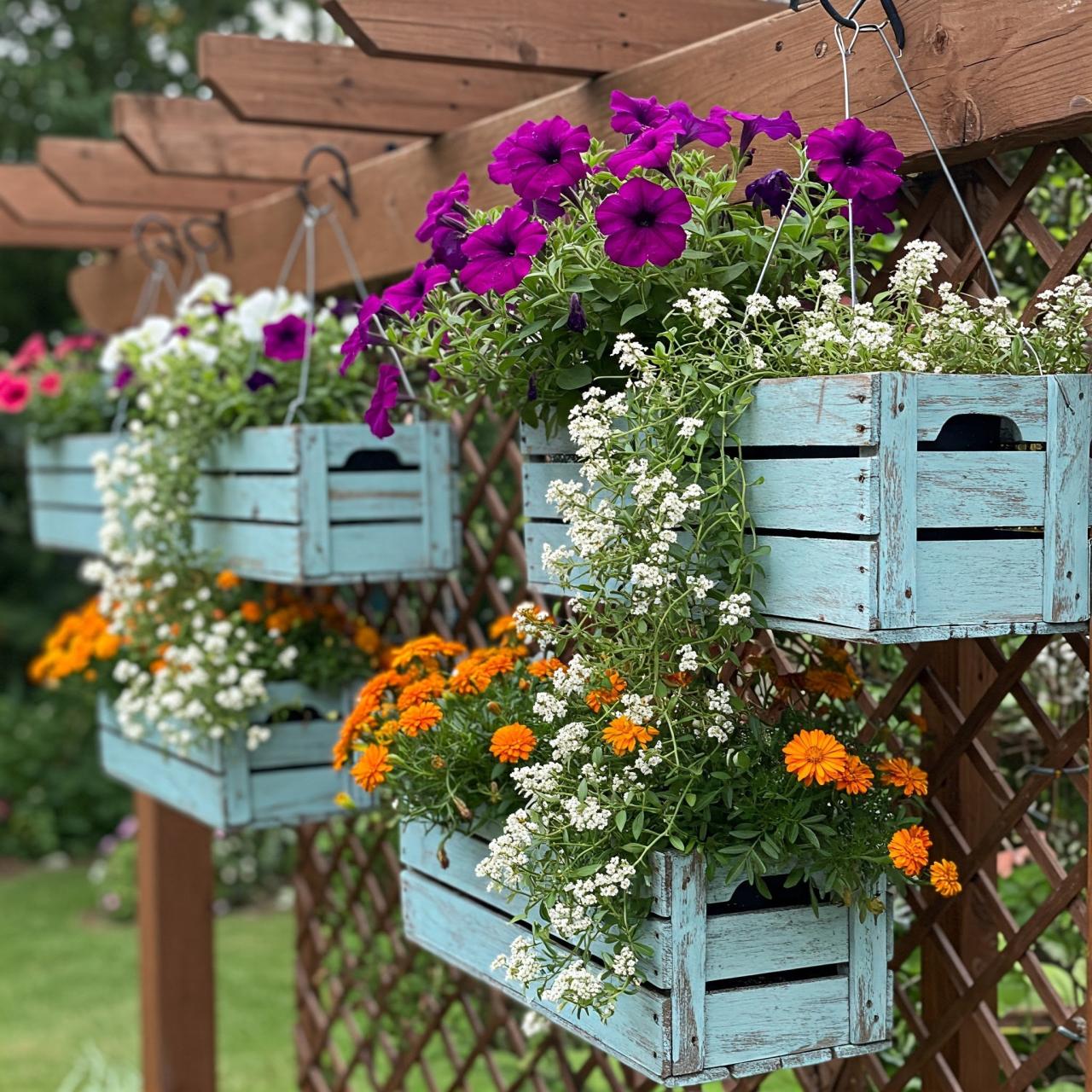
As the seasons change, so too do the opportunities to enhance the beauty and functionality of your garden. Each season brings its own unique charm and challenges, making it an ideal time to embark on seasonal DIY projects that can breathe new life into your outdoor space. Whether it’s the vibrant blooms of spring, the lush greenery of summer, the warm hues of autumn, or the serene stillness of winter, there’s always a way to elevate your garden aesthetics while enjoying the hands-on experience of creating something beautiful.The impact of seasonal changes on garden projects is substantial, influencing not just plant selection but also the design elements that can flourish at different times of the year.
Understanding these changes allows you to tailor your DIY projects accordingly, ensuring that your garden remains visually appealing year-round. Seasonal DIY projects can also help in maintaining the health of your plants by addressing specific needs related to weather conditions.
DIY Projects for Each Season
Here are several DIY projects categorized by season that can enhance your garden’s aesthetics, along with their unique features:
- Spring:
Consider building raised garden beds. These not only elevate the planting area but also improve drainage and soil quality. You can paint or stain the wood to match your garden’s color scheme, adding a personal touch. - Summer:
Create a vibrant outdoor seating area with handmade benches or tables. Using reclaimed wood can add character, and incorporating colorful outdoor cushions invites relaxation while enjoying the lush summer greenery. - Autumn:
Implement a decorative compost bin. This not only helps in recycling your garden waste but can be made to blend harmoniously with autumn foliage. Use a wooden design that complements the natural tones of this season. - Winter:
Construct a bird feeder or birdhouse. These projects can be painted in bright colors to stand out against the winter landscape, providing sustenance for local wildlife while enhancing the aesthetics of your garden during the colder months.
Maintaining or adapting these projects for year-round appeal can be easily achieved with a few thoughtful touches. For example, the raised garden beds can be planted with cool-weather crops in the fall or winter, extending their purpose beyond spring and summer. Similarly, your outdoor seating area can be enhanced with weather-resistant fabrics or portable heating sources, allowing it to be used even during cooler evenings.
The compost bin can be decorated with seasonal art or lights to keep it visually interesting, while the bird feeder can be refilled and maintained throughout the year to attract different species. By considering the aesthetic and functional roles of each project in relation to the seasons, you can create a garden that is continually engaging and beautiful, regardless of the time of year.
“Adapting your garden projects to the seasons not only enhances aesthetics but also fosters a deeper connection with nature.”
Sustainable Gardening Practices for Eco-Friendly Homes
Creating a sustainable garden not only enhances the beauty of your home but also significantly contributes to environmental conservation. By embracing eco-friendly gardening practices, you can reduce water usage, decrease waste, and promote biodiversity in your local ecosystem. This approach supports a healthier planet while providing you with fresh produce and a tranquil space to enjoy. Sustainable gardening methods involve various techniques that prioritize environmental health over traditional practices.
Unlike conventional gardening, which often relies on synthetic fertilizers and pesticides, sustainable gardening focuses on natural processes and materials. This approach fosters a holistic relationship with nature, ensuring that gardening impacts are beneficial rather than harmful.
Comparison of Traditional Gardening versus Sustainable Gardening Methods
The differences between traditional and sustainable gardening methods can have profound implications on the environment and your gardening success. Here’s a closer look at the key distinctions:
| Aspect | Traditional Gardening | Sustainable Gardening |
|---|---|---|
| Fertilizers | Relies on synthetic fertilizers | Utilizes compost and organic fertilizers |
| Pesticides | Employs chemical pesticides | Incorporates natural pest management strategies |
| Water Usage | Often wastes water | Implements rainwater harvesting and drip irrigation |
| Biodiversity | Encourages monoculture | Promotes crop diversity and companion planting |
The shift towards sustainable practices can significantly reduce environmental impact, making gardening a positive force for nature.
Importance of Composting and Its Integration into a DIY Garden
Composting is a cornerstone of sustainable gardening as it transforms organic waste into nutrient-rich soil that improves garden health. By composting, gardeners can minimize waste, reduce landfill contributions, and enrich their garden soil naturally. To effectively integrate composting into a DIY garden, consider the following steps:
1. Choose a Composting Method
Opt for a compost bin, a pile, or a worm bin, depending on your space and preferences.
2. Collect Organic Waste
Gather kitchen scraps such as fruit and vegetable peels, coffee grounds, and garden waste like leaves and grass clippings.
3. Layer the Materials
Create layers in your compost bin with a mix of green materials (Nitrogen-rich) and brown materials (Carbon-rich) to promote decomposition.
4. Maintain the Compost
Turn the compost regularly to aerate it, which speeds up the decomposition process and prevents odor.
5. Use the Finished Compost
Once the compost is dark and crumbly, incorporate it into your garden beds, improving soil structure and fertility.
“Composting not only reduces waste but also enriches your garden soil, fostering a thriving ecosystem.”
By embracing these sustainable gardening practices, you contribute to a healthier environment while enjoying the fruits of your labor in a home that reflects an eco-friendly lifestyle.
Incorporating Water Features into Your DIY Garden Design
Water features can transform any garden into a serene retreat, adding both aesthetic appeal and a calming ambiance. The sound of flowing water can enhance relaxation, attract wildlife, and create a focal point in your outdoor space. Whether you’re looking to build a grand pond or a simple fountain, incorporating water features into your DIY garden design can elevate your gardening experience.There are several types of water features you can consider for your garden.
Each type has its unique charm and can cater to different garden sizes and styles. Here’s a closer look at some popular options:
Types of Water Features
When selecting a water feature, consider how it fits into your overall garden design. Here are the most common types:
- Fountains: Fountains can range from elaborate, multi-tiered structures to simple, single spouts. They add elegance and can be made from various materials including stone, ceramic, or metal. Solar-powered fountains are also available, providing an eco-friendly option.
- Ponds: A pond can serve as a habitat for fish and plants, contributing to biodiversity. You can create a natural-looking pond with stones and water plants or design a formal pond with clean lines and geometric shapes.
- Waterfalls: Waterfalls can be integrated into ponds or stand alone as a feature. They create soothing sounds and can be made from rocks or pre-formed liners. A waterfall can also help aerate pond water, ensuring a healthy ecosystem.
- Birdbaths: A smaller yet highly effective feature, birdbaths attract birds to your garden. They can be simple bowls or elaborate sculptures and should be shallow to ensure birds can safely drink and bathe.
- Streams: If you have the space, creating a meandering stream can mimic natural waterways. Streams can flow between various garden areas and can connect multiple water features, enhancing the visual appeal.
- Container Water Gardens: Perfect for small spaces, container gardens can be used to hold water plants and small fish. They can easily be moved and placed to suit your design needs.
To construct a simple fountain or pond, you will require some essential materials and tools. Having the right items will ensure that your project runs smoothly and achieves the desired look.
Essential Materials and Tools
Before starting your project, gather the following materials and tools:
- Materials:
- Pond liner (for ponds and streams)
- Water pump (for fountains and ponds)
- Rocks and boulders (for natural appearance)
- Water plants (such as lilies or rushes)
- Fountain basin (if building a fountain)
- Gravel (for pond bottom and drainage)
- Sealant (if needed for pond edges)
- Tools:
- Shovel (for digging)
- Level (to ensure even surfaces)
- Hose (for shaping the pond or stream)
- Rake (for leveling gravel)
- Bucket (for water adjustments)
- Measuring tape (to ensure correct dimensions)
- Safety gloves (to protect your hands)
After establishing your water feature, maintenance is crucial to keep it clean and attractive. Regular upkeep not only enhances its beauty but also promotes a healthy environment for aquatic life.
Maintenance Tips
To ensure your water feature stays in pristine condition, consider the following maintenance tips:
- Regularly check and clean the pump to prevent clogs and ensure optimal water flow.
- Remove debris such as leaves and algae to keep the water clear and maintain quality.
- Monitor water levels, especially during hot weather, and refill as needed.
- Change the water in birdbaths frequently to prevent stagnation and attract birds.
- Trim aquatic plants to prevent overgrowth, ensuring they don’t suffocate other plants or fish.
- Consider adding beneficial bacteria to your pond to help break down organic waste.
Incorporating water features into your DIY garden not only enhances its beauty but also invites nature into your outdoor living space, creating a tranquil environment for you and your family.
Low-Maintenance Plants for Busy Gardeners
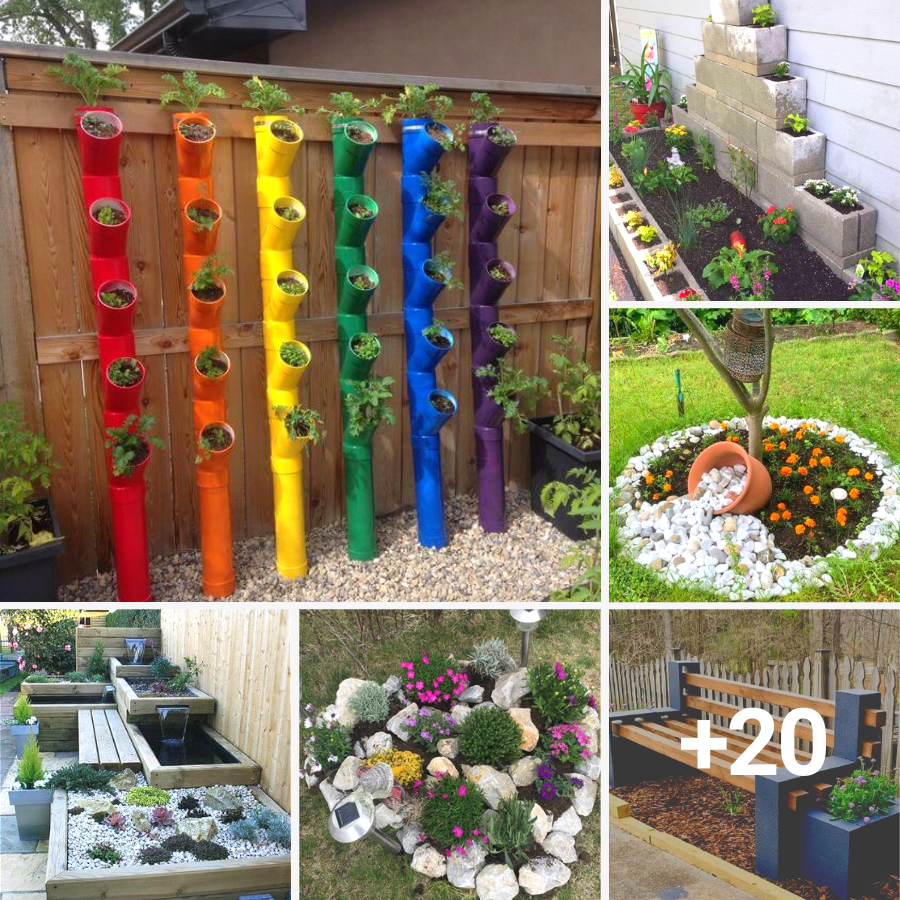
For busy gardeners, finding the right plants that require minimal care can make all the difference. Low-maintenance plants thrive in various conditions and do not demand constant attention, allowing you to enjoy your garden without the stress of extensive upkeep. This guide explores several hardy plants that are perfect for gardeners with a hectic lifestyle.Selecting hardy plants for low-maintenance gardening comes with a multitude of benefits.
These plants are specifically bred or naturally adapted to survive in diverse environments, requiring less water, fertilizer, and pruning than their more delicate counterparts. They often have natural defenses against pests and diseases, making them less susceptible to damage and reducing the need for chemical treatments. This not only saves time but also supports a healthier ecosystem.
Overview of Low-Maintenance Plants
The following plants are well-known for their resilience and low care requirements. This table summarizes their care needs, growth conditions, and other important details to help you choose the best options for your DIY garden:
| Plant Name | Sunlight Requirements | Watering Frequency | Soil Type | Growth Height |
|---|---|---|---|---|
| Lavender | Full sun | Once weekly | Well-drained, sandy soil | 1-3 feet |
| Sedum | Full sun | Every 2-3 weeks | Well-drained, dry soil | 6-24 inches |
| Hosta | Partial to full shade | Once a week | Moist, rich soil | 1-4 feet |
| Daylily | Full sun to partial shade | Once a week | Well-drained, average soil | 1-3 feet |
| Ornamental Grasses | Full sun | Every 2 weeks | Well-drained soil | 2-6 feet |
Incorporating these low-maintenance plants into your garden allows for a beautiful, vibrant landscape with minimal effort. They not only enhance the aesthetic appeal of your outdoor space but also provide a sense of tranquility without demanding your constant attention. By choosing hardy varieties, busy gardeners can enjoy the fruits of their labor without the hassle of extensive gardening duties.
DIY Garden Lighting Ideas to Enhance Nighttime Ambiance
Creating the perfect nighttime ambiance in your garden can turn an ordinary outdoor space into an inviting retreat. Garden lighting plays a crucial role in enhancing your garden’s beauty after dark, ensuring that you can enjoy your space well into the evening. The right lighting can highlight features like plants, pathways, and seating areas, while also providing safety and security.
With a few DIY lighting ideas, you can create a stunning atmosphere that showcases your garden’s unique charm.
DIY Lighting Options
There are several effective and budget-friendly DIY garden lighting options that can dramatically improve your garden’s nighttime appeal. Here are some popular choices:
- Solar Lights: These energy-efficient lights absorb sunlight during the day and emit a warm glow at night. They come in various styles, from stake lights that can illuminate flower beds to decorative lanterns that add a touch of elegance. Place them along pathways or around seating areas to guide and welcome guests.
- String Lights: Often used for festive occasions, string lights can add a whimsical touch to your garden. Hang them above seating areas, drape them over pergolas, or weave them through trees to create a magical canopy of light. Opt for waterproof versions to withstand weather elements.
- Lanterns: Lanterns can serve as both functional and decorative elements. They can be hung from tree branches, placed on tables, or set along pathways. Using candles or battery-operated LED lights inside adds a soft, flickering glow, enhancing the cozy atmosphere.
- LED Spotlights: These lights can be directed towards specific plants or garden features, creating dramatic effects. By placing them behind larger plants or above garden sculptures, you can highlight key focal points and add depth to your landscape.
To maximize the effect of your garden lighting, consider the following placement ideas:
- Utilize uplighting by positioning lights at the base of trees or shrubs to cast light upwards, creating height and a sense of drama.
- Use downlighting to mimic natural moonlight; hanging lights from branches or structures can create a soft, serene environment.
- Add accent lighting to highlight unique garden features such as water features or ornamental sculptures, drawing attention without overwhelming the scene.
- Incorporate lighting along pathways to enhance safety and guide guests, using low-profile lights that won’t obstruct the view.
“The right lighting can transform your garden into a nighttime paradise, allowing you to enjoy the beauty of nature long after the sun sets.”
Ultimate Conclusion
In conclusion, embracing DIY garden ideas empowers you to create a personal paradise while fostering a deeper connection with nature. As you explore innovative techniques, upcycle materials, and express your individual flair, your garden will undoubtedly become a space of joy and relaxation. So roll up your sleeves and let your imagination flourish in your very own green oasis.
Commonly Asked Questions
What are some easy DIY garden projects for beginners?
Some easy projects include creating container gardens, building raised beds, and making simple garden decorations from upcycled materials.
How can I make my small garden look bigger?
Utilize vertical gardening techniques, choose small-scale plants, and incorporate mirrors or light-colored paint to create an illusion of more space.
What type of plants are best for container gardening?
Herbs, tomatoes, peppers, and ornamental flowers are great choices for container gardening due to their adaptability and growth habits.
How do I start a themed garden?
Choose a theme that reflects your interests, research suitable plants and decor, and create a checklist of items needed to bring your vision to life.
What are some eco-friendly gardening practices?
Consider using organic fertilizers, practicing crop rotation, composting kitchen scraps, and utilizing rainwater for irrigation.