
 Tamara Smith
DIY garden ideas offer a fantastic way to express creativity while cultivating a personal sanctuary right in your backyard. Whether you’re a seasoned gardener or just starting, there’s an endless array of projects that can beautify and enhance your outdoor space. From planning your garden layout to exploring vertical gardening and sustainable practices, the possibilities are both exciting and eco-friendly.
In this guide, we will delve into various aspects of DIY gardening, including innovative techniques for small spaces, engaging kids in gardening, and the significance of pollinator-friendly practices. With a mix of creativity, sustainability, and fun, these ideas are designed to inspire you to get your hands dirty and make your garden a vibrant reflection of your personality.
DIY garden planning and design basics
Planning a DIY garden can be an exciting and fulfilling endeavor. It allows for creativity while ensuring a space that suits your aesthetic and practical needs. Understanding essential design principles and garden layout techniques can help you create a thriving garden that not only flourishes but is also enjoyable to maintain.The first step in planning your garden layout involves assessing your available space.
Take precise measurements of the area to determine how much room you have for planting, pathways, and any additional features like seating or decorative elements. Use a tape measure to get the dimensions of your garden, and consider creating a rough sketch to visualize your ideas. This initial map will aid in organizing plants and features effectively within the given space.
Key factors in garden planning
Understanding various elements of your garden environment is crucial for successful planning. Consider the following factors to ensure your garden thrives:
- Sunlight: Observe how sunlight moves across your garden throughout the day. Different plants have varying light requirements, so noting sunny and shady spots will guide you in choosing appropriate plants.
- Soil type: Conducting a soil test helps determine its pH level and nutrient content. This information will inform your choices for soil amendments and plant selection, ensuring you provide optimal growing conditions.
- Climate: Researching your local climate zone is vital. Understanding the specific conditions of your area, including average rainfall and temperature ranges, will help you select plants that are well-suited to thrive in your garden.
“A well-planned garden not only enhances your outdoor space but also contributes to your overall well-being.”
By taking the time to thoroughly assess your garden space and understanding these critical factors, you can create a DIY garden that is both beautiful and bountiful, tailored to your unique preferences and environmental conditions.
Creative vertical gardening techniques
Vertical gardening is an innovative way to maximize space, particularly in urban settings where square footage is limited. By growing plants upwards instead of outwards, vertical gardens can transform small balconies, patios, or even walls into vibrant green spaces. This method not only enhances the aesthetic appeal of a location but also promotes healthier living by providing access to fresh herbs, vegetables, and flowers.
The following techniques illustrate various ways to create a flourishing vertical garden, along with ideas for using repurposed materials to construct unique planters.
Various vertical gardening methods
Several methods effectively utilize vertical space for gardening, catering to different types of plants and environmental conditions. Here are some popular techniques that can be easily implemented:
- Wall-mounted planters: These planters can be attached directly to walls and are great for herbs and small flowering plants. They come in various designs, including pocket planters made from fabric or metal grids with pots hung from them.
- Vertical garden trellises: Using trellises allows climbing plants like peas, beans, and cucumbers to grow vertically, saving ground space while creating a visually striking display.
- Pallet gardens: Old wooden pallets can be transformed into vertical planters by filling the slats with soil and planting herbs or flowers. This method is not only creative but also budget-friendly.
- Hanging pots: Utilizing ceiling space, hanging pots create a layered effect. You can use macramé hangers or metal hooks to suspend plants at different heights, adding depth to your garden.
- Gutter gardens: Repurposed rain gutters can be mounted on walls to serve as planters. They work well for growing herbs or small leafy greens and take advantage of vertical space efficiently.
Repurposed materials for vertical planters
Creating vertical gardens can be both eco-friendly and cost-effective through the use of repurposed materials. Here are some ideas:
- Wine crates: Old wine crates can be stacked or hung to create charming rustic planters.
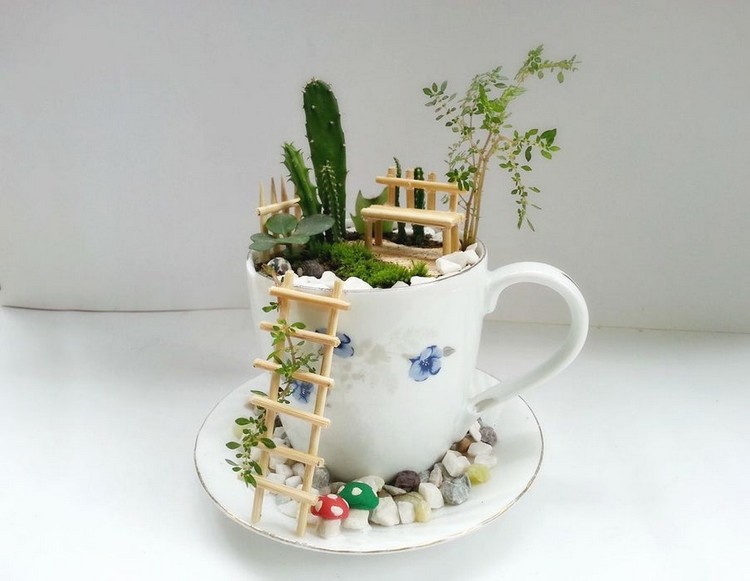
- Tea cups or mugs: These can be attached to a wooden board or fence to create a quirky vertical garden display.
- Old shoes or boots: Hanging old footwear can serve as unique planters, adding character while promoting sustainability.
- Plastic bottles: Cut in half and attached to a wall, they can serve as lightweight planters for a variety of plants.
- Old ladders: Leaning against a wall, ladders can hold planters on each rung, offering an eye-catching vertical garden structure.
Benefits of vertical gardening versus traditional gardening
Vertical gardening offers several advantages over traditional gardening, particularly for those with limited space or health concerns.
“Vertical gardening can yield more produce in less space, making it ideal for urban dwellers.”
Some key benefits include:
- Space efficiency: Vertical gardens utilize vertical space, which is particularly beneficial for small apartments or homes.
- Reduced strain: Less bending and kneeling is required, making gardening accessible for individuals with mobility issues.
- Improved air circulation: Plants grown vertically often experience better air flow, reducing the risk of fungal diseases.
- Aesthetic appeal: A vertical garden can serve as a living art installation, enhancing the beauty of any space.
- Conservation of resources: Vertical gardens can reduce the need for water and fertilizers, as they tend to require less soil and can be designed to capture rainwater.
Sustainable DIY garden projects for eco-friendly enthusiasts
Creating a sustainable garden not only benefits the environment but also fosters a sense of responsibility towards nature. By incorporating eco-friendly practices, you can cultivate a garden that thrives while minimizing your ecological footprint. This guide details practical methods to enhance your gardening experience sustainably, making your green space both beautiful and beneficial.
Sustainable Practices for Eco-Friendly Gardening
Embracing sustainable gardening practices can significantly reduce the environmental impact of your garden. Here are some essential methods to consider:
- Water Conservation: Implement drip irrigation systems or soaker hoses to minimize water usage. Collect rainwater using a barrel to water your plants, reducing reliance on municipal water sources.
- Natural Pest Control: Encourage beneficial insects such as ladybugs and lacewings by planting diverse flora. Use companion planting techniques to deter pests naturally, avoiding harmful chemicals.
- Soil Health: Incorporate mulching to retain moisture and suppress weeds. Use organic fertilizers, such as fish emulsion or seaweed extract, to nourish your plants sustainably.
Role of Composting and Creating a Compost Bin
Composting is a vital aspect of sustainable gardening, transforming organic waste into nutrient-rich soil conditioner. Not only does it reduce landfill waste, but it also enhances your garden’s fertility.To create a compost bin at home, follow these steps:
“A compost bin is a simple yet effective way to recycle kitchen scraps and yard waste.”
1. Choose a Location
Select a dry, shaded area near your garden for easy access.
2. Select Materials
Gather kitchen scraps (vegetable peels, coffee grounds) and yard waste (leaves, grass clippings). Avoid meat, dairy, and oily foods.
3. Build the Bin
You can purchase a compost bin or make one from wood pallets or wire mesh, ensuring proper airflow.
4. Layer the Ingredients
Alternate between green materials (nitrogen-rich) and brown materials (carbon-rich) for optimal compost breakdown.
5. Maintain the Pile
Turn your compost every few weeks to aerate and speed up decomposition.
Examples of Native Plant Choices
Choosing native plants for your garden can significantly reduce water consumption and maintenance needs. Native plants are adapted to the local climate, requiring less care than non-native species. Here are some excellent choices:
- California Poppy (Eschscholzia californica): Thrives in dry conditions and attracts pollinators.
- Black-eyed Susan (Rudbeckia hirta): Drought-tolerant and provides vibrant color throughout the summer.
- Butterfly Bush (Buddleja): Ideal for attracting butterflies and needs minimal watering once established.
Engaging children in DIY gardening activities
Introducing children to the world of gardening can be a delightful experience. It allows them to explore their creativity while developing a sense of responsibility and care for living things. By engaging in DIY gardening projects, kids not only learn about nature but also enjoy hands-on activities that can spark their interest in science and the environment.
One effective way to foster a love for gardening in children is through fun and easy DIY projects. Here are some engaging activities that can captivate young minds while contributing to their garden:
- Miniature Fairy Gardens: Kids can create small, whimsical gardens using tiny plants, pebbles, and fairy figurines. This project encourages creativity as they design their unique fairy world.
- Painted Plant Pots: Let children express their artistic skills by painting terracotta pots. They can customize their pots with bright colors and fun designs before planting their favorite flowers or herbs.
- Vegetable Garden in Containers: Introduce children to the joys of growing vegetables by starting a container garden with easy-to-grow plants like cherry tomatoes or radishes. This teaches them about food production and healthy eating.
- Seed Bombs: Making seed bombs is a fun way to teach kids about seed dispersal. Mix clay, compost, and seeds, roll them into balls, and toss them in the garden for a surprise bloom later.
- Nature Collages: Children can collect leaves, flowers, and other natural materials to create beautiful collages. This project promotes observation skills and appreciation for their surroundings.
Teaching kids about plant care and responsibility is essential in nurturing their gardening skills. By assigning age-appropriate tasks such as watering, weeding, and observing plant growth, children learn the importance of regular maintenance. Setting a routine for caring for plants helps instill discipline and a sense of accomplishment as they see their plants thrive. Moreover, involving them in discussions about the needs of plants, such as sunlight, water, and nutrients, reinforces their understanding of ecosystems.
Fostering a connection with nature is crucial for children’s emotional and cognitive development. Spending time in the garden allows kids to experience the outdoors, promoting physical activity and reducing screen time. Research shows that children who engage with nature exhibit lower levels of stress and improved attention spans. By nurturing this connection, parents can help cultivate environmentally conscious individuals who appreciate and care for the planet throughout their lives.
Unique container gardening ideas for urban settings
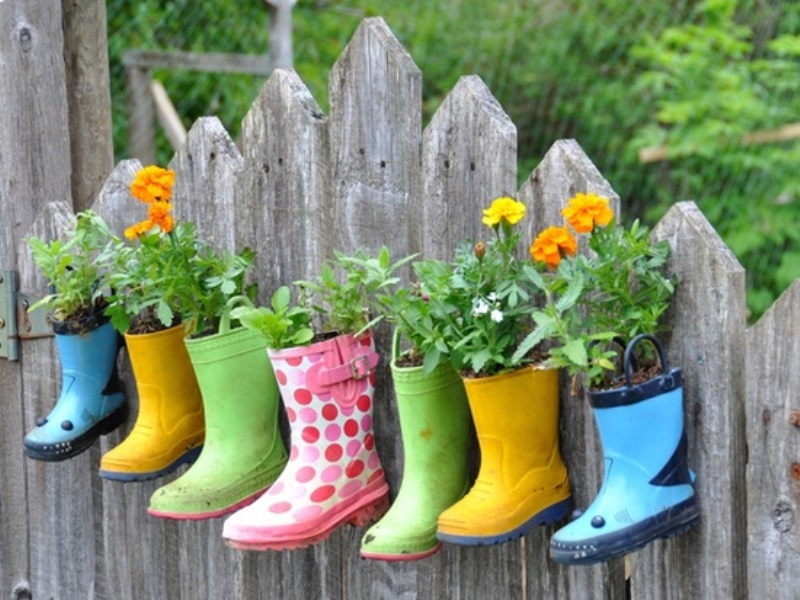
Urban gardening can be a delightful way to connect with nature, even in limited spaces. Container gardening offers an ideal solution, allowing individuals to cultivate plants on balconies, patios, or window sills. The versatility of containers enables creative expression while enhancing the aesthetics of urban environments. Selecting the right materials, sizes, and plants is crucial to the success of these projects.
Container options for urban gardening
Choosing the right container is essential for any urban gardener. Various materials and sizes can impact the growth and appearance of your plants. Here are some popular container options:
- Terracotta pots: These classic clay pots provide excellent breathability and drainage, making them ideal for a variety of plants. They come in various sizes, from small 4-inch pots to larger 14-inch options.
- Plastic containers: Lightweight and available in numerous shapes and colors, plastic pots are a budget-friendly choice. They retain moisture better than terracotta, which is beneficial for water-loving plants.
- Wooden planters: Durable and aesthetically pleasing, wooden containers can be easily customized. Ensure they are treated to prevent rot and consider using them for larger plants or herbs.
- Recycled materials: Old buckets, crates, or even tin cans can be transformed into charming containers. Just ensure proper drainage holes are created to maintain plant health.
Selecting the right plants for container gardening depends not only on the space available but also on the sunlight each area receives. Consider the following factors:
- Space constraints: Choose compact or dwarf varieties of plants for smaller spaces. Herbs, succulents, and small flowering plants thrive in confined areas.
- Sunlight exposure: Assess the amount of sunlight the container will receive each day. Shade-loving plants like ferns and hostas are suitable for low-light spaces, while sun-loving varieties such as tomatoes and petunias prefer bright locations.
Creative plant arrangement in containers
Arranging plants in containers can elevate their visual impact. Layering plants by height and texture creates visual interest. Here are some arrangement ideas:
- Thriller, filler, and spiller: Design containers using the thriller (tall focal point), filler (medium-sized plants), and spiller (trailing plants) technique. For example, use a tall ornamental grass as the thriller, colorful petunias as fillers, and ivy as the spiller.
- Color themes: Create a harmonious color palette by grouping plants with complementary colors. A container with purple flowers, silver foliage, and yellow blooms can be eye-catching and dynamic.
- Seasonal arrangements: Change plants seasonally for continuous visual appeal. Summer might feature vibrant annuals, while fall could introduce ornamental kale and chrysanthemums.
By exploring these container gardening ideas, urban dwellers can transform limited spaces into thriving green sanctuaries.
Seasonal DIY gardening tasks for year-round success
Maintaining a vibrant garden throughout the year requires planning and dedication. Each season offers unique opportunities and challenges, making it essential to have a seasonal gardening calendar. By understanding what tasks to prioritize in each season, you can ensure your garden thrives year-round.To effectively prepare your garden for each season, it’s important to know what to plant, when to harvest, and how to manage any pests or diseases that may arise.
This knowledge contributes significantly to your garden’s overall health and productivity. Below is a detailed breakdown of essential gardening tasks for each season.
Spring Gardening Tasks
Spring is the time for rejuvenation in your garden. As the soil warms, it becomes suitable for planting a variety of vegetables and flowers.
- Soil Preparation: Test pH levels and amend the soil with compost to enrich nutrients.
- Planting: Start sowing seeds for cool-season vegetables like lettuce, peas, and spinach.
- Weeding: Regularly remove weeds to prevent competition for nutrients.
- Pest Management: Monitor for aphids and slugs, using organic insecticides or barriers as needed.
Summer Gardening Tasks
Summer brings warmth and growth, making it crucial to maintain hydration levels and pest control.
- Watering: Implement a consistent watering schedule, focusing on early mornings or late afternoons.
- Mulching: Apply mulch to retain soil moisture and suppress weeds.
- Harvesting: Begin harvesting summer crops like tomatoes, cucumbers, and peppers.
- Pest Management: Watch out for spider mites and caterpillars; use neem oil or handpicking to mitigate damage.
Fall Gardening Tasks
As temperatures drop, fall is the perfect time for planting and preparing for winter.
- Planting: Sow cover crops like clover or rye to improve soil health over winter.
- Harvesting: Gather your late-season crops such as squash and pumpkins before frost.
- Cleanup: Remove dead plant material to reduce disease risk next spring.
- Pest Management: Watch for late-season pests like aphids; a strong spray of water can help dislodge them.
Winter Gardening Tasks
During winter, though the garden appears dormant, there are still tasks to keep your garden in good shape.
- Planning: Review your gardening notes and plan for next year’s garden layout.
- Tool Maintenance: Clean and repair gardening tools to ensure they are ready for spring.
- Indoor Gardening: Consider starting seedlings indoors for an early spring start.
- Monitoring: Regularly check for signs of pest activity in sheltered areas, such as greenhouses.
“Regular monitoring and proactive management of pests and diseases are key to a successful garden across all seasons.”
By following this seasonal calendar and being mindful of pest management strategies, you can ensure your garden remains healthy and productive throughout the year.
DIY garden decor and enhancements to personalize your space
Transforming your garden into a personalized oasis can be incredibly fulfilling. With a touch of creativity and some DIY spirit, you can craft unique decor that mirrors your personal style while enhancing the natural beauty of your outdoor space. This guide will explore various decorative DIY projects, imaginative uses for upcycled items, and functional decor that adds charm and utility to your garden.
Decorative DIY projects to enhance your garden’s aesthetic
Creating visually appealing elements in your garden not only adds character but also provides a sense of cohesion to your landscape. Here are some engaging DIY projects to elevate your garden’s aesthetic:
- Painted Plant Pots: Brighten up your garden with colorful, hand-painted pots. Use outdoor paint to create designs that reflect your personality, such as geometric patterns or floral motifs.
- Garden Lanterns: Repurpose mason jars or old glass bottles into charming lanterns. Fill them with fairy lights or candles to create a magical evening ambiance.
- Wooden Garden Signs: Craft personalized signs using reclaimed wood. Incorporate your garden’s theme or plant names to add a whimsical touch.
- Hanging Planters: Use old colanders or teacups suspended from hooks or branches to create eye-catching hanging planters that introduce dimension to your garden.
- Stepping Stones: Make your own stepping stones using concrete molds and embellishments like tiles or pebbles to create pathways that guide visitors through your green space.
Incorporating art and personal touches into garden design using upcycled items
Upcycling allows you to incorporate art and personality into your garden while being eco-friendly. Items you may otherwise discard can be transformed into stunning garden features. For example, an old bicycle can serve as a whimsical planter, while broken pottery can become an artistic border for flower beds. Consider using old shutters as garden backdrops or painting wooden pallets to create vertical gardens.
Each piece tells a story and showcases your creativity while minimizing waste.
Creating functional garden decor like bird feeders and trellises
Functional garden decor not only enhances aesthetics but also serves practical purposes. Crafting simple yet effective items can invite wildlife and support plant growth.
- Bird Feeders: Build feeders from pine cones smeared with peanut butter and rolled in birdseed, or use repurposed wooden pallets to create multi-compartment feeders.
- Trellises: Construct trellises from bamboo stakes or recycled wood to support climbing plants like beans or cucumbers while adding vertical interest to your garden.
- Compost Bins: Create a compost bin using old wooden crates or pallets, transforming kitchen waste into valuable fertilizer that enriches your garden soil.
The significance of pollinator-friendly gardening practices
Creating a pollinator-friendly garden is not just a trend, but a vital practice that supports biodiversity and contributes to the health of our ecosystems. Pollinators, including bees, butterflies, and hummingbirds, play a crucial role in the fertilization of many plants, which directly affects food production and the environment. By adopting methods that attract these important creatures, you can transform your DIY garden into a vibrant habitat while ensuring that pollinators thrive.To attract pollinators to your garden, it is essential to implement specific gardening practices that create a welcoming environment.
One effective method is to plant a diverse array of native flowers that bloom at different times throughout the growing season. This ensures that pollinators have a continuous food source. Incorporating native plants is particularly beneficial as they are well-adapted to your local climate and soil conditions, making them more resilient.
Methods to Attract Pollinators
To effectively create a haven for pollinators in your garden, consider the following strategies:
- Choose Native Plants: Select flowers like coneflowers, milkweed, and black-eyed Susans that are known to attract local pollinators. Native plants are also more resistant to pests and require less maintenance.
- Provide Continuous Bloom: Plant a variety of species that bloom at different times. Early spring flowers like crocus and late summer blooms like asters ensure a food supply throughout the season.
- Create Shelter: Incorporate structures such as bee hotels or brush piles where pollinators can nest and find shelter from harsh weather conditions.
- Limit Pesticide Use: Avoid using pesticides or herbicides that can be harmful to pollinators. Opt for organic methods of pest control that do not impact these beneficial species.
- Provide Water Sources: Create shallow water features, such as birdbaths with stones for landing spots, to provide hydration for pollinators.
The benefits of having a pollinator garden extend beyond just attracting bees and butterflies. These gardens can enhance the beauty of your outdoor space, support local ecosystems, and even improve the yield of your vegetable garden by ensuring effective pollination. Pollinator-friendly gardening practices contribute to the conservation of declining species and promote a healthier environment overall.
Creating Habitats for Pollinators
Developing habitats within your garden can significantly enhance the experience for various pollinators. To create suitable environments, follow these guidelines:
- Layered Planting: Utilize different heights in your garden by planting tall flowers at the back and shorter ones at the front. This variety creates visual appeal and provides shelter.
- Incorporate Herbs: Including flowering herbs such as basil, thyme, and oregano can attract pollinators while also benefiting your culinary endeavors.
- Mulch Wisely: Use organic mulch to improve soil health, retain moisture, and provide a cozy environment for ground-nesting bees.
- Maintain Natural Areas: Allow part of your garden to grow wild, providing native grasses and wildflowers that are essential for many pollinators’ life cycles.
- Educate and Involve Others: Share your gardening practices with neighbors or community members to promote pollinator-friendly gardening in your area.
By embracing these practices, you not only enhance your garden’s aesthetic appeal but also contribute to the vital role that pollinators play in our ecosystem. Supporting these hardworking creatures leads to a healthier garden and planet.
Ending Remarks
In summary, DIY garden ideas not only provide a way to beautify your surroundings but also encourage sustainable practices and family bonding. With the right planning and creativity, you can transform any space into a thriving garden that contributes positively to the environment and enhances your lifestyle. So gather your tools, get inspired, and start your gardening adventure today!
Helpful Answers
What are some easy plants to start with in a DIY garden?
Some easy plants for beginners include herbs like basil and mint, as well as flowers like marigolds and sunflowers.
How can I make my DIY garden more eco-friendly?
Incorporate composting, choose native plants, and reduce water usage by using mulch and drip irrigation.
What tools do I need for a simple DIY garden setup?
Basic tools include a trowel, pruning shears, a watering can, and gardening gloves.
How can I attract pollinators to my garden?
Plant a variety of flowers that bloom at different times and include native plants to provide food and habitat for pollinators.
Is it possible to garden in small spaces?
Absolutely! Using vertical gardening techniques and container gardening can maximize space in smaller areas.