
 Tamara Smith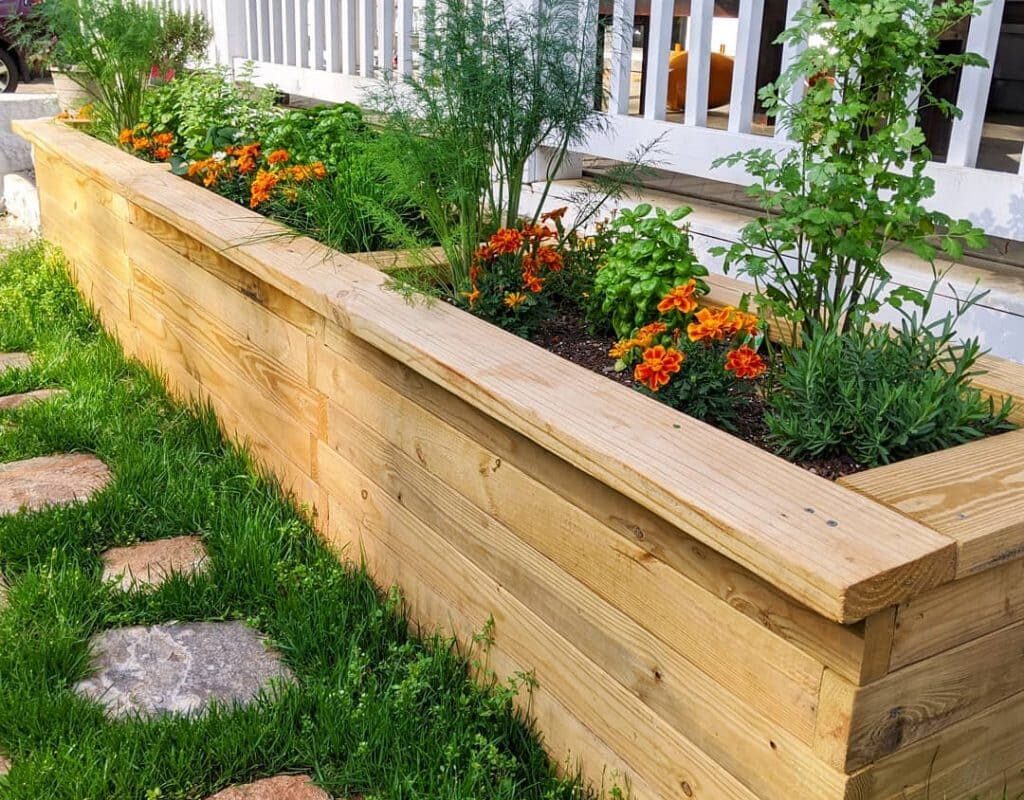
DIY planter ideas are not just a trend but a delightful way to add a personal touch to your gardening endeavors. By crafting your own planters, you can unleash your creativity while enjoying the numerous benefits that come with it. From customizing designs to fit your unique style to saving money compared to buying pre-made options, creating your own planters opens up a world of possibilities.
This guide will take you through innovative materials, step-by-step methods, and creative designs to inspire your next gardening project. Whether you’re looking to enhance your outdoor space or incorporate greenery into your home decor, these DIY planter ideas will ignite your passion for plants and design.
Exploring the Benefits of Creating Your Own Planters
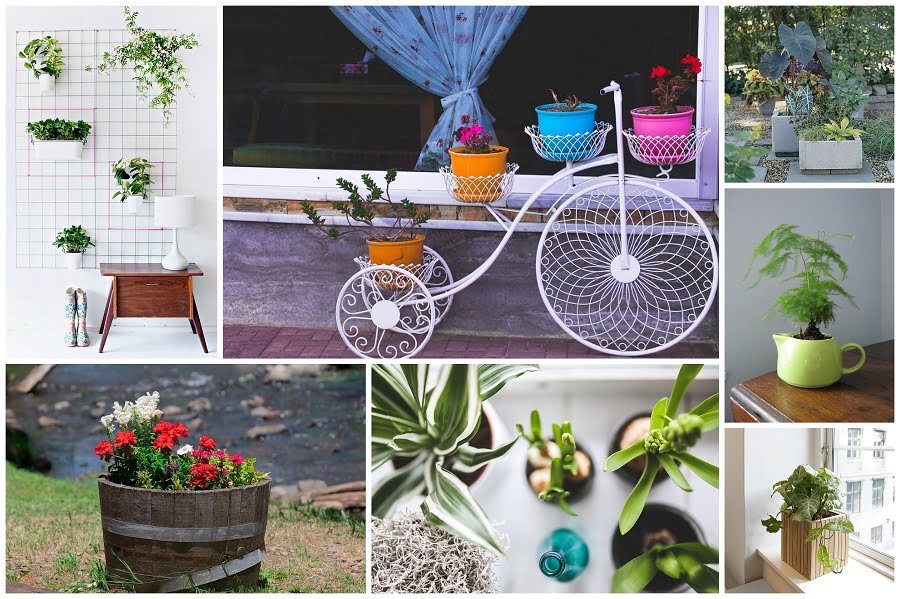
Crafting your own planters can be a rewarding endeavor, offering not just a sense of accomplishment but also a host of benefits that pre-made options simply can’t match. From customization to cost-effectiveness, DIY planters provide an opportunity to align your gardening and decor with your unique style and preferences.Creating your own planters allows for a level of personalization that store-bought alternatives often lack.
By selecting materials, colors, and designs that resonate with your taste, you can craft pieces that complement your home and garden aesthetics. Additionally, working with a variety of materials such as wood, metal, or recycled items means you can create planters that not only look good but also serve different functional purposes, whether it’s for indoor herbs or outdoor flowers.
Customization of Design and Style
One of the most significant advantages of DIY planters is the ability to tailor them to your liking. Customization enables you to incorporate specific elements that reflect your personality and preferences. Here are some important aspects to consider:
- Materials Selection: Choosing from a wide range of materials allows you to create planters that match your home’s decor. For instance, rustic wood planters can enhance a farmhouse style, while sleek metal designs can suit a modern aesthetic.
- Size and Shape: You can create planters of various dimensions and forms, ensuring they fit perfectly in your desired space. Whether you need a tall planter for a corner or a wide one for a patio, the choice is yours.
- Personal Touches: Adding personal touches such as paint, stencils, or decorations can make your planters truly unique. You can include quotes, patterns, or colors that resonate with you.
Cost Savings and Economical Benefits
The financial aspect of DIY planters presents another compelling argument for crafting your own. While initial costs may vary, the long-term savings can be significant. By sourcing materials locally or repurposing items you already own, you can create beautiful planters at a fraction of the cost of retail options. Here are a few factors contributing to cost savings when making your own planters:
- Using Recycled Materials: Old pallets, buckets, or even discarded furniture can be transformed into stylish planters, reducing waste and allowing for creative expression.
- Bulk Buying Supplies: Purchasing materials in bulk often lowers costs, especially if you plan to create multiple planters. Additionally, basic tools for crafting can be reused for future projects.
- Long-Lasting Quality: DIY planters can be built to last, reducing the need for replacements over time. This durability can lead to even greater savings.
“Creating your own planters not only saves money but also allows for a deeper connection to your gardening experience.”
Innovative Materials for DIY Planters
Creating unique and functional planters can be a delightful endeavor, especially when you explore unconventional materials. By thinking outside the box, you can transform everyday items into stunning planters that not only add beauty to your space but also promote sustainability. This guide will introduce you to innovative materials and methods for crafting your own planters.Repurposing everyday items for planters is an excellent way to minimize waste while enhancing your gardening experience.
Many common items can be easily adapted to serve as stylish and functional planters. This process not only saves money but also allows for creative self-expression. Below are some innovative materials and ideas to inspire your next DIY planter project.
Unconventional Materials for Planters
A variety of unconventional materials can be used to create eye-catching planters. Using items that might otherwise end up in a landfill can add character to your garden or home décor. Here are some unique materials to consider:
- Wooden Pallets: Easily sourced and versatile, wooden pallets can be disassembled and used to create vertical gardens or rustic planter boxes.
- Old Tires: With some paint and creativity, old tires can be transformed into colorful and fun planters, especially for larger plants and flowers.
- Plastic Bottles: Cut in half or creatively shaped, these bottles can be used for vertical gardening or as hanging planters, promoting recycling and reducing plastic waste.
- Cups and Mugs: Perfect for small plants or herbs, old cups and mugs can serve as charming individual planters, adding a personal touch to your green space.
- Wine Corks: Create a mini garden in a shallow container filled with soil, using wine corks as the planter base for a quirky and eco-friendly display.
Sustainable Materials for Planter Creation
Sustainability is increasingly important in our daily lives, and using eco-friendly materials for planters can significantly reduce our environmental impact. Here are some sustainable options that can be effectively utilized:
- Bamboo: Fast-growing and biodegradable, bamboo can be crafted into lightweight planters, offering a natural aesthetic and strength.
- Recycled Glass: Old glass jars or bottles can be transformed into beautiful, transparent planters that allow you to showcase the roots of your plants while providing drainage.
- Coconut Coir: Made from the fibers of coconut husks, coir is a renewable resource that can be used to create biodegradable pots that promote healthy plant growth.
- Hemp: Hemp planters are not only biodegradable but also sturdy and breathable, making them excellent choices for nurturing plants.
- Cardboard: While less durable, cardboard can be fashioned into temporary planters for seedlings, breaking down naturally as the plants grow.
“Using unconventional materials not only revives old items but also fosters creativity and sustainability in gardening.”
This exploration of innovative materials emphasizes the importance of resourcefulness in creating beautiful planters while contributing to environmental conservation. By repurposing and utilizing sustainable materials, anyone can craft unique planters that reflect personal style and promote a greener planet.
Step-by-Step Methods for Building Basic Planters
Creating your own planters can be a rewarding DIY project that enhances your gardening experience and beautifies your space. Whether you have a green thumb or are just starting, building a basic planter can be both simple and enjoyable. This guide will walk you through the essential tools and materials you’ll need, as well as provide a detailed method for constructing a wooden planter box.
Essential Tools and Materials
Before beginning your planter project, it is crucial to gather all necessary tools and materials. Having everything on hand ensures a smoother crafting process and prevents interruptions. Below is a list of what you will need:
- Tools:
- Measuring tape for accurate dimensions
- Saw (hand saw or circular saw) for cutting wood
- Drill with drill bits for creating drainage holes
- Screwdriver for assembling the planter
- Sandpaper for smoothing edges
- Paintbrush (if painting or sealing the wood)
- Materials:
- Wood planks (cedar or treated pine are recommended for weather resistance)
- Wood screws for assembly
- Wood glue for extra strength
- Landscape fabric (to cover the drainage holes)
- Outdoor wood sealant or paint (optional for finishing)
Step-by-Step Guide for Making a Wooden Planter Box
Building a wooden planter box is a straightforward process that can be completed in a few hours. Below are detailed steps along with measurements to help you create a sturdy and stylish planter.
1. Choose Your Size
A standard size for a rectangular planter box is 4 feet long, 2 feet wide, and 1.5 feet deep. Adjust measurements based on your space and plant requirements.
2. Cut the Wood
Cut four pieces for the sides
two at 4 feet and two at 2 feet.
Cut two pieces for the bottom
one at 4 feet and one at 2 feet. Ensure all cuts are straight and clean.
3. Drill Drainage Holes
Before assembling, drill several drainage holes in the bottom panel to prevent water accumulation.
4. Assemble the Planter
Start by attaching the bottom panel to the side pieces using wood screws. Pre-drill holes to avoid splitting the wood. Attach the remaining side pieces in the same manner, forming a box shape.
5. Secure the Corners
For added stability, apply wood glue to the corners before screwing them together.
6. Smooth Edges
Use sandpaper to smooth any rough edges or surfaces to prevent splinters.
7. Finish the Planter (Optional)
Apply a coat of outdoor wood sealant or paint for protection against the elements. Make sure to let it dry completely before adding soil.
8. Add Landscape Fabric
Line the inside of the planter with landscape fabric to prevent soil from washing out while allowing drainage.
9. Fill with Soil
Fill your planter with quality potting soil suitable for your plants before planting.
Building your own planter not only saves money but also allows for customization in design and size according to your space and aesthetic preferences.
Safety Tips and Best Practices
When taking on DIY projects, especially those involving tools, safety should always be a priority. Here are some best practices to follow:
- Always wear safety goggles to protect your eyes from sawdust and debris.
- Use ear protection if using power tools for an extended period.
- Keep your workspace clean and organized to prevent accidents.
- Be cautious when handling sharp tools; always cut away from your body.
- If using a power saw, follow the manufacturer’s safety instructions carefully.
By following these steps and safety tips, you can successfully create a beautiful wooden planter box that showcases your favorite plants while enhancing your living space.
Creative Designs for Vertical and Hanging Planters
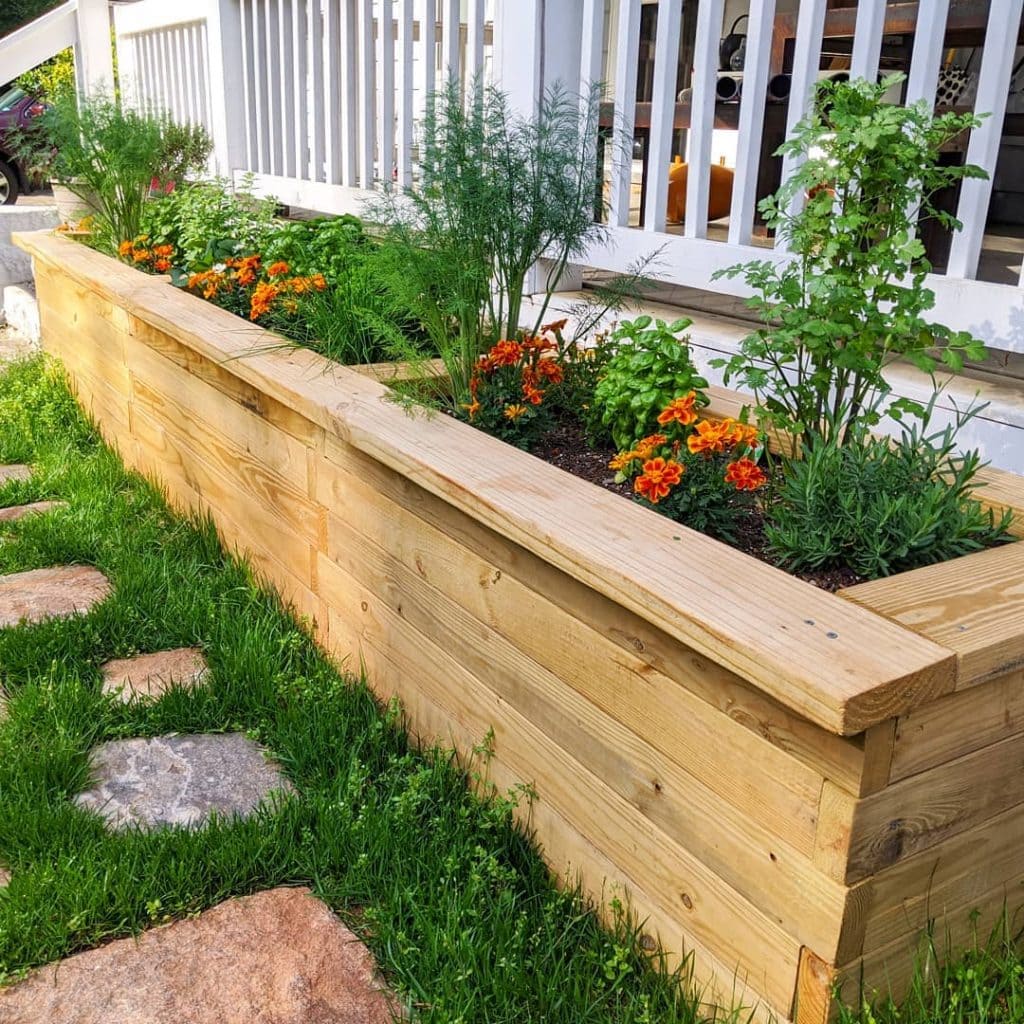
Vertical and hanging planters are innovative solutions that maximize gardening potential, especially in compact spaces. These designs not only enhance aesthetic appeal but also serve practical purposes, allowing for a lush, green environment even in urban settings. Exploring creative designs can transform your gardening experience, making it both accessible and visually striking.
Vertical Planter Ideas for Small Spaces
Creating vertical planters can significantly optimize limited space while providing an attractive display for flowers, herbs, or vegetables. Here are some creative ideas for vertical planters that are perfect for small areas:
- Pallet Planters: Repurpose wooden pallets by attaching them vertically to a wall. Fill each slot with soil and plant a variety of herbs or colorful flowers. This design is not only eco-friendly but also very stylish.
- Hanging Shoe Organizer: Use a fabric shoe organizer hanging on a door or wall. Fill each pocket with soil and small plants like succulents or herbs for a space-efficient garden.
- Wine Crate Vertical Planter: Stack wooden wine crates against a wall, securing them for stability. These crates can be filled with soil and plants, creating a rustic and functional vertical garden.
- Rustic Ladder Planter: Lean an old wooden ladder against a wall and use the rungs to hold small pots or containers. This design adds character and a personal touch to your garden.
Utilizing vertical planters not only saves space but can also create a lively and engaging environment, allowing you to curate a unique display of plants.
Step-by-Step Guide for Constructing a Hanging Planter
Hanging planters are an excellent way to add greenery to your home without taking up valuable floor space. Here’s a straightforward method to create your own hanging planter:
- Materials Needed: Gather a sturdy pot, macrame cord or chain, a hook for ceiling mounting, and potting soil.
- Prepare the Pot: Drill drainage holes in the bottom of the pot if they aren’t already present. This prevents water buildup and promotes healthy plant growth.
- Cut the Cord: Cut four equal lengths of macrame cord, ensuring they are long enough to hang at your desired height.
- Attach the Cord: Tie each piece of cord securely around the pot, making sure they are evenly spaced for balance. Bring the ends of the cords together and tie them in a strong knot.
- Install the Hook: Choose a sturdy ceiling beam or bracket to install the hook. Make sure it can support the weight of the planter.
- Hang the Planter: After securing the hook, hang your planter by attaching the knot to the hook. Adjust the height as needed.
- Add Soil and Plants: Fill the pot with potting soil and add your chosen plants. Water them as needed and enjoy your new hanging garden!
This step-by-step guide offers a simple way to elevate your space with a beautiful hanging planter that showcases your favorite plants.
Advantages of Vertical and Hanging Planters in Urban Gardening
Vertical and hanging planters provide numerous benefits for urban gardening, making them an increasingly popular choice for city dwellers. The main advantages include:
- Space Efficiency: Vertical and hanging planters allow for gardening in spaces where traditional gardening isn’t feasible, maximizing limited outdoor or indoor areas.
- Improved Air Quality: Plants naturally purify the air, and adding greenery to vertical spaces can help improve air quality in urban environments.
- Aesthetic Appeal: Vertical gardens and hanging planters can serve as stunning focal points, adding color and vibrancy to otherwise dull walls or balconies.
- Accessibility: These planters make it easier to tend to plants without bending over or kneeling, which can be beneficial for those with mobility issues.
By incorporating vertical and hanging planters, urban gardeners can overcome space limitations while enjoying the beauty and benefits of gardening.
Seasonal DIY Planter Projects to Try
Creating seasonal DIY planters can elevate your gardening game while bringing a touch of festive spirit to your home or garden. Each season offers unique opportunities to style planters with themes that resonate with the time of year, making them a delightful addition to your decor. From vibrant spring blooms to cozy winter greens, these planter projects can serve as both a gardening endeavor and a creative outlet.
Spring-Themed Planter Ideas
Spring is a season of rebirth and renewal, making it the perfect time to create colorful planters that showcase the beauty of new plant life. A spring-themed planter can incorporate a variety of flowers and plants that thrive during this season, bringing vibrant colors and fragrances.To make a spring-themed planter, consider the following steps:
1. Choose Your Container
Select a container that reflects the joyful spirit of spring. Brightly colored pots or rustic wooden crates can add a cheerful touch.
2. Select Seasonal Plants
Look for plants that are well-suited for spring conditions. Some popular choices include:
Tulips
Available in a range of colors, tulips are iconic spring flowers.
Daffodils
Their bright yellow blooms herald the arrival of spring.
Pansies
With their cheerful faces, they add a nice touch to any planter.
Hyacinths
Known for their fragrance, they can transform your planter into a sensory delight.
3. Plant Arrangement
Arrange your selected plants in a visually appealing way. As a general rule, place taller plants in the back and shorter ones in the front. Consider using a mix of textures and colors for added interest.
4. Soil and Drainage
Use high-quality potting soil that provides good drainage. Ensure that your planter has drainage holes to prevent waterlogging, which can damage delicate roots.
5. Watering and Care
After planting, water your new arrangement thoroughly and continue to monitor moisture levels as the weather warms. A light fertilizer can also encourage healthy growth during the spring.
6. Decorative Touches
Personalize your planter with decorations such as painted stones, garden gnomes, or decorative stakes that celebrate spring themes like Easter or Earth Day. The combination of color and creativity can turn a simple planter into a stunning centerpiece that brightens up any space.
Incorporating Seasonal Plants into DIY Planter Designs
Incorporating seasonal plants into your DIY planters allows for a continuous refresh of your outdoor and indoor spaces. By selecting plants that thrive in each season, you can create an evolving landscape that reflects the changing atmosphere throughout the year. Consider the following options for seasonal adaptations:
Summer Planters
Use heat-tolerant flowers such as petunias and marigolds, combined with lush foliage like sweet potato vines.
Autumn Planters
Transition to rich hues with chrysanthemums, ornamental cabbages, and colorful fall leaves for a cozy autumn feel.
Winter Planters
Embrace evergreen plants like holly and winter pansies, adding twinkling lights for a festive touch during the holiday season.Each season presents a unique opportunity to showcase your creativity through your choice of plants and planter designs. By embracing seasonal themes, you can effortlessly transform your space into a vibrant reflection of nature’s cycles.
Tips for Choosing the Right Plants for Your DIY Planters
Selecting the right plants for your DIY planters is essential for creating a thriving green space. The choice of plants not only enhances the aesthetic appeal but also ensures a healthy growth environment. Understanding the interplay between different factors such as planter size, materials, and the specific needs of plants can significantly impact your gardening success.
Factors to Consider When Selecting Plants
Choosing the right plants involves considering several key factors that align with your unique gardening environment. Here are important aspects to keep in mind:
- Climate: Different plants thrive in specific climates. Select plants that are well-suited for your local weather conditions to promote healthy growth.
- Plant Size: Consider the mature size of the plants in relation to the planter. Overcrowding can stunt growth and lead to poor health.
- Growth Rate: Some plants grow quickly while others are slow growers. Mixing different growth rates can create a dynamic look but can also require different care levels.
- Purpose: Determine whether you want flowering plants, foliage plants, or edible plants. Each serves different aesthetic and functional purposes.
Effects of Planter Sizes and Materials on Plant Growth
The size and material of your planter play a crucial role in determining the health and growth of your plants.
- Planter Size: Larger planters allow for more soil, which retains moisture longer and provides ample space for root growth. In contrast, smaller planters may lead to quicker drying and stunted root systems.
- Material Type: Different materials can affect temperature and moisture retention. For instance, terracotta pots are porous and allow for airflow but may dry out faster, whereas plastic pots retain moisture but might not insulate roots as effectively.
- Drainage: Ensure proper drainage holes are present, regardless of size and material, to prevent root rot and maintain healthy plant growth.
Understanding Sunlight and Water Requirements
Each plant has specific sunlight and water needs that must be met for optimal growth.
- Sunlight Needs: Identify whether the plants require full sun, partial shade, or full shade. Ensure that your planter is placed in an appropriate location to meet these needs.
- Watering Requirements: Different plants have varying water needs. Group plants with similar watering needs together to simplify care. Overwatering is a common mistake that can lead to root rot.
- Seasonal Changes: Be aware that sunlight exposure changes with the seasons. Planters may need to be moved or adjusted throughout the year to ensure the plants receive adequate light.
“Understanding the specific needs of your plants is the key to creating a thriving garden in your DIY planters.”
Enhancing Your Outdoor Space with DIY Planters
Transforming your outdoor space into a serene retreat can be easily achieved with the right DIY planters. These custom creations not only showcase your gardening skills but also add character and charm to your garden or patio. By carefully selecting the design and placement of your planters, you can create a cohesive aesthetic that enhances the overall appeal of your outdoor area.Using DIY planters allows you to customize shapes, sizes, and materials to match your personal style or the existing decor of your outdoor space.
Whether it’s rustic wooden boxes, sleek modern designs, or colorful tiled pots, the key is to ensure consistency in color, texture, and design to tie everything together. Opt for materials that complement your home’s architecture or the natural surroundings, such as terracotta for a Mediterranean feel or galvanized steel for an industrial touch.
Placement Strategies for Visual Impact
The strategic placement of planters can significantly enhance the visual dynamics of your garden or patio. Thoughtful positioning allows you to create layers, draw attention to specific areas, and enhance the overall flow of the space. Consider the following strategies for optimal placement:
- Corner Accents: Placing tall planters in corners can draw the eye upwards and create a sense of depth. Use larger plants like decorative grasses or small trees to maximize the effect.
- Pathway Enhancements: Aligning smaller planters along pathways or steps can lead the viewer’s gaze and create a welcoming feel. Choose colorful blooms that bloom at different times to maintain interest.
- Layered Heights: Use planters of varying heights to add dimension. Taller plants like sunflowers or hollyhocks can be set at the back of beds, while shorter species like marigolds or pansies can fill the front.
- Grouping: Group planters in odd numbers for a natural look. Aim for a mix of sizes and shapes, filling them with complementary plants such as trailing vines cascading from taller planters alongside upright succulents.
Each of these placement strategies not only enhances visual impact but also ensures that your outdoor space remains engaging from every angle.
Combinations of Planters and Plants
The right combination of planters and plants can elevate the aesthetics of your outdoor area while providing an appealing contrast in colors and textures. Here are some effective combinations to consider:
- Wooden Planters with Herbs: Rustic wooden boxes filled with fragrant herbs like basil, mint, and rosemary create a charming kitchen garden vibe, perfect for outdoor cooking areas.
- Ceramic Pots with Succulents: Brightly colored ceramic pots can be filled with various succulents. Their unique shapes and textures make them stand out and thrive with minimal maintenance.
- Metal Planters with Bold Flowers: Galvanized metal planters filled with vibrant flowers such as petunias or geraniums produce a striking contrast against the metallic surface.
- Hanging Baskets with Trailing Plants: Use hanging planters to feature trailing plants like ivy or fuchsia, creating visual interest from above and softening edges of patios and balconies.
- Concrete Planters with Ornamental Grasses: Sleek concrete planters can house ornamental grasses, adding height and movement that pairs well with minimalist outdoor designs.
These combinations not only beautify your space but also foster a diverse ecosystem, inviting pollinators like bees and butterflies to thrive, which can further enhance the liveliness of your outdoor area.
Incorporating DIY Planters into Home Decor
Indoor planters can significantly enhance your home decor, providing both aesthetic appeal and a sense of tranquility. By introducing greenery into your living spaces, you create a vibrant atmosphere that can transform an ordinary room into a serene oasis. DIY planters offer a unique touch, allowing you to express your creativity while adding a personal flair to your home.When integrating indoor planters into your existing decor, it’s essential to consider the overall theme and color palette of your space.
DIY planters can be styled to complement various furniture and decor styles, making it easier to create a cohesive look throughout your home.
Design Tips for Integrating Planters
To seamlessly blend planters with your home decor, consider the following design tips:
- Choose Complementary Colors: Ensure that the color of your planters matches or complements your existing furniture. Neutral tones can provide a calming effect, while vibrant colors can add a pop of excitement.
- Mix Materials: Combine different materials such as wood, metal, and ceramic to add texture and dimension to your space. For example, a rustic wooden planter can contrast beautifully with sleek metal furniture.
- Utilize Vertical Space: Hanging planters or vertical garden structures can maximize space, especially in smaller rooms. This approach draws the eye upward, making the room feel larger and more open.
- Create Focal Points: Use larger DIY planters as statement pieces in key areas, such as near entryways or living rooms. This can establish a focal point that captures attention and enhances the room’s ambiance.
- Group Plants Strategically: Arranging multiple planters together can create a lush, inviting corner. Vary the heights and sizes of the plants to create visual interest while ensuring they complement each other.
The psychological benefits of having plants indoors are well-documented, contributing to improved mood, reduced stress, and increased productivity. Studies have shown that being close to nature, even in the form of houseplants, can enhance mental well-being. DIY planters not only serve as a medium to showcase your plants but also allow you to engage in a therapeutic crafting process that promotes mindfulness and relaxation.
“Surrounding yourself with greenery can lead to a more peaceful state of mind and a fresh perspective on life.”
Incorporating DIY planters into your home decor is not only about enhancing aesthetics but also about creating a nurturing environment that uplifts the spirit. The careful selection and thoughtful placement of these planters can lead to a harmonious living space that reflects your personal style while promoting a positive atmosphere.
Final Review
In conclusion, DIY planter ideas not only allow you to express your creativity but also foster a deeper connection with nature. By utilizing innovative materials and designs, you can transform your gardening experience while enhancing your living space. So grab your tools, gather your materials, and let your imagination flourish as you create beautiful, functional planters that reflect your style.
Clarifying Questions
What are some easy materials to use for DIY planters?
Common materials include wood, metal, plastic containers, and even repurposed items like old shoes or cans.
Can I grow vegetables in DIY planters?
Absolutely! Just ensure the planters are deep enough and suitable for the vegetables you choose.
How do I ensure proper drainage in my DIY planters?
Drill holes in the bottom of your planter, or use materials with natural drainage properties, like rocks or gravel at the base.
What are some tips for decorating my DIY planters?
You can paint them, add stencils, or use twine and burlap for a rustic look, depending on your style.
How can I maintain my DIY planters?
Regularly check for any signs of wear, water the plants as needed, and clean the planters to prevent mold.