
 Tamara Smith
DIY vertical garden offers a fantastic opportunity to bring nature into your home, enhancing both aesthetic appeal and environmental consciousness. By maximizing space, especially in urban areas where gardens are often limited, vertical gardening not only beautifies surroundings but also supports biodiversity and improves air quality. Dive into the world of vertical gardens, where creativity meets sustainability!
In this guide, we will explore the numerous benefits of creating a DIY vertical garden, from the essential materials needed to construct one, to the maintenance tips for keeping your plants thriving. We’ll also touch on design variations and cost considerations, ensuring you have all the information you need to cultivate your own green oasis.
The Benefits of Creating a DIY Vertical Garden
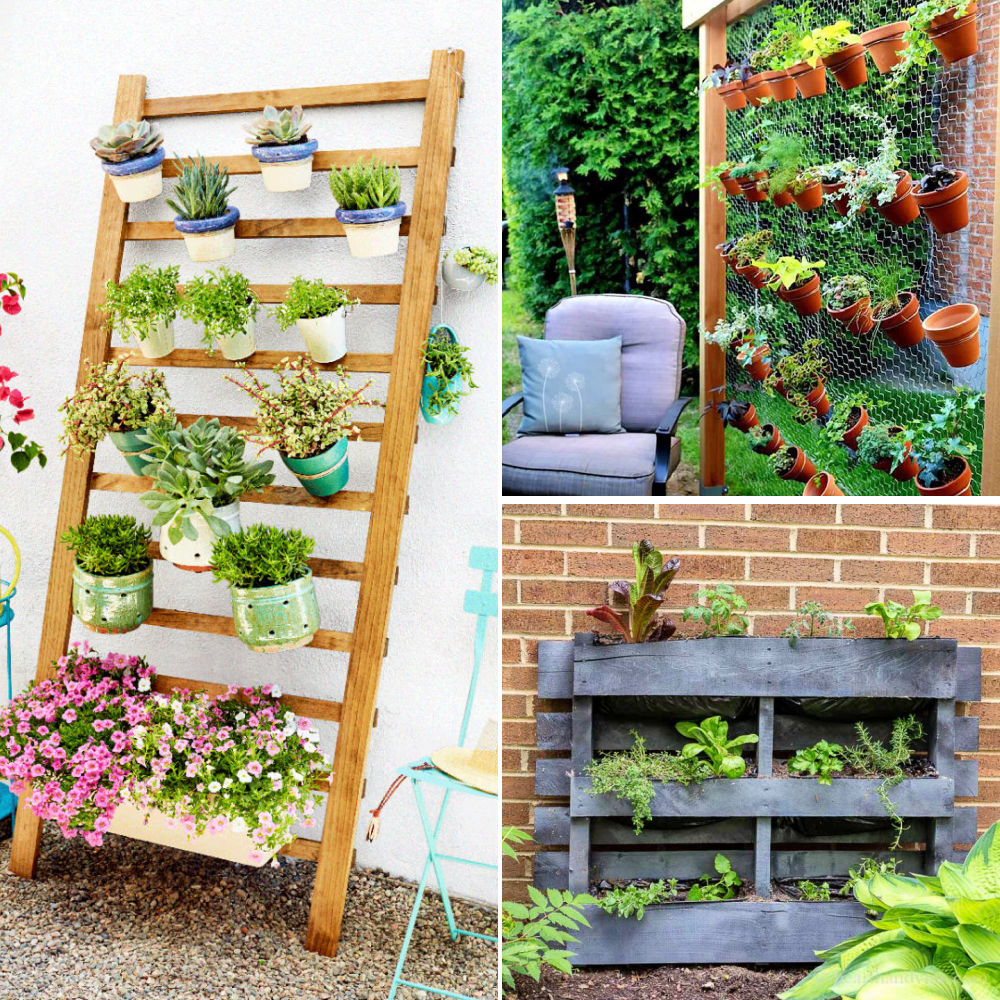
Creating a DIY vertical garden offers a multitude of benefits that extend beyond mere aesthetics. By transforming vertical spaces into lush greenery, you not only enhance the beauty of your environment but also contribute positively to the ecosystem. Vertical gardening is an innovative way to grow plants in limited spaces, especially in urban settings where square footage is at a premium.
Environmental Advantages of Vertical Gardening
Vertical gardens provide significant environmental benefits that help combat urban challenges. They improve air quality by filtering pollutants and producing oxygen. Additionally, they play a crucial role in regulating temperature and reducing the heat island effect commonly found in cities.
-
Vertical gardens can absorb up to 90% of rainfall, reducing runoff and promoting natural water management.
- They provide habitats for various species, encouraging biodiversity even in densely populated areas.
- Plants in vertical gardens actively sequester carbon dioxide, contributing to the fight against climate change.
Space-Saving Solutions for Urban Areas
In urban environments where space is limited, vertical gardens offer an efficient solution to maximize available areas. They allow homeowners and city dwellers to cultivate plants without requiring expansive land. This is particularly beneficial for those living in apartments or smaller homes.
-
Vertical gardening can increase the growing area by up to 10 times compared to traditional gardening methods.
- They can be installed on walls, balconies, or even fences, making use of otherwise unused space.
- Utilizing vertical gardens can promote urban agriculture, enabling residents to grow fresh produce in a sustainable manner.
Aesthetic Appeal of Vertical Gardens
The aesthetic appeal of vertical gardens cannot be overstated. They serve as stunning visual focal points, enhancing the design of any space.
-
Vertical gardens introduce vibrant colors and textures, creating an engaging environment that can improve mental well-being.
- They can be tailored to match any design theme, from contemporary to rustic, making them versatile for different tastes.
- Incorporating vertical gardens into public spaces can elevate community pride and increase foot traffic, benefiting local businesses.
Essential Materials Needed for a Vertical Garden
Setting up a vertical garden is a rewarding venture that requires some essential materials to ensure success. Creating a green wall or vertical space in your home or garden can enhance your environment while providing a productive outlet for your gardening passion. Here, we’ll discuss the necessary tools, suitable plants, and the significance of selecting the right containers.
Tools Required for Setting Up a Vertical Garden
To begin your vertical gardening journey, you need a few basic tools that will help streamline the process. Having the right tools at hand is crucial for both the installation and maintenance of your vertical garden.
- Drill and Drill Bits: Essential for creating holes for mounting structures and containers.
- Level: Ensures that your vertical garden is straight and properly aligned.
- Measuring Tape: Helps in accurately measuring the space available for your vertical garden.
- Gardening Gloves: Protects your hands while working with soil and plants.
- Watering Can or Hose: Necessary for watering your plants, especially if they are placed in hard-to-reach areas.
- Fertilizer Spreader: Useful for evenly distributing fertilizers or nutrients.
Suitable Plants for Vertical Gardening
Choosing the right plants is vital for the success and aesthetics of your vertical garden. Some plants thrive better in vertical arrangements than others due to their growth habits and light needs.
- Herbs: Plants like basil, mint, and thyme are perfect for vertical gardens due to their compact growth and culinary uses.
- Succulents: Varieties such as Echeveria and Sedum are drought-resistant and ideal for vertical setups.
- Foliage Plants: Consider using trailing plants like pothos or string of pearls for added visual interest.
- Flowering Plants: Choose varieties like violets or nasturtiums to add color and vibrancy.
- Vegetables: Compact varieties of peppers and strawberries can also thrive in vertical gardens.
Importance of Selecting the Right Containers
The choice of containers plays a significant role in the success of a vertical garden. They not only hold the plants but also affect drainage, support, and overall aesthetics.
- Material: Containers made from breathable materials, such as fabric or wood, can promote healthy root growth and prevent overwatering.
- Size: Ensure that containers are appropriately sized for the plants you intend to grow; smaller plants require smaller pots.
- Drainage: Choose containers with adequate drainage holes to avoid water logging, which can lead to root rot.
- Mobility: Opt for lightweight containers that can be easily moved for sunlight adjustments or maintenance.
“The right combination of tools, plants, and containers will set the stage for a flourishing vertical garden.”
Step-by-Step Guide to Building a Vertical Garden
Creating a vertical garden can transform any space into a lush and vibrant green area, adding beauty and improving air quality. This guide will provide a detailed plan to help you design, assemble, and install your vertical garden, ensuring a smooth and enjoyable process.
Planning and Designing a Vertical Garden Layout
Before diving into construction, it’s essential to plan and design your vertical garden layout. This phase involves selecting the right plants, determining the structure’s location, and sketching a design that maximizes both space and aesthetic appeal.
1. Choose the Location
Identify a sunny spot where your vertical garden will receive adequate sunlight for the plants you select. Consider accessibility for maintenance and watering.
2. Select Plants
Opt for plants that thrive vertically, such as herbs, succulents, or flowering vines. Make sure to choose plants with similar light and water needs for optimal growth.
Examples include
Herbs like basil and mint for culinary use.
Flowering plants like petunias for aesthetic appeal.
Ferns and ivy for a lush green look.
3. Sketch the Design
Create a blueprint or sketch of your vertical garden. Consider dimensions, plant types, and how they will be arranged.
Keep in mind the spacing between plants to allow for growth.
Assembling the Chosen Materials for the Structure
With a plan in place, it’s time to gather and assemble your materials. The structure’s design will depend on the style of vertical garden you’ve chosen, whether it’s a frame, pocket system, or wall-mounted planter.
Materials Needed
Frame
Wood, PVC pipes, or metal grids.
Container
Pockets made of felt, pots, or repurposed materials like pallets.
Soil
High-quality potting mix that retains moisture but also drains well.
Garden Tools
Basic tools like a trowel, scissors, and watering can.
Assembly Steps
1. Build the Frame
Cut your frame material to the desired size and secure it using screws or brackets. Ensure it’s sturdy enough to hold the weight of plants and soil.
2. Install the Planters
Attach your chosen containers or pockets to the frame, leaving space for each plant to grow. Ensure they are secure to prevent any falling.
3. Fill with Soil
Fill each container with potting mix, leaving a little space at the top for planting.
Timeline for the Installation Process
Organizing a timeline for your vertical garden installation can streamline the process and prevent any missed steps. Here’s a suggested timeline:
Week 1
Planning and Design
Day 1-3
Research plants and select the right species.
Day 4-7
Sketch the layout and plan materials.
Week 2
Material Gathering and Assembly
Day 1-2
Purchase or gather materials.
Day 3-5
Assemble the frame and attach planters.
Day 6-7
Fill containers with soil and prepare for planting.
Week 3
Planting and Maintenance Setup
Day 1
Plant your chosen species in the containers.
Day 2-3
Set up a watering schedule and plan for maintenance.
Ongoing
Care and Enjoyment
Regularly check the moisture levels, prune as necessary, and enjoy the beauty of your vertical garden.
“A well-planned garden not only beautifies your space but can also provide fresh herbs and vegetables right at your doorstep.”
Maintenance Tips for a Thriving Vertical Garden
Maintaining a vertical garden involves specific techniques that ensure your plants not only survive but thrive in their unique environment. By focusing on effective watering, managing pests, and applying seasonal care, you can create a vibrant green space that enhances your living area.
Effective Watering Techniques for Vertical Gardens
Watering is crucial in vertical gardening as plants are often positioned in a way that can make moisture retention challenging. Implementing the right techniques will ensure your plants receive adequate hydration without overwatering. Consider these effective methods:
- Drip Irrigation Systems: These systems deliver water directly to the roots, minimizing water waste and allowing for consistent moisture levels.
- Wicking Systems: Utilizing wicking materials that draw water upwards can help keep soil consistently moist, especially beneficial for hanging planters.
- Self-Watering Planters: These pots have reservoirs that supply water as the plants need it, reducing the frequency of manual watering.
- Soil Moisture Sensors: Installing sensors can help monitor moisture levels and alert you when your plants need watering, ensuring optimal hydration.
Pest Management Strategies for Maintaining Plant Health
Pests can be a significant issue in vertical gardens due to their concentrated nature. Adopting proactive strategies ensures that your plants remain healthy. Effective pest management can include:
- Regular Inspections: Frequently check your plants for signs of pests or disease, allowing for early intervention.
- Natural Predators: Introducing beneficial insects like ladybugs and lacewings can help control pest populations without harmful chemicals.
- Neem Oil Spray: This natural pesticide is effective against various pests and is safe for plants and the environment.
- Companion Planting: Certain plants can deter pests when grown together, such as marigolds, which repel nematodes and other insects.
Seasonal Care Guidelines for Different Types of Plants Used
Seasonal changes can greatly affect the needs of your vertical garden. Understanding these variations will help you provide the right care for your plants throughout the year. Here are guidelines based on common plant categories:
- Herbs: In spring and summer, herbs like basil and mint thrive in warm temperatures; however, in winter, they may need protection from frost.
- Flowers: Annual flowers may require deadheading and fertilizing during the growing season, while perennials should be cut back in fall to promote new growth.
- Vegetables: Cool-season crops like lettuce should be planted in early spring or fall, while warm-season crops like tomatoes do best in the summer months.
- Succulents: These plants need less water during winter; ensure they are not overwatered to prevent root rot.
Maintaining a vertical garden is about understanding the specific needs of your plants, ensuring they have the right amount of water and protection from pests, while adjusting care based on seasonal changes.
Exploring Different Vertical Garden Designs
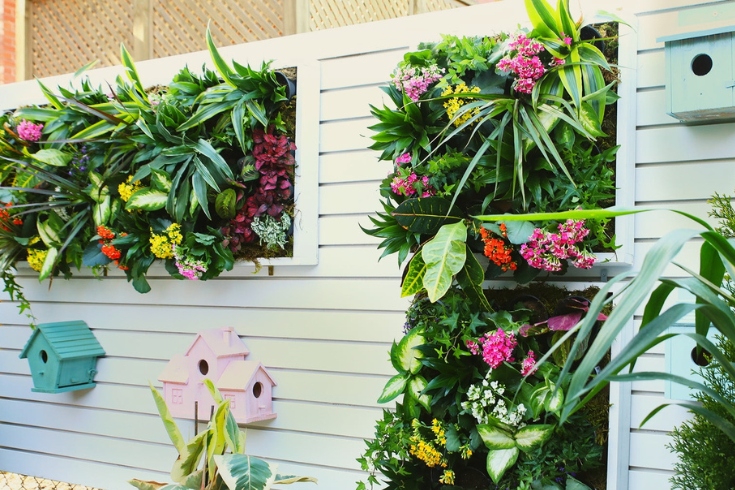
Vertical gardens have become a popular choice for urban dwellers and gardening enthusiasts alike, offering a unique way to incorporate greenery into limited spaces. This exploration focuses on various vertical garden structures, comparing classic and modern designs, introducing unique concepts like living walls and pocket gardens, and discussing the customization of these gardens to reflect personal styles.
Comparison of Classic and Modern Vertical Garden Structures
When considering vertical garden designs, it’s essential to distinguish between classic and modern structures. Classic vertical gardens often feature framed designs with a grid-like structure that supports various climbing plants. These traditional systems rely on wood or metal frames, allowing vines to grow upward naturally. In contrast, modern vertical gardens utilize innovative materials and techniques, such as modular planting systems, which can be easily rearranged to create unique patterns and designs.
Modern designs may also incorporate hydroponic technologies, allowing plants to thrive without soil and reduce water usage. Furthermore, the aesthetic appeal of modern vertical gardens can be heightened by using a wider variety of plants, including succulents, herbs, and decorative foliage.
Unique Concepts in Vertical Gardening
Vertical gardens encompass several unique concepts that elevate the gardening experience beyond traditional methods. One of these concepts is the living wall, which is a wall partially or completely covered with vegetation. Living walls not only enhance the visual appeal of a space but also improve air quality by filtering pollutants. Pocket gardens are another innovative approach, featuring small pockets or containers on a vertical surface to hold individual plants.
These gardens are particularly suitable for small spaces, allowing for easy access and flexibility in plant selection. They can be created using repurposed materials, making them an eco-friendly option.
Customization of Vertical Gardens to Suit Personal Styles
Customizing vertical gardens to reflect personal style is an exciting way to make a space truly unique. Start by selecting a color scheme that complements the surrounding environment; consider the hues of your home or outdoor area. Additionally, choosing a mix of plant types can create a visually dynamic garden, combining textures and shapes to enhance overall appeal.Using decorative planters and containers can further personalize your vertical garden.
Materials such as reclaimed wood, ceramic, or even metal can be incorporated to match your aesthetic preference. Furthermore, incorporating personal touches like decorative stones or artistic elements can completely transform the garden into a reflection of your personality.
“A vertical garden is not just about plants; it’s about creating a living piece of art.”
Cost Considerations for a DIY Vertical Garden
Creating a DIY vertical garden can be a rewarding endeavor that brings greenery into small spaces. However, budget considerations are essential to ensure that the project remains financially viable without compromising quality. By analyzing materials, plants, and maintenance costs, you can enjoy the beauty of gardening while staying within budget.A variety of budget-friendly options exist for sourcing materials and plants.
For the framework of your vertical garden, consider using recycled pallets or repurposed materials like old gutters and wooden crates. These options not only reduce costs but also promote sustainability. Additionally, local gardening centers or online marketplaces often have affordable plants, especially if you opt for native species or cuttings from friends.
Budget-Friendly Materials and Plant Options
When planning your vertical garden, understanding where to cut costs without sacrificing aesthetics is vital. Here are some economical choices for materials and plants:
- Recycled Materials: Utilize old wooden pallets, wooden crates, or even scavenge from construction sites for leftover wood.
- Container Options: Instead of purchasing expensive planters, consider using repurposed items such as tin cans, plastic bottles, or old shoes.
- Soil and Fertilizer: Purchase bulk soil and organic fertilizers from local suppliers. This can save money compared to buying pre-packaged options.
- Plants: Select hardy, low-maintenance plants like succulents, herbs, or native species that are typically less expensive and easier to care for.
Another consideration is the ongoing costs associated with maintaining a vertical garden. Maintenance expenses can add up, but with strategic planning, they can be minimized.
Maintenance and Upkeep Costs
Regular maintenance is essential for the health and appearance of your vertical garden. Understanding the potential costs involved can help in budgeting effectively.
- Watering: Depending on the size and plant selection, invest in a drip irrigation system that conserves water and reduces utility costs.
- Fertilization: Utilize homemade compost or organic fertilizers to reduce costs while ensuring your plants receive necessary nutrients.
- Replacement Plants: Plan for seasonal changes or plant replacements; some plants may need to be replaced annually, while others may thrive for several years.
Maximizing the value of your investment while minimizing expenses is crucial for sustaining your vertical garden’s appeal and functionality.
Maximizing Value While Minimizing Expenses
To achieve a thriving vertical garden without overspending, consider the following strategies:
- DIY Skills: Using your skills to build the structure and maintain the garden can greatly reduce labor costs.
- Plant Propagation: Learn to propagate plants from cuttings or seeds to create new plants at a fraction of the cost.
- Community Resources: Join local gardening groups or online forums to share resources, trades, and information about budget-friendly supplies.
“A well-planned vertical garden can produce a stunning aesthetic while fitting perfectly into a budget, demonstrating that creativity often triumphs over expense.”
Troubleshooting Common Issues in Vertical Gardening
Vertical gardening can be a rewarding way to grow plants in limited spaces, but it also comes with its own set of challenges. Identifying and addressing issues promptly is crucial for maintaining healthy plants and ensuring a thriving garden. This segment delves into the common problems you may encounter in your vertical garden, from plant stress signs to pest management, helping you to take the right steps for your green companions.
Signs of Plant Stress and Solutions
Recognizing when your plants are stressed is essential for their recovery and longevity. Common signs include yellowing leaves, stunted growth, wilting, or leaf drop. Each symptom often indicates a different underlying issue that can be addressed effectively.
- Yellowing Leaves: This may signal nutrient deficiency or overwatering. Adjust your watering schedule and consider fertilizing with a balanced nutrient solution.
- Stunted Growth: Insufficient light or overcrowding could be the cause. Evaluate the light exposure and rearrange plants if necessary to provide more space and light.
- Wilting: Typically indicates underwatering but can also mean overwatering. Check the soil moisture levels regularly to find a balance.
- Leaf Drop: This could be due to extreme temperature changes or pest problems. Ensure your plants are in a stable environment and inspect for pests.
Adjusting Light Exposure for Different Types of Plants
Different plants have varying light requirements, which can affect their health and growth. Understanding how to adjust light exposure can enhance the success of your vertical garden. Plants such as succulents and cacti thrive in direct sunlight, while leafy greens prefer partial shade. Here are some tips on managing light exposure:
- Rotate Plants: Regularly rotate your vertical garden to ensure that all plants receive even light exposure.
- Use Grow Lights: For areas lacking natural light, consider adding LED grow lights tailored to the specific light needs of your plants.
- Shade Materials: Employ sheer curtains or shade cloths for plants that require indirect light to avoid sunburn.
Common Pests and Diseases in Vertical Gardens
Pests and diseases can quickly become major issues in any garden, including vertical setups. Early detection and prevention are key to maintaining plant health. Some of the most common pests you might encounter include:
- Aphids: Small, sap-sucking insects that can cause damage by stunting plant growth. Introducing beneficial insects like ladybugs can help control their population.
- Spider Mites: These tiny pests thrive in dry conditions. Increasing humidity and regularly misting your plants can deter them.
- Whiteflies: These pests cause leaf yellowing and can be managed by using insecticidal soap or sticky traps.
Diseases often seen in vertical gardens include:
- Powdery Mildew: A fungal disease characterized by white spots on leaves. Ensuring good air circulation and using fungicides can help manage this issue.
- Root Rot: This occurs due to overwatering and poor drainage. To prevent it, ensure your containers have adequate drainage and monitor watering practices.
By staying vigilant and proactive, you can effectively troubleshoot and resolve common issues in your vertical garden, ensuring a lush and healthy growing environment.
The Role of Vertical Gardens in Urban Sustainability
Vertical gardens are becoming an essential element in the quest for urban sustainability. These green installations not only beautify cityscapes but also play a crucial role in enhancing urban ecosystems. By integrating nature into urban environments, vertical gardens promote biodiversity, improve air quality, and help mitigate the effects of urban heat islands. Vertical gardens contribute significantly to urban biodiversity by providing habitats for various species.
They create micro-environments that can support plants, insects, and birds, which are often scarce in densely populated areas. This added diversity is essential for maintaining ecological balance within cities. By planting native species and a variety of vegetation, vertical gardens can attract pollinators and enhance local wildlife populations.
Impact on Air Quality and Urban Heat Reduction
Vertical gardens directly impact air quality by filtering pollutants and absorbing carbon dioxide. The vegetation helps to remove particulate matter, improving the air we breathe. Furthermore, they play a crucial role in regulating temperature in urban areas. Plants release moisture through transpiration, which cools the air, thus reducing the urban heat island effect. The benefits of vertical gardens can be summarized with the following points:
-
Vertical gardens can reduce ambient temperatures by up to 5 degrees Celsius, contributing to lower energy consumption for cooling in buildings.
- They absorb carbon dioxide and release oxygen, significantly enhancing urban air quality.
- Through photosynthesis, plants in vertical gardens help in reducing the presence of harmful pollutants such as nitrogen dioxide and particulate matter.
- Vertical gardens can also reduce noise pollution due to their sound-absorbing properties, creating a more pleasant urban environment.
Examples of Successful Vertical Gardens Worldwide
Several cities around the globe have embraced vertical gardens, showcasing their benefits and features. Notable examples include:
- Singapore: The “Garden in a City” initiative has led to numerous vertical gardens, such as the famous Oasia Hotel, which features a stunning green façade that promotes biodiversity and enhances urban aesthetics.
- Paris, France: The “Green Wall” at the Musée du Quai Branly illustrates how vertical gardens can integrate with cultural landmarks, adding green space while supporting wildlife.
- Living Wall at the Caltech campus: This vertical garden in Pasadena, California, not only beautifies the campus but also serves as a living laboratory for students studying urban ecology and sustainability.
- Bosco Verticale in Milan, Italy: This residential project features two towers covered in over 9,000 trees, creating a significant impact on air quality and providing a habitat for various bird species.
The implementation of vertical gardens in these cities showcases their potential to transform urban environments into greener, more sustainable spaces. As cities continue to grow and face environmental challenges, vertical gardens will play an increasingly essential role in enhancing urban resilience and biodiversity.
Closing Summary
In conclusion, a DIY vertical garden is more than just a project; it’s a lifestyle choice that brings the beauty of nature into your daily life while promoting sustainability. With the right resources and knowledge, creating your own vertical garden can be a rewarding experience that transforms your space and contributes positively to the environment. So why not start today and embrace the green revolution in your own backyard?
FAQ Resource
What plants are best for a vertical garden?
Some great options include herbs like basil and mint, flowers like petunias and nasturtiums, and foliage plants like ferns and ivy.
How much sunlight do vertical gardens need?
Most vertical gardens thrive in partial sunlight; however, some plants may require full sun, so it’s essential to consider the specific needs of your chosen plants.
Can I create a vertical garden indoors?
Absolutely! Many indoor plants do well in vertical gardens, but make sure to provide adequate light and humidity for optimal growth.
How often should I water my vertical garden?
Watering frequency depends on the plants and climate, but generally, check the moisture level in the soil and water when it feels dry to the touch.
Do vertical gardens attract pests?
Yes, vertical gardens can attract pests, but regular maintenance and monitoring can help prevent infestations. Consider using organic pest control methods as needed.