
 Tamara Smith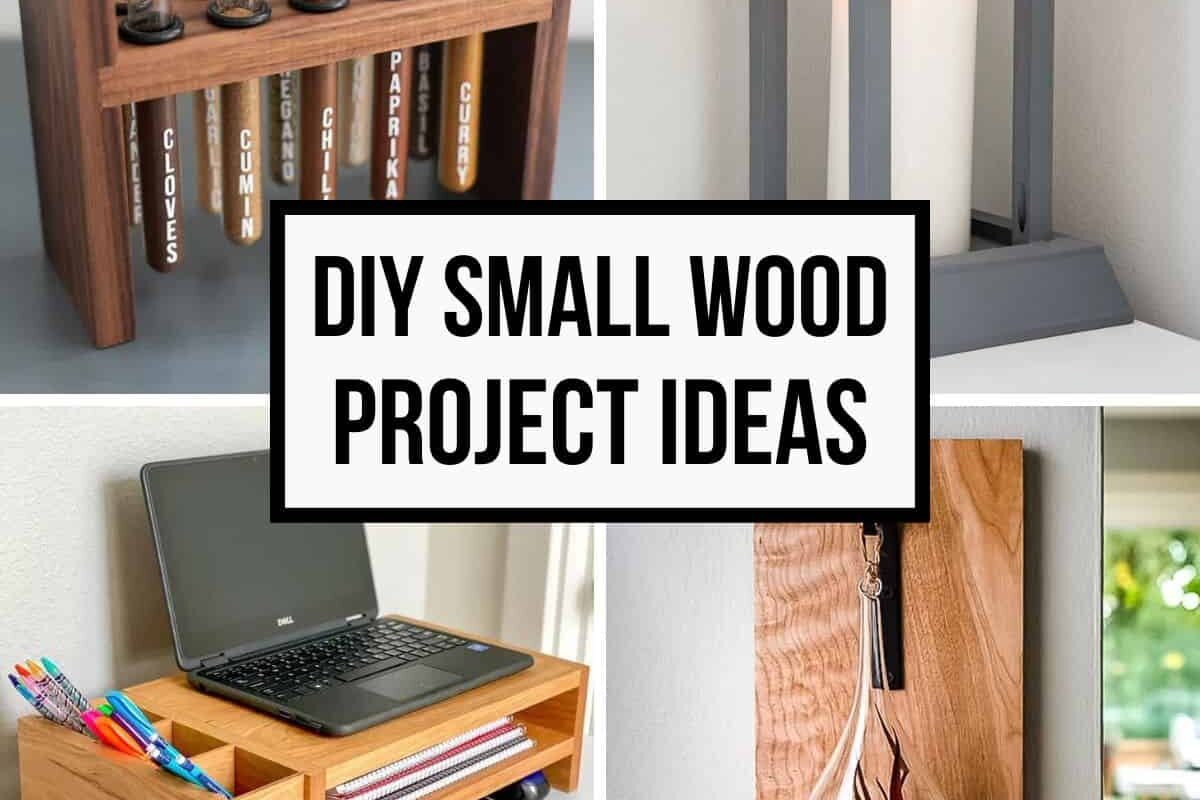
DIY creative crafts provide a wonderful avenue for self-expression and personal growth, allowing individuals to channel their unique ideas into tangible creations. Engaging in these crafts not only enhances one’s creativity but also serves as a therapeutic outlet, offering a sense of accomplishment and satisfaction. From painting and sculpting to upcycling and sewing, the world of DIY crafts is as diverse as the personalities of those who partake in it.
As we delve deeper into the realm of DIY creative crafts, we will explore how these activities can positively impact our mental well-being, the exciting materials we can use, and the vibrant communities that inspire and support us. Whether you are a seasoned crafter or just starting out, there’s always something new to discover in this fulfilling hobby.
DIY creative crafts as a means of self-expression and personal growth
Engaging in DIY creative crafts offers a unique avenue for personal expression and growth. These activities not only allow individuals to showcase their creativity but also serve as a powerful tool for self-discovery. Crafting provides a hands-on experience that encourages experimentation and fosters a deeper understanding of one’s preferences and perspectives.Engaging in creative crafts can significantly enhance personal development by promoting skills such as problem-solving, patience, and perseverance.
When individuals immerse themselves in crafting projects, they encounter challenges that necessitate innovative solutions. This process nurtures critical thinking and boosts confidence as crafters witness their progress and accomplishments. Moreover, creating something from scratch can instill a profound sense of achievement and fulfillment, contributing to a positive self-image.
Psychological benefits of crafting
The psychological benefits of crafting are well-documented, making it a valuable practice for mental health. Crafting can serve as an effective form of stress relief, allowing individuals to focus their minds on a tangible task, which can distract from daily anxieties. Engaging in creative activities can lead to a decrease in cortisol levels, the hormone associated with stress. Furthermore, the repetitive motions involved in crafting can induce a meditative state, promoting relaxation and a more positive mood.Examples of popular DIY crafts that can reflect individual personality traits include:
- Knitting and crocheting: These crafts often attract those who appreciate detail and enjoy a rhythmic, repetitive task, reflecting a personality that values patience and meticulousness.
- Painting: Individuals who engage in painting may be more expressive and imaginative, as this medium allows for personal interpretation and emotional exploration.
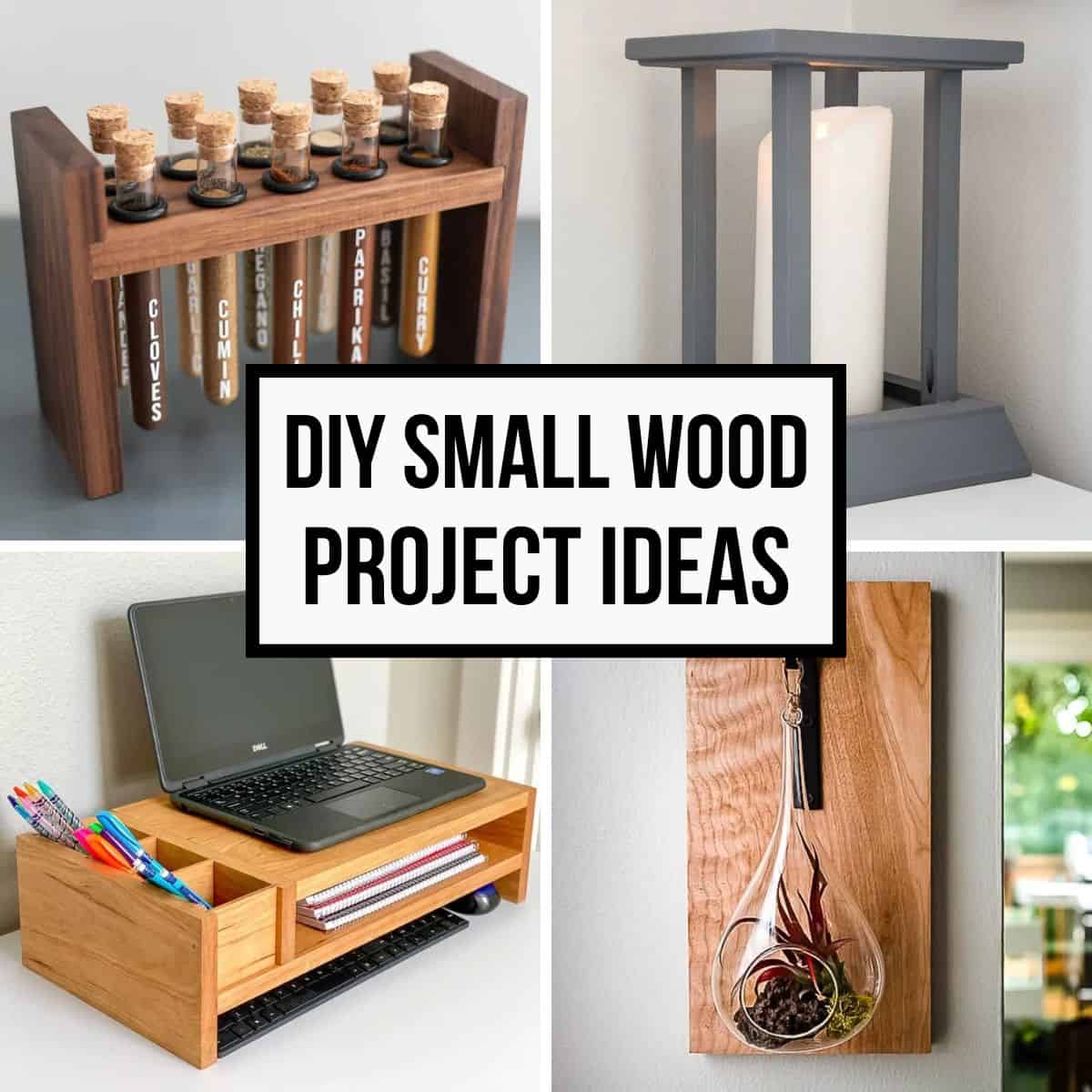
- Woodworking: Crafting with wood attracts those who are practical and enjoy creating functional items, often reflecting a hands-on and solution-oriented mindset.
- Jewelry making: This craft is popular among those who enjoy intricate designs and personal adornment, indicating a personality that values aesthetics and uniqueness.
Engaging in these crafts not only allows for self-expression but also fosters connections with others who share similar interests. Crafting communities often emerge, creating a support system that empowers individuals to explore their creativity further. Through this shared experience, individuals can learn from one another, gain new skills, and build lasting friendships, all of which contribute to personal growth and a sense of belonging.
Exploring unique materials for DIY creative crafts
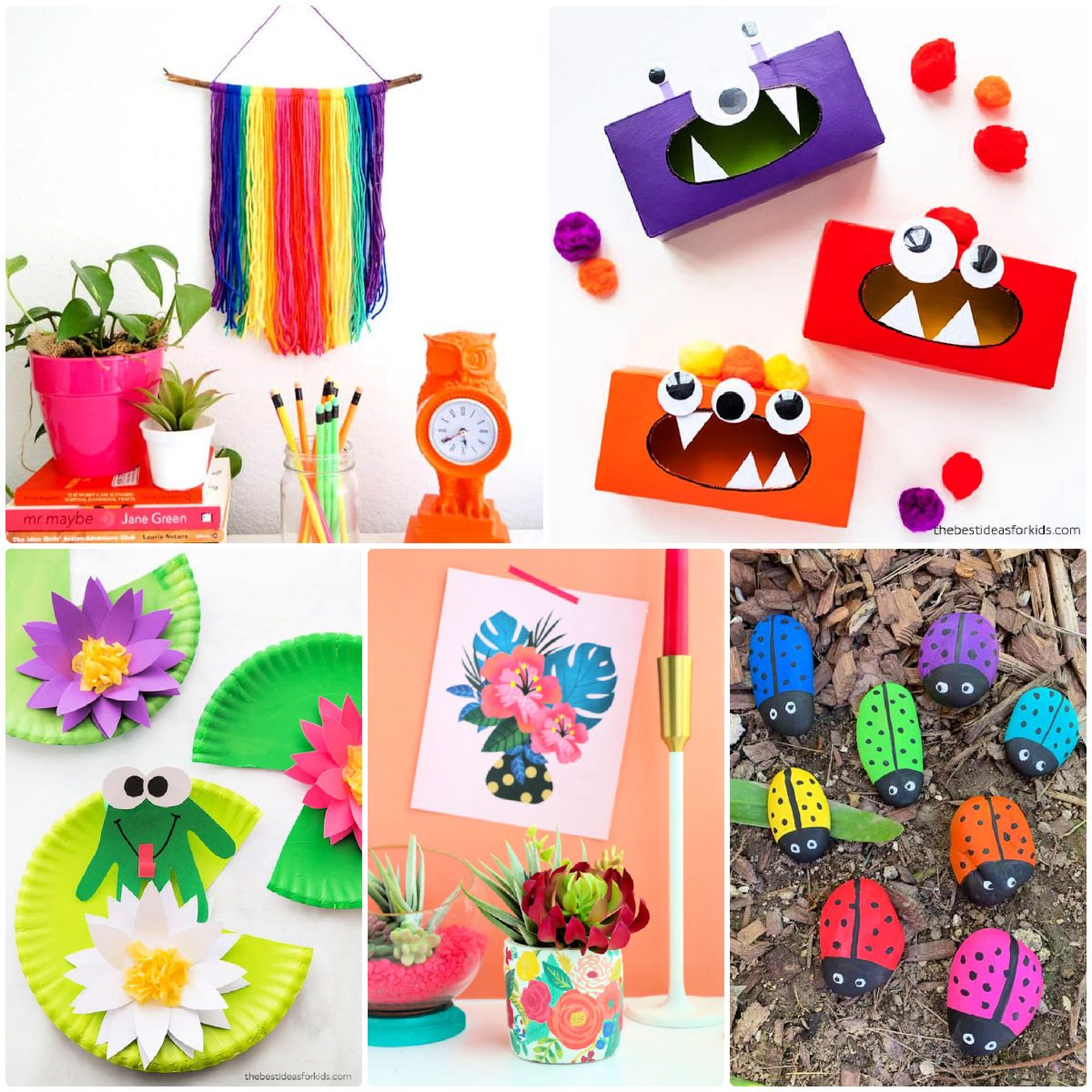
Crafting is a wonderful way to express creativity while also being resourceful. One of the most exciting aspects of DIY crafting is the ability to use unconventional materials that can enhance the uniqueness of your projects. Instead of traditional craft supplies, think outside the box and explore items that might normally be discarded or overlooked. Utilizing unique materials not only sparks innovation but also encourages sustainability by reducing waste.In the world of crafting, there’s a plethora of materials that might not traditionally be considered.
These unconventional items can offer unique textures, colors, and forms that elevate your creative projects. Materials such as old books, fabric scraps, bottle caps, and even nature items like leaves or twigs can be transformed into stunning works of art. The benefits of using these materials are manifold: they often provide a lower cost alternative, promote recycling, and allow for personal storytelling in your crafts.
For example, crafting with pages from an old book can add a narrative element to your project, while bottle caps can create fun, colorful mosaics.
Innovative ideas for recycling everyday items into new craft projects
Recycling everyday items into new craft projects not only fosters creativity but also contributes to an eco-friendly lifestyle. Here are some innovative ideas to inspire your next DIY endeavor:
- Egg Carton Flowers: Transform the humble egg carton into beautiful, colorful flowers. Cut out individual cups, paint them, and attach to a stick or wire to create a whimsical bouquet.
- Toilet Paper Roll Art: These rolls can be cut, painted, and assembled to make stunning wall art, wreaths, or even miniature sculptures.
- Glass Jar Lanterns: Old glass jars can be decorated with paint, twine, or tissue paper to create beautiful lanterns for your home or garden.
- Buttons and Fabric Scraps: Combine buttons and leftover fabric to create unique brooches or hair accessories that are both stylish and one-of-a-kind.
- CD Mosaics: Broken CDs can be repurposed into shimmering mosaics for picture frames, coasters, or garden decorations, reflecting light beautifully.
Using various materials can significantly affect the final outcome of a craft project. The choice of materials influences not only the aesthetic appeal but also the functionality and durability of the crafted item. For instance, using recycled paper can lend a rustic and eco-friendly feel to your project, while shiny plastic materials may offer a modern, vibrant look. Additionally, the texture and weight of materials can alter how they interact with light and shadow, which can enhance visual interest.
By experimenting with combinations of materials, you can discover unexpected contrasts and harmonies, ultimately leading to more innovative and engaging craft projects.
“The essence of creativity is finding beauty in the unexpected.”
Step-by-step guide to creating a unique DIY macramé plant hanger
Creating your own macramé plant hanger is not only a fun craft project but also a fantastic way to showcase your green friends in style. This project is perfect for beginners who want to learn basic knotting techniques while adding a touch of bohemian flair to their home decor. Gathering your materials and following these steps will help you create a stunning accessory for your plants.To get started, here’s what you’ll need:
- 3 strands of macramé cord, each 3-5 meters long
- 1 wooden ring (about 3 inches in diameter)
- 1 small plant pot
- Scissors
- Measuring tape
Before you begin, ensure you have a clean work surface and wear safety glasses if you’re working with scissors. Using the right knots is essential for the stability and aesthetic of the plant hanger.
Steps to Create Your Macramé Plant Hanger
Follow these easy steps to complete your DIY project:
1. Prepare the Cord
Cut three lengths of macramé cord, each about 3-5 meters long. A longer cord allows for more intricate designs.
2. Attach the Cords
Fold each cord in half and loop them through the wooden ring, creating a lark’s head knot. This will secure the cords to the ring.
3. Knotting Technique
Use square knots to create the body of the hanger. To make a square knot:
Take the left cord and cross it over the middle cords.
Bring the right cord over the left and pull it through the loop.
Repeat in the opposite direction to complete the knot.
4. Continue Knotting
Make several square knots until your hanger is the desired length. This typically ranges from 20 to 30 inches.
5. Create the Pot Holder
Divide the cords into groups of two and make additional knots at the bottom to create a wider opening for your plant pot.
6. Final Touches
Trim excess cord for a clean look. You can leave the ends fringed or make a neat cut.
Always prioritize safety and ensure your workspace is clear of hazards to enjoy a seamless crafting experience.
Once your macramé plant hanger is complete, carefully place your plant into the pot and hang it up. Enjoy the beautiful addition to your living space while reflecting on the fun of creating it yourself.
The role of community in enhancing DIY creative crafts
Crafting isn’t just about the individual act of creating; it’s also about the connections we make along the way. Joining crafting communities can significantly inspire creativity, providing an essential support system for crafters of all levels. These communities foster an environment where sharing ideas and techniques is encouraged, allowing members to learn from one another and grow together. Being part of a group not only helps in overcoming creative blocks but also instills a sense of belonging, making the crafting experience more enriching and enjoyable.
Inspiration and Collaboration through Crafting
Crafting communities often serve as a melting pot of diverse ideas and perspectives, which can lead to unique collaborations. Many individuals have discovered lifelong friendships and partnerships by connecting over their shared passion for DIY crafts. For instance, a group of local knitters may start sharing their work on social media, leading to joint projects such as creating blankets for charity.
This not only enables them to combine their skills but also amplifies their creative output, making crafting a fulfilling communal activity.
Stories abound of crafters meeting at local workshops or online platforms, sharing techniques and inspiring one another to try new projects. One such story is of two artists who met at a craft fair; one specialized in pottery while the other was a painter. They decided to collaborate on a project that combined their crafts—creating pottery pieces adorned with beautiful hand-painted designs.
This partnership not only enriched their individual skills but also expanded their audience, showcasing the beauty of collaboration in the crafting community.
Benefits of Attending Local Craft Fairs and Workshops
Participating in local craft fairs and workshops can significantly enhance a crafter’s skill set while providing ample networking opportunities. These events are pivotal for learning from seasoned artisans and discovering new techniques that can elevate one’s craft. The communal atmosphere encourages attendees to share tips and tricks, often leading to invaluable mentorship opportunities.
Moreover, craft fairs allow crafters to showcase their work, receiving feedback that can inspire future projects. Engaging with customers also hones marketing skills, teaching crafters how to present their creations effectively. Attending workshops can introduce individuals to materials and tools they might not have otherwise explored, opening their eyes to new possibilities within their craft.
Through these community engagements, crafters can foster connections that extend beyond the event, leading to collaborations and ongoing support networks that benefit everyone involved.
Incorporating seasonal themes into DIY creative crafts
Seasonal crafting is a wonderful way to celebrate the changes in nature and various holidays throughout the year. By adapting your DIY projects to reflect the colors, symbols, and themes of each season, you can create unique decor that enhances your home and personal celebrations. Engaging in seasonal crafting not only promotes creativity but also builds a personal connection to these special times, making them even more meaningful.Adapting your crafting projects for different seasons involves selecting appropriate materials, colors, and design elements that resonate with the time of year.
For instance, spring is often associated with bright pastels and floral motifs, while autumn brings rich earthy tones and harvest-themed decorations. By using seasonal elements, you transform simple crafts into heartfelt expressions of celebration that can elevate the atmosphere of your home and bring joy to gatherings with friends and family.
Seasonal craft ideas for various skill levels
Creating seasonal crafts can be tailored to match various skill levels, ensuring there’s something for everyone. Here’s a selection of craft ideas that encompass different seasons and complexities, making it easy for all crafters to participate:
- Spring:
- Beginner: Painted flower pots with vibrant colors.
- Intermediate: DIY wreaths using artificial flowers and greenery.
- Advanced: Handcrafted birdhouses decorated with intricate designs.
- Summer:
- Beginner: Tie-dye T-shirts or tote bags.
- Intermediate: Shell and beach-themed candle holders.
- Advanced: Custom outdoor furniture made from reclaimed wood.
- Autumn:
- Beginner: Painted pumpkins using fall colors.
- Intermediate: Leaf garlands created with real or faux leaves.
- Advanced: Quilted table runners themed around harvest motifs.
- Winter:
- Beginner: DIY snowflake decorations from paper.
- Intermediate: Knit or crocheted scarves for gifting.
- Advanced: Hand-turned wooden ornaments or gifts.
Seasonal crafting not only serves as a creative outlet but also enhances home decor by adding a personal touch to celebrations. It allows individuals to reflect the current season’s spirit, creating a warm and inviting environment. For example, a beautifully crafted autumn centerpiece can become a focal point during family gatherings, while handmade winter decorations can create a cozy atmosphere during the holidays.
Through these crafts, DIY enthusiasts can express their creativity while fostering a sense of belonging and celebration in their homes.
Tips for setting up a dedicated crafting space at home
Creating a dedicated crafting space at home is essential for enhancing your creative process and keeping your supplies organized. A well-thought-out crafting area not only fuels inspiration but also enables you to focus on your projects without distractions. By setting up an intentional space, you can enjoy the benefits of a functional and aesthetically pleasing environment that encourages your craft.An organized crafting area revolves around strategically chosen elements that enhance both efficiency and creativity.
Key considerations include lighting, workspace, and storage solutions. Proper lighting, whether natural or artificial, can significantly improve your mood and visibility while working on intricate projects. A spacious workspace allows for freedom of movement, reducing the likelihood of clutter and frustration.
Essential storage solutions and tools for crafting
Having the right storage solutions is crucial for keeping your crafting materials accessible and tidy. Consider investing in the following tools and organizational items to elevate your crafting experience:
- Clear bins and containers: These help categorize supplies like paints, fabrics, and tools, making it easy to locate what you need.
- Drawer organizers: Perfect for keeping smaller items like scissors, glue, and markers neatly arranged.
- Wall-mounted shelves: Utilize vertical space to store books, inspiration boards, or frequently used tools, keeping your work surface clear.
- Carts on wheels: Mobile storage units allow you to easily move your supplies around your space or to different rooms as needed.
- Labeling systems: Clearly labeling containers and shelves helps maintain organization and ensures everything has a designated spot.
A dedicated crafting space can significantly enhance your focus and creativity. When materials are neatly organized and easily accessible, you minimize time spent searching for items and maximize your time spent crafting. This focused environment promotes a flow state, enabling your creative juices to flourish as you dive into your projects. By fostering an inspiring and organized space, you set the stage for countless hours of enjoyable crafting.
The influence of social media on the DIY creative crafts community
Social media has become a significant catalyst for the DIY (Do It Yourself) creative crafts community, reshaping how individuals engage with crafting activities. Platforms like Instagram and Pinterest have transformed not just the dissemination of crafting ideas, but also the nature of creativity itself. Craft enthusiasts now have an abundance of inspiration at their fingertips, leading to an explosion of trends and innovations in the DIY sphere.
This influence extends beyond mere visibility; it actively shapes community interactions and the evolution of crafting styles worldwide.Social media platforms have become essential tools for discovering and sharing craft projects. Instagram, characterized by its visually driven content, allows users to showcase their completed projects through high-quality images and short videos. These posts not only inspire others but also set the stage for new trends to emerge.
Pinterest, on the other hand, serves as a virtual pinboard where users can save and categorize their favorite ideas, often driving traffic to blogs and tutorials that provide step-by-step instructions. This integration of visual appeal and accessibility has democratized crafting, allowing anyone with a smartphone to become a creator and share their unique projects.
The role of influencers in the crafting community
Social media influencers play a crucial role in popularizing specific craft projects and trends. By leveraging their follower base, influencers can effectively introduce their audience to new materials, techniques, and styles, often leading to widespread adoption. These influencers often collaborate with brands, showcasing products and providing tutorials, which not only boosts their credibility but also encourages their followers to engage in DIY projects.
The impact of viral DIY trends is also noteworthy. One prominent example is the “Resin Art” phenomenon, which gained substantial traction on platforms like Instagram and TikTok. Artists began showcasing intricate designs created using resin, leading to a surge in interest and participation. People started experimenting with various forms of resin crafts, from jewelry to home décor, pushing the boundaries of traditional crafting.
Another viral trend that emerged is the eco-friendly crafting movement, which emphasizes upcycling and sustainable practices. Influencers have shared projects that transform everyday waste into beautiful, useful items, inspiring a wave of environmentally conscious crafting. The hashtag #Upcycle has garnered millions of posts, illustrating the community’s commitment to sustainability. Social media’s role in shaping crafting culture cannot be understated; it fosters creativity, community, and innovation, making DIY crafting more accessible and engaging than ever before.
As platforms evolve, they will continue to influence trends and inspire new generations of crafters.
Evaluating the environmental impact of DIY creative crafts
The rise of DIY creative crafts has sparked a conversation about sustainability and environmental responsibility. Crafting can be a fun and fulfilling way to express creativity, but it’s essential to consider the materials and methods we use. By adopting sustainable practices, crafters can minimize their environmental footprint while still indulging in their creative passions.When it comes to crafting, the choice of materials plays a crucial role in sustainability.
Eco-friendly materials such as recycled paper, organic cotton, and non-toxic adhesives are excellent alternatives to conventional crafting supplies that often contribute to pollution and waste. These materials not only reduce harmful environmental impacts but also promote a healthier crafting experience. Utilizing local suppliers can further decrease the environmental impact by minimizing transportation emissions.
Minimizing waste during crafting projects
Crafting can often produce significant waste, but there are various strategies to minimize this. Implementing waste-reduction practices allows crafters to create without the guilt of excess waste. Here are some effective ways to minimize waste:
- Repurpose materials: Use items that would otherwise be discarded, such as glass jars, fabric scraps, or old magazines, in your projects.
- Plan projects carefully: Before starting, sketch out designs and gather materials to avoid purchasing unnecessary items, which can lead to excess waste.
- Use leftovers creatively: Instead of throwing away leftover paint or fabric, find new projects that can utilize these materials.
- Opt for digital designs: Consider creating digital crafts that eliminate the need for physical materials altogether, such as graphic design or digital scrapbooking.
Incorporating sustainability into DIY crafts does not mean sacrificing creativity. Crafters can express themselves through innovative techniques and material choices, thus transforming the crafting experience into an opportunity to advocate for the environment. By choosing eco-friendly materials, minimizing waste, and creatively repurposing, DIY enthusiasts can enjoy their hobbies while making a positive impact on the planet.
Final Review
In conclusion, engaging in DIY creative crafts not only fuels personal growth and creativity but also fosters connections within the community. As you embark on your crafting journey, remember that every project is an opportunity to express yourself and learn something new. We hope this exploration has inspired you to embrace your unique style, experiment with diverse materials, and perhaps even join a crafting group to share your passion with others.
FAQ Overview
What materials are best for beginners in DIY crafts?
Beginners should start with basic supplies like paper, glue, scissors, and paint, which are versatile and easy to use.
How can I find inspiration for my DIY projects?
You can find inspiration through social media platforms, crafting blogs, and local craft stores, or by exploring nature and everyday life.
Is it possible to make DIY crafts on a budget?
Absolutely! Many DIY crafts can be made using recycled materials or inexpensive supplies, making it a cost-effective hobby.
What safety measures should I take while crafting?
Always use tools safely, keep sharp objects away from children, and ensure proper ventilation when working with paints or adhesives.
How can I incorporate seasonal themes into my crafts?
You can adapt your projects by using colors and symbols associated with the seasons or relevant holidays, adding a festive touch.