
 Tamara Smith
DIY kids room decor is not just about beautifying a space; it’s about creating an environment that nurtures creativity, reflects personality, and fosters independence. When children participate in decorating their own rooms, they become more invested in their surroundings, making it a true reflection of who they are. Whether it’s through colorful wall art or personalized storage solutions, DIY projects allow kids to express their interests and imagination while learning valuable skills.
The beauty of DIY decor lies in its accessibility and affordability. You don’t need a big budget to transform a room; a few creative ideas and some basic materials can make a world of difference. Engaging in these projects together not only enhances the aesthetics of the room but also strengthens family bonds, making the process enjoyable and memorable. So, let’s dive into the world of DIY kids room decor and discover how to turn a child’s space into a haven of creativity and self-expression.
Understanding the Importance of DIY in Kids Room Decor
Creating a personalized space for children is not merely about aesthetics; it goes much deeper. DIY projects for kids’ room decor allow for an expression of individuality that reflects their interests, personalities, and growing preferences. When children participate in decorating their own spaces, they engage in a transformative process that fosters not only creativity but also a sense of ownership and pride in their environment.
The significance of personalized decor in children’s spaces is profound. It plays a pivotal role in establishing a nurturing and supportive atmosphere that promotes emotional well-being. A room that embodies a child’s personality can act as a sanctuary—a place where they feel comfortable, secure, and inspired. This personalization may involve selecting colors, themes, and accessories that resonate with the child’s interests, creating a cohesive environment that feels uniquely theirs.
Fostering Creativity and Independence through DIY Projects
Engaging children in DIY decor projects not only sparks their creativity but also nurtures their independence and problem-solving skills. These activities can range from simple tasks, such as painting furniture or creating wall art, to more complex projects, including building shelves or designing a reading nook. Each project offers children the chance to brainstorm ideas, make decisions, and see their visions come to life.
By undertaking these hands-on tasks, kids learn valuable skills such as planning, executing ideas, and learning from their mistakes.Furthermore, the emotional benefits of creating a space that resonates with their personality cannot be overstated. When children participate in the decor process, they often develop a deeper connection to their room, viewing it as an extension of themselves. This connection can manifest in heightened self-esteem and confidence, as they see their ideas take shape and receive positive reinforcement from family members.
For example, a child who loves dinosaurs might paint a mural on the wall while incorporating dinosaur-themed pillows and bedding, allowing their interests to shine through.The DIY process encourages collaboration and communication among family members, strengthening bonds as they work together on projects. These shared experiences create lasting memories, making the room not just a physical space but a treasure trove of creativity and family connection.
Exploring Budget-Friendly DIY Materials for Kids Room Decor
Creating a vibrant and inviting kids’ room doesn’t have to break the bank. With a little creativity and resourcefulness, you can transform everyday items into delightful decor pieces. This section explores affordable materials that can be used for DIY projects and innovative storage solutions, as well as the benefits of using recycled and sustainable options in decor.
Affordable Materials for DIY Decor
When embarking on DIY decor projects, choosing the right materials is crucial to keeping costs low while ensuring the final product is visually appealing. Here are five affordable materials that can be easily sourced and utilized for kids’ room decor:
- Cardboard: Widely available and versatile, cardboard can be cut, painted, or even turned into 3D shapes like clouds or animals.
- Fabrics: Old clothes or leftover fabric scraps can be repurposed for cushions, wall hangings, or even as decorative curtains.
- Pine Cones: A natural and free material, pine cones can be transformed into unique decor items, such as animal figures or festive ornaments.
- Plastic Bottles: These can be cut and painted to create planters, storage containers, or even fun animal sculptures.
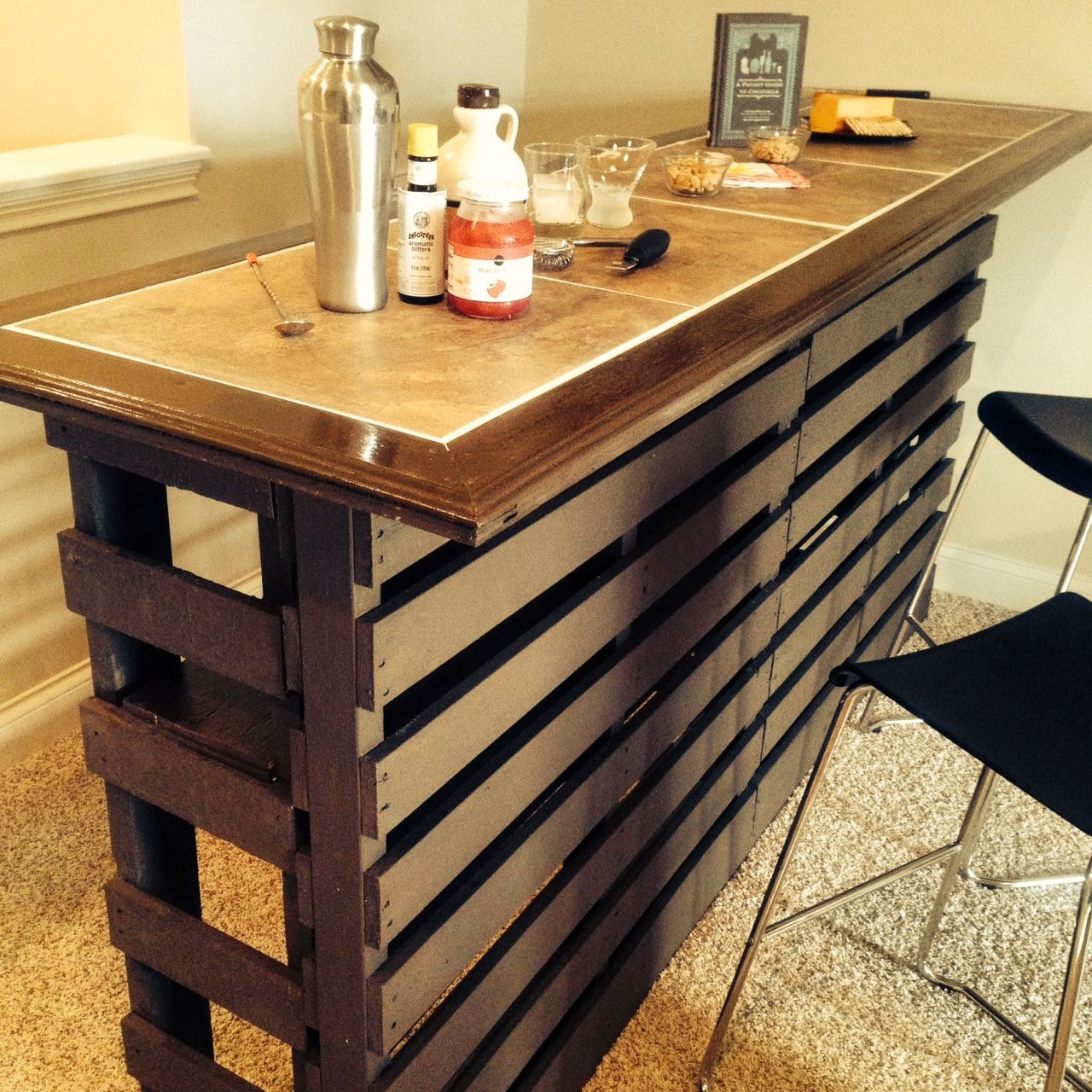
- Wood Pallets: Often available for free or at a low cost, wood pallets can be used to make furniture, shelves, or decorative wall art.
Innovative Storage Solutions Utilizing Everyday Items
Storage is essential in a kids’ room to keep the space organized and clutter-free. Everyday items can be creatively transformed into practical storage solutions that add charm to the decor. Here are some ideas:
- Jars and Containers: Glass jars or tin cans can be painted and used to store crayons, pencils, and other small items.
- Old Shoe Boxes: These can be covered with colorful paper and stacked to create fun storage for toys or books.
- Hanging Organizers: Repurposing an old shoe organizer can provide a fun way to store art supplies or small toys on the back of a door.
- Wooden Crates: These can be painted and stacked to form open shelves that serve as both storage and display areas.
- Fabric Baskets: Using old t-shirts or other fabric, you can sew simple baskets to hold toys or laundry.
Benefits of Using Recycled Materials and Sustainable Options in Decor
Incorporating recycled materials into your kids’ room decor is not only budget-friendly but also environmentally conscious. Here are several benefits of choosing recycled and sustainable materials:
- Eco-Friendly: Using recycled materials reduces waste and minimizes your carbon footprint, making it a great choice for environmentally-conscious families.
- Unique Designs: Recycled materials often have a distinct character that adds a unique touch to your decor, ensuring that your child’s room stands out.
- Cost-Effective: Many recycled materials can be sourced for free or at a very low cost, helping to keep your DIY projects within budget.
- Educational Opportunities: Involving kids in projects using recycled materials can teach them valuable lessons about sustainability and creativity.
- Durability: Many recycled materials, such as wood, can be more durable than new materials, ensuring that decor items last longer.
Creative Design Ideas for Themed Kids Rooms
Creating a themed kids’ room can transform a simple space into a magical environment that sparks imagination and creativity. Themed decor not only enhances the aesthetic appeal but also allows children to express their interests and hobbies. By integrating their favorite themes into the room, you create a personal sanctuary that reflects their personality and enhances their daily experiences.
Designing a cohesive look that aligns with a chosen theme requires careful planning and execution. It’s essential to consider color schemes, furniture, and decorative elements that complement the theme while being functional. Below are some unique themes along with DIY decor ideas to inspire your next project.
Unique Themes and Corresponding DIY Decor Ideas
When selecting a theme for a child’s room, it’s vital to incorporate aspects of their interests. Here are four unique themes with creative DIY decor ideas:
- Outer Space Adventure: Transform the room into a galaxy of stars with dark blue walls, glow-in-the-dark stars, and planet-themed bed linens. Create a DIY mobile of planets using painted styrofoam balls and fishing line.
- Under the Sea: Use shades of blue and green for walls and bedding to mimic the ocean. Craft DIY jellyfish lanterns using paper lanterns and streamers for tentacles. Hang fish cutouts made from cardboard and paint around the room for a vibrant touch.
- Enchanted Forest: Paint walls in soft greens or browns, and add tree decals for a whimsical look. Create a reading nook by hanging a cozy hammock chair. Craft fairy houses from twigs and moss for decoration on shelves.
- Superhero Headquarters: Use bright primary colors and incorporate superhero graphics on walls and bedding. Create a DIY display for superhero action figures by repurposing a wooden crate and painting it in bold colors.
Incorporating children’s interests or hobbies into the decor can elevate the theme. For instance, if a child loves dinosaurs, add dinosaur-themed bedding or wall art to any of the above themes. Personal touches like framed artwork created by the child or a wall of their favorite books can make the space feel uniquely theirs.
To design a cohesive look that aligns with the chosen theme, start with a color palette that reflects the essence of the theme. Ensure that furniture pieces and decor complement this palette. For instance, in an Under the Sea theme, choosing sandy-colored furniture and aqua curtains can create a harmonious atmosphere. Utilize themed accents, such as pillows, rugs, and wall art, to pull the design together, ensuring that all elements contribute to the overall aesthetic without clashing.
“A well-designed kids’ room fosters creativity and makes playtime more enjoyable.”
Step-by-Step Guide to Creating DIY Wall Art for Kids Rooms
Creating a vibrant and engaging atmosphere in a child’s room is essential for fostering creativity and comfort. DIY wall art is an ideal way to achieve this, allowing personalization that reflects a child’s personality and interests. This guide will explore three exciting types of DIY wall art, providing detailed steps to create memorable pieces that will brighten any room.
Canvas Paintings
Canvas paintings are a classic choice for children’s wall art. They are versatile and can be tailored to any theme, from animals to abstract designs. To create a canvas painting, follow these steps:
1. Gather Materials
You will need a blank canvas, acrylic paint, paintbrushes, a palette, and a cup of water for rinsing brushes.
2. Choose a Theme
Discuss with your child their favorite colors or characters. This ensures the artwork is meaningful to them.
3. Sketch the Design
Lightly sketch the Artikel of your design on the canvas with a pencil. This serves as a guide for painting.
4. Begin Painting
Start with the background color. Let your child paint freely, encouraging creativity.
5. Add Details
Once the background is dry, add details. This can include Artikels, patterns, or additional colors.
6. Final Touches
After everything is dry, consider sealing the painting with a clear varnish to protect it.
“Creating art fosters self-expression and can be a great bonding activity between parents and children.”
Framed Collages
Framed collages can capture cherished memories and favorite themes in a fun and colorful way. Here’s how to make one:
1. Collect Materials
Gather photographs, magazine cutouts, stickers, a frame, scissors, and glue.
2. Select a Theme
Choose a theme such as “Nature Adventures” or “Superheroes” based on your child’s interests.
3. Cut Out Images
Help your child cut out images and words that fit the theme. This can become an exciting treasure hunt through magazines.
4. Arrange the Pieces
Before gluing, lay out the cutouts on a flat surface. Allow your child to experiment with different arrangements.
5. Glue Everything Down
Once satisfied with the layout, glue the pieces onto a backing paper that fits into the frame.
6. Frame the Collage
Place the collage in a frame, and hang it in a prominent spot in the room.
“Personalized collages can celebrate a child’s milestones and interests, making them feel valued and seen.”
Wall Stickers and Decals
Wall stickers and decals offer a fun and temporary way to decorate a child’s room. Here is a straightforward method to create them:
1. Materials Needed
You will need removable wall stickers, a cutting tool, and a ruler for measuring.
2. Choose a Design
Brainstorm with your child about what images or shapes they would love to see on their walls.
3. Create Templates
Draw or print designs on adhesive vinyl paper. Simple shapes like stars, animals, or clouds work well.
4. Cut Out the Designs
Carefully cut out the shapes with scissors or a craft knife. Ensure edges are smooth to avoid peeling.
5. Peel and Stick
Let your child place the stickers on the wall. This can be a fun way for them to express their creativity.
6. Reposition as Necessary
If they change their mind, the stickers can be removed and repositioned, sparking ongoing creativity.
“Wall stickers provide a dynamic way to refresh a room’s look without commitment.”
Selecting colors and designs is crucial when creating DIY wall art. Bright, cheerful colors can evoke joy and excitement, while soft pastels can create a calming environment. Consider themes that resonate with children’s favorites, such as nature, animals, or imaginative worlds. When involving kids in the creation process, let them choose colors, themes, and placement. This personal touch ensures that the artwork is not only decorative but also a reflection of their individuality and interests.
The Role of Functionality in DIY Kids Room Decor
Creating a kids’ room that balances both functionality and aesthetics can be a delightful challenge. It’s important to design a space that not only looks good but also serves the needs of its young occupants. Integrating functionality into DIY decor means thinking about how each element will be used on a daily basis, ensuring that the room can adapt as children grow.
This approach can foster independence, creativity, and a sense of ownership in children.Enhancing both form and function in kids’ room decor can be achieved by focusing on multi-functional furniture and practical storage solutions. This not only maximizes space but also keeps the area organized and clutter-free. For example, consider opting for beds with built-in storage drawers or lofted beds that create additional play or study areas beneath them.
These solutions are stylish, making the room visually appealing while serving practical purposes.
Multi-Functional Furniture Options
Selecting the right pieces of furniture can significantly enhance the functionality of a child’s room. Here are some stylish yet practical multi-functional furniture options:
- Storage Ottomans: These can serve as seating, footrests, or even tables, while providing hidden storage for toys or books.
- Convertible Desks: Desks that can transform from a study area to a craft station or play table are perfect for kids who have varied interests.
- Murphy Beds: These beds can be collapsed into the wall when not in use, freeing up valuable floor space for play or activities.
- Bookshelf Ladders: Combining a bookshelf with a ladder provides vertical storage that can save space and add a fun element to the room’s decor.
For those with limited space, DIY projects can further enhance utility. Creating vertical storage solutions, such as wall-mounted shelves or pegboards, can keep items off the floor and organized. A simple DIY project like building a corner shelf can utilize otherwise wasted space. Additionally, a rolling cart can serve as a mobile art station, easily moved from room to room as needed.
Utilizing creativity in the design and arrangement of furniture not only optimizes the usage of available space but also instills a sense of order and responsibility in children. When kids can easily access their belongings and have designated areas for different activities, they are likely to keep their space tidy. By merging functionality with aesthetics, DIY kids’ room decor can truly flourish, providing a warm and inviting environment that grows with the child.
Safety Considerations in DIY Projects for Kids Rooms
Creating a children’s space through DIY projects can be a delightful and rewarding experience. However, ensuring the safety of the environment is paramount. When engaging in any DIY activities, it’s essential to consider the potential risks and to use materials and methods that promote a secure atmosphere for kids. This section will Artikel vital safety measures and materials that make children’s rooms both beautiful and safe.
Essential Safety Measures for DIY Projects
When undertaking DIY projects for kids’ rooms, several safety measures should be prioritized to protect children from hazards. These measures help to create a safer play and sleep environment while fostering creativity.
- Supervision: Always supervise children during DIY projects. This ensures they are safe and provides opportunities to teach them about tools and materials.
- Safe Tool Usage: Utilize child-friendly tools designed for little hands, such as plastic hammers and scissors with rounded edges. Regular tools should only be used by adults or under strict supervision.
- Clear Work Area: Maintain a clean and organized workspace to prevent accidents. Remove any clutter that could cause tripping or distractions.
- Proper Ventilation: Ensure proper ventilation when using paints, glues, or any materials that emit fumes. Open windows and use fans if necessary.
- Protective Gear: Equip both children and adults with protective gear, such as goggles and gloves, especially when handling paint or sharp objects.
Child-Friendly Materials for Decor
Selecting the right materials is crucial for ensuring the safety and health of children in their rooms. Opting for non-toxic, eco-friendly materials can enhance the decor while minimizing risks.
- Non-Toxic Paints: Use water-based paints that are free from volatile organic compounds (VOCs). Brands like Benjamin Moore and Sherwin-Williams offer non-toxic options that are safe for indoor use.
- Soft Fabrics: Choose fabrics that are hypoallergenic and free from harsh chemicals. Organic cotton and linen are excellent choices for cushion covers and curtains.
- Natural Wood: For furniture, select pieces made from solid wood rather than particleboard, which may contain harmful adhesives. Ensure that any finishes or stains used are child-safe.
- Adhesives and Glues: Use non-toxic and water-based adhesives for crafts. Many craft stores offer options specifically labeled as child-safe.
Creating a Safe Environment for Exploration
Encouraging creativity and exploration in a child’s room goes hand in hand with safety. A well-planned space can foster independent play while minimizing accidents.
- Secure Furniture: Anchor bookshelves and tall furniture to the wall to prevent tipping. This is especially important as children grow and start to climb.
- Soft Flooring: Incorporate soft mats or rugs to cushion falls. Consider using interlocking foam tiles that are easy to clean and provide a safe play surface.
- Designated Craft Areas: Create a specific area for arts and crafts, stocked with safe materials. This keeps mess contained and allows children to engage in creative activities safely.
- Clear Boundaries: Establish safe zones within the room where children can play freely. Use furniture or area rugs to define these spaces, promoting organized play.
Involving Kids in the DIY Process
Engaging children in the DIY decor process is a fantastic way to not only spruce up their personal space but also create memorable bonding experiences. Involving kids contributes to their creativity while teaching them valuable skills. As they partake in crafting and designing their rooms, they develop an appreciation for their surroundings and a sense of pride in their contributions.To ensure a fun and productive DIY experience, it’s essential to assign age-appropriate tasks that align with their capabilities.
This encourages participation while allowing them to feel competent and engaged. For instance, younger children can assist with simpler tasks, while older kids might take on more complex projects. Here are some strategies to involve kids effectively:
Age-Appropriate Tasks for Kids
Selecting the right tasks based on a child’s age not only keeps them engaged but also ensures that the DIY process remains enjoyable. Here are some examples of tasks suitable for various age groups:
- Preschoolers (Ages 3-5): Coloring and painting on paper or cardboard, selecting fabrics, or sticking decorative items onto surfaces. They can help in choosing colors and patterns for paint or decor items.
- Early Elementary (Ages 6-8): Simple sewing projects, assembling furniture with supervision, or organizing and sorting craft supplies. They can also practice measuring dimensions for smaller projects.
- Middle Elementary (Ages 9-12): More complex crafting such as building shelves, creating wall art, or designing custom pillow covers. They can learn to use basic tools under guidance and even help with planning the layout of the room.
- Teens (Ages 13+): Independent projects like painting walls, designing wall decals, or repurposing furniture. They can take lead roles in planning, budgeting, and executing larger DIY projects.
Fostering a sense of ownership in their personal space is crucial for children’s development. When they participate in creating their environment, they are more likely to take pride in their space and care for it. This sense of ownership can lead to increased responsibility towards their belongings and the room itself.
“Involving kids in DIY projects cultivates creativity and provides them with a sense of accomplishment that boosts their self-esteem.”
In summary, engaging kids in the DIY decor process not only makes the project more enjoyable but also instills valuable life skills. By assigning age-appropriate tasks, children can contribute meaningfully, helping them develop a lifelong appreciation for creativity and personal expression within their spaces.
Seasonal DIY Decor Ideas for Kids Rooms
Creating seasonal decor for kids’ rooms not only enhances the aesthetic appeal but also helps children understand the changing seasons and related celebrations. Engaging in DIY projects provides a creative outlet for kids while fostering their imagination. Here are some fun and simple ideas to refresh your child’s room throughout the year.To effectively teach kids about seasonal changes and celebrations, integrating decor that aligns with these themes can be highly beneficial.
It encourages them to observe nature’s transformations and learn about various holidays. For instance, changing decor with each season reinforces the connection between seasonal weather patterns and cultural festivities.
Seasonal Decor Ideas
Here are three DIY decor ideas that can be easily implemented and adapted as the seasons change:
- Spring Flower Wreath: Craft a colorful flower wreath using paper or fabric flowers. Involve children by letting them choose their favorite colors and shapes. This wreath can adorn the door or wall, symbolizing the blossoming beauty of spring.
- Summer Sunshine Mobile: Create a hanging mobile featuring suns, clouds, and beach elements like seashells and starfish. This mobile can introduce kids to the concept of summer and its associated fun, such as beach outings and sunny days.
- Autumn Leaf Garland: Collect colorful leaves and string them together to make a vibrant garland. This project provides a hands-on way to discuss the changing colors of fall and the importance of harvest festivals.
In addition to these seasonal decor items, consider the following DIY projects that can transition seamlessly between seasons:
“Versatile decor can save time and resources while keeping the room feeling fresh.”
- Magnetic Seasonal Board: Create a magnetic board where kids can attach seasonal decorations. They can change the images and symbols according to the holiday or season, allowing for continuous engagement.
- Seasonal Pillow Covers: Sew or buy plain pillow covers and decorate them with fabric paint or iron-on designs representing different seasons. This allows easy swapping of pillow covers to match the decor theme.
- Reversible Canvas Art: Design two canvases in one by painting one side for winter and flipping it for spring. This not only saves space but also encourages kids to appreciate art and seasonal themes simultaneously.
Showcasing DIY Decor
Displaying your children’s artwork and DIY projects is not just about decoration; it plays a vital role in their emotional and cognitive development. When kids see their creations showcased around the house, it fosters a sense of pride and accomplishment. This validation encourages them to explore their creativity further and can boost their self-esteem. Moreover, it transforms their living space into a more personalized and welcoming environment, reflecting their unique personalities and interests.To create an inviting atmosphere while showcasing their crafts, it’s essential to consider organization and aesthetics.
Here are some creative methods for displaying kids’ creations without cluttering the space, ensuring that each piece stands out without overwhelming the room.
Creative Display Ideas
Effective display techniques can highlight your child’s work while maintaining a clean and organized appearance. Here are several approaches to achieve this balance:
- Gallery Wall: Create a dedicated gallery wall featuring frames of various sizes. This allows for an aesthetically pleasing arrangement where you can easily swap out pieces as new artwork is created. Aim for a mix of your child’s art, including paintings, drawings, and crafts, for a vibrant display.
- Clipboards or Wire Grids: Install clipboards or wire grids on the wall, allowing you to clip and rotate artwork quickly. This not only saves space but also adds a fun, interactive element where children can help choose what to display.
- Art Books: Compile your children’s artwork into a photo book. This removes clutter from walls and surfaces while preserving their creations in a format that’s easy to flip through. It also serves as a wonderful keepsake to cherish in the future.
- Floating Shelves: Use floating shelves to display three-dimensional projects like sculptures or crafts. Arrange them by theme or color for a cohesive look that draws attention without overwhelming the room.
- Seasonal Rotations: Implement a system for rotating displayed items based on seasons or themes. This keeps the decor fresh and inviting, maintaining interest in the displays. For example, showcase autumn-themed crafts in the fall and winter scenes during the colder months.
“Involving kids in the display process not only gives them ownership over their space but can also spark conversations about their creations.”
Integrating these display methods will not only enhance your home decor but also help celebrate your child’s creativity and efforts in an organized and refreshing way.
Digital Resources for DIY Kids Room Decor Inspiration
The internet is a treasure trove of creative ideas and resources for DIY kids room decor. From vibrant themes to practical storage solutions, online platforms offer endless inspiration to help you transform your child’s space into a haven of creativity and fun. With various tools and communities at your fingertips, getting started on a DIY project has never been easier or more enjoyable.Online communities and forums play a crucial role in sharing innovative ideas and gaining support for DIY projects.
These platforms not only allow individuals to showcase their work but also provide a space for exchanging techniques, tips, and experiences. Engaging with other DIY enthusiasts can lead to new insights, encouragement, and motivation, making the process more enjoyable and less daunting.
Online Platforms for DIY Ideas and Tutorials
There are several prominent online platforms where you can find inspiration and tutorials tailored specifically for decorating kids’ rooms. Here are five noteworthy resources:
- Pinterest: This visual discovery platform allows users to search for and save ideas related to kids room decor. From wall art to furniture hacks, Pinterest boasts a vast array of DIY projects complete with images and links to detailed instructions.
- Instagram: This social media platform is filled with creative influencers and designers who share their DIY projects. Searching hashtags like #KidsRoomDecor or #DIYKidsRoom can unveil countless ideas and innovative decor solutions.
- YouTube: A wealth of video tutorials are available on YouTube, where DIY enthusiasts showcase step-by-step guides to various kids room projects. Channels dedicated to home decor often feature budget-friendly and creative ideas that are easy to follow.
- Houzz: This platform focuses on home improvement and design, offering inspiration and advice from professionals and DIYers. Users can browse through thousands of photos and articles related to kids room decor, making it a great resource for planning projects.
- Reddit: Subreddits dedicated to DIY projects and home decor provide an interactive space for discussion and sharing. Members can post their projects, ask for advice, and receive feedback from a supportive community.
To ensure the credibility of online sources when seeking DIY advice, it is essential to evaluate each platform and individual contributor. Look for established websites that provide detailed content, user reviews, and engagement metrics. Checking the author’s credentials, such as their experience in DIY projects or interior design, can also help in assessing their expertise. Additionally, cross-referencing tips or techniques with other reliable sources can validate the information.
“A reliable source for DIY projects can often make the difference between a successful venture and a frustrating experience.”
Final Review
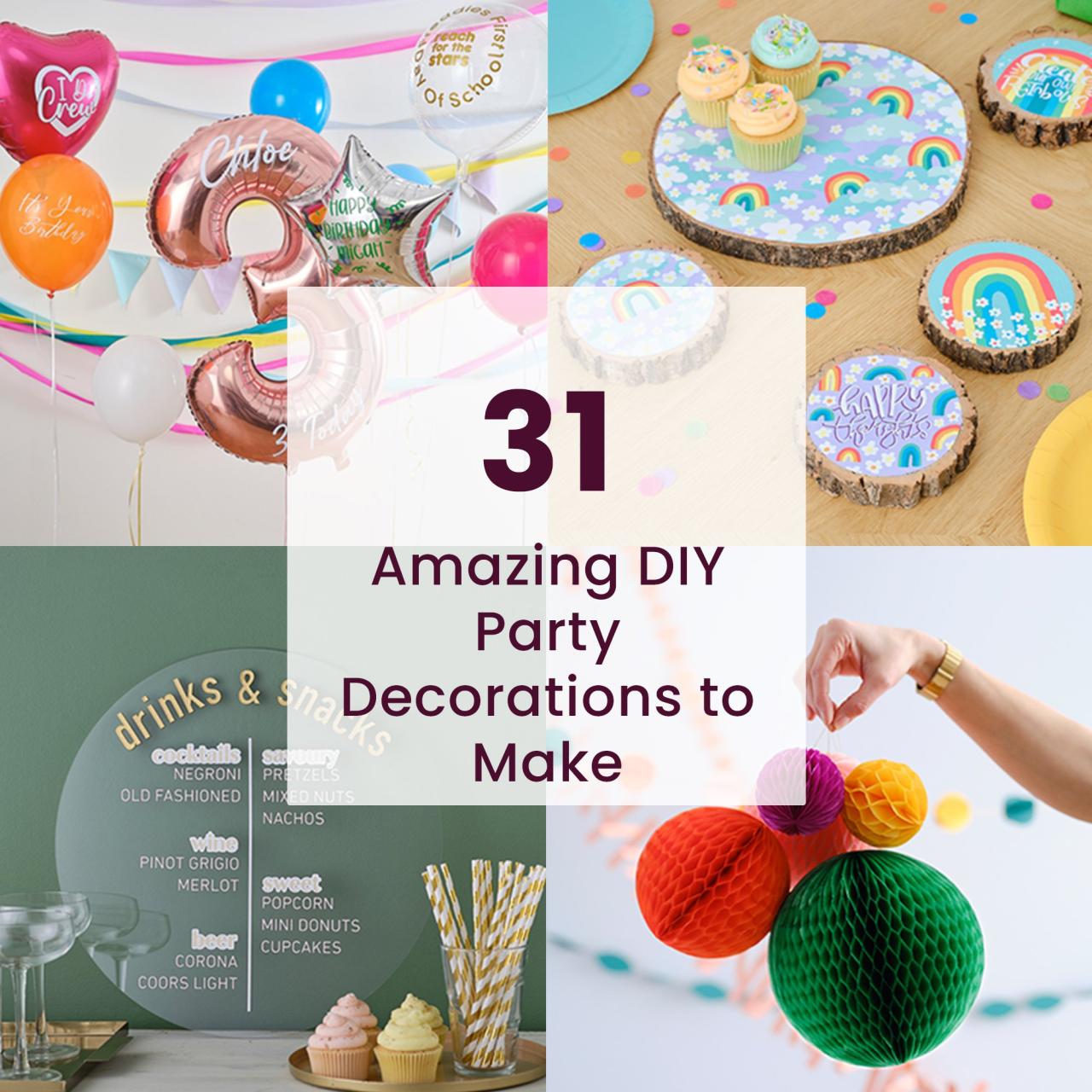
In conclusion, DIY kids room decor offers endless possibilities for customization and creativity, allowing children to make their spaces truly their own. By involving kids in the decorating process, you not only create a unique environment but also encourage them to express their individuality and develop a sense of pride in their personal sanctuary. From selecting themes to crafting wall art, the journey of transforming a room can be as rewarding as the final result.
So gather your materials, unleash your imagination, and embark on the exciting adventure of DIY kids room decor!
Answers to Common Questions
What age is appropriate for kids to start DIY decorating?
Kids can start helping with DIY projects as early as age 3, with simple tasks like painting or applying stickers. As they grow, you can introduce more complex projects.
How can I ensure the safety of DIY materials for kids?
Always choose non-toxic paints and materials, avoid small items that can pose choking hazards, and supervise the use of tools or sharp objects.
What are some easy DIY projects for beginners?
Simple projects include creating personalized wall art, decorating storage bins, or making DIY picture frames. These are great starting points that require minimal supplies.
How often should I update the decor in a kids’ room?
It’s good to refresh the decor every season or whenever your child expresses new interests or hobbies, keeping the space vibrant and engaging.
Can DIY projects fit into a small budget?
Absolutely! Many DIY projects can be completed with repurposed materials or inexpensive supplies, making it easy to create beautiful decor without breaking the bank.