
 Tamara Smith
DIY exterior renovation opens up a world of possibilities for homeowners looking to enhance their properties. Not only does it boost curb appeal, but it also significantly increases property value. From refreshing a paint job to creating inviting outdoor living spaces, the array of projects available allows for personal expression and creativity. Planning a DIY renovation involves careful consideration, resource gathering, and project execution to ensure that the final outcomes align with your vision.
Homeowners often undertake various exterior renovation projects, including painting, landscaping, and building outdoor spaces. Each project serves to modernize or rejuvenate the appearance of a home while providing an opportunity to engage in a fulfilling DIY experience. Understanding the planning process, essential tools, and techniques is crucial for any successful renovation journey.
An overview of DIY exterior renovation projects
DIY exterior renovations are essential for homeowners looking to enhance the aesthetic appeal and overall value of their properties. By taking on these projects themselves, individuals can not only save on labor costs but also gain a sense of personal satisfaction and ownership in their home improvements. When done correctly, these renovations can significantly boost curb appeal, making properties more attractive to potential buyers and increasing market value.Common types of exterior renovation projects that homeowners often undertake include painting, landscaping, deck building, siding replacement, and window installation.
Each of these projects comes with its unique set of challenges and rewards, allowing homeowners to express their style while improving functionality. Planning a DIY exterior renovation involves several steps, from the initial concept to execution. The first step in planning a DIY renovation project is to conduct a thorough assessment of the existing exterior. This evaluation helps determine what improvements are necessary based on the condition and style of the home.
Homeowners should take note of any damages, outdated features, or areas that lack curb appeal. Follow this with research and inspiration gathering, where you can browse through home improvement magazines, websites, or social media platforms like Pinterest to find ideas that resonate with your vision.Once you have a clear concept in mind, develop a detailed plan including specific goals, budget considerations, and a timeline.
It’s important to Artikel the scope of the project. For instance, if you’re repainting your home, decide on colors, types of paint, and necessary tools. Create a checklist of materials and tools needed, ensuring you account for any unexpected expenses.Before diving into physical work, obtain any necessary permits or check local regulations, as some exterior renovations may require approvals. With everything in place, you can begin the execution phase, which will involve preparing the workspace, gathering materials, and carefully following the steps Artikeld in your plan.
Throughout the renovation process, maintain a flexible mindset; adjustments may be needed as unexpected challenges arise. Documenting the progression of your project not only serves as a great way to track improvements but also provides a sense of achievement as you see your vision come to life.
“A well-executed DIY renovation can increase the property value by up to 20%.”
Essential tools and materials for DIY exterior renovations
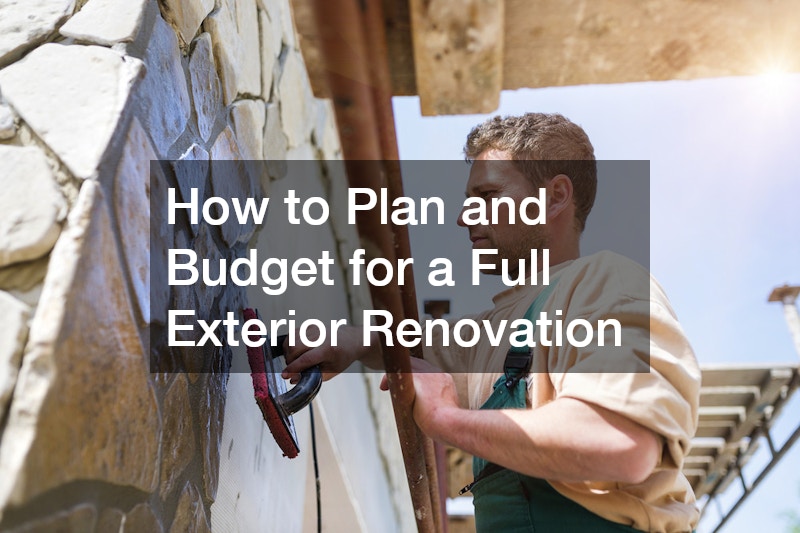
When embarking on a DIY exterior renovation project, having the right tools and materials at your disposal is crucial for achieving quality results. Each project type may require a unique selection of equipment and supplies, but some basics apply universally. This guide will provide you with an overview of essential tools, commonly used materials, and necessary safety equipment to ensure your DIY journey is successful and safe.
Basic tools for exterior renovation projects
Equipping yourself with the right tools sets the foundation for any DIY exterior renovation. The following list highlights essential tools and their specific applications:
- Measuring Tape: Accurate measurements are key to any project. A retractable measuring tape helps ensure everything fits perfectly.
- Level: To ensure that surfaces are even and straight, especially when installing fixtures or laying tiles.
- Hammer: A versatile tool for driving nails, removing them, and various other tasks.
- Screwdriver Set: A selection of screwdrivers allows you to handle different screw types and sizes required in various installations.
- Power Drill: Ideal for making holes and driving screws quickly; a must-have for assembling and securing materials.
- Saw: A hand saw or circular saw is essential for cutting wood and other materials to size.
- Utility Knife: Useful for cutting through various materials, such as insulation, cardboard, or roofing membranes.
- Paintbrushes and Rollers: For applying paint or stain to surfaces, ensuring a smooth and even finish.
Essential materials for exterior renovations
Understanding the materials you will use is just as important as knowing your tools. Here are common materials frequently involved in exterior renovations and their applications:
- Paint: Exterior paint protects surfaces and provides aesthetic appeal. Choose weather-resistant formulations for longevity.
- Wood: Often used for decks, siding, and fencing. Pressure-treated wood is ideal for outdoor projects as it resists rot and insects.
- Vinyl Siding: A low-maintenance option for house exteriors, offering durability and a variety of styles.
- Roofing Shingles: Essential for waterproofing your home. Asphalt and metal shingles are common choices, each with its pros and cons.
- Concrete Mix: Used for pathways, patios, and foundations. Ensure proper curing for a durable finish.
- Insulation: Adding insulation to walls or attics can improve energy efficiency and comfort in your home.
Safety equipment and precautions
Safety should always be a priority during DIY renovations. Proper equipment and precautions can prevent accidents and injuries. The following safety gear is essential:
- Safety Glasses: Protect your eyes from dust, debris, and flying particles during cutting or drilling.
- Gloves: Appropriate gloves shield your hands from cuts, blisters, and chemicals while working with materials.
- Dust Mask or Respirator: Use a mask to filter out harmful dust and fumes, particularly when sanding or painting.
- Hard Hat: If working in areas where materials might fall, a hard hat can protect your head from injury.
- Steel-Toed Boots: Protect your feet from heavy objects that might drop during the renovation process.
“Always remember to read labels and instructions for tools and materials to ensure proper use and safety.”
Techniques for painting and finishing exterior surfaces
Painting and finishing exterior surfaces is a vital part of home maintenance that not only enhances curb appeal but also protects your home from the elements. With the right techniques, materials, and care, you can ensure that your paint job lasts for years while keeping your property looking fresh and inviting. Below is a detailed guide on how to effectively paint exterior walls, select appropriate paint finishes, and maintain those surfaces.
Step-by-step guide for painting exterior walls
Proper preparation and application are key to a successful exterior painting project. The following steps Artikel the process from start to finish:
1. Preparation
Begin by cleaning the surface thoroughly. Remove dirt, mildew, and loose paint using a pressure washer or a scrub brush with a mixture of water and mild detergent. Allow the surface to dry completely.
2. Repair
Inspect the walls for cracks, holes, or damages. Use patching compound or caulk to fill in any imperfections. Sand the repaired areas once they are dry to ensure they are smooth.
3. Priming
Apply a high-quality primer to the surface, especially if you’re painting over bare wood or a stained surface. The primer helps the paint adhere better and provides a uniform base color.
4. Equipment
Gather your painting tools, including brushes, rollers, and trays. Choose a roller with a nap appropriate for the surface texture to achieve an even application.
5. Painting
Start painting from the top down, using a brush for edges and corners, and a roller for larger areas. Apply at least two coats of paint, allowing adequate drying time between coats as specified by the paint manufacturer’s instructions.
6. Finishing touches
After the final coat has dried, inspect the work and touch up any areas that may need additional paint. Clean your tools immediately after use to prolong their life.
Types of paint finishes suitable for exterior use
Selecting the right paint finish is essential for achieving durability and the desired aesthetic effect. Here are commonly used exterior paint finishes:
Flat/Matte Finish
This finish offers a non-reflective surface that can hide imperfections well. It’s best used on areas not exposed to high traffic or moisture, such as siding.
Eggshell Finish
Slightly more reflective than flat, eggshell is easy to clean and is suitable for areas that may encounter stains, such as the lower sections of walls.
Satin Finish
This finish has a soft sheen and is highly durable, making it an excellent choice for exterior trim and areas prone to weather exposure, providing both beauty and longevity.
Semi-Gloss Finish
Known for its shine and durability, semi-gloss is ideal for areas that require washability, like doors, windows, and railings. It can withstand the elements better than lower sheen finishes.
High-Gloss Finish
The most reflective option, high-gloss paint is perfect for surfaces that need to be highly durable and easy to clean, such as metal gates or window frames.
Maintenance methods for painted surfaces
To ensure the longevity and effectiveness of your painted surfaces, regular maintenance is crucial. Here are effective methods for maintaining exterior paint:
Routine Cleaning
Periodically wash the exterior surfaces with a garden hose to remove dirt, debris, and mildew. For tougher stains, use a soft brush and a mild cleaning solution.
Inspection
Regularly check the paint for signs of peeling, cracking, or fading. Early detection allows for timely repairs before more extensive damage occurs.
Touch-ups
Keep extra paint on hand for quick touch-ups. Addressing small imperfections promptly can prevent larger issues down the line.
Weather Protection
When possible, protect painted surfaces from extreme weather conditions. Cover when snow or heavy rains are forecasted to limit moisture exposure.
Repainting
Depending on the quality of the initial paint job and local climate conditions, exterior surfaces typically require repainting every 5 to 10 years. Plan and execute repainting to maintain the protective layer.
“A well-maintained exterior not only enhances the aesthetic of a home but also protects it against weather damage.”
Final Summary
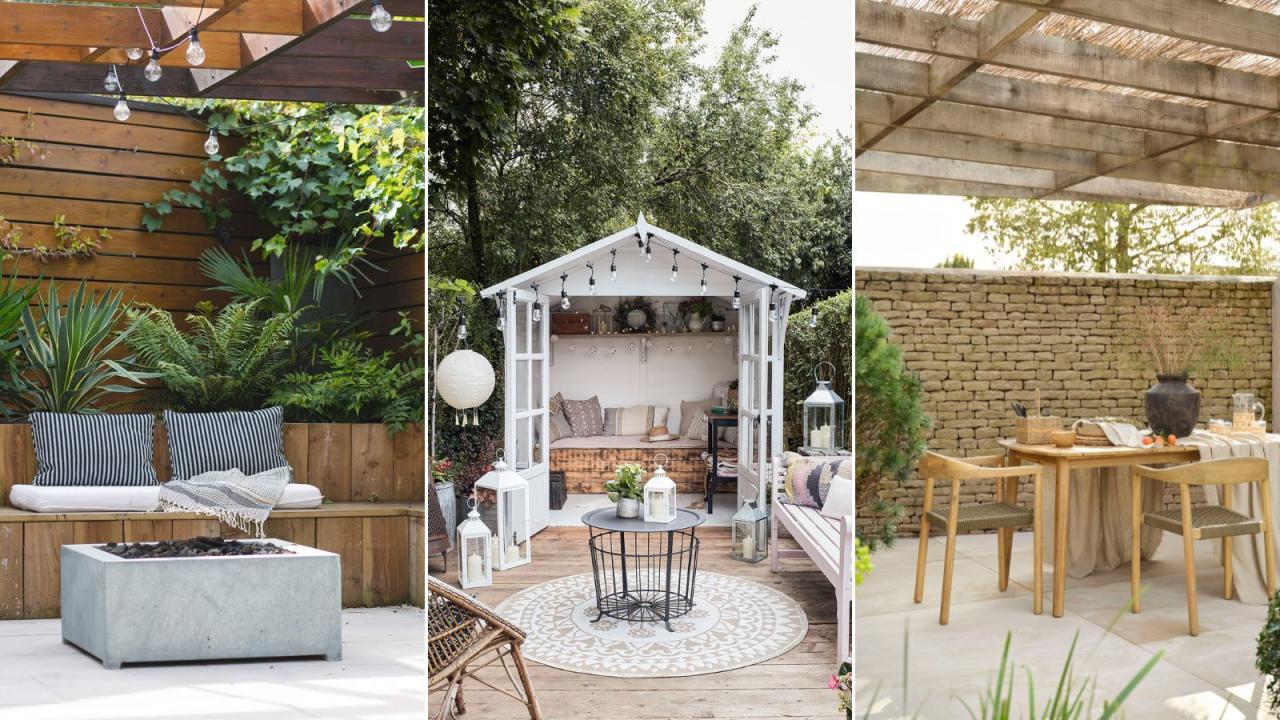
In summary, DIY exterior renovation is not just about physical changes; it’s about creating a space that reflects personal style and enhances functionality. By exploring essential tools, techniques, and materials, homeowners can tackle their projects with confidence. Remember that the journey of renovation is as rewarding as the end result, offering opportunities for learning, growth, and a sense of accomplishment.
FAQs
What are the most common DIY exterior renovation projects?
Common projects include painting, landscaping, building decks or patios, and installing new siding.
How can I ensure my DIY renovation is budget-friendly?
Plan your budget carefully, shop sales for materials, and consider renting tools instead of buying.
What safety equipment should I use during renovations?
Use gloves, goggles, masks, and sturdy footwear to protect yourself during DIY projects.
How can I maintain my newly painted exterior surfaces?
Regularly clean surfaces and check for damages, repainting as necessary to maintain appearance and protection.
What eco-friendly materials can I use for my renovation?
Look for sustainable wood, recycled materials, and low-VOC paints to reduce environmental impact.