
 Tamara Smith
DIY greenhouse ideas are a fantastic way to elevate your gardening game, providing you with the controlled environment necessary to grow a variety of plants year-round. Whether you’re a seasoned gardener or just starting, the allure of building your own greenhouse can be both exciting and rewarding. With various materials, designs, and innovative techniques available, the possibilities are endless for creating a space that suits your specific gardening needs.
This guide will delve into the different construction materials, styles, and essential features of DIY greenhouses, all while addressing the benefits of a DIY approach compared to store-bought options. You’ll also discover helpful tips for planning your greenhouse project, overcoming common challenges, and implementing sustainable practices to ensure your gardening venture is both enjoyable and environmentally friendly.
Explore the different materials that can be used for constructing a DIY greenhouse.
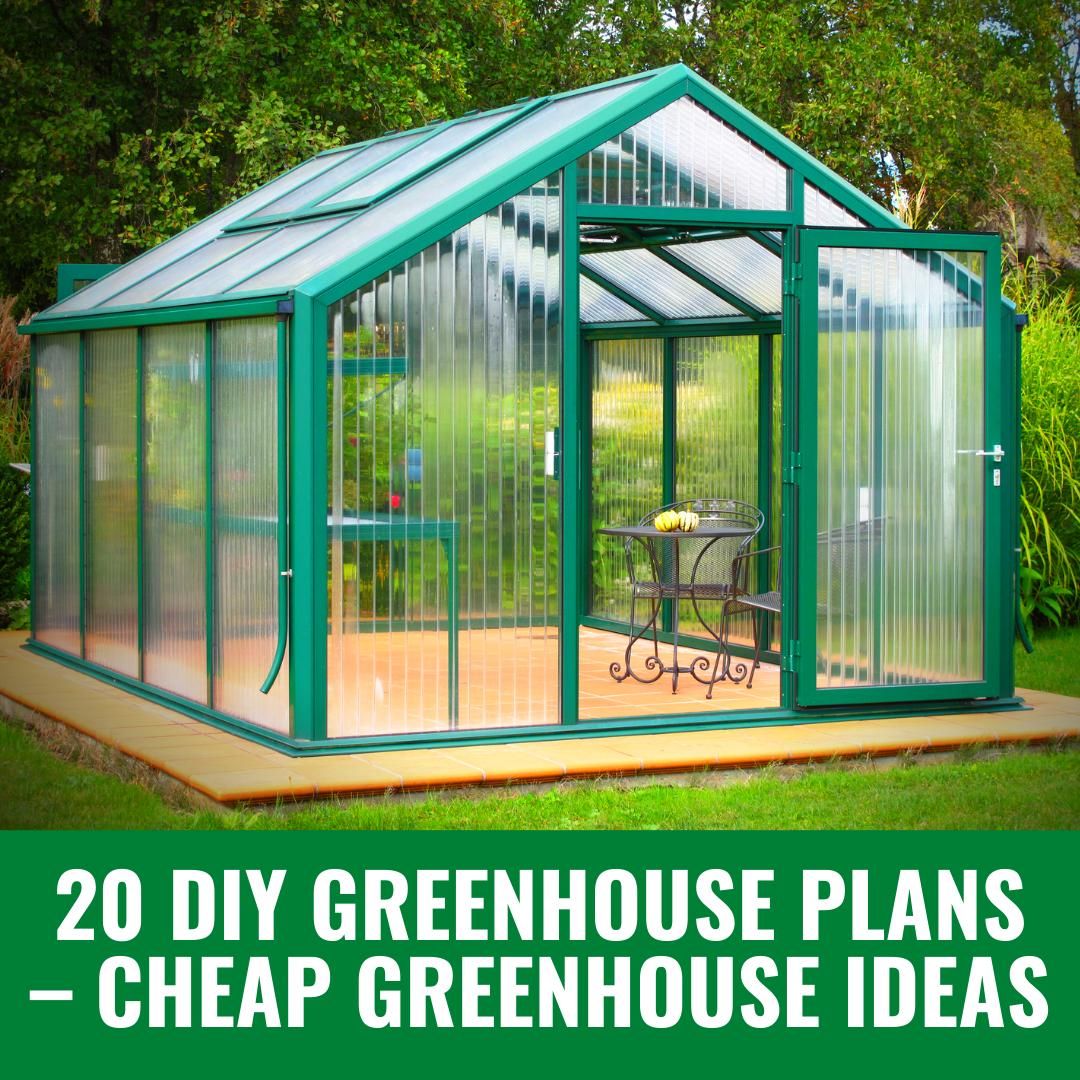
Building a DIY greenhouse can be an exciting project, and one of the most critical decisions you’ll make is choosing the right materials. The material you select will impact not only the structure’s durability and aesthetic appeal but also its functionality in terms of insulation and light transmission. Let’s delve into the various materials available for constructing a greenhouse, examining their pros and cons, and exploring the cost implications of each.
Wood as a Construction Material
Wood is a popular choice for many DIY greenhouse builders due to its natural look and ease of handling. It offers solid structural support and can be easily joined using standard woodworking tools.
- Advantages:
-Natural insulation properties help maintain stable temperatures within the greenhouse.
-Aesthetic appeal that blends well with garden landscapes.
-Easily customizable for various designs and shapes.
- Disadvantages:
-Susceptible to rot, pests, and decay if not treated properly.
-Requires regular maintenance, including painting or sealing.
-Higher upfront costs compared to other materials.
Wood can provide decent insulation, especially if thicker beams are used, while its light transmission varies depending on the type of covering material used, like polycarbonate panels.
Metal as a Construction Material
Metal, particularly aluminum or galvanized steel, is known for its strength and longevity. It’s a robust choice for those looking to build a more permanent greenhouse structure.
- Advantages:
-Extremely durable and resistant to harsh weather conditions.
-Low maintenance requirements; less prone to warping or cracking.
-Can be sourced in various forms, such as frames or pre-fabricated kits.
- Disadvantages:
-Higher initial cost compared to wood.
-Poor insulator; may need additional insulation measures.
-Can heat up quickly in direct sunlight, which may require ventilation solutions.
Metal frames typically support glass or polycarbonate panels that allow excellent light transmission but may require additional insulation to maintain optimal temperatures inside the greenhouse.
Plastic as a Construction Material
Plastic materials, including polycarbonate and polyethylene film, are lightweight and flexible options for greenhouse construction.
- Advantages:
-Cost-effective and widely available.
-Good light transmission and UV protection.
-Lightweight, making it easier to handle during construction.
- Disadvantages:
-Less durable compared to wood or metal; susceptible to tears and degradation over time.
-Lower insulation properties; may require double-layered structures for better thermal performance.
-Can cause heat buildup without proper ventilation.
Plastic can provide varying levels of insulation depending on the thickness and type used, with polycarbonate panels being the most effective among plastic options.
Glass as a Construction Material
Glass is often regarded as the classic greenhouse material, known for its aesthetic appeal and excellent light transmission.
- Advantages:
-Superior light transmission, promoting plant growth.
-Durable and long-lasting when properly maintained.
-Easy to clean and maintain an aesthetic look.
- Disadvantages:
-Higher cost associated with both material and installation.
-Poor insulation properties unless double-glazed.
-Heavy, requiring sturdy structural support.
Glass greenhouses can retain heat effectively if designed with proper insulation strategies, such as using thermal mass or incorporating heating elements.
“The choice of material for your DIY greenhouse will significantly affect its performance in terms of insulation and light transmission, as well as its overall cost and maintenance needs.”
Identify the various styles and designs of DIY greenhouses.
DIY greenhouses come in a variety of styles and designs, each offering unique benefits and features suited to different gardening preferences and environmental conditions. Choosing the right design can enhance plant growth, extend the growing season, and provide protection from harsh weather. Understanding these various designs is crucial for gardeners looking to create their perfect greenhouse setup.
Characteristics of Hoop Houses, Lean-To Greenhouses, and A-Frame Structures
Hoop houses, lean-to greenhouses, and A-frame structures are among the most popular DIY greenhouse designs. Each of these designs has specific characteristics that cater to various gardening needs and climates.
1. Hoop Houses
Hoop houses are simple structures made from curved metal or PVC pipes that are covered with plastic sheeting. They are often unheated, allowing for natural sunlight to warm the interior.
Characteristics
Cost-effective
Typically inexpensive to construct.
Season Extension
Helps to extend the growing season by trapping heat.
Ventilation Options
Easily adjustable sides for airflow.
Flexibility in Size
Can be built to various lengths and widths depending on space.
Best Suited For
Regions with moderate climates where frost is a concern but extreme temperatures are rare.
2. Lean-To Greenhouses
Lean-to greenhouses are attached to an existing structure, usually a house or garage. They utilize the wall for support and warmth, maximizing space while providing shelter for plants.
Characteristics
Space-Efficient
Ideal for limited yard space as they use an existing wall.
Temperature Regulation
Can take advantage of the building’s heat.
Design Versatility
Can be customized in height and width based on the supporting structure.
Best Suited For
Urban gardens or homes with space constraints and areas with fluctuating temperatures.
3. A-Frame Structures
A-frame greenhouses feature a steeply pitched roof and triangular shape, allowing for effective rain runoff and snow shedding.
Characteristics
Structural Stability
The design is sturdy and can withstand heavy winds and snow.
Good Light Penetration
The sloped roof allows sunlight to enter from multiple angles.
Versatile Use
Can accommodate various plants and gardening techniques.
Best Suited For
Areas with heavy snowfall or high winds where structural integrity is a priority.Each of these greenhouse styles presents unique advantages depending on environmental conditions and the specific gardening needs of the user. For visual reference, diagrams can illustrate the structure of these types: a hoop house could be depicted as a simple dome, a lean-to as a greenhouse attached to a building wall, and an A-frame as a triangle rising from the ground.
Such visuals can help potential builders better understand the practical applications of each design.
Discuss the essential features that make a DIY greenhouse functional.
A well-functioning DIY greenhouse requires careful planning and essential features that will ensure optimal growing conditions for plants. Understanding these components not only helps in creating a productive environment but also maximizes the lifespan of the greenhouse structure itself. This discussion covers the critical aspects of ventilation systems, heating methods, and watering solutions that can be effectively integrated into various designs.
Ventilation Systems
Effective ventilation is crucial for controlling temperature and humidity levels within a greenhouse. Proper air circulation prevents overheating and helps reduce the likelihood of disease. A combination of natural and mechanical ventilation can be utilized for best results. Installing roof vents or side vents allows for passive air exchange, helping to release hot air and draw in cooler air. Additionally, incorporating exhaust fans can enhance circulation, particularly during the hotter months.
The placement of vents should be strategically considered, with a balance between intake and exhaust to maintain an optimal flow.
Good ventilation enhances plant health and minimizes pest problems.
Heating Methods
Maintaining a stable temperature is essential, especially in colder climates or during the winter months. Various heating methods can be integrated into a DIY greenhouse to provide the necessary warmth for plant growth.Options include electric heaters, propane heaters, or even passive solar heating systems. For instance, a passive solar approach involves using thermal mass materials, like water barrels or concrete, to absorb heat during the day and release it at night.
This method is energy efficient and can significantly reduce heating costs.
Using thermal mass can help regulate temperature fluctuations effectively.
Watering Solutions
An effective watering system is vital to ensure that plants receive consistent moisture. Traditional hand watering can be labor-intensive, whereas automated systems can save time and ensure even distribution.Drip irrigation systems are particularly beneficial as they deliver water directly to the plant roots, minimizing waste and reducing the risk of fungal diseases. Rainwater harvesting is another eco-friendly option that can supplement the watering needs by capturing and storing rainwater for later use.
Automated watering systems promote healthier plant growth and conserve water.
Checklist for a Well-Functioning Greenhouse
To create an efficient DIY greenhouse, it’s essential to consider all necessary components. The following checklist ensures that the main functional features are included:
- Ventilation: Roof vents, side vents, and exhaust fans
- Heating: Electric or propane heaters, thermal mass materials
- Watering: Drip irrigation systems, rainwater harvesting setup
- Material: Durable frame (aluminum, wood, or PVC) and UV-resistant covering (polycarbonate, polyethylene)
- Lighting: Supplemental grow lights for low-light conditions
- Temperature Monitoring: Thermometers and hygrometers for climate control
- Pest Control: Physical barriers or integrated pest management solutions
Compare the benefits of using a DIY greenhouse versus a store-bought option.
Building your own greenhouse can be an incredibly rewarding endeavor, offering a personal touch that store-bought options often lack. When weighing the benefits of a DIY greenhouse against pre-made models, it becomes clear that customization, cost savings, and the joy of creating something with your own hands play significant roles in making this choice.
Customization Options Available with DIY Greenhouses
One of the most appealing aspects of a DIY greenhouse is the level of customization it provides. Unlike store-bought greenhouses, which come in fixed designs and sizes, a DIY option allows you to tailor every detail to suit your specific gardening needs.
- Size and Space: You can choose the dimensions of your greenhouse to fit your available space, whether it’s a small corner of your backyard or a larger plot.
- Materials: Select materials based on your climate and aesthetic preferences, such as wood, metal, or recycled materials.
- Design: Incorporate features like ventilation, shelving, or heating systems that align with your gardening goals.
- Accessibility: Build pathways and entry points that work best for you, ensuring ease of access to your plants.
This level of customization not only enhances the functionality of your greenhouse but also allows you to express your personal style, making it a unique addition to your garden space.
Cost Savings and Personal Satisfaction in Building
When considering financial aspects, a DIY greenhouse can be a cost-effective alternative to purchasing a pre-made structure. While initial expenses may vary depending on materials chosen, many DIY builders find significant savings when creating their own greenhouse.
- Material Costs: Sourcing materials such as reclaimed wood or recycled plastics can greatly reduce overall costs.
- Labor Savings: By doing the work yourself, you eliminate labor costs associated with hiring professionals for installation.
- Long-term Benefits: A well-constructed DIY greenhouse can lead to lower ongoing expenses, as you can easily repair or modify it as needed.
Alongside the financial benefits, the joy of building something from scratch is immensely gratifying. Many DIY greenhouse builders report feelings of accomplishment and pride once their projects are completed, often leading to a deeper connection with their gardening endeavors.
Experiences from DIY Greenhouse Builders
Countless enthusiasts have embarked on the journey of building their own greenhouses, each sharing inspirational stories of their experiences. Many of these builders highlight how the project has transformed not only their gardening practices but also their personal satisfaction.
“Building my own greenhouse was not just about saving money; it was about creating a space that I could truly call my own. Watching my plants thrive in an environment I crafted from the ground up is an indescribable joy.”
From novice gardeners to seasoned horticulturists, testimonials abound regarding the hands-on skills learned during the process, as well as the sense of community that often develops among fellow DIYers sharing tips and inspiration. Whether it’s hosting plant swaps or simply exchanging ideas, the camaraderie found in DIY greenhouse projects enhances the overall gardening experience.
Explain the process of planning a DIY greenhouse project from start to finish.
Planning a DIY greenhouse project is an exciting venture that requires a systematic approach to ensure its success. From selecting the perfect location to finalizing the design, each step plays a crucial role in building a functional and sustainable greenhouse. This guide Artikels the essential steps involved in the planning process, helping you create a greenhouse that meets your gardening needs.
Steps Involved in Site Selection, Design Planning, and Obtaining Permits
Choosing the right site for your greenhouse is fundamental to its success. Consider the following factors when selecting a site:
- Light Exposure: Ensure the site receives ample sunlight, ideally 6-8 hours per day, to facilitate plant growth.
- Accessibility: The location should be easily accessible for maintenance and watering.
- Water Supply: Proximity to a water source is essential for irrigation purposes.
- Wind Protection: A sheltered site can help mitigate wind damage and temperature fluctuations.
Once the site is selected, the next step is designing the greenhouse. This involves considering the type of greenhouse structure, size, and materials. Popular designs include lean-tos, freestanding structures, and hoop houses, each offering unique benefits. Before commencing construction, check with local regulations to determine if permits are required. Building codes may vary by location, so consulting with your local authority can save you from potential fines or construction delays.
Importance of Setting a Budget and Timeline
Establishing a budget is critical to ensure your greenhouse project remains financially feasible. Consider all potential costs, including materials, tools, labor, and permits. Here’s a breakdown of typical expense categories:
- Materials: Glass, plastic, or polycarbonate panels, framing materials, and foundations.
- Tools: Basic construction tools such as saws, drills, and measuring tapes.
- Labor: If hiring help, estimate labor costs or factor in your time if undertaking the project solo.
- Miscellaneous: Soil, pots, seeds, and other gardening supplies.
Setting a timeline is equally important. Developing a timeline allows for structured progress and helps avoid delays. Below is a sample Gantt chart illustrating the various stages of the project:
| Task | Duration | Start Date | End Date |
|---|---|---|---|
| Site Selection | 1 week | Week 1 | Week 2 |
| Design Planning | 2 weeks | Week 2 | Week 4 |
| Obtaining Permits | 2 weeks | Week 4 | Week 6 |
| Construction | 4 weeks | Week 6 | Week 10 |
| Planting | 1 week | Week 11 | Week 12 |
This timeline enables a clear overview of the project progression, ensuring all steps are completed sequentially without overlapping.
“A well-planned project not only saves time but also minimizes costs and maximizes the enjoyment of your gardening experience.”
Share innovative gardening techniques that can be implemented in a DIY greenhouse.
Creating a DIY greenhouse opens up a world of innovative gardening techniques that can optimize plant growth and maximize space. By adopting methods like vertical gardening, hydroponics, and companion planting, you can cultivate a diverse array of plants even in limited areas. These techniques not only enhance the efficiency of your greenhouse but also promote healthier plants through strategic relationships.
Vertical Gardening
Vertical gardening is a space-saving method that involves growing plants upwards instead of outwards. This technique is particularly useful in smaller greenhouses where floor space is at a premium. By utilizing walls, trellises, or vertical planters, you can free up valuable ground space for other plants.
- Wall Planters: Installing wall-mounted planters allows you to grow herbs and small vegetables like lettuce or spinach. This setup is visually appealing and makes harvesting easy.
- Vertical Trellises: For vining plants like cucumbers and peas, incorporating trellises can significantly increase yield while using minimal floor space. Ensure the trellis is sturdy enough to support the weight of the plants.
- Pallet Gardens: Repurposed wooden pallets can serve as vertical planting structures for flowers or strawberries. Just make sure to line the back with landscaping fabric to hold soil in place.
Hydroponics
Hydroponics is a soilless gardening technique that uses nutrient-rich water to grow plants. This method can be highly efficient in a controlled greenhouse environment, as it allows for year-round cultivation and reduced water usage.
- Nutrient Film Technique (NFT): In this system, a thin film of nutrient solution is continuously circulated over the roots of plants, providing them with the necessary elements for growth. This method is particularly effective for leafy greens.
- Deep Water Culture (DWC): This technique involves suspending plant roots in a nutrient solution, ensuring they remain submerged. Plants like lettuce and basil thrive in DWC systems due to their rapid growth rates.
- Aeroponics: In aeroponic systems, plant roots are misted with nutrient solution, allowing for excellent oxygenation and growth. This method is suitable for a range of plants, from herbs to fruiting crops.
Companion Planting
Companion planting is the practice of growing different plants together to enhance growth, deter pests, and maximize space utilization. In a greenhouse, certain plant pairings can lead to improved health and productivity.
- Tomato and Basil: Basil not only improves the flavor of tomatoes but also helps repel pests such as aphids and whiteflies.
- Carrots and Onions: These two can be grown together as onions repel carrot flies while both plants have different nutrient needs.
- Marigolds and Vegetables: Marigolds are known to deter nematodes and attract beneficial insects, making them ideal companions for many vegetable plants.
Maximizing Space in a Small Greenhouse
To make the most of a small greenhouse, thoughtful organization and planning are essential. Here are a few strategies to maximize space effectively:
- Layered Shelving: Use tiered shelving units to create more planting surfaces. This allows you to grow multiple layers of plants without sacrificing floor space.
- Hanging Baskets: Hanging planters can be an excellent way to grow herbs or flowers, freeing up shelf space for larger plants.
- Rotate Crops: Implement a rotation system to keep the greenhouse productive throughout the seasons. Quick-growing plants can be replaced once harvested, ensuring continuous use of available space.
Detail the most common challenges faced when building and maintaining a DIY greenhouse.
Building and maintaining a DIY greenhouse can be a rewarding endeavor, but it does come with its fair share of challenges. Whether you’re a novice gardener or a seasoned pro, understanding these obstacles can help you navigate the complexities of greenhouse gardening more effectively. Temperature control, pest management, and humidity levels are some of the most critical issues that DIY greenhouse builders encounter.
While the idea of a greenhouse is to create an ideal microclimate for plants, fluctuating temperatures can wreak havoc on your plants’ growth, pest infestations can damage crops, and imbalanced humidity can lead to mold and mildew. Fortunately, there are effective strategies to tackle these challenges head-on.
Temperature Control Issues
Maintaining the right temperature in a greenhouse is vital for plant health. Extreme heat or cold can stress plants, leading to poor growth or even death. To mitigate temperature fluctuations, consider the following strategies:
- Ventilation: Ensure that your greenhouse has ample vents and possibly exhaust fans to let hot air escape during warmer months.
- Shade cloths: Utilize shade cloths during peak summer to reduce heat buildup. A 30-50% shade cloth is often adequate for most plants.
- Heating systems: In colder months, invest in heating systems like electric or propane heaters. A thermostat can help maintain a consistent temperature.
“A well-ventilated greenhouse is essential for controlling heat and preventing plant stress.”
Pest Management Strategies
Pests can pose a significant threat to your greenhouse plants. They can quickly multiply and cause extensive damage if not managed properly. Implementing an integrated pest management (IPM) approach can be beneficial:
- Beneficial insects: Introduce beneficial insects like ladybugs and lacewings that prey on common pests.
- Physical barriers: Use insect nets to physically block pests from entering your greenhouse.
- Regular monitoring: Keep a close eye on plants for signs of pests, and take immediate action if you notice infestations.
“Prevention is key—regular monitoring and introducing natural predators can save your crops from pests.”
Humidity Level Management
Humidity plays a crucial role in plant health but can also lead to problems if not managed. High humidity levels can cause mold, rot, and other diseases, while low humidity can stress the plants. To maintain optimal humidity levels, consider the following methods:
- Humidifiers/dehumidifiers: Depending on your local climate, using these devices can help regulate humidity levels effectively.
- Watering practices: Water plants in the morning to reduce evaporation and allow plants to absorb moisture as needed.
- Air circulation: Ensure good air circulation by using fans, which can help prevent moisture buildup and promote even humidity distribution.
“Finding the right balance in humidity can be the difference between thriving plants and a struggling greenhouse.”
Create a guide on the plants that thrive best in DIY greenhouses.
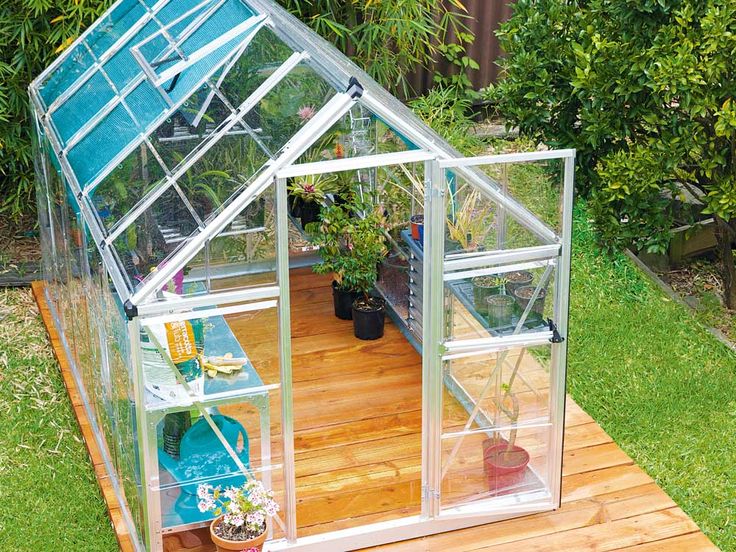
Creating a thriving greenhouse environment can significantly enhance your gardening experience, allowing you to grow a diverse array of plants year-round. Understanding which plants thrive in these conditions can help you maximize the potential of your DIY greenhouse. Whether you’re looking to grow seasonal vegetables or perennial flowers, selecting the right plants is essential for a successful greenhouse garden.In a greenhouse, plants can benefit from regulated temperatures, humidity, and protection from pests.
These advantages allow for an extended growing season and the ability to grow species that may not typically thrive in your local climate. Below, we explore seasonal plants and perennials that flourish in greenhouse conditions, along with the specific care tips to maximize their growth and yield.
Seasonal Plants for Greenhouse Cultivation
When choosing seasonal plants for your greenhouse, consider those that benefit from warm temperatures and controlled environments. Here are some popular options:
- Tomatoes: A favorite among home gardeners, tomatoes thrive in temperatures between 70°F and 85°F. Ensure they receive ample sunlight, ideally around six to eight hours a day, and provide support as they grow.
- Cucumbers: These plants flourish in conditions with high humidity and temperatures of 70°F to 90°F. Regular watering is crucial, as cucumbers require consistent moisture for optimal growth.
- Bell Peppers: Like tomatoes, bell peppers flourish in warmth, preferring temperatures of 70°F to 80°F. Ensure they are planted in well-draining soil and receive plenty of light for robust growth.
The benefit of growing these seasonal plants in a greenhouse is the ability to extend the growing season well into the cooler months, allowing for multiple harvests per year.
Perennial Plants Suitable for Greenhouses
Perennial plants can provide a continuous source of blooms and foliage in your greenhouse. Consider the following perennials that thrive in such environments:
- Lavender: This fragrant herb prefers well-draining soil and a sunny location, requiring temperatures between 65°F and 75°F. Regular pruning promotes bushy growth and increased flower production.
- Hydrangeas: Known for their vibrant blooms, hydrangeas enjoy moderate humidity and temperatures around 70°F to 80°F. They appreciate consistent watering and benefit from regular feeding during the growing season.
- Ferns: Ideal for shady spots in your greenhouse, ferns thrive in humid environments. Maintain a temperature range of 60°F to 75°F and ensure they have indirect sunlight for optimal growth.
These perennials can enhance the aesthetic appeal of your greenhouse, provide habitat for beneficial insects, and contribute to a healthy ecosystem.
Growing Conditions and Care Tips
Each plant species has specific growing conditions and care requirements to thrive in a greenhouse environment. Here are some essential tips to maximize your yield:
- Temperature Control: Maintain a consistent temperature within the ideal range for the plants you are growing. Invest in a reliable thermometer and ventilation system to regulate heat.
- Watering Practices: Implement a watering schedule that meets the needs of your plants; avoid overwatering, which can lead to root rot. Utilize drip irrigation for efficient moisture delivery.
- Soil Quality: Use high-quality potting mix that provides the right balance of nutrients, drainage, and aeration. Regularly test soil pH and amend as necessary to optimize plant health.
- Pest Management: Monitor for pests and diseases regularly. Employ integrated pest management techniques, such as introducing beneficial insects, to keep your plants healthy.
By understanding the specific needs of the plants you choose to cultivate, you can create an environment that fosters healthy growth and maximizes your greenhouse’s potential.
Organize a discussion on sustainable practices for DIY greenhouse construction and maintenance.
Creating a DIY greenhouse not only allows you to cultivate plants year-round but also presents an opportunity to implement sustainable practices. By using eco-friendly materials and methods, you can minimize your greenhouse’s environmental footprint. Sustainable construction techniques contribute to a healthier ecosystem and promote responsible resource use, making your gardening efforts more effective and environmentally conscious.
Eco-friendly materials and construction methods
When building a greenhouse, selecting sustainable materials is key to reducing environmental impact. Using renewable or recycled materials can significantly enhance the eco-friendliness of your structure. Here are some materials and methods that align with sustainability principles:
- Recycled Glass: Utilizing old windows or glass containers not only reduces waste but also provides excellent insulation for temperature regulation.
- Wood from Sustainable Sources: Opting for wood certified by the Forest Stewardship Council (FSC) ensures that you’re using timber harvested from responsibly managed forests.
- Natural Insulation: Materials like straw bales or hemp can serve as effective insulators while being biodegradable and renewable.
- Low-Impact Foundations: Instead of concrete, which has a high carbon footprint, consider using gravel or compacted earth to create a sturdy base for your greenhouse.
Composting and rainwater harvesting benefits
Incorporating composting and rainwater harvesting systems into your greenhouse adds layers of sustainability, enhancing plant growth while conserving resources. These practices not only utilize natural processes but also reduce reliance on chemical fertilizers and municipal water supplies.
- Composting: By recycling kitchen scraps and garden waste, you can create nutrient-rich compost that improves soil health and reduces landfill waste. According to the EPA, composting can divert about 30% of waste from landfills, contributing positively to environmental sustainability.
- Rainwater Harvesting: Installing a rainwater collection system can significantly reduce water consumption. For instance, a rooftop system can capture rainwater, which can then be filtered and used for irrigation. It is estimated that a 1,000 square foot roof can yield about 600 gallons of rainwater for every inch of rainfall.
Statistics on sustainable greenhouse practices
Implementing sustainable practices in greenhouse construction and maintenance can yield impressive results. Several case studies highlight the benefits of these methods:
- A study conducted by the University of Arizona showed that greenhouses using sustainable practices reduced energy consumption by 30-50%, demonstrating significant cost savings and a lower environmental impact.
- According to a report from the Sustainable Agriculture Research and Education (SARE) program, farms that adopted composting within their greenhouse systems experienced a 25% increase in crop yield due to improved soil health and nutrient availability.
- Research from the National Oceanic and Atmospheric Administration (NOAA) indicates that greenhouses utilizing rainwater harvesting systems can cut water use by up to 50%, making them a viable option for regions facing water scarcity.
“Sustainable practices in greenhouse management not only protect the environment but also lead to healthier crops and improved yields.”
Demonstrate how to incorporate technology into a DIY greenhouse for better efficiency.
Incorporating technology into a DIY greenhouse can transform the way you manage your plants by enhancing efficiency and optimizing growth conditions. With the right systems in place, you can automate labor-intensive tasks, monitor environmental conditions, and ensure your greenhouse remains a thriving ecosystem for your plants. Let’s explore how you can leverage technology to maximize your greenhouse’s potential.
Automated systems for watering, heating, and monitoring
Automated systems can significantly reduce the manual workload associated with greenhouse management. By implementing these systems, greenhouse enthusiasts can maintain consistent care for their plants without constant supervision.
- Automated Watering Systems: Drip irrigation or sprinkler systems can be equipped with timers or soil moisture sensors. This allows for precise watering schedules that align with the specific needs of your plants, minimizing water waste.
- Heating Systems: Smart thermostats can be integrated to control heating elements based on real-time temperature readings. This ensures optimal conditions are maintained, especially during colder months, eliminating the risk of temperature fluctuations that could harm sensitive plants.
- Environmental Monitoring: Sensors can monitor light levels, humidity, and temperature, sending alerts to your smartphone if conditions deviate from the ideal range. This enables quick adjustments to be made, ensuring plants are always in their preferred environment.
Benefits of using sensors and smart devices
The integration of sensors and smart devices in a greenhouse offers multiple advantages that enhance not only plant growth but also the overall gardening experience.
- Data-Driven Decisions: By collecting environmental data, gardeners can make informed decisions about when to water, fertilize, or adjust light levels, ultimately leading to healthier plants.
- Remote Access: Many smart devices allow for remote monitoring and control through mobile apps, providing convenience and peace of mind for greenhouse owners who are away from home.
- Energy Efficiency: Smart technology can help optimize resource usage, resulting in lower energy bills through smart regulation of heating and cooling systems.
Affordable technology options for DIY greenhouse enthusiasts
Many technology solutions are available at varying price points, allowing DIY greenhouse enthusiasts to find options that fit their budget without sacrificing functionality.
- Arduino or Raspberry Pi Kits: These programmable boards can be used to create custom automated systems. They may require some coding knowledge, but they are highly versatile and cost-effective for DIY projects.
- Wi-Fi Enabled Sensors: Affordable sensors that monitor temperature, humidity, and light can be purchased online, often for under $30. These devices provide valuable insights and can integrate with home automation systems.
- Smart Plant Monitors: Devices like the Xiaomi MiFlora monitor soil moisture and light conditions, costing around $20. They can be linked to a smartphone app for real-time updates on plant health.
Ending Remarks
In conclusion, embarking on a DIY greenhouse project can transform your gardening experience, allowing you to grow a diverse range of plants while enjoying the satisfaction of building something with your own hands. From understanding the best materials and designs to incorporating technology for better efficiency, this journey offers not just a nurturing environment for your plants but also a chance to cultivate your skills and creativity.
So, gather your tools, unleash your imagination, and start planning your dream greenhouse today!
Top FAQs
What is the best material for a DIY greenhouse?
The best material depends on your budget and climate; glass offers excellent light transmission, while plastic is more affordable and easier to handle.
How much does it cost to build a DIY greenhouse?
The cost can vary widely based on size and materials, but a basic greenhouse can range from a few hundred to several thousand dollars.
Can I use recycled materials for my greenhouse?
Yes, using recycled materials is a great way to save money and reduce waste while building your greenhouse.
What plants are best for a DIY greenhouse?
Tomatoes, peppers, and herbs are popular choices due to their adaptability and high yield in greenhouse conditions.
How do I control humidity in my greenhouse?
Ensure proper ventilation, use a dehumidifier if necessary, and regularly monitor moisture levels to maintain optimal humidity.
Is it difficult to maintain a DIY greenhouse?
While it requires regular attention, with proper planning and knowledge, maintenance can be straightforward and manageable.
Can I use hydroponics in a DIY greenhouse?
Absolutely! Hydroponics is an excellent method for maximizing space and efficiently growing plants in a controlled environment.