
 Tamara Smith
DIY recycled crafts offer a fantastic way to express creativity while contributing positively to the environment. By transforming everyday waste into beautiful and functional items, we can reduce landfill waste and promote sustainability. This activity not only allows individuals to dive into their artistic side but also fosters a sense of community and resourcefulness.
Engaging in crafting with recycled materials can be a fulfilling experience. It encourages resourcefulness and innovative thinking, as you find new uses for discarded items. From the thrill of discovering unique materials to the joy of creating something from nothing, DIY recycled crafts inspire us to think differently about our consumption habits and the potential of what we consider ‘waste.’
Exploring the Benefits of DIY Recycled Crafts
DIY recycled crafts have emerged as a popular way to combine creativity with sustainability. By repurposing materials that would typically end up in landfills, crafters contribute not only to reducing waste but also to fostering a culture of environmental awareness. Engaging in these crafts offers numerous benefits, including environmental sustainability, economic savings, and emotional well-being.Creating crafts from recycled materials significantly promotes environmental sustainability.
Each item repurposed helps minimize the amount of waste sent to landfills, which in turn reduces the burden on our planet. According to the Environmental Protection Agency (EPA), recycling and composting prevented the release of approximately 186 million metric tons of carbon dioxide equivalent into the air in 2018 alone. By choosing to create from recycled materials, individuals can actively participate in reducing pollution, conserving natural resources, and lowering greenhouse gas emissions.
For example, transforming glass jars into stylish candle holders or turning old textiles into beautiful quilts not only showcases creativity but also helps conserve resources needed to produce new items.
Economic Advantages of DIY Recycled Crafts
The economic benefits of engaging in DIY recycled crafts are substantial. Individuals can save money by utilizing materials they already possess, effectively eliminating the need for purchasing new supplies. The financial aspect of crafting becomes even more apparent when considering the rising costs of consumer goods. Moreover, crafting from recycled materials encourages resourcefulness and innovation, leading to unique creations that cannot be found in stores.
Consider the following economic advantages:
- Reduced spending on craft supplies by using items readily available at home.
- Potential income generation by selling crafted items at local fairs or online platforms.
- Lower environmental costs associated with mass production and transportation of new goods.
Emotional Benefits of Engaging in Creative Activities
Engaging in creative activities like crafting has profound emotional benefits that can enhance overall well-being. Crafting serves as a therapeutic outlet, allowing individuals to express themselves, relieve stress, and foster mindfulness. The act of transforming simple materials into something beautiful can instill a sense of accomplishment and pride.Creative activities also encourage social interaction, as they can be enjoyed in groups or workshops.
These communal aspects foster connections and create a sense of belonging. Additionally, studies have shown that engaging in crafts can stimulate the release of dopamine, the “feel-good” hormone, enhancing mood and reducing anxiety.
Engaging in DIY recycled crafts not only benefits the environment but also enriches the crafter’s life with economic savings and emotional fulfillment.
Innovative Materials for DIY Recycled Crafts
Crafting with recycled materials is not only an eco-friendly approach but also an opportunity to unleash creativity. Using innovative recyclable materials can lead to unique and functional art pieces, home decor, or practical items. By thinking outside the box, you can repurpose everyday items into something beautiful and useful.Identifying and preparing recyclable materials for crafting projects is essential for a successful DIY experience.
Collecting materials around your home or community can provide a treasure trove of crafting supplies. It’s important to wash and sanitize items to ensure cleanliness and safety before you start crafting. Below is a list of innovative recyclable materials along with their potential uses and preparation tips.
List of Unique Recyclable Materials for Crafting
The following list highlights various recyclable materials that can be creatively transformed into DIY projects:
- Egg Cartons: Perfect for creating mini planters, decorative bowls, or even puppets. Cut, paint, and embellish for unique designs.
- Plastic Bottles: Can be used to create garden planters, bird feeders, or storage containers. Clean and cut into desired shapes.
- Old Magazines and Newspapers: Great for paper mache projects, collages, or decorative gift wraps. Tear, cut, or roll into desired forms.
- Cardboard Boxes: Ideal for building storage solutions, toys, or costume elements. Flatten, cut, and assemble using glue or tape.
- Wine Corks: Useful for making coasters, bulletin boards, or decorative art pieces. Collect and glue together in creative arrangements.
Process of Collecting and Preparing Recyclable Materials
Collecting recyclable materials for DIY projects can be a fun and engaging activity. Here are some effective methods to gather and prepare materials for crafting:
1. Regular Household Clean-ups
Set aside time to go through old items that can be recycled. Create a dedicated box for crafts where you can store potential materials as you find them.
2. Community Drives
Participate in or organize community recycling events to collect larger quantities of materials. Libraries, schools, and community centers may hold events focusing on creative reuse.
3. Local Businesses
Approach local businesses, such as grocery stores or cafes, and inquire about their recyclable waste. Many are open to donating materials like cardboard and plastic for crafting.
4. Preparation Steps
Rinse items such as plastic containers and glass jars to remove food residue.
Remove labels and stickers from containers to ensure a clean surface for decoration.
Flatten cardboard boxes to save space and make them easier to store and use.
Characteristics of Recyclable Materials and Their Applications
Understanding the properties of different recyclable materials can help you choose the right ones for your projects. The following table Artikels various materials, their characteristics, and the best applications for each:
| Material | Characteristics | Best Applications |
|---|---|---|
| Egg Cartons | Lightweight, easily cut, absorbent | Planters, art projects, soundproofing |
| Plastic Bottles | Durable, waterproof, versatile shapes | Garden planters, storage, DIY crafts |
| Old Magazines | Flexible, colorful, easy to cut | Collages, paper mache, crafts |
| Cardboard | Sturdy, easy to manipulate, recyclable | Models, storage boxes, sculptures |
| Wine Corks | Lightweight, sustainable, natural texture | Coasters, bulletin boards, decorative art |
Step-by-Step Guide to Popular DIY Recycled Craft Projects
Creating crafts from recycled materials is not just an environmentally friendly practice; it also ignites creativity and resourcefulness. In this guide, we’ll delve into three popular DIY recycled craft projects that are both fun and functional. Each project includes clear steps, materials needed, and tips to troubleshoot common challenges.
Recycled Bottle Planters
Transforming plastic bottles into beautiful planters is an excellent way to upcycle waste and add greenery to your home. This project is straightforward and provides a visual appeal to your space.Materials Needed:
- Plastic bottles (2-liter soda bottles work well)
- Scissors or a box cutter
- Potting soil
- Small plants or seeds of your choice
- Paint or markers (optional for decoration)
Procedure:
- Clean the plastic bottles thoroughly to remove any residue.
- Using scissors, cut the bottle in half horizontally. The bottom half will serve as the planter.
- Make drainage holes in the bottom of the planter to prevent water pooling.
- Fill the bottom half with potting soil, leaving some space at the top for the plants.
- Plant your seeds or small plants into the soil.
- If desired, decorate the outside of the planter with paint or markers to give it a personal touch.
Challenges and Solutions:
Challenge
Cutting the bottle can be tricky; make sure to secure it on a flat surface to prevent slipping.
Solution
A box cutter provides more control than scissors, but always use caution and consider wearing gloves for safety.
Cardboard Box Organizers
Cardboard boxes can quickly accumulate, but they can be transformed into stylish organizers that keep clutter at bay. This project is practical and can be tailored to fit any space.Materials Needed:
- Cardboard boxes (any size)
- Craft knife or scissors
- Glue or tape
- Wrapping paper or paint for decoration
Procedure:
- Gather various cardboard boxes and decide on the size and shape of your organizers.
- Use a craft knife to cut any boxes down to the desired height for uniformity.
- Secure the boxes together with glue or tape to create multi-compartment organizers.
- Wrap the boxes in decorative paper or paint them to match your décor.
- Allow the organizers to dry completely before placing items inside.
Challenges and Solutions:
Challenge
Boxes may not hold their shape when cut too small.
Solution
Reinforce the corners with additional cardboard pieces as needed, ensuring stability.
Jar Candle Holders
Glass jars can be repurposed into beautiful candle holders, providing ambient lighting for any occasion. This project is perfect for utilizing jars that might otherwise be discarded.Materials Needed:
- Empty glass jars (mason jars or any similar jars)
- Sand or pebbles
- Tea lights or small candles
- Twine, lace, or decorative ribbon (optional)
Procedure:
- Clean the glass jars thoroughly to remove any labels or residue.
- Fill the bottom of each jar with a layer of sand or pebbles to create a stable base for the candle.
- Place a tea light or small candle in the center of the jar.
- If desired, wrap twine or ribbon around the neck of the jar to add a decorative touch.
- Position the jars in a safe area where they won’t be disturbed.
Challenges and Solutions:
Challenge
Candles can be difficult to light due to wind if placed outdoors.
Solution
Use jar lids or glass covers to protect the flame and create a charming look simultaneously.
Engaging the Community Through DIY Recycled Craft Workshops
Creating a DIY recycled craft workshop is a wonderful way to inspire community members to repurpose materials while fostering creativity and environmental awareness. These workshops not only provide practical skills but also offer a platform for people to connect with one another and engage in meaningful conversations about sustainability. By leveraging the concept of recycling, participants can discover new ways to view waste, transforming what might be discarded into valuable art and functional items.Designing an engaging workshop involves careful planning that considers the interests of the community, available resources, and practical crafting skills.
First, identify the demographic and preferences of your target audience. This can include families, students, or adults seeking creative outlets. Once you have a clear understanding of your participants, select accessible materials that can be sourced from everyday waste, such as plastic bottles, cardboard, and old clothes. The workshop should be structured to include demonstrations, hands-on crafting sessions, and opportunities for participants to share their creations and ideas.
Benefits of Teaching Recycling and Crafting
Educational workshops centered around recycling and crafting provide numerous benefits to both participants and the community. Teaching others about these practices instills a sense of environmental responsibility, encouraging sustainable habits that can last beyond the workshop setting. Here are some key advantages:
-
Fostering creativity: Engaging in creative activities allows individuals to express themselves, leading to increased satisfaction and personal fulfillment.
-
Building community: Workshops create a supportive environment where people from various backgrounds can come together, share ideas, and collaborate on projects.
-
Raising awareness: Participants gain insights into the environmental impact of waste and learn practical ways to reduce their footprint through recycling and upcycling.
-
Skill development: Crafting teaches valuable skills, including problem-solving, resourcefulness, and hands-on techniques that can be applied in other areas.
Promoting the workshop effectively ensures that you attract a diverse group of participants. Utilizing social media platforms can significantly amplify your reach. Create visually appealing posts showcasing past workshop highlights, completed projects, and testimonials from attendees. Engaging content such as videos and live demonstrations can also draw interest. Additionally, collaborating with local businesses, schools, and community centers can help promote the workshop through their networks.
Consider using local bulletin boards, newsletters, and community event calendars to further spread the word. To maximize engagement, think about offering incentives such as free materials, refreshments, or prizes for completed projects. This not only incentivizes participation but also enhances the overall experience, making it memorable and enjoyable for attendees. By fostering a vibrant atmosphere around DIY recycled crafts, you contribute to a culture of sustainability and creativity within the community.
Seasonal DIY Recycled Craft Ideas to Celebrate Holidays
Recycled crafts provide an excellent way to celebrate various holidays while being eco-friendly and creative. Engaging in seasonal DIY projects not only reduces waste but also allows for personalized decorations and gifts that reflect the spirit of each holiday. This guide will showcase unique craft ideas that utilize recycled materials, ensuring that your celebrations are both festive and sustainable.Creating crafts with recycled materials can be an enjoyable activity that brings families and friends together.
Below are inspired ideas for different holidays, focusing on the themes and materials best suited for each celebration. Each craft is designed to be both fun and easy to create, making them perfect for all skill levels.
Valentine’s Day Crafts
Valentine’s Day celebrates love in all its forms, making it a perfect occasion for heart-themed crafts. Recycled materials can add a personal touch to your decorations and gifts.
- Heart Garland: Use old magazines or colored paper to cut out heart shapes. String them together using twine or yarn to create a beautiful garland that can be hung anywhere in your home. This garland serves as a delightful decoration that spreads love and joy.
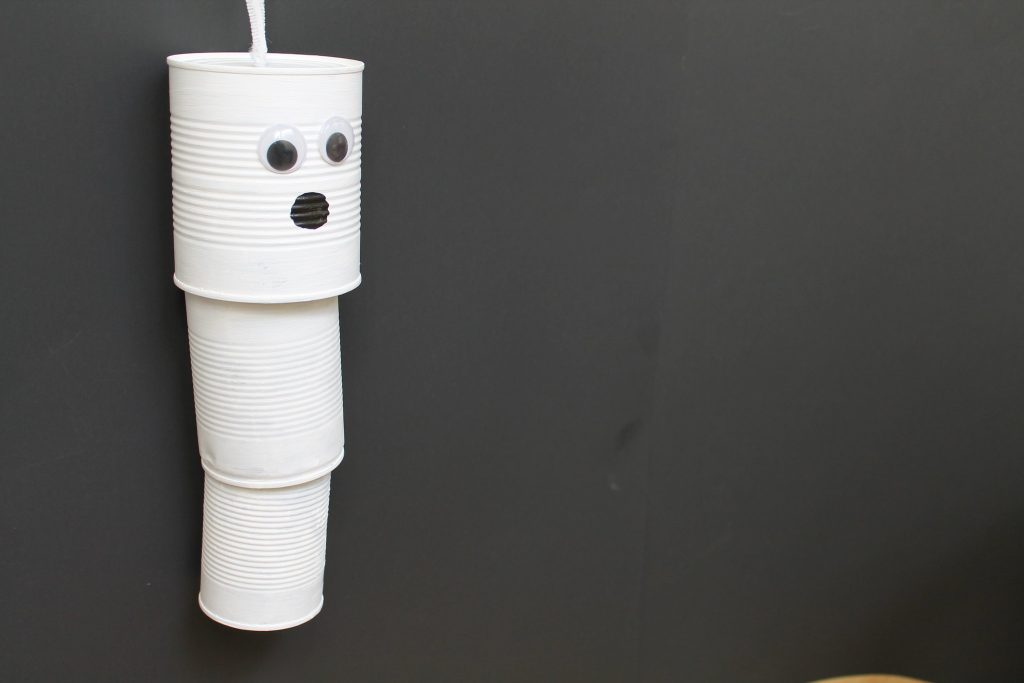
- Upcycled Card Holder: Transform an empty tin can into a charming card holder. Paint the can in bright colors and decorate it with ribbons or stickers. This holder can be used to collect Valentine’s cards and notes, adding a lovely touch to your celebration.
Earth Day Crafts
Earth Day is dedicated to environmental protection, making it an ideal time for crafts that promote sustainability and eco-awareness.
- Seed Bombs: Combine shredded paper, clay, and seeds to create seed bombs. Simply mix the ingredients, form them into small balls, and let them dry. These can be planted in gardens or around your neighborhood to promote greenery and biodiversity.
- Plastic Bottle Planters: Cut the bottom off plastic bottles to create unique planters. Paint them in vibrant colors, fill them with soil, and plant herbs or flowers. This creative use of plastic reduces waste while fostering a love for gardening.
Halloween Crafts
Halloween is all about creativity and spookiness, and recycled materials can create some fantastic decorations and costumes.
- Milk Jug Ghosts: Use empty milk jugs to make ghostly decorations. Paint the jug white, add eyes cut from black paper, and place a tea light inside for an eerie glow. Hang them around your porch or yard to create a haunting atmosphere.
- Toilet Paper Roll Monsters: Transform empty toilet paper rolls into fun monsters. Paint them with bright colors, add googly eyes, and glue on paper arms and legs. These quirky creations can be scattered around your home or used as table decorations for a Halloween party.
Thanksgiving Crafts
Thanksgiving is a time for gratitude and feasting, creating an excellent opportunity for crafts that celebrate the season’s bounty.
- Acorn Napkin Holders: Gather acorns and attach them to a recycled cardboard base to create stunning napkin holders. Simply glue the acorns onto the cardboard, allowing them to add a rustic charm to your table setting.
- Gratitude Tree: Use branches from your yard to create a gratitude tree. Paint them and place them in a pot. Attach leaves cut from recycled paper, where family members can write what they are thankful for, making it a lovely centerpiece.
Christmas Crafts
Christmas embraces the spirit of giving and joy, making it a wonderful time for recycled crafts that can be used for gifting and decoration.
- Gift Wrapping from Old Maps: Repurpose old maps or newspapers as unique gift wrap. This not only reduces waste but also adds a personal and creative flair to your presents. Tie with twine for a rustic finish.
- Homemade Ornaments: Use old CDs to create shiny ornaments. Paint them or cover them with glitter, then attach a string for hanging. These ornaments can add a touch of sparkle to your tree and are a fun project for kids.
Comparing Traditional Crafts with DIY Recycled Crafts

Traditional crafts have long been an essential part of cultural expression, using specific materials and techniques passed down through generations. As the world shifts towards sustainability, DIY recycled crafts have emerged as a powerful alternative, emphasizing creativity while addressing environmental concerns. Understanding the differences between these two approaches highlights the evolution of crafting in contemporary society.The primary distinction between traditional crafts and DIY recycled crafts lies in the materials employed.
Traditional crafting techniques typically utilize new and often specialty materials—like wood, metal, or high-quality fabrics—focused on durability and aesthetic appeal. In contrast, DIY recycled crafts repurpose discarded items, transforming everyday waste into functional or artistic pieces. This approach not only fosters innovation but also encourages crafters to think outside the box, utilizing items such as plastic bottles, cardboard, or old textiles in unexpected ways.
Sustainability of Recycled Crafts
The sustainability aspect of recycled crafts is a pivotal factor distinguishing them from conventional crafting methods. With rising concerns about environmental degradation and waste accumulation, recycled crafts offer a sustainable solution by minimizing the demand for new materials. The following points illustrate the sustainability benefits of recycled crafting:
- Reduces landfill waste by diverting items that would otherwise contribute to environmental pollution.
- Conserves natural resources by lowering the need for new materials, thus decreasing energy consumption in manufacturing.
- Encourages a circular economy where materials are reused and repurposed, fostering a more sustainable lifestyle.
Each of these aspects contributes significantly to a more eco-conscious crafting practice. By embracing recycled materials, crafters not only create unique pieces but also play a part in promoting environmental stewardship.
Aesthetic Outcomes of Recycled Crafting
The aesthetic potential of recycled crafts often results in unique and varied outcomes that differ markedly from traditional crafts. The beauty of DIY recycled crafting lies in its ability to challenge conventional design norms. Each recycled item carries its own history, adding character and depth to the finished product. For example, consider a lamp made from a repurposed glass bottle.
The shape and color of the bottle can create a distinctive light effect, while the imperfections tell its story, offering a charm that mass-produced items often lack. Additionally, the blending of various materials can yield a visually striking final product. The eclectic nature of combining disparate materials allows for creativity and individuality in crafting, resulting in pieces that stand out in any decor.
“Recycled crafts not only reflect the artist’s creativity but also their commitment to sustainability, transforming waste into art.”
Through these innovative approaches, recycled crafts not only serve a functional purpose but also promote environmental awareness and inspire others to consider the possibilities of reusing materials in their creative endeavors.
Showcasing Your DIY Recycled Crafts Online
In today’s digital age, effectively showcasing your DIY recycled crafts online can significantly enhance your visibility and engagement with a broader audience. It’s essential to not only present your finished products but also to share the creative process behind them. This creates a connection with your audience and inspires them to engage with your work.To present your recycled crafts in a visually appealing way, consider various strategies for photographing and displaying your work.
Quality images can make a significant difference in attracting attention and communicating the value of your crafts.
Photographing Your Crafts
High-quality photographs are crucial when showcasing your projects online. Here are several tips to enhance your photography skills for DIY crafts:
- Natural Lighting: Utilize natural light whenever possible. Position your crafts near a window or outdoors to capture vibrant colors and details without harsh shadows.
- Clean Background: Choose a simple, uncluttered background to make your crafts stand out. Neutral colors or wooden surfaces can often complement your creations nicely.
- Angles and Framing: Experiment with different angles—top-down shots can be great for flat lay presentations, while eye-level shots can showcase the dimensions and textures of your crafts.
- Detail Shots: Capture close-ups that highlight intricate details or unique features of your crafts. This helps potential buyers appreciate the craftsmanship that goes into each piece.
- Post-Editing: Use photo-editing tools to enhance your images, adjusting brightness, contrast, and saturation to make your crafts more visually appealing.
Creating Engaging Content for Social Media
To captivate your audience on social media, it’s important to create engaging content that not only showcases your finished products but also tells the story behind them. Here are some effective strategies:
- Process Videos: Consider creating short videos that showcase the crafting process. Time-lapses or step-by-step clips are engaging and allow viewers to see how your recycled crafts come to life.
- Behind-the-Scenes Content: Share photos or stories about your creative process, including challenges faced and solutions found. This transparency builds authenticity and relatability.
- Interactive Posts: Engage your audience with polls or questions in your posts. Ask for feedback on designs or what they’d like to see in the future, fostering a community feel.
- Showcase Customer Creations: Encourage customers to share their photos using your crafts. Reposting their images helps build credibility and creates a sense of community around your brand.
Writing Compelling Descriptions and Using Hashtags
The right descriptions and hashtags can significantly increase your reach and engagement on social media. Here’s how to create effective descriptions and select appropriate hashtags:
- Descriptive Language: Use vivid, descriptive language to paint a picture of your crafts. Highlight the materials used, the inspiration behind the design, and any unique features.
- Storytelling: Share the story behind each craft. This could include the source of the recycled materials or the personal significance of the piece, drawing in your audience emotionally.
- Call-to-Action: Include a call-to-action in your descriptions, encouraging followers to comment, share, or visit your online shop.
- Research Hashtags: Use relevant hashtags that reflect both your crafts and the broader DIY community. This includes popular tags like #RecycledCrafts, #DIYHomeDecor, and niche-specific tags related to your work.
- Mix and Match: Combine popular hashtags with less common ones to increase visibility while targeting specific audiences.
“Great photography combined with engaging content and strategic use of hashtags can transform your DIY recycled crafts into a thriving online presence.”
Overcoming Challenges in DIY Recycled Crafting
When diving into the world of DIY recycled crafting, it’s not uncommon to encounter a variety of challenges. The creative process can sometimes be hindered by the unpredictability of recycled materials, but with the right strategies and mindset, overcoming these obstacles becomes an integral part of the crafting journey. Addressing these challenges head-on not only enhances the crafting experience but also leads to innovative and unique creations.One prevalent challenge that DIY crafters face is the inconsistency in the quality and availability of recycled materials.
Sourcing items such as plastic bottles, cardboard, and old textiles can yield a mixed bag of usable and unusable materials. Crafters may find that some items are too worn out or damaged to be transformed into something new. To tackle this, it’s helpful to establish a reliable collection system. Designate a space in your home for storing potential crafting materials, ensuring they are clean and dry.
Regularly assess this stash to determine what can be repurposed effectively.
Identifying Material Limitations
Understanding the limitations of various recycled materials is essential for successful crafting. Consider the following tips to navigate these limitations:
- Assess the structural integrity of each item. For example, a cardboard box may be perfect for storage solutions, but if it shows signs of water damage, it may not hold up well in your project.
- Be flexible with your design ideas. If a particular material doesn’t work as planned, brainstorm alternative uses. An old t-shirt can transform into a tote bag or cleaning rags, depending on its condition.
- Experiment with different techniques. Some materials respond better to certain crafting methods, like using fabric glue for textiles or hot glue for plastics, which can enhance the durability of your final product.
Another challenge faced by crafters is the lack of inspiration or direction when working with recycled items. The vast array of materials can sometimes feel overwhelming. To spark creativity, keep a crafting journal where you can jot down ideas, sketches, or collected images that inspire you. This resource can be a go-to when you find yourself stuck.
Sharing Personal Experiences
Many crafters encounter obstacles that lead to unexpected yet rewarding outcomes. For instance, a friend of mine once attempted to create a garden trellis using old wooden pallets. Initially, the project seemed doomed due to the splintered and uneven pieces she had on hand. Instead of discarding the pallets, she embraced the imperfections, shaping them into a rustic design that not only served its purpose but added character to her garden.
These experiences highlight that challenges in DIY recycled crafting can often lead to surprising and delightful results. Embracing the unexpected can be the key to not only overcoming difficulties but also discovering new avenues for creativity. When faced with obstacles, remember that the journey of crafting is just as important as the final product, often teaching us valuable lessons along the way.
Ultimate Conclusion
Through the exploration of DIY recycled crafts, we discover not only the joys of creativity but also the impact we can have on our environment. By reimagining waste and engaging in crafting, we build a more sustainable future while bringing communities together. So gather your recyclable materials, unleash your creativity, and join the movement of crafting with a purpose.
Top FAQs
What types of materials can I use for DIY recycled crafts?
Common materials include cardboard, plastic bottles, old clothes, glass jars, and newspapers.
Do I need special tools to get started?
Basic tools like scissors, glue, and paint are usually sufficient for most projects.
Can DIY recycled crafts be profitable?
Yes, selling unique recycled crafts can be a rewarding venture that promotes sustainability.
Are there any safety concerns when crafting with recycled materials?
Be cautious of sharp edges or harmful substances, especially when working with glass or plastic.
How can I promote my DIY recycled crafts?
Utilize social media, local markets, and craft fairs to showcase your creations and connect with others.