
 Tamara Smith
DIY outdoor furniture opens up a world of creativity, allowing you to design and build pieces that enhance your outdoor living space. Whether you’re aiming for a rustic wooden bench or a modern metal table, the possibilities are endless. This guide will explore essential materials, innovative designs, and practical tips to help you embark on your DIY journey.
From understanding which materials can withstand the elements to discovering unique design inspirations, you’ll gain insights on how to create furniture that is not only functional but also a reflection of your personal style. Whether you’re a seasoned DIY enthusiast or a beginner looking to try your hand at building, this guide equips you with the knowledge you need to make informed decisions and bring your outdoor vision to life.
The importance of choosing the right materials for DIY outdoor furniture
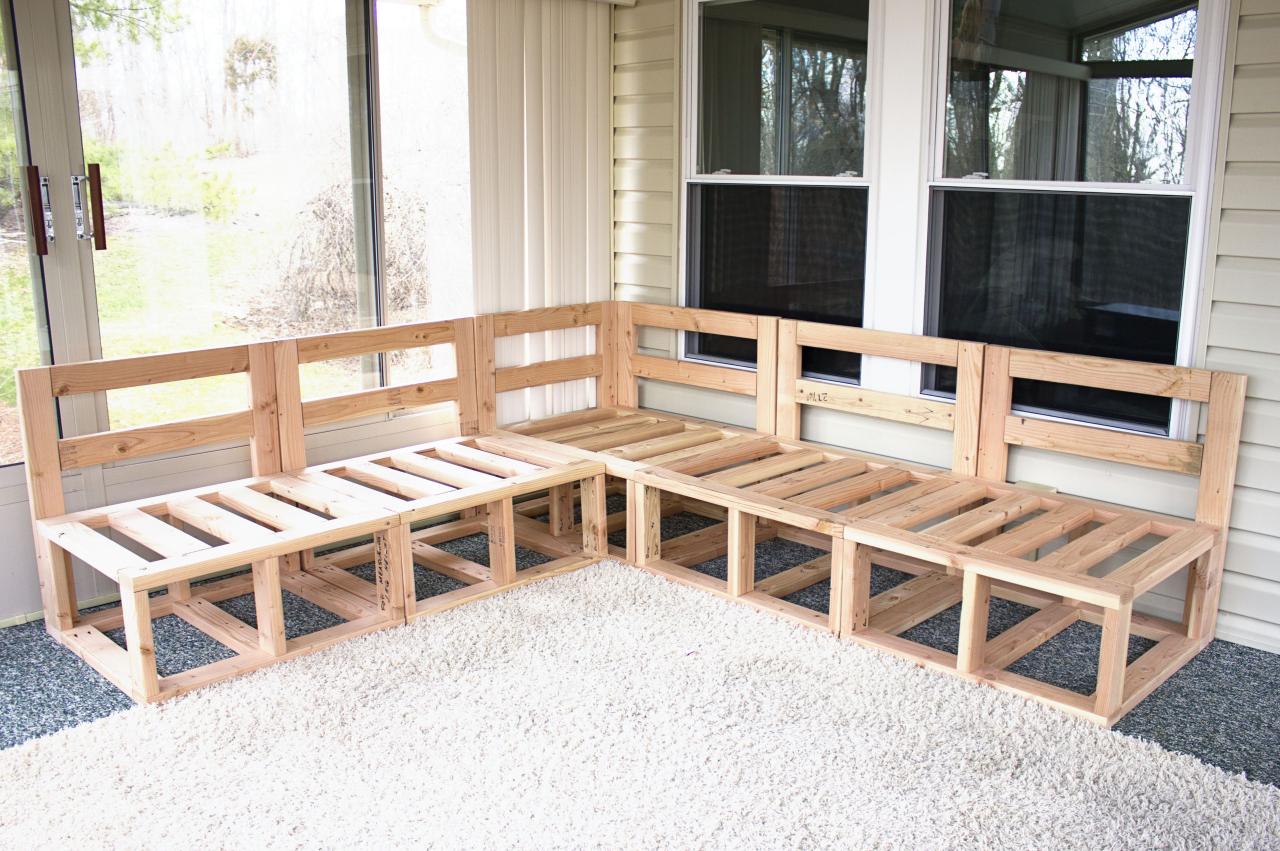
When embarking on a DIY outdoor furniture project, selecting the right materials is paramount. Outdoor furniture faces various environmental challenges, from harsh sunlight to rain and humidity. Therefore, understanding the characteristics of different materials will help you create furniture that not only enhances your outdoor space but also stands the test of time.Different materials have unique properties that determine their durability and resistance to the elements.
Wood, metal, and plastic are three popular choices for outdoor furniture, each with its own set of advantages and disadvantages. Choosing the right material depends on factors such as climate, maintenance preferences, and desired aesthetic.
Material Characteristics and Comparisons
To guide your selection process, here’s a detailed comparison of wood, metal, and plastic with their respective pros and cons.
Wood
Wood is a classic choice for outdoor furniture. It brings warmth and a natural aesthetic to your outdoor space. However, not all wood types are equally suited for outdoor use.
- Durability: Teak, cedar, and redwood are known for their weather resistance and longevity. They can withstand elements well when properly maintained.
- Weather Resistance: Treated wood can resist moisture and UV rays, but untreated wood may warp or crack.
“Properly sealed and treated wood can last for decades, but neglect can lead to quick deterioration.”
Metal
Metal furniture is often favored for its modern look and durability. Common materials include aluminum and wrought iron.
- Durability: Aluminum is lightweight and resistant to rust, making it ideal for humid climates.
- Weather Resistance: Wrought iron can last a lifetime but requires regular maintenance to prevent rusting.
“Metal furniture offers strength and longevity, particularly in well-maintained conditions.”
Plastic
Plastic furniture has gained popularity due to its affordability and low maintenance.
- Durability: High-density polyethylene (HDPE) is a strong, UV-resistant option that mimics the look of wood.
- Weather Resistance: Plastic does not warp or fade easily; however, it can be less sturdy than wood or metal.
“Plastic is a practical choice for budget-conscious DIY enthusiasts, combining ease of use with decent durability.”
In summary, each material presents distinct advantages and drawbacks for outdoor furniture. Understanding these factors will empower you to make informed choices that align with your design goals and environmental conditions.
Creative design ideas for DIY outdoor furniture
When it comes to designing DIY outdoor furniture, the key is to combine creativity with functionality while also ensuring that the pieces breathe life into your outdoor space. With an array of materials and styles available, the possibilities are endless. From modern minimalism to rustic charm, each piece can reflect personal style while serving practical purposes. This section delves into innovative design concepts, explores the world of upcycling, and highlights personalized touches that can make your outdoor furniture truly unique.
Innovative design concepts for functionality and aesthetics
Creating outdoor furniture that is not only visually appealing but also functional can be achieved through thoughtful design. Here are some unique ideas to consider:
- Modular Seating: Design a seating arrangement that can be rearranged depending on the occasion. Use interlocking pieces that can be moved around to create individual seating or a cozy sofa-style configuration. This flexibility allows the furniture to adapt to different gatherings, whether it’s a small family gathering or a larger social event.
- Convertible Tables: A table that doubles as a storage unit or even a fire pit can maximize space and utility. Consider a wooden table with a hollow interior that can hold cushions or games, or a table that can transform into a fire pit for nighttime gatherings, providing warmth and ambiance.
- Hanging Chairs: Integrate swinging or hanging chairs into your design for a fun and relaxing vibe. These can be made from repurposed materials like old pallets or durable fabric, and they add an element of playfulness to any garden or porch.
Incorporating upcycling into outdoor furniture design
Upcycling is a sustainable practice that involves turning old or discarded items into functional furniture pieces. This not only reduces waste but also allows for creative expression in design. Using materials like pallets, crates, and old furniture can lead to stunning results. Here are some inspiring examples:
- Pallet Benches: Wooden pallets can be transformed into rustic benches with minimal effort. Sand down the surface, add cushions for comfort, and finish with a weather-resistant sealant to create a chic outdoor seating option.
- Crate Tables: Stack wooden crates to form a side table or coffee table. These can be painted in vibrant colors to match your garden’s theme or left in their natural state for a more organic look. Incorporate a glass top for a sleek finish.
- Old Door Dining Set: Repurpose an old door to create a dining table paired with mismatched chairs. This eclectic style can be a conversation starter while providing a unique charm to your outdoor dining area.
Personalizing designs to fit individual tastes
Personalization is key when it comes to DIY outdoor furniture. Tailoring designs to reflect individual tastes or complement garden styles can enhance the outdoor experience. Here are some ways to achieve this:
- Custom Colors: Use paint or stain in colors that resonate with your personal style or garden aesthetics. Whether it’s vibrant hues for a modern look or earthy tones for a natural feel, color can drastically change the entire ambiance.
- Add Unique Textures: Incorporate materials like rope, fabric, or metal accents to create texture. For instance, a simple wooden bench can be enhanced with a macramé hanging or cushions covered in outdoor fabric, making it eye-catching and comfortable.
- Personalized Engravings: Consider engraving names, quotes, or designs into wooden pieces. This not only adds a personal touch but can also turn the furniture into a cherished family heirloom.
“Your outdoor furniture should reflect your personality and enhance the beauty of your garden.”
Step-by-step guide to building a simple outdoor bench
Creating your own outdoor bench can not only enhance your yard but also provide a rewarding DIY experience. This simple project is perfect for beginners, allowing you to develop essential woodworking skills while crafting a functional piece of furniture. Whether you want a cozy spot for relaxing with a book or a place to enjoy outdoor meals, this guide will help you build a sturdy and stylish bench that will last for years.Before diving into the construction, it’s crucial to understand the materials and tools needed for this project.
Proper preparation ensures that you have everything at your fingertips, making for an efficient and enjoyable building process.
Tools and Safety Equipment
To embark on this bench-building project, you will need a variety of tools and safety equipment to ensure a smooth and safe experience. Here’s a comprehensive list of what you should gather:
- Safety goggles to protect your eyes from dust and debris.
- Ear protection if you’re using power tools that are noisy.
- A dust mask or respirator to avoid inhaling wood particles.
- A tape measure to accurately measure your wood pieces.
- A circular saw or miter saw for making cuts.
- A drill with drill bits for creating pilot holes and securing screws.
- Wood screws for assembling the bench components.
- A level to ensure your bench is even.
- Sandpaper or a power sander for smoothing edges and surfaces.
- A paintbrush or roller if you plan on finishing the wood with paint or sealant.
Measuring and Cutting Materials
Accurate measuring and cutting are critical to a successful project. Begin by determining the dimensions of your bench based on your space and personal preferences. A standard outdoor bench is typically around 4 to 6 feet in length, 18 inches in height, and 18 inches in depth.
1. Measure and Cut the Boards
Start with the four legs, each measuring 18 inches.
For the seat, cut two long pieces measuring 4 to 6 feet in length and two shorter pieces measuring 18 inches for the ends.
You will also need two additional boards for the support beams, which should be cut to the same length as the seat boards.
Lastly, cut the slats for the seat from a thinner wood, each piece should measure about 2 to 3 inches wide.
2. Smoothing Edges
Use sandpaper to smooth all cut edges to prevent splinters and improve the finish of the bench.
Assembling the Bench
Once all your materials are cut and prepared, it’s time to assemble your bench. Follow these steps to ensure a sturdy construction:
1. Attach the Seat Slats
Lay out the two long seat boards parallel to each other.
Place the slats across these boards, evenly spaced, and secure them using wood screws.
2. Add Support Beams
Attach the support beams between the seat boards, positioned about 6 inches from each end. This will provide additional stability.
3. Attach the Legs
Secure the legs to the corners of the bench using screws, ensuring that they are flush with the top of the seat boards. It’s important that the legs are square to the top for stability.
4. Final Touches
Once assembled, check for any loose screws and tighten them. Sand any rough areas that might have developed during assembly.
Finish your bench with a wood sealer or paint to protect it from the elements, ensuring it looks great for years to come.
With careful measuring, cutting, and assembly, you can create a beautiful and functional outdoor bench that complements your space.
Essential finishing techniques for DIY outdoor furniture
When it comes to DIY outdoor furniture, the finishing touches are just as crucial as the construction itself. Properly treating and finishing wood not only enhances its aesthetic appeal but also significantly increases its longevity against the elements. For anyone looking to create beautiful and durable pieces for their outdoor space, understanding the various options for finishes will be paramount.Choosing the right finish for outdoor furniture is essential to ensure it withstands weather changes, humidity, and UV exposure.
Different types of stains, paints, and sealants serve distinct purposes and come with their own set of benefits. Here’s a brief overview of what you can consider for your outdoor furniture projects.
Types of Finishes Suitable for Outdoor Applications
The right finish can make all the difference in terms of durability and appearance. Below are various types of finishes recommended for outdoor furniture, along with their characteristics:
- Oil-Based Stains: These penetrate deep into the wood, providing excellent protection against moisture while enhancing the natural grain. They require periodic reapplication.
- Water-Based Stains: Quick-drying and low in odor, water-based stains offer good color retention. Although they may not penetrate as deeply, they still provide adequate protection.
- Latex Paint: Great for covering imperfections, latex paint forms a protective film that resists chipping and fading. It’s easy to clean and maintain but requires a solid primer underneath.
- Outdoor Varnishes: These are designed to withstand UV exposure, providing a tough and glossy finish. They are perfect for high-traffic areas but may need to be reapplied every year or two.
- Sealants: Clear sealants act as a barrier against moisture and UV rays. They don’t alter the color of the wood and can be applied over stains for added protection.
Achieving a professional finish requires attention to detail and proper techniques. First, always sand your wood thoroughly to create a smooth surface for applying finish. Vacuum and wipe the surface clean before the application. Apply the stain or paint in thin, even coats using a quality brush or roller, allowing adequate drying time between coats.
“Proper preparation and multiple thin coats will yield a more durable finish than a single thick coat.”
To maintain the finish over time, regularly inspect your furniture for signs of wear. Clean it with a gentle soap solution and avoid harsh chemicals that could strip the finish. Depending on the type of finish used, reapply stains or sealants as needed to keep your outdoor furniture looking fresh and vibrant.
How to maintain and care for DIY outdoor furniture
Proper maintenance and care of DIY outdoor furniture are essential to prolong its lifespan and retain its aesthetic appeal. With the right approaches tailored to the materials used, you can ensure that your furniture withstands the elements and remains a beautiful addition to your outdoor space for years to come. This guide will cover effective maintenance routines, seasonal preparations, and solutions for common issues that may arise.
Maintenance Routines
Establishing a regular maintenance routine is vital for keeping outdoor furniture in excellent condition. Here are several key practices to consider:
- Regular Cleaning: Use a gentle soap and water solution to clean surfaces every few weeks. For wooden furniture, a soft brush can help remove dirt and debris without damaging the finish. For metal and plastic surfaces, a damp cloth is usually sufficient.
- Inspecting for Damage: Regularly check for scratches, cracks, or rust, especially after harsh weather. Early detection allows for timely repairs, preventing further deterioration.
- Reapplying Protective Coatings: Wooden furniture should be treated with a sealant or stain every year to protect against moisture and UV damage. Metal furniture may require a rust-inhibiting paint if signs of corrosion appear.
Seasonal Preparations and Cleaning Methods
Adapting your maintenance routine based on the seasons can significantly affect the longevity of your outdoor furniture.
- Spring Preparation: Clean furniture thoroughly to remove winter debris. Check for any winter damage and promptly repair it. Applying a fresh coat of protective finish on wooden items will safeguard them against the oncoming summer sun.
- Summer Care: Regular cleaning is crucial during hot months, as dust and pollen can accumulate quickly. Use a mild cleaning solution and avoid abrasive cleaners that could scratch surfaces.
- Autumn Maintenance: Before winter, clean furniture and cover it if possible. For wooden pieces, consider a weatherproofing application to enhance protection against the cold and wet conditions ahead.
- Winter Storage: If feasible, store furniture indoors or in a covered area. If outdoor storage is the only option, use protective covers to shield furniture from snow, ice, and extreme temperatures.
Common Problems and Solutions
Outdoor furniture can face various challenges depending on the materials used and the environmental factors present.
- Wood Rot: Wood can become susceptible to rot when exposed to moisture. If you notice soft spots, trim away the affected area and apply a wood preservative to prevent further damage.
- Rust on Metal: Rust can form on metal surfaces due to moisture exposure. Light rust can be removed with a wire brush, followed by repainting the area with rust-resistant paint.
- Fading Colors: Prolonged sun exposure can fade finishes and colors. To combat this, store furniture in shaded areas or use UV-resistant covers when not in use.
- Mold and Mildew: High humidity can lead to mold growth on cushions or wooden surfaces. Clean affected areas with a mixture of vinegar and water; ensure thorough drying afterward to prevent recurrence.
Budget-friendly tips for DIY outdoor furniture projects
Creating your own outdoor furniture can be a rewarding experience, especially when you consider the budget-friendly options available. Many people often find themselves torn between purchasing ready-made furniture and taking on a DIY project. Understanding the cost differences and how to source materials is key to making an informed decision.The cost of ready-made outdoor furniture can sometimes be staggering, especially when considering the quality and style you desire.
For instance, a simple outdoor table from a retail store can range from $200 to $800, depending on size and material. In contrast, a DIY project could allow you to create a similar piece for as low as $50 to $150, depending on your choice of materials and tools. This significant cost difference highlights the financial benefits of opting for DIY projects.
Finding Affordable Materials and Tools
When embarking on a DIY outdoor furniture project, sourcing materials at an affordable price is essential. By exploring various options, you can find quality materials without breaking the bank. Start by visiting local home improvement stores, where sales and clearance sections can yield great finds. Look for reclaimed wood, which is not only budget-friendly but also adds character to your projects.
Upcycling old furniture is another fantastic way to save money while creating unique pieces. For example, turning an old wooden pallet into a coffee table can be both cost-effective and environmentally friendly.Additionally, consider purchasing tools that can be shared or rented. Joining a community woodworking group or workshop can provide access to equipment without the hefty price tag of ownership.
When planning your projects, aim for simplicity in design, which often reduces material costs. Focusing on straightforward builds, such as benches or tables with clean lines, can minimize waste and save on materials. Here are a few budget-friendly tips to keep in mind:
- Buy in bulk: Purchasing materials in bulk can significantly reduce costs, especially for items like screws, paint, and sealants.
- Use coupons and discounts: Look for store coupons, discounts, or loyalty programs that can help lower your overall spend.
- Join online communities: Platforms like Facebook Marketplace or Craigslist can provide access to free or low-cost materials from others looking to declutter.
By applying these strategies, you can successfully complete your DIY outdoor furniture projects without overspending, ensuring your outdoor space remains stylish and functional on a budget.
Incorporating functionality into outdoor furniture designs
Creating outdoor furniture that combines aesthetic appeal with practical functionality is essential for maximizing space and enhancing the outdoor experience. Whether you’re looking to host gatherings, relax with family, or simply enjoy nature, designing multifunctional pieces will ensure your outdoor area is both stylish and useful. By incorporating seating, storage, and decorative elements, you can create an inviting and efficient environment.
Multifunctional furniture pieces not only save space but can also serve various purposes, making them a smart choice for outdoor living. For example, a bench that doubles as storage can hold cushions, gardening tools, or games, effectively minimizing clutter while providing a comfortable seating area. This approach allows you to enjoy the outdoors without sacrificing the functionality of your space.
Combining seating, storage, and decorative elements
When designing outdoor furniture, it is crucial to integrate different functions cohesively. Combining seating with storage provides practical solutions while enhancing the overall aesthetic. Here are some ideas to consider:
- Storage Benches: Construct benches with hollow compartments underneath the seat. These can be used to store outdoor cushions, blankets, or children’s toys, keeping your outdoor area tidy.
- Ottomans with Hidden Storage: Use ottomans that flip open to reveal storage space. They can function as additional seating, a footrest, or a coffee table while securely storing items inside.
- Coffee Tables with Shelves: Incorporate coffee tables designed with lower shelves or drawers. This allows for the storage of books, games, or decorative items, creating a visually appealing centerpiece.
Integrating decorative elements, such as planters or art pieces, into functional furniture can enhance the overall design. For instance, a table with integrated planter boxes can offer greenery while serving as a dining or coffee table.
Technology integration in outdoor furniture
As the outdoor living experience evolves, incorporating technology into furniture design has become increasingly popular. Here are several innovative ideas to consider:
- Charging Stations: Design tables or benches that include built-in USB ports or wireless charging pads. This allows guests to charge their devices while enjoying the outdoors without the hassle of extension cords.
- Lighting Features: Install LED lights in furniture pieces such as benches or tables. Soft lighting can create a cozy atmosphere for evening gatherings, enhancing the outdoor ambiance.
- Bluetooth Speakers: Furniture that integrates Bluetooth speakers can transform your outdoor space into an entertainment hub. This allows you to play music or connect to devices without additional clutter.
Incorporating these technological elements not only increases the functionality of your outdoor furniture but also enhances user experience, making your outdoor area more enjoyable and convenient.
Safety precautions during DIY outdoor furniture projects
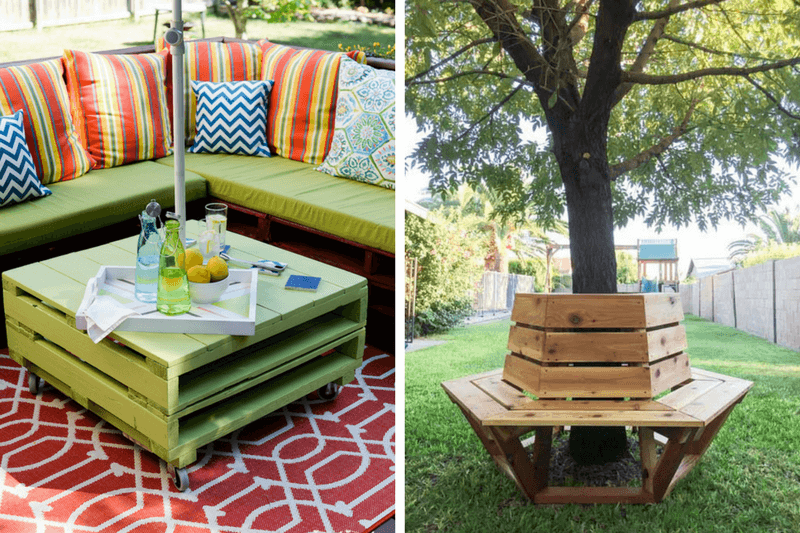
When diving into DIY outdoor furniture projects, safety should always be a top priority. Working with various tools and materials can pose risks, so taking the necessary precautions ensures not only your safety but also the quality of your finished product. By understanding the potential hazards and implementing safety measures, you can enjoy your crafting experience while minimizing risks.
Essential safety measures for tool use
Utilizing tools safely is crucial during any DIY project. Whether you’re using power tools or hand tools, adhering to safety guidelines can significantly reduce the likelihood of accidents. Here are some important measures to follow:
- Always wear personal protective equipment (PPE), such as safety goggles, gloves, and ear protection. These items help shield your eyes, hands, and ears from potential harm.
- Ensure tools are in good working condition before use. Dull blades or malfunctioning parts can increase the risk of accidents.
- Read and follow the manufacturer’s instructions for each tool. Understanding operational procedures can prevent mishaps.
- Keep your workspace organized. Clutter can lead to trips and falls, posing a danger while working with sharp or heavy materials.
- Be mindful of your surroundings. Make sure children and pets are at a safe distance from your working area to prevent accidental injuries.
Common hazards and accident prevention
Identifying common hazards in DIY projects can help you take proactive measures to avoid accidents. Here are several risks associated with DIY projects and strategies to stay safe:
- Injuries from sharp tools or materials, such as saws or screws, can be minimized by handling them carefully. Always cut away from your body and store tools properly when not in use.
- Slips and falls are frequent in workshops. Use non-slip footwear, keep floors clean, and ensure adequate lighting to maintain visibility.
- Electrical hazards can arise when using power tools. Always check cords for frays, and avoid working in wet conditions. If you’re using extension cords, ensure they are rated for outdoor use.
- Exposure to harmful chemicals, such as paints or sealants, necessitates proper ventilation. Always work outdoors or in a well-ventilated area to minimize inhalation risks.
The importance of ventilation during material use
Working with certain finishes and materials requires a focus on ventilation to ensure safety. Proper airflow helps disperse harmful fumes released during the application of paints, stains, and adhesives. Poor ventilation can lead to health issues, including headaches, dizziness, or respiratory problems. Using a fan or setting up in an open space can enhance airflow. Additionally, it’s wise to choose low-VOC products, which release fewer harmful chemicals, thereby promoting a safer environment.
Always prioritize ventilation when working with materials that emit fumes; it’s vital for your health.
Good ventilation not only protects your health but also helps the materials cure more effectively, ensuring a durable finish for your outdoor furniture. Remember, safety isn’t just about preventing accidents; it’s about creating a workspace that fosters creativity and enjoyment.
Closing Notes
In conclusion, creating your own outdoor furniture is a rewarding venture that combines creativity and practicality. By selecting the right materials, employing innovative designs, and following proper maintenance routines, you can ensure your furniture remains vibrant and functional for years to come. Start your DIY project today, and transform your outdoor space into an inviting retreat that showcases your personal touch.
Frequently Asked Questions
What types of wood are best for outdoor furniture?
Teak, cedar, and redwood are excellent choices due to their natural resistance to moisture and pests.
How can I upcycle old furniture for outdoor use?
Consider giving old wooden furniture a fresh coat of weather-resistant paint or adding new cushions to enhance comfort and style.
What tools do I need for a basic DIY outdoor project?
Basic tools like a saw, drill, measuring tape, and sandpaper are essential for most projects.
How do I protect my furniture during the winter?
Store your furniture in a dry place or cover it with breathable outdoor furniture covers to shield it from snow and moisture.
Can I use indoor furniture outside?
It’s not recommended as indoor furniture is not designed to withstand outdoor conditions and may deteriorate quickly.