
 Tamara Smith
Budget DIY ideas provide a fantastic opportunity to revitalize your living spaces without breaking the bank. Whether you’re looking to enhance your home’s aesthetics, improve organization, or embark on creative outdoor projects, there are numerous ways to achieve a stylish and functional home on a budget.
These ideas not only save money but also allow for personal expression and creativity. From upcycling household items into clever storage solutions to crafting unique decorations, the possibilities are endless and can be tailored to fit any style or need.
Budget DIY ideas for home decor can transform spaces inexpensively.
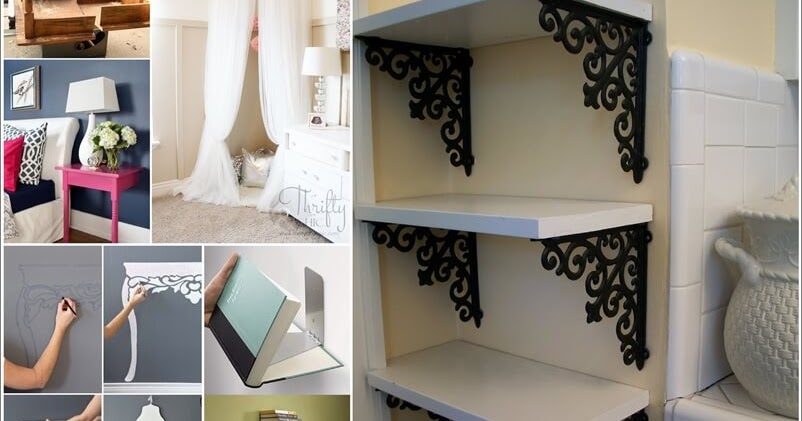
Creating an inviting and aesthetically pleasing home doesn’t have to break the bank. With a touch of creativity and a willingness to get your hands a little dirty, you can revitalize your living space through budget-friendly DIY projects. These ideas not only enhance your home’s appeal but also offer a personal touch that store-bought decor often lacks. Below are some innovative projects that can transform your home without stretching your wallet.
Wall Art Using Canvas and Paint
One of the easiest ways to refresh a room is by adding unique wall art. You can create stunning canvas art using just a few inexpensive supplies. To embark on this project, you will need:
- Blank canvases (available for around $5 each at craft stores)
- Acrylic paints (costing approximately $1-2 per bottle)
- Brushes and palette knives (around $5 for a set)
Optional
sponges or stencil brushes for texture
Painting your own abstract designs or landscapes can inject personality and color into your space. Consider using a color palette that complements your existing decor for a cohesive look. If you’re not confident in your painting skills, look for inspiration online or use stencils to guide your designs.
Upcycled Furniture for a Fresh Look
Giving old furniture a new life is a great way to save money and make your home feel unique. Upcycling involves transforming discarded furniture into something beautiful and functional.Key steps and materials include:
- Sandpaper (about $5 for a pack)
- Paint or wood stain (around $10 per quart)
- Paintbrushes or rollers (costing around $5)
Optional
new hardware such as knobs or handles (starting from $2 each)
An example of this project could be an old dresser that you can sand down and repaint in a trendy color. Adding new hardware can elevate the piece further. This approach not only saves money but also reduces waste, providing a sustainable option for decorating your home.
Creating Cozy Throw Pillows
Throw pillows are an affordable way to add texture and comfort to your living spaces. Instead of buying expensive ones, consider making them yourself.Materials needed include:
- Fabric (look for remnants or discount fabric, often priced at $3-5 per yard)
- Pillow insert or old pillows to recycle (around $10-15)
- Needle and thread or a sewing machine (if you have one)
A simple envelope pillow cover can be sewn with basic sewing skills, allowing you to choose fabrics that match your aesthetic. You can also repurpose old clothes or linens into pillow covers for an even more budget-friendly option.
DIY Shelves from Wooden Crates
Wooden crates can serve as stylish storage and display solutions for any room. They are often available at hardware or craft stores for a reasonable price, typically around $10 each.To create functional wall shelves, follow these steps:
- Purchase a few wooden crates.
- Sand them down if needed and paint or stain them to your liking.
- Mount them on the wall using brackets or screws.
These shelves can be used to showcase books, plants, or decorative items, adding both functionality and style to your walls.
Exploring budget DIY organization solutions can help declutter living spaces.
Creating a tidy and organized living space doesn’t have to come with a hefty price tag. With some creativity and basic crafting skills, you can make your own storage solutions that are both functional and appealing to the eye. These budget DIY organization hacks can not only help you declutter but also add a personal touch to your home decor.When it comes to organizing your spaces, everyday items that might otherwise be discarded can be transformed into practical storage solutions.
By using these household items creatively, you can maximize your space while keeping things stylish. Below are some popular DIY methods that can help you achieve the organization you desire.
Repurposing Household Items for Storage
Repurposing items around your home is an excellent way to create storage solutions without additional expenses. Here are a few creative ideas to consider:
- Glass Jars: Instead of throwing away old glass jars, use them to store small items like buttons, screws, or craft supplies. A simple wash and label can turn them into chic storage pieces.
- Wine Crates: These versatile crates can be stacked to create a unique shelving unit for books, plants, or toys. A coat of paint can give them a fresh look that complements your decor.
- Cereal Boxes: Transform cereal boxes into stylish drawer organizers for your office supplies. Cut them down to size and cover them with decorative paper for a customized touch.
- Old Fabrics: Use leftover fabric to create fabric bins or baskets for storing toys or blankets. A simple sewing pattern can guide you to make bins that match your room’s color scheme.
- Hangers: Use clip hangers to organize scarves or accessories. This method keeps them visible and easy to access, reducing clutter in drawers.
Once you choose which household items to repurpose, follow these simple steps to create your custom storage solutions:
1. Gather Materials
Collect the items you wish to repurpose along with any additional supplies needed (e.g., paint, fabric, glue).
2. Clean and Prepare
Thoroughly clean your items to ensure they are ready for use.
3. Design and Customize
Plan how you want to use and decorate the items. Sketch ideas if necessary.
4. Construct
Follow through with the creation process, whether it’s painting, sewing, or assembling. Make sure everything is secure and safe for use.
5. Organize
Place the storage solutions in their designated areas and fill them with the items you wish to organize.By implementing these methods and strategies, you can create an organized and aesthetically pleasing living environment that reflects your personal style while being budget-friendly.
Budget DIY outdoor projects can improve exterior spaces with minimal expense.
Transforming your outdoor space into a beautiful retreat doesn’t have to cost a fortune. With a bit of creativity and effort, budget DIY outdoor projects can enhance the aesthetic appeal of your yard or garden, providing a welcoming atmosphere for both you and your guests. In this segment, we’ll explore landscaping ideas that beautify your exterior areas, the importance of seasonal planning for these projects, and a list of cost-effective plants and materials to bring your vision to life.
DIY Landscaping Ideas for Affordable Outdoor Spaces
Landscaping doesn’t have to be an expensive endeavor. There are many affordable alternatives to expensive landscaping services. Simple projects, such as creating a garden path with stones or gravel, can add character to your outdoor space without draining your wallet. Another idea is to use recycled materials, like wooden pallets or old bricks, to create raised garden beds or seating areas.Consider planting your own flower garden.
Choose native plants that thrive in your local climate as they typically require less maintenance and water. Implementing a vertical garden using repurposed wooden pallets not only saves space but also adds greenery to walls, making your outdoor area feel more alive.
Seasonal Planning for Outdoor Projects
Planning your outdoor projects according to the seasons can lead to better results and cost-effectiveness. Spring is an ideal time to start planting new flowers and vegetables, while fall is perfect for planting perennials and preparing your garden for winter. Understanding seasonal cycles helps in executing projects at the right time, ensuring that plants have the best chance to thrive.Make a seasonal checklist at the beginning of each season.
For example, in spring, focus on weeding, planting seeds, and fertilizing the soil. In summer, your attention can shift to maintenance tasks like watering and pest control. Autumn can be dedicated to harvesting crops, planting bulbs for spring, and cleaning garden beds. Winter is the perfect time for planning and gathering materials for the upcoming projects.
Cost-effective Plants and Materials for Outdoor Projects
Utilizing budget-friendly plants and materials can significantly reduce the costs of your outdoor projects. Here’s a list of affordable options to consider:
- Native Plants: Local flora, such as coneflowers, black-eyed Susans, and daylilies, require less water and care.
- Perennials: Invest in perennials like hostas or peonies that bloom year after year without needing replanting.
- Herbs: Grow herbs such as basil, rosemary, and mint in pots or garden beds for culinary use.
- Mulch: Use wood chips or straw as a cost-effective way to retain moisture and prevent weeds.
- Recycled Materials: Collect bricks, stones, or wood from construction sites or neighbors for paths and borders.
- Painted Rocks: Create unique garden decor with painted rocks, adding personality with minimal expense.
Implementing these ideas not only enhances the beauty of your outdoor space but also makes use of available resources, demonstrating sustainability and creativity in your landscaping endeavors.
Budget DIY crafts can be engaging activities for families and individuals alike.
Crafting is a wonderful way to bring families and friends together, providing a creative outlet that is both enjoyable and affordable. Budget DIY crafts not only stimulate the imagination but also promote teamwork and bonding among participants. Whether you’re looking to spend quality time with loved ones or seeking a solo project to unwind, crafting can meet your needs while being kind to your wallet.Exploring budget-friendly crafting options can lead to countless creative opportunities.
Using recycled or low-cost materials not only helps reduce waste but also encourages innovative thinking. Crafting with everyday items can be fulfilling, allowing you to create unique pieces that reflect your personality and style. Here are some delightful ideas for crafts using materials that are easily accessible and economical.
Creative craft ideas using recycled or low-cost materials
Engaging in crafts made from reclaimed or inexpensive materials can spark creativity and sustainability. Below are some imaginative ideas that you can try:
- Toilet Paper Roll Art: Transform empty toilet paper rolls into adorable animals or decorative vases. Simply cut, paint, and glue to create various shapes.
- Glass Jar Lanterns: Recycle old glass jars into charming lanterns. Decorate them with paint, twine, or tissue paper and place a tealight candle inside for a cozy glow.
- Fabric Scrap Banners: Use leftover fabric to create colorful banners. Cut fabric into triangles, string them together, and hang them as festive decorations for any occasion.
- Egg Carton Flowers: Turn egg cartons into beautiful flowers by cutting them into petals, painting them, and attaching them to a stick or straw for a fun garden display.
- Plastic Bottle Planters: Cut plastic bottles in half, decorate the outside, and use them as planters for small herbs or flowers.
These projects not only utilize materials that are typically discarded but also provide a fun way for families and individuals to bond and express their creativity.
Hosting a budget-friendly craft night
Organizing a craft night is a fantastic way to channel creativity among friends and family without breaking the bank. Here’s a detailed guide on how to host an enjoyable and entertaining budget-friendly craft night:Start by deciding on a theme for your craft night. Themes like “Nature Crafts” or “Upcycled Creations” can set the tone and guide your material selection. Next, send out invites and ask your guests to bring along any craft supplies they might have at home.
This can include scissors, glue, paint, or even discarded items that can be repurposed.Prepare a crafting area with tables and chairs to accommodate your guests comfortably. Lay out all the materials you’ve gathered to make it easy for everyone to access what they need. Set up a snack station with simple, affordable treats like popcorn, fruit, or cookies to keep everyone energized.As the night progresses, encourage everyone to share ideas and techniques.
It’s a great opportunity for learning and inspiration. You can also set aside time for each participant to showcase their finished crafts, fostering appreciation for individual creativity.
Budget DIY renovations can significantly enhance property value without high costs.
Renovating your home on a budget doesn’t just improve your living space; it can also lead to a significant increase in property value. With careful planning and a little creativity, you can tackle various projects that yield high returns without breaking the bank. Here, we’ll explore key areas of your home that can be transformed economically and offer practical steps for executing simple renovations.
Key Areas for Budget Renovations
Focusing on specific areas of your home can maximize the impact of your renovations. Here are the top areas to consider for budget-friendly renovations, along with their potential returns on investment (ROI):
- Kitchen: Minor updates like painting cabinets and replacing hardware can yield an ROI of around 80%.
- Bathroom: Simple upgrades such as re-grouting tiles or replacing fixtures can provide a return of up to 70%.
- Curb Appeal: Landscaping and painting the front door can improve your home’s value by as much as 20%.
- Flooring: Upgrading worn-out flooring with laminate or vinyl can return around 75% on your investment.
- Interior Paint: A fresh coat of paint can dramatically change the look and feel of your home, with an ROI of about 70%.
Step-by-Step Processes for Simple Renovations
Starting any renovation can seem daunting, but breaking it down into manageable steps helps simplify the process. Here’s a detailed look at two impactful DIY renovations: painting and flooring upgrades.
Painting
1. Preparation
Clear the room of furniture and cover floors with a drop cloth. Use painter’s tape to protect edges.
2. Choose Your Color
Select a color that complements your home’s style and mood. Neutral tones often appeal to a broader audience.
3. Priming
Apply a coat of primer to ensure better paint adherence and coverage, particularly on previously unpainted or darker surfaces.
4. Painting
Use high-quality brushes or rollers. Start with the edges before rolling on larger areas.
5. Finishing Touches
Remove painter’s tape while the paint is still slightly wet to avoid peeling. Touch up any areas as needed.
Flooring Upgrades
1. Select Flooring Type
Choose between affordable options like laminate, luxury vinyl, or even peel-and-stick tiles.
2. Preparation
Remove old flooring and clean the subfloor.
3. Installation
Follow the manufacturer’s instructions carefully. For laminate, start from one corner and work towards the exit, ensuring planks are snugly fit.
4. Finishing Touches
Install baseboards or trim to give a polished look.
Tips for Hiring Professionals on a Budget
When certain tasks fall outside your skill set, hiring professionals can still be done within budget. Here are some tips to keep costs low while hiring help:
- Get Multiple Quotes: Reach out to several contractors to compare prices and services.
- Ask for Recommendations: Seek referrals from friends or family who have had positive experiences with local professionals.
- Negotiate Costs: Don’t hesitate to discuss your budget with potential hires; many professionals are willing to adjust their services to fit your needs.
- Consider Off-Peak Times: Scheduling work during slower seasons can sometimes yield lower rates and better availability.
- Check Credentials: Ensure that any professional you hire holds the necessary licenses and insurance to avoid future issues or added costs.
Budget DIY holiday decorations can bring festive cheer to any home without overspending.
Creating your own holiday decorations is a fun and cost-effective way to celebrate throughout the year. Not only do DIY decorations allow for personal expression, but they can also help you save money compared to store-bought options. With a little creativity and resourcefulness, you can craft beautiful decor that embodies the spirit of each holiday while adding a unique touch to your home.Homemade holiday decorations help foster a warm and inviting atmosphere that store-bought items often lack.
The process of making decorations can also become a cherished tradition that brings family and friends together. Seasonal crafts not only enhance your living space but also allow for personalization, making each holiday feel special and memorable. Here are some budget-friendly ideas to get you started.
Creative decoration ideas for various holidays
When planning your holiday decorations, it’s essential to consider ideas that are both creative and easy to execute. Here’s a list of budget-friendly decoration ideas for various holidays:
- New Year’s Eve: Create a DIY photo booth with festive props using cardboard, glitter, and string lights. Set up a sparkling countdown clock using a simple cardboard circle covered in metallic paint.
- Valentine’s Day: Make heart-shaped garlands from repurposed paper or fabric. Use old book pages or leftover wrapping paper for a unique twist.
- St. Patrick’s Day: Craft shamrock centerpieces using green construction paper or felt. You can even create a mini rainbow with colorful paper for a whimsical touch.
- Fourth of July: Decorate with red, white, and blue bunting made from fabric scraps. Use mason jars filled with wildflowers as table centerpieces.
- Halloween: Create spooky decorations with DIY paper lanterns. Use orange and black paper to make bats and spiders that can be hung around the house.
- Thanksgiving: Design a gratitude tree using branches collected from your yard. Attach paper leaves where family members can write what they are thankful for.
- Christmas: Make ornaments from salt dough or dried orange slices for a fragrant touch. String popcorn and cranberries to create a classic garland.
Planning your DIY decorations in advance can help you stay organized and ensure that you capture the festive spirit without the last-minute rush. Below is a seasonal calendar outlining when to start planning and executing your decorations:
Seasonal calendar for DIY decorations
Proper timing is crucial for effective and stress-free holiday decorating. Here’s a simple calendar to help guide your planning:
| Month | Holiday | Planning Start | Execution Start |
|---|---|---|---|
| December | Christmas | Early November | Late November |
| November | Thanksgiving | Mid-October | Early November |
| October | Halloween | Early September | Late September |
| July | Fourth of July | Early June | Late June |
| February | Valentine’s Day | Early January | Late January |
| March | St. Patrick’s Day | Late February | Early March |
| December | New Year’s Eve | Early December | Mid-December |
By following this calendar, you can ensure that you have ample time to gather materials, plan your projects, and enjoy the crafting process.
Homemade decorations are key to creating a personalized holiday atmosphere that reflects your unique style and warmth.
Budget DIY kitchen upgrades can lead to improved functionality and style.
Upgrading your kitchen doesn’t have to break the bank. With a few clever DIY ideas, you can transform your kitchen space, enhancing both its functionality and aesthetic appeal without spending a fortune. Small changes, like a fresh coat of paint or the addition of a simple kitchen island, can breathe new life into your cooking space, making it more enjoyable and efficient.Implementing budget-friendly upgrades can significantly elevate not only the visual appeal of your kitchen but also its practicality.
Simple modifications can lead to improved organization, better workspace utilization, and a more inviting atmosphere. These enhancements often increase your home’s value as well, making them a smart investment.
Methods for Repainting Cabinets and Building a Kitchen Island
Repainting cabinets and constructing a kitchen island can be accomplished with minimal materials and tools, making them approachable DIY projects.Repainting cabinets involves the following steps:
1. Preparation
Remove cabinet doors and hardware. Clean surfaces thoroughly to eliminate grease and grime.
2. Sanding
Lightly sand the surfaces to create a texture that the paint can adhere to effectively.
3. Priming
Apply a primer designed for kitchen cabinets to ensure the longevity of your paint job.
4. Painting
Use a high-quality paint, preferably in a semi-gloss or satin finish for durability. Two coats are usually recommended for a rich, even color.
5. Finishing Touches
Once dry, reattach hardware and doors, and enjoy your refreshed cabinets.Building a kitchen island can be done with basic materials:
1. Materials Needed
A few sheets of plywood, some 2×4 lumber, screws, sandpaper, and paint or stain.
2. Construction
Create a rectangular frame using the 2x4s as the base.
Attach plywood to the top for a sturdy surface.
Optionally, add shelves or a lower level for additional storage.
3. Finishing
Sand down any rough edges and apply paint or stain to match your kitchen decor.
Cost Breakdown of Typical Kitchen Upgrades
Understanding the potential costs of kitchen upgrades can help you budget effectively. Here’s a breakdown of some common projects and their estimated costs:| Upgrade Type | Estimated Cost Range ||—————————-|———————-|| Cabinet Repainting | $50 – $200 || Kitchen Island (DIY) | $100 – $300 || New Hardware for Cabinets | $30 – $100 || Backsplash Installation | $200 – $600 || Lighting Fixtures | $50 – $150 |Each of these upgrades can be tailored to fit a variety of budgets, allowing you to prioritize changes that will have the most impact on your kitchen space.
“Even small budget upgrades can drastically change the feel and function of your space.”
End of Discussion
In conclusion, embracing Budget DIY ideas can significantly enhance your home while keeping costs low. With a little creativity and resourcefulness, you can transform spaces, create functional solutions, and engage in enjoyable projects that bring joy and satisfaction. So gather your materials, unleash your creativity, and start your DIY journey today!
Helpful Answers
What are some budget-friendly DIY materials?
Common budget-friendly materials include recycled items, thrift store finds, and low-cost supplies like paint, fabric, and wood scraps.
Can I DIY home renovations without professional help?
Yes, many simple renovations can be done independently, such as painting or installing new fixtures, as long as you research and follow guidelines.
How do I find budget DIY inspiration?
Online platforms like Pinterest, DIY blogs, and YouTube channels are excellent resources for finding creative and budget-friendly project ideas.
What should I consider when planning a DIY project?
Consider your budget, the time required, the skills needed, and the space available for the project.
Are there any safety tips for DIY projects?
Always wear protective gear, read instructions carefully, and ensure proper ventilation when working with tools or chemicals.