
 Tamara Smith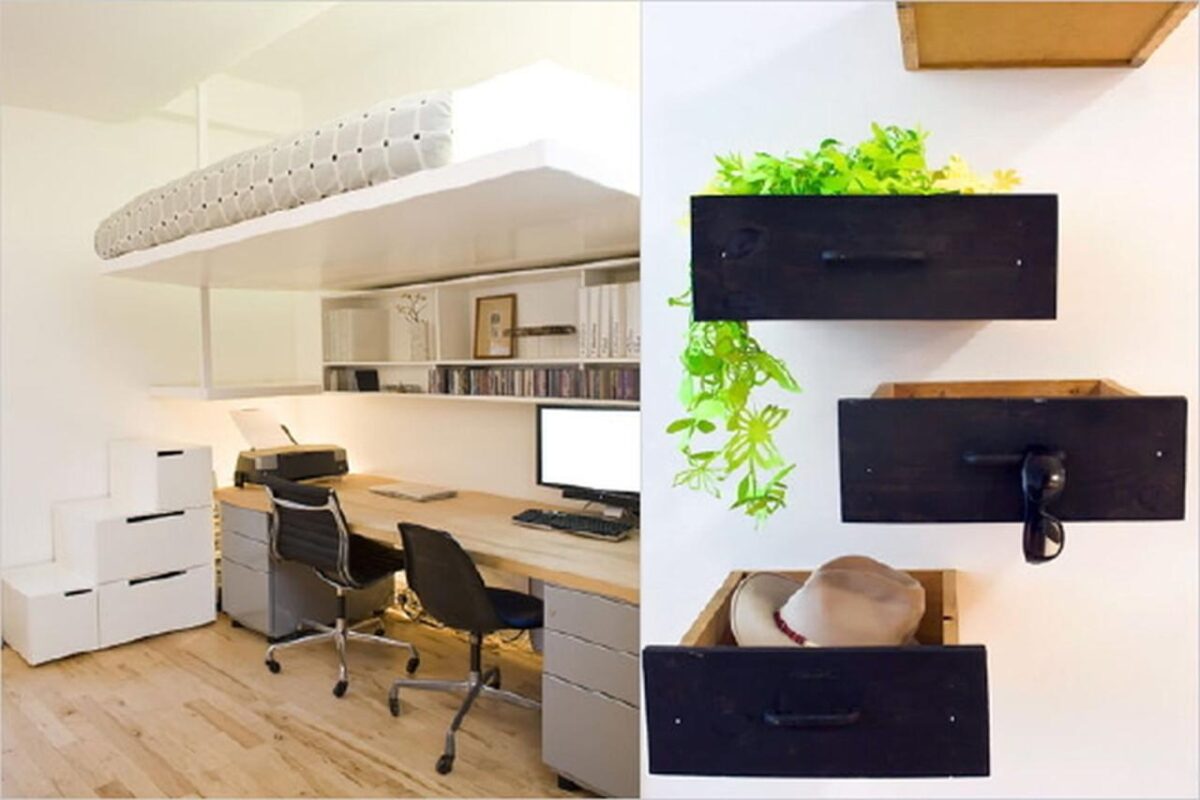
Welcome to the world of DIY home decor ideas, where creativity meets functionality in the most delightful ways. Whether you’re living in a cozy apartment or a spacious house, transforming your living space can be both enjoyable and rewarding. From small-space solutions to budget-friendly projects, there’s something for everyone looking to add a personal touch to their home.
In this guide, we will explore various innovative approaches to home decor that not only enhance aesthetics but also reflect your personal style. We’ll cover everything from seasonal decorations and sustainable upcycling to the psychological impacts of color theory and the integration of technology in your decor projects.
Explore creative DIY home decor ideas for small spaces.
Decorating small spaces can often feel like a daunting task, but with the right approach, it can be a rewarding and enjoyable experience. The key lies in maximizing every inch available while maintaining a cohesive and stylish aesthetic. Small spaces come with their own set of challenges—limited room for furniture, potential clutter, and the need for lots of storage. This guide will explore innovative DIY ideas that not only enhance the visual appeal of your small area but also offer practical solutions to make the most of your space.
Challenges and Solutions for Decorating Limited Areas
When it comes to small spaces, the primary challenge is balancing functionality with aesthetics. Traditional decor often requires more room, leading to clutter in tight areas. However, there are effective strategies to overcome these obstacles.
- Color Choices: Light colors can make a small room feel bigger and brighter. Consider using soft pastels or crisp whites on the walls, complemented by pops of color in decor items.
- Mirrors: Strategically placing mirrors can create the illusion of depth and space. A large mirror on one wall can reflect natural light, making the area feel more open.
- Vertical Storage: Utilize wall space by adding shelves or floating cabinets. This not only keeps the floor clear but also draws the eye upward, enhancing the perception of height.
Innovative Examples that Maximize Space Efficiency
Incorporating clever decor elements can transform a cramped area into a stylish retreat. Here are a few innovative examples that can enhance your small space while being functional:
- Foldable Furniture: Choose foldable tables and chairs that can be tucked away when not in use. This allows flexibility for gatherings while keeping your space open.
- Wall-Mounted Desks: A wall-mounted desk can serve as a workspace without sacrificing floor space. When not in use, it can be folded down to keep the area uncluttered.
- Multi-Use Ottomans: An ottoman that serves both as seating and storage can be a game changer. Opt for one that opens up to store blankets or books, providing both comfort and utility.
Methods to Incorporate Multi-Functional Furniture
Multi-functional furniture plays a crucial role in small space living. It allows you to maximize the utility of each item while minimizing clutter.
- Sofa Beds: A sofa that converts into a bed is ideal for accommodating guests, especially in studio apartments where space is limited.
- Storage Beds: Beds with built-in drawers or compartments help keep your belongings out of sight, allowing for a tidy environment.
- Modular Furniture: Modular sofas can be rearranged to fit the space you have. They can also be expanded or reduced based on your current needs.
“The goal of decorating a small space is not only to make it look good but also to create a functional, welcoming environment.”
Incorporating these strategies and examples into your home decor can transform even the smallest spaces into stylish and functional areas. By embracing DIY ideas and multi-functional furniture, you can create a space that feels larger and more inviting, without sacrificing style for space.
Identify budget-friendly DIY home decor projects for beginners.
Creating a welcoming and stylish home environment doesn’t have to break the bank. There are numerous DIY home decor projects that are not only easy to undertake but also require minimal investment. These projects can transform your space dramatically and are perfect for beginners eager to express their creativity without spending a fortune.When considering budget-friendly DIY home decor projects, it’s important to focus on ideas that utilize inexpensive materials and simple techniques.
Here’s a list of some impressive projects that yield great results without putting a strain on your wallet.
List of Budget-Friendly DIY Projects
The following projects are ideal for beginners and can significantly enhance the aesthetics of any room while being easy on the pocket.
- Painted Flower Pots: Using clay pots and acrylic paint, you can create personalized plant holders to brighten up your indoor or outdoor space.
- Photo Wall Collage: Gather your favorite photos and create a visually appealing collage using a mix of frames or simply string them up with clothespins.
- Fabric Wrapped Bulletin Board: Recycle an old corkboard by wrapping it in your favorite fabric pattern, instantly adding a pop of color to your workspace or kitchen.
Step-by-Step Process for Selected Projects
Here are three specific DIY projects explained in detail, providing a clear roadmap for completion.
Painted Flower Pots
1. Materials Needed
Clay flower pots
Acrylic paints
– Paintbrushes Sealer (optional)
2. Steps
Start by cleaning the clay pots to remove any dust.
Choose your paint colors and begin painting the pots with a base coat.
Once dry, add designs using different colors, such as stripes, polka dots, or floral patterns.
Allow the paint to dry completely; apply a sealer for extra durability if desired.
Plant your favorite flowers or herbs, and display them proudly.
Photo Wall Collage
1. Materials Needed
A collection of printed photos
Various frames (or washi tape for a frame-less look)
A level and tape measure
2. Steps
Lay out the photos on the floor to determine your desired arrangement.
Measure the wall space where you intend to hang the collage.
Start hanging the frames using nails or wall adhesive strips, ensuring they are level.
For a more casual look, you can use washi tape to attach the photos directly to the wall.
Step back and admire your unique display!
Fabric Wrapped Bulletin Board
1. Materials Needed
An old corkboard
Fabric of your choice
Staple gun or hot glue
Scissors
2. Steps
Cut the fabric to a size slightly larger than the corkboard.
Place the fabric face down, and position the corkboard on top.
Pull the fabric over the edges of the board and secure it on the back using a staple gun or hot glue.
Trim any excess fabric for a neat finish.
Hang the bulletin board in your chosen location and use it to display notes, photos, or reminders.
Essential Tools and Materials
Before diving into these projects, it’s helpful to have a basic toolkit ready. Essential tools and materials include:
- Paintbrushes (various sizes)
- Scissors
- Hot glue gun and glue sticks
- Staple gun
- Level and measuring tape
- Acrylic paints in assorted colors
- Variety of fabrics, frames, or decorative items
Budget-friendly DIY home decor projects offer a wonderful way to customize your living space while developing valuable crafting skills. With a little creativity and the right materials, you can create beautiful and personal touches that reflect your unique style.
Share unique seasonal DIY home decor ideas to refresh your space.
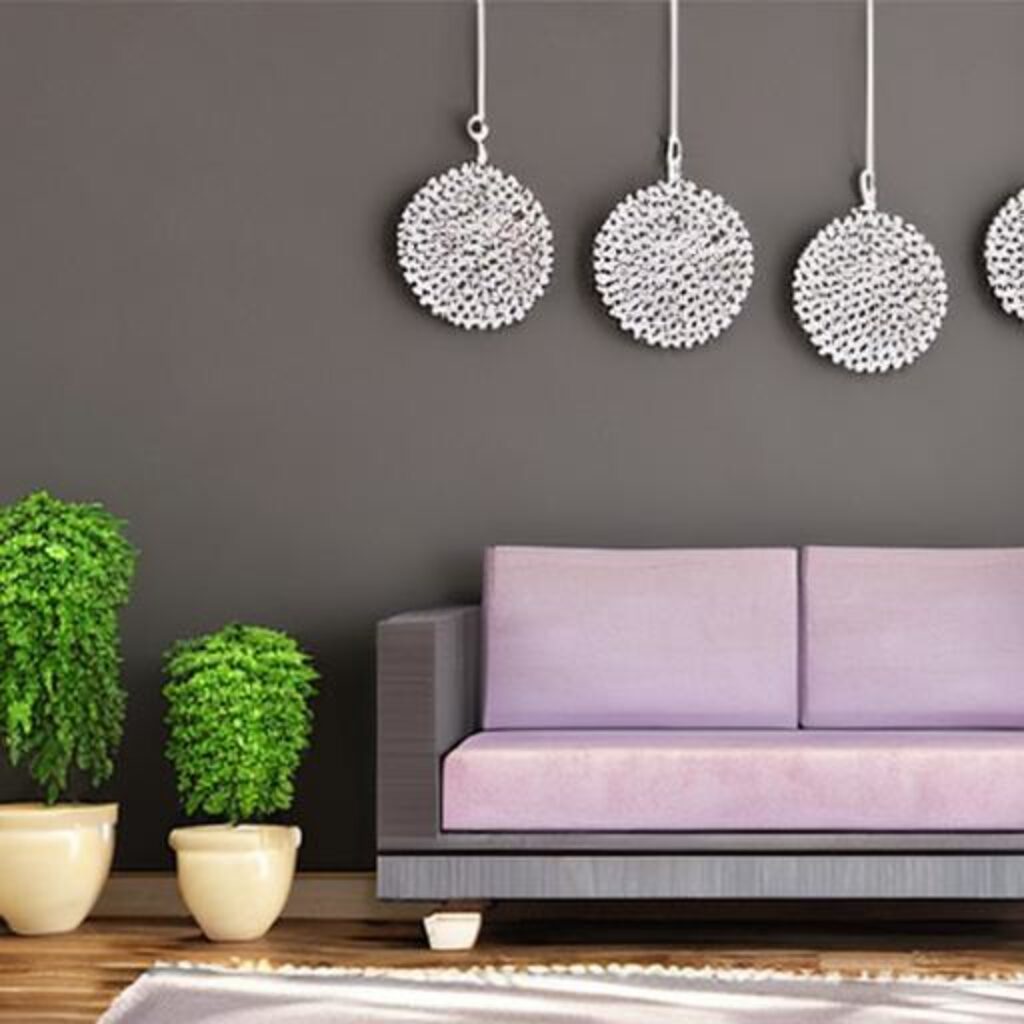
As each season rolls around, it brings a fresh opportunity to transform your home with DIY decor that reflects the changing atmosphere. Seasonal decor not only enhances your living space but also creates a warm and inviting environment that resonates with the natural shifts in your surroundings. Implementing seasonal themes can also add a personal touch to your home, making it feel more aligned with the world outside.Adapting your decor according to seasonal changes is essential to keep your space vibrant and engaging.
Each season offers unique colors, textures, and themes that can inspire your DIY projects. A timeline for implementing seasonal decor can help streamline the process, ensuring that your home remains stylish and relevant throughout the year. Here’s how you can effectively embrace each season’s essence with thoughtful decor ideas.
Seasonal Decor Implementation Timeline
Understanding the timeline for seasonal decor changes can help you stay organized and fully engage with each season. Here’s a suggested timeline to make the most of your seasonal DIY projects:
1. Spring (March – May)
Start your spring decor around the last week of February to welcome the season with fresh blooms and pastel colors. Use floral patterns, light fabrics, and vibrant colors to rejuvenate your space.
Materials
Flower pots, pastel paint, natural jute.
Theme
Blooming garden, renewal.
2. Summer (June – August)
Gear up for summer decor in late May. Incorporate bright colors, coastal themes, and outdoor elements to celebrate warmth and relaxation.
Materials
Shells, nautical ropes, bright fabrics.
Theme
Beach resort, vibrant outdoor living.
3. Autumn (September – November)
Begin transitioning to autumn decor by mid-August. Focus on warm colors, rustic elements, and harvest themes to create a cozy atmosphere.
Materials
Pumpkins, burlap, deep-toned colors.
Theme
Harvest festival, warm gatherings.
4. Winter (December – February)
Start winter decorations post-Thanksgiving. Use cool tones, festive elements, and natural textures to create a serene winter wonderland.
Materials
Pinecones, fairy lights, soft blankets.
Theme
Cozy retreat, holiday cheer.
“Seasonal decor allows you to reflect the changing world in your home, creating a harmonious space that evolves throughout the year.”
With this timeline, you can plan ahead, ensuring that each season receives the attention it deserves in your home decor. Make sure to keep your materials organized and purchase items that can be reused or repurposed in future seasons. This not only saves you money but also encourages creativity as you find new ways to reinvent the same materials.
Demonstrate how to personalize DIY home decor with upcycled materials.
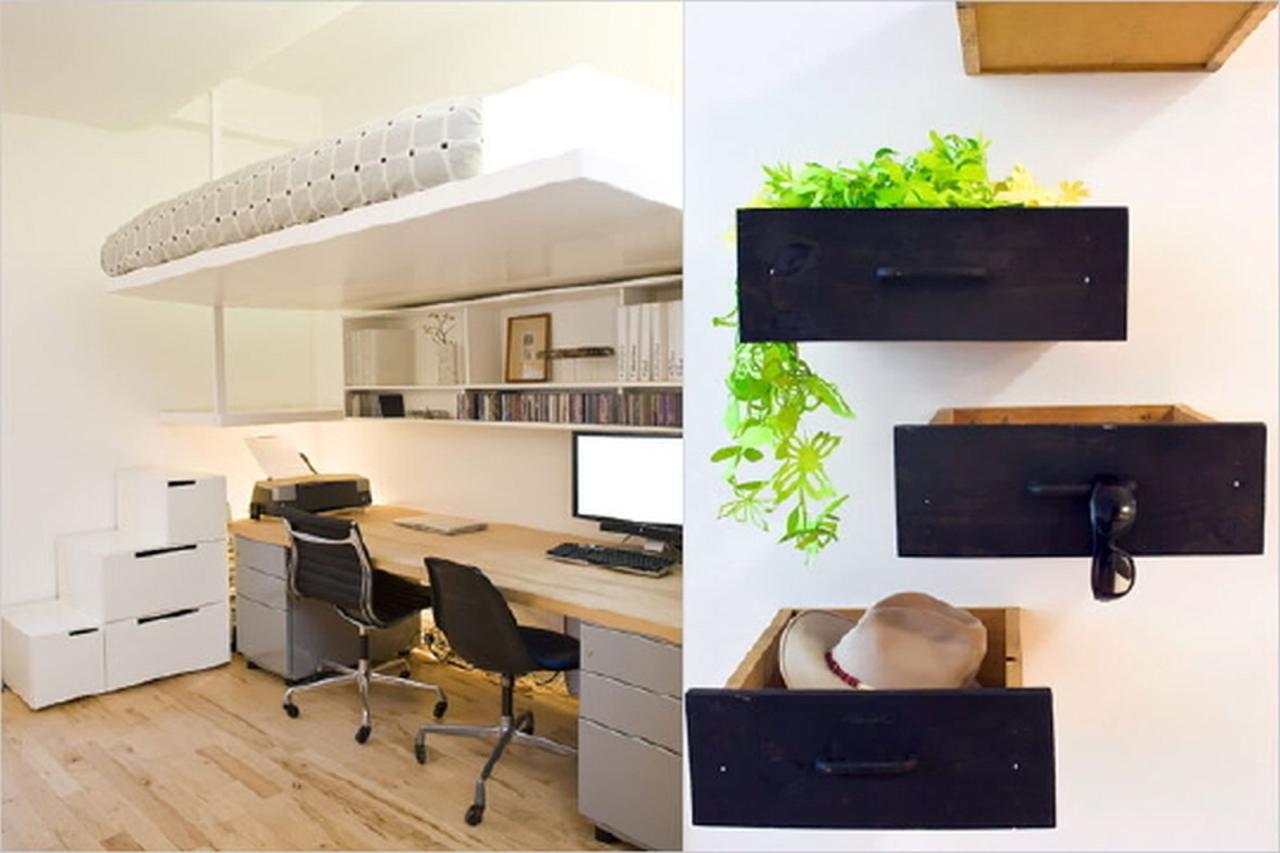
Personalizing your home decor is an exciting way to add character and warmth to your space. With the rise of sustainability consciousness, using upcycled materials has become not only trendy but also a responsible choice. By transforming items you already own or discarding materials into functional decor, you simultaneously express your style and contribute positively to the environment.Upcycling plays a significant role in sustainable home decor by minimizing waste and reducing the demand for new resources.
Traditional decor methods often rely on purchasing new materials, which can be resource-intensive and harmful to the environment. In contrast, upcycling encourages creativity and resourcefulness, using what we already have to create unique pieces that tell a story. This approach not only saves money but also fosters a sense of connection to the items we choose to keep in our homes.
Upcycling Projects Utilizing Common Household Items
There are numerous ways to give new life to everyday items, allowing you to personalize your space while keeping sustainability in mind. Below are several engaging projects that utilize items you might already have at home, transforming them into charming decor pieces.
- Glass Jar Lanterns: Clear glass jars can be transformed into beautiful lanterns by adding tea lights or fairy lights. Simply remove labels, clean the jars, then paint or wrap them with twine for a rustic vibe. These lanterns can be displayed on shelves or hung for an enchanting glow.
- Old T-Shirts into Pillows: Instead of discarding old t-shirts, consider turning them into decorative throw pillows. Cut the shirts into squares, stitch or tie them together, and fill with stuffing or old fabric scraps. This not only personalizes your living space but also gives those shirts a new purpose.
- Wine Cork Coasters: Collecting wine corks can serve a dual purpose. Use them to create coasters by gluing them to a sturdy base in a circular or square shape. This project not only utilizes leftover corks but also adds a unique touch to your coffee table.
- Drawer Organizers from Cereal Boxes: Instead of tossing away empty cereal boxes, they can be upcycled into stylish drawer organizers. Cut the boxes into desired sizes and cover them with decorative paper or fabric to match your decor. They serve as functional yet aesthetically pleasing storage solutions.
- Picture Frames from Pallets: Old wooden pallets can be stripped down and crafted into rustic picture frames. Sand down the wood, cut it to size, and assemble it to hold your favorite memories. This project adds charm and personality to your wall decor.
Each of these projects not only helps personalize your space but also highlights the beauty of creativity in sustainability. By utilizing materials that would otherwise contribute to waste, you create a home that is uniquely yours while caring for the planet.
Create a guide for using color theory in DIY home decor.
Color theory plays a crucial role in DIY home decor, influencing the ambiance and emotional response to a space. Understanding how colors interact can help you create a harmonious and inviting environment. This guide will explore the psychological effects of color, offer tips for selecting complementary palettes, and discuss effective ways to incorporate accent colors into your existing decor.
Psychological Effects of Color in Living Spaces
Colors evoke specific emotions and can significantly affect mood. For example, warm colors like reds and oranges can create a sense of energy and warmth, making them ideal for social areas like living rooms. In contrast, cool colors such as blues and greens promote calmness and relaxation, making them suitable for bedrooms and bathrooms. The following points highlight the psychological impacts of various colors:
- Red: Stimulates excitement and passion; great for dining areas.
- Blue: Offers tranquility and peace; perfect for bedrooms.
- Yellow: Inspires happiness and cheerfulness; works well in kitchens.
- Green: Represents nature and balance; ideal for living rooms or offices.
- Purple: Conveys luxury and creativity; can add elegance to accent pieces.
- White: Evokes simplicity and cleanliness; can make spaces feel larger.
- Gray: Provides neutrality and sophistication; works as a backdrop for other colors.
Tips for Selecting Color Palettes that Enhance Mood and Ambiance
Creating a cohesive color palette involves understanding the interplay of colors within your space. When selecting a palette, consider the psychological effects and the overall vibe you wish to achieve. Here are some effective strategies:
- Use the 60-30-10 rule: Allocate 60% of your room to a dominant color, 30% to a secondary color, and 10% to an accent color. This balance promotes visual harmony.
- Choose colors based on lighting: Natural light alters how colors appear; test paint swatches in different lighting conditions to ensure the desired effect.
- Consider the flow of colors: Create continuity by choosing colors that seamlessly transition from room to room, enhancing the overall harmony of your home.
- Utilize color wheels: Color wheels can help identify complementary and analogous colors, allowing for informed choices that enhance mood effectively.
- Incorporate personal preferences: Consider your own emotional responses to colors; choose hues that resonate with your personal style and comfort.
Incorporating Accent Colors into Existing Decor Effectively
Accent colors can breathe new life into a space, adding interest without overwhelming the existing decor. Here are some practical ways to incorporate accent colors:
- Use accessories: Incorporate accent colors through cushions, rugs, and artwork. For example, a vibrant throw pillow can transform a neutral sofa.
- Accent walls: Paint one wall a bold color to create a focal point. This technique works particularly well in spaces with ample natural light.
- Furniture choices: Choose accent chairs or tables in a contrasting color to add visual interest and define areas within an open layout.
- Layered textiles: Use layered textiles in different shades of the same accent color to create depth and texture without clashing.
- Seasonal updates: Switch out accent items according to the season, allowing you to refresh your space easily and keep it dynamic.
“Color is a power which directly influences the soul.”
Wassily Kandinsky
Elaborate on the benefits of incorporating plants in DIY decor projects.
Incorporating plants into your DIY home decor projects brings a wealth of benefits, both aesthetic and health-related. Beyond their natural beauty, plants play an essential role in enhancing the ambiance of indoor spaces, making them feel more vibrant and inviting. This unique blend of nature and creativity adds a personal touch to your home, reflecting your style while promoting well-being.Plants offer numerous aesthetic benefits that can significantly elevate your home decor.
They introduce color, texture, and life into any room, filling empty spaces and making areas feel more complete. The presence of greenery not only draws the eye but also creates a calming effect that can enhance mood and reduce stress levels. Several studies have shown that indoor plants can improve air quality by filtering toxins, which contributes to a healthier living environment.
Aesthetic and health advantages of indoor plants
The advantages of having indoor plants extend beyond mere visual appeal. Here are some key benefits to consider when incorporating plants into your DIY decor:
- Improved Air Quality: Plants can absorb carbon dioxide and release oxygen, leading to fresher indoor air. Some plants, like spider plants and peace lilies, are particularly effective at removing common pollutants.
- Enhanced Aesthetics: The variety of colors and shapes in plants can complement your existing decor, making spaces feel more lively and engaging. For instance, a tall fiddle leaf fig can create a striking focal point in a room.
- Stress Reduction: Studies suggest that having plants around can lower stress levels and promote feelings of well-being. Just spending time with plants or even looking at greenery can have a soothing effect.
- Boosted Productivity: Working or studying in environments with plants can increase concentration and productivity, making them ideal additions to home offices or study areas.
DIY ideas for plant displays that enhance home decor
Creating beautiful plant displays can be an enjoyable aspect of DIY projects. Here are some creative ideas to inspire your plant decor:
- Hanging Planters: Use macramé or wire hangers to suspend plants from the ceiling or walls. This not only saves space but also adds a unique visual dimension to your decor.
- Terrariums: Build a mini ecosystem in a glass container using small plants, stones, and soil. Terrariums serve as stunning centerpieces and conversation starters.
- Wall Planters: Create vertical gardens by attaching planters to walls. This can transform an otherwise bare space into a lush green display.
- Repurposed Containers: Use vintage teacups, jars, or wooden crates as planters. This adds character and charm while being an eco-friendly choice.
Care tips for maintaining indoor plants within the decor
To ensure that your indoor plants thrive and continue to enhance your home decor, proper care is essential. Here are important tips to keep in mind:
- Light Requirements: Different plants have varying light needs. Place your plants in suitable locations based on whether they require bright, indirect light or can thrive in low-light conditions.
- Watering Schedule: Overwatering is a common mistake. Check the soil moisture before watering; many plants prefer to dry out a bit between waterings.
- Humidity Levels: Some plants, like ferns and tropical varieties, thrive in higher humidity. Consider grouping plants together or using a humidifier in drier environments.
- Regular Pruning: Remove dead leaves and spent blooms to encourage healthy growth. Pruning can also help maintain the desired shape and size of your plants.
Incorporating plants into your DIY decor not only beautifies your space but also promotes health and well-being, making it a win-win for your home.
Organize a list of DIY home decor ideas that reflect personal style.
Creating a space that resonates with your personal style can transform your home into a sanctuary that reflects who you are. DIY home decor projects offer a fantastic way to infuse your personality into your living space without breaking the bank. By understanding your preferences and experimenting with different styles, you can curate a home that feels uniquely yours.Identifying your personal style begins with assessing your tastes and inspirations.
Consider what colors, textures, and patterns resonate with you. You might find inspiration in nature, art, travel, or even your favorite memories. Once you have a sense of your aesthetic, you can start translating it into your decor choices. This process involves selecting decor elements that not only complement each other but also reflect your identity.
Identifying Personal Style and Translating It into Decor
Recognizing your personal style is the foundational step to achieving a cohesive decor look. To assist in this exploration, the following methods can help clarify your preferences:
- Style Inspirations: Gather images from magazines, websites, and social media that resonate with you. Identify common themes in your selections.
- Color Palettes: Create a mood board with color swatches that appeal to you. Use these as a guide for paint colors, fabrics, and accessories in your decor.
- Texture Exploration: Consider the textures that appeal to you, such as sleek metals, warm woods, or soft fabrics. Mixing textures can add depth to your space.
- Functional Needs: Reflect on how you use your space. Your decor should serve your lifestyle, whether it’s a cozy reading nook or a vibrant entertaining area.
Examples of Decor Styles and Corresponding DIY Projects
Understanding various decor styles can help you pinpoint what resonates with you. Here’s a breakdown of popular styles along with corresponding DIY projects that capture their essence:
- Bohemian: Embrace free-spirited decor with DIY macramé hangers for plants or handmade wall tapestries that reflect intricate patterns and textures.
- Modern Minimalist: Create simple, clean lines with DIY wooden shelves or geometric wall art that emphasizes space and functionality.
- Rustic Farmhouse: Craft a farmhouse-style dining table or create reclaimed wood signs that evoke a warm, inviting feel.
- Industrial: Incorporate metal accents by forging pipe shelving units or creating pendant lights from reclaimed materials.
Mixing and Matching Different Styles for a Unique Look
Combining multiple styles can yield a dynamic and layered look that feels personal and inviting. To achieve a harmonious mix, consider the following strategies:
- Common Color Palette: Stick to a cohesive color scheme that unifies disparate styles, allowing them to coexist harmoniously.
- Contrast Textures: Pair rough, rustic elements with sleek, modern accents to create visual interest. For example, a soft, plush rug can complement a stark wood dining table.
- Balance Proportions: Ensure that the scale of your decor items complements one another. Pairing a large vintage mirror with a petite modern lamp can create an engaging focal point.
- Personal Touches: Incorporate personal items, such as family photographs or travel souvenirs, that speak to various styles while adding a unique narrative to your decor.
Provide insights into creating a cohesive theme with DIY decor.
Creating a cohesive theme in your home decor can transform your living space into a harmonious and inviting environment. By establishing a consistent aesthetic, you not only enhance the visual appeal of your home but also create a sense of unity that can make each room feel well thought out. This guide will detail steps to help you establish a thematic decor approach throughout your home, providing examples and DIY projects tailored to various rooms.A cohesive theme is established by selecting a central idea that reflects your personal style and preferences.
This involves careful consideration of color schemes, materials, and design elements that will flow seamlessly from one room to another. The key steps include selecting a color palette, identifying key decor elements, and ensuring consistency in texture and materials throughout your spaces.
Steps to Establish a Thematic Decor Approach
To effectively create a cohesive theme, follow these essential steps:
1. Choose a Central Color Palette
Select 3-5 colors that resonate with you and can be used consistently throughout your home. This color palette will guide your choices in paint, textiles, and accessories.
2. Define Your Theme
Consider themes such as modern minimalist, rustic farmhouse, industrial chic, or coastal vibes. Each theme has its own unique elements and character, which should be reflected in your decor choices.
3. Consistent Material Selection
Opt for a few key materials that embody your theme, like wood, metal, or fabric. Using similar materials will create a cohesive look.
4. Incorporate Repeating Patterns
Patterns can connect various rooms. For instance, if you choose floral patterns in your living room, consider using a similar floral motif in the bedrooms or kitchen.
5. Design Statement Pieces
Identify one or two statement pieces for each room that embody your theme. These could be artwork, furniture, or lighting fixtures that draw attention and set the tone.
Examples of Themes and Corresponding DIY Projects
Every room in your home can express the chosen theme through tailored DIY projects. Here are a few examples:
Modern Minimalist
Living Room
Create a sleek, low-profile coffee table using reclaimed wood.
Bedroom
Design minimalist wall art with geometric patterns using painter’s tape and contrasting paint colors.
Rustic Farmhouse
Kitchen
Craft open wooden shelves from reclaimed barn wood to display vintage dishes.
Bathroom
Build a rustic wooden towel ladder for both storage and decor.
Industrial Chic
Dining Room
Assemble a dining table from metal pipes and reclaimed wood for an industrial feel.
Entryway
Create a coat rack from industrial brackets and a piece of wood stained to match the dining table.
Coastal Vibes
Living Room
Paint an accent wall in soft sandy beige, complemented by DIY beach-themed artwork using seashells.
Bedroom
Create cushions from fabrics with nautical stripes or sea-themed prints.
Importance of Consistency in Color, Texture, and Materials
Maintaining consistency in elements such as color, texture, and materials is crucial for achieving a cohesive theme. A well-coordinated decor not only enhances the aesthetic but also promotes a sense of calm and relaxation.
Color Consistency
Using the same shades across different spaces can evoke a unified look. For instance, if a soft sea-green is used in the bathroom, applying it as an accent in the bedroom can tie the spaces together.
Texture Variation
While color should remain consistent, varying textures adds depth. Combining smooth surfaces with woven fabrics and rustic finishes can create an inviting atmosphere.
Material Uniformity
Sticking to a limited selection of materials allows for a seamless transition from room to room. For instance, if you opt for metal fixtures in your kitchen, consider incorporating the same metal finishes in other areas, like light fixtures or drawer pulls.
The goal of cohesive decor is to create an inviting home that tells a story, reflecting your personality while maintaining a visual harmony.
Incorporate Technology into DIY Home Decor Projects
In today’s digital age, integrating technology into DIY home decor projects not only enhances the aesthetic appeal of your space but also introduces elements of convenience and innovation. With a multitude of modern tech trends available, you can easily elevate your home decor while embracing the functional benefits that technology offers.Smart home technology has transformed the way we interact with our living spaces, allowing for a seamless integration of convenience and style.
From smart lighting solutions to automated window treatments, there are numerous ways to incorporate tech into your DIY decor projects. This blend of creativity and technology opens up new avenues for personal expression and functionality within the home.
Smart Home Elements for DIY Projects
Understanding the smart home elements that can be integrated into your decor can significantly enhance both the functionality and aesthetic appeal of your space. Here are some examples worth considering:
- Smart Lighting: LED smart bulbs can be easily installed and connected to your home network. They allow you to customize the brightness and color of your room from your smartphone or via voice commands. For a creative touch, consider installing them in unique fixtures or as part of a decorative lamp design.
- Smart Thermostats: Devices like the Nest Learning Thermostat not only help to regulate your home’s temperature efficiently but can also be styled to blend seamlessly with your decor. Choose options that come in various colors or finishes to complement your existing design.
- Smart Speakers: These devices can serve both as a functional music source and a stylish decor piece. Choose models that have a design suitable for display, and integrate them into your shelves or tables as part of your overall decor theme.
- Automated Blinds or Curtains: Installing motorized window treatments allows you to control natural lighting with ease. You can create a sophisticated atmosphere by choosing material and patterns that align with your decor style while enjoying the convenience of automation.
- Smart Plugs: These devices enable you to control any electronic item remotely. Use them to power lamps or decorative items, allowing you to create ambiance at the touch of a button or through your voice.
Utilizing these smart home elements enriches your living environment by combining functionality with a modern aesthetic. The benefits of incorporating technology into your DIY projects are vast, as they not only enhance convenience but also contribute to a more connected and stylish home.
Embracing technology in home decor can lead to innovative designs that reflect both personal style and modern convenience.
Compare different DIY techniques for wall art creation.
Creating wall art can be a fun and rewarding DIY project that allows for personal expression and home customization. With various techniques available, each offering unique aesthetics and challenges, it’s essential to explore the options that best fit your style and space. From painting and fabric applications to mixed media and natural elements, let’s delve into some popular methods for crafting stunning wall decor.
Painting Techniques
Painting is one of the most versatile and widely used methods for creating wall art. The possibilities range from simple abstract designs to intricate murals. For those looking to embrace a more hands-on approach, consider using tools like brushes, sponges, or even your fingers to apply paint. Techniques such as sponging can create texture, while stenciling allows for detailed designs without the pressure of freehand work.
Here are some resources for painting wall art:
- Canvas or wood panels
- Acrylic or watercolor paints
- Brushes in various sizes
- Sponges or stencils
- Palette for mixing colors
Fabric and Textile Art
Using fabric for wall art can introduce rich textures and colors to your space. Techniques like sewing, quilting, or fabric wrapping are excellent for creating unique pieces.Patchwork quilts or fabric collages can be made by cutting pieces of fabric into shapes and sewing them together. Additionally, wrapping canvases or wooden frames with colorful textiles can provide a fresh take on traditional art pieces.Materials needed for fabric art include:
- Various fabrics (cotton, linen, etc.)
- Sewing machine or needle and thread
- Canvas or wooden frames for wrapping
- Glue for fabric crafts
- Scissors for cutting fabric
Mixed Media Techniques
Mixed media art combines different materials and techniques, allowing for creativity without limitations. This style can include paint, fabric, paper, and found objects, resulting in dynamic pieces that tell a story.To create mixed media wall art, start with a base layer, such as painted canvas or wood, and then add various elements like photographs, magazine clippings, or 3D objects. This technique allows for personal narratives to be expressed through the layering of different media.Essential materials for mixed media include:
- Base materials (canvas, paper, wood)
- Adhesives (mod podge, glue sticks)
- Mixed media paints and markers
- Found objects (buttons, beads, etc.)
- Protective spray for finishing touches
Natural Elements in Wall Art
Incorporating natural elements into wall art brings a touch of the outdoors inside. This can include pressed flowers, branches, or even stones arranged in visually appealing compositions.To create art with natural elements, start by collecting items from your surroundings. Pressed flowers can be mounted in frames, while branches can be arranged on canvas for a rustic look. The organic nature of these materials often results in unique and one-of-a-kind pieces.Materials needed for natural element art might include:
- Wooden boards or frames
- Glass frames for pressed items
- Adhesives suitable for natural materials
- Twine or string for hanging
- Protective finish to preserve natural elements
“The beauty of DIY wall art lies in the creativity it unleashes, allowing for personalization that store-bought pieces simply can’t match.”
Ultimate Conclusion
In conclusion, DIY home decor ideas offer endless possibilities to personalize and elevate your living space. By embracing creativity and incorporating various techniques, you can create an environment that is not only beautiful but also uniquely yours. Whether you’re a beginner or an experienced DIY enthusiast, there’s a project waiting for you that can transform your home into a true reflection of your style.
Questions Often Asked
What are some easy DIY home decor projects for beginners?
Some easy projects include creating wall art, upcycling old furniture, and making decorative cushions. These require minimal skills and affordable materials.
How can I make my small space feel larger?
Utilize multi-functional furniture, choose light colors, and incorporate mirrors. These tricks can visually expand your space.
What materials are best for seasonal decor?
Natural materials like wood and plants, along with textiles like burlap or cotton, are great for creating seasonal decorations.
Can I mix different decor styles?
Absolutely! Mixing styles can create a unique look. Just ensure a cohesive color palette to tie everything together.
How often should I update my home decor?
It depends on personal preference, but seasonal updates or changes every 6-12 months keep your space feeling fresh.